Basiran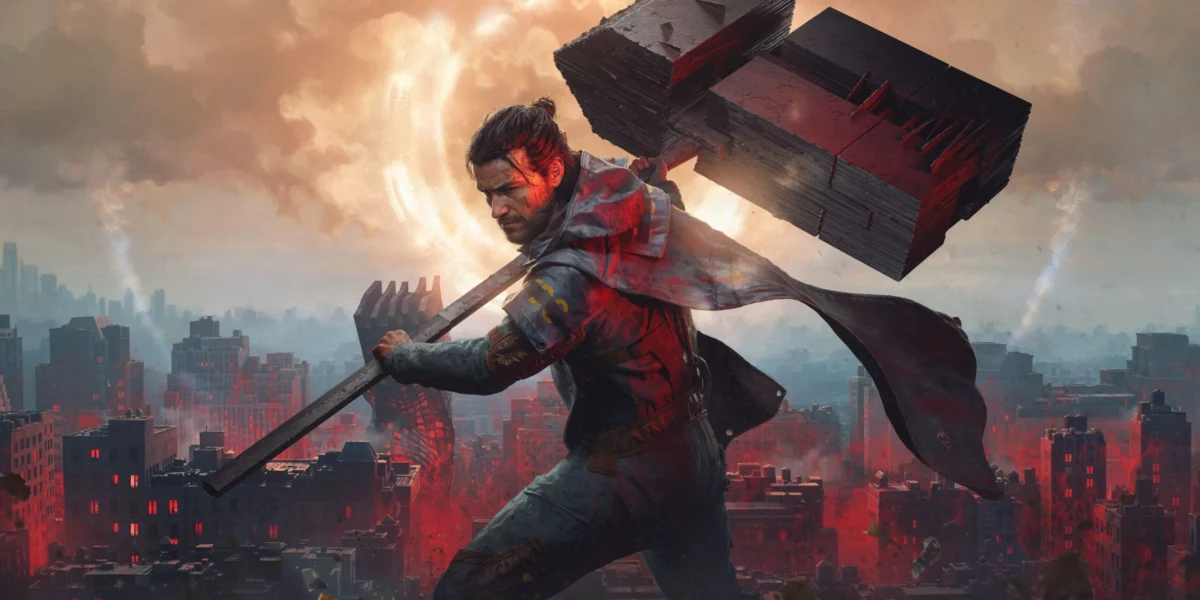
Remedy Entertainment has long established itself as the architect of the "weird," a studio that treats the boundaries of reality not as laws, but as mere suggestions. From the rain-soaked noir of Max Payne to the meta-narrative brilliance of Alan Wake 2, the Finnish developer has consistently pushed the medium toward the surreal. Now, seven years after the original Control redefined our expectations of physics and atmosphere, the studio is preparing to pull us back into the labyrinthine halls of the Federal Bureau of Control (FBC) with Control Resonant.
Having spent three intensive hours with an early build of the game, it is clear that Resonant is not a mere retread of the 2019 original. Instead, it is a bold, mechanical, and narrative evolution that shifts the perspective from Director Jesse Faden to her brother, Dylan Faden.
The Protagonist’s Descent: A New Perspective on Chaos
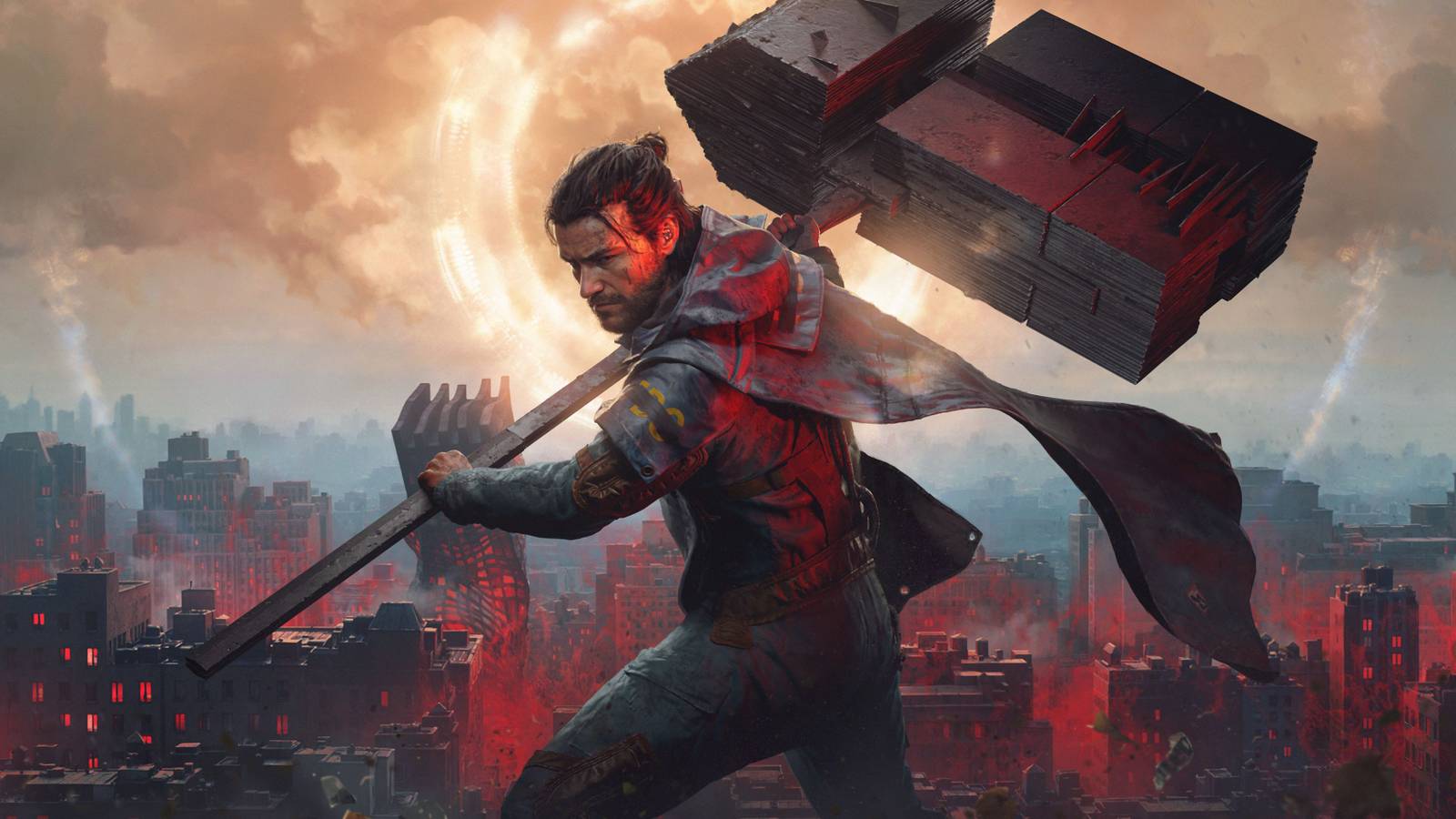
The original Control centered on Jesse Faden’s rise to power within The Oldest House. In Control Resonant, we step into the shoes of a man who has lived at the center of the storm. Dylan Faden, long held captive by the FBC and subjected to the corrupting influence of the Hiss, is no longer the victim of the story—he is the lens through which we witness the Hiss’s expansion beyond the Bureau’s walls.
The game kicks off with a jarring liberation. Dylan is freed from his containment cell only to find that the supernatural corruption he once feared has begun to spill into the streets of Manhattan. The shift in setting—from the claustrophobic, brutalist architecture of The Oldest House to the sprawling, infected urban landscape—provides an immediate sense of scale. The threat is no longer contained; it is pervasive.

Chronology of Gameplay: From Tutorial to Tactical Mastery
My hands-on experience began with Act 1, which functions as a masterclass in onboarding players to a radically different combat loop. Unlike Jesse, who favored aerial supremacy and projectile-based weaponry, Dylan is a grounded, visceral force. The early game focuses on establishing his mobility: a sequence of jumps, dashes, and short-lived levitation that emphasizes momentum.
As the experience progressed, the game opened into the "Evacuation Zone," a semi-open sector of the city. Here, the pacing slowed, allowing for exploration and experimentation. This segment, reminiscent of the atmospheric tension found in the Dark Place sequences of Alan Wake 2, served as a playground for the game’s new progression systems. By the time I reached the Act 3/4 build, the complexity of the combat had evolved from simple melee strikes to a sophisticated, high-speed dance of destruction.

Supporting Data: The Mechanics of "The Gap"
A defining feature of Control Resonant is its deep customization. Unlike its predecessor, which relied on mods and weapon forms, Resonant introduces "The Gap," a mental safe-space that serves as the heart of player progression.
Within The Gap, players can:
- Respec Abilities: Swap out supernatural skills to tailor Dylan’s loadout for specific encounters.
- Craft Artifacts: Equippable items that grant passive bonuses, allowing for specialized "builds."
- Stat Trees: A traditional talent tree that permits granular upgrades to both physical and telekinetic prowess.
- Firing Range: A practical training dummy area where players can test new combos before heading back into the field.
The combat loop is decidedly hack-and-slash, yet it avoids the button-mashing trap. The weapon system is split into primary and secondary archetypes—ranging from heavy hammers to mid-range whips—which can be paired with passive modifiers to trigger devastating charged attacks. The "ultimate" abilities, fueled by a meter built through standard melee, add a layer of strategy that rewards aggressive play.
Implications: The Evolution of Survival Horror
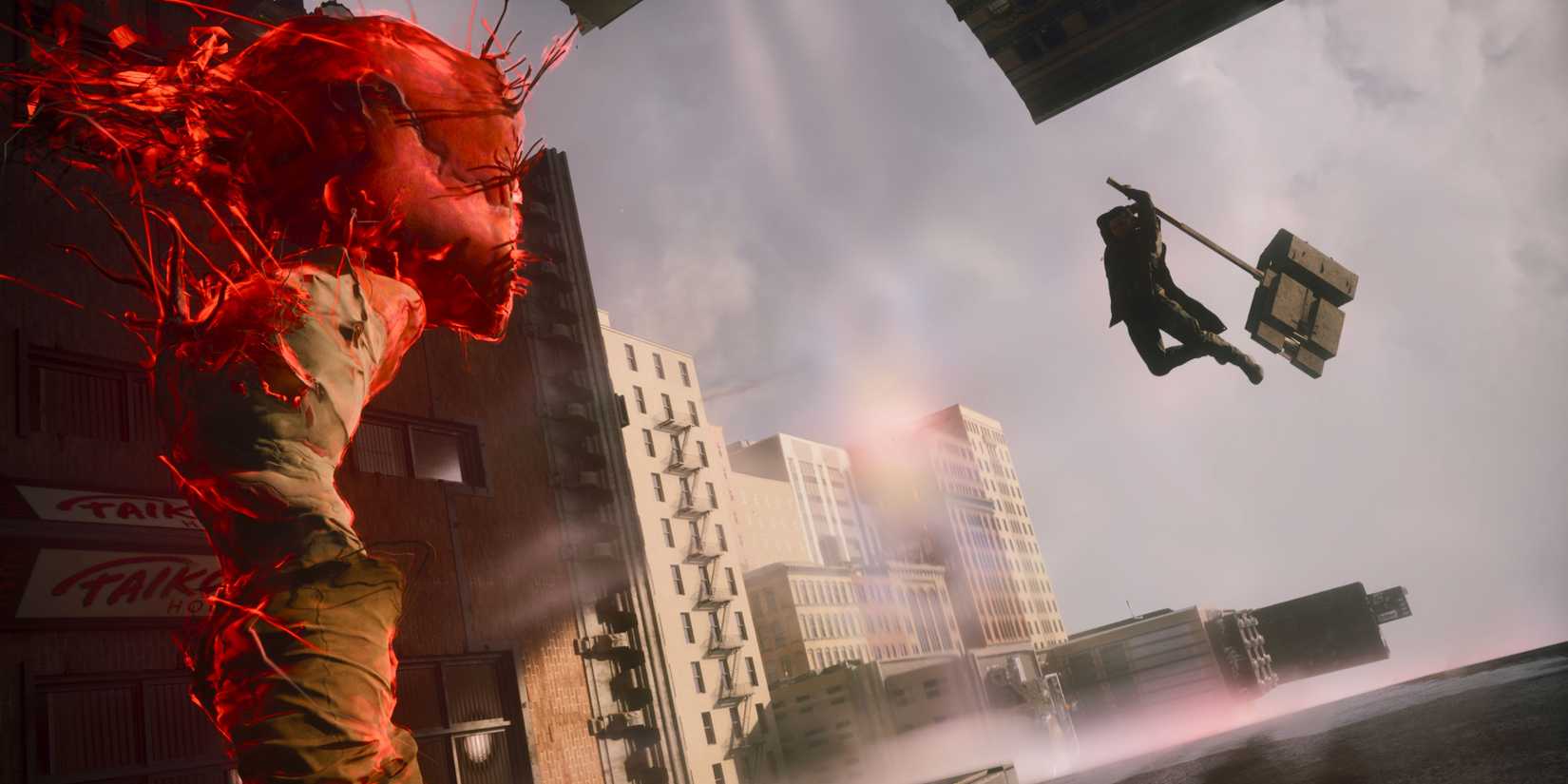
One of the most striking aspects of the preview was the mission titled "The Sinkhole." Here, the game leans heavily into psychological survival horror. The mission requires Dylan to traverse a 360-degree, shifting environment where the floor, walls, and ceiling lose all meaning. The necessity of manual gravity-shifting to navigate this maze is a testament to Remedy’s commitment to innovative level design.
This design choice has significant implications for the game’s tone. By forcing the player to manage spatial perception while under duress, the developers are creating a sense of vulnerability that feels fresh for the franchise. The boss fight that concluded this sequence was one of the most bizarre and visually unsettling encounters I have experienced in a decade of game journalism. It wasn’t just a challenge of reflexes; it was a test of the player’s ability to maintain composure in an environment that is actively trying to break their mind.
Official Responses and Creative Direction
In discussions surrounding the development of Control Resonant, creative leads at Remedy have emphasized a desire to avoid "safe" sequels. The studio’s goal is to maintain the core identity of the Control franchise—the mystery, the bureaucratic horror, the hidden lore—while completely overhauling the moment-to-moment gameplay.

The inclusion of new characters like Zoe, who acts as a tether for Dylan during his deep-dives into anomalies, adds a layer of interpersonal tension. The dialogue choices provided in the preview, while not altering the main narrative arc, serve to define the player’s interpretation of Dylan: is he a reluctant hero, a necessary tool, or a man on a suicide mission? These choices, combined with the game’s emphasis on player-defined combat builds, suggest a title that is more RPG-adjacent than the original.
Conclusion: Why Resonant Matters
Control Resonant is a fascinating experiment in sequel design. It does not feel like an expansion or a continuation of the previous game’s combat style; it feels like an evolution of the Control universe itself. By moving the camera closer to the action and shifting the focus to a more grounded, visceral combat loop, Remedy is signaling that they are not content to rest on the laurels of their 2019 success.
The game is set to launch on September 24, 2026, for PlayStation 5, Xbox Series X|S, and PC. If the first few hours are any indication, players should prepare for a journey that is louder, bolder, and more beautifully chaotic than anything the studio has produced to date. It is a reminder that in the hands of the right team, a franchise can grow, change, and—dare I say—resonate in ways we never thought possible.
As I walked out of the press event, the lingering image of the "Sinkhole" and the sheer variety of the combat options left me with a single, clear thought: The Oldest House may be in Manhattan, but the true horror is in the mind, and I, for one, cannot wait to dive back in.


 Asro
Asro
 Muslim