Lina Hope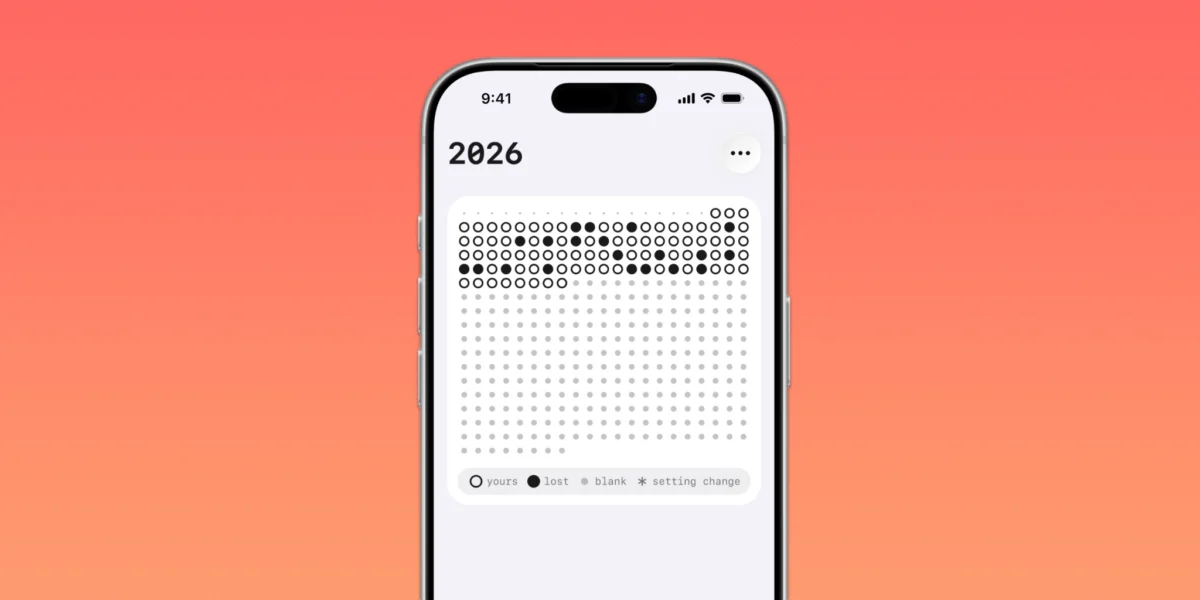
In the modern digital landscape, the paradox of connectivity is increasingly apparent: we carry the world’s knowledge in our pockets, yet we struggle to reclaim the time lost to the infinite scroll. While Apple’s native Screen Time tools offer a baseline for monitoring device usage, many users find them easily dismissible—a soft nudge that is often ignored in favor of a "one more minute" extension.
Enter oh my hours, a fresh entrant in the indie app ecosystem that aims to disrupt the status quo. Instead of merely tracking minutes, this application introduces a psychological shift in how we perceive distraction, forcing a confrontation with the "wasted" segments of our day. As part of this week’s Indie App Spotlight, we explore how this tool is challenging the current industry standard for digital detox.
The Core Concept: Shifting the Mental Model
Traditional screen time management operates on a "limit" model: you set a ceiling, and when you hit it, the system warns you. However, as many users have noted, these warnings are often perceived as suggestions rather than boundaries.
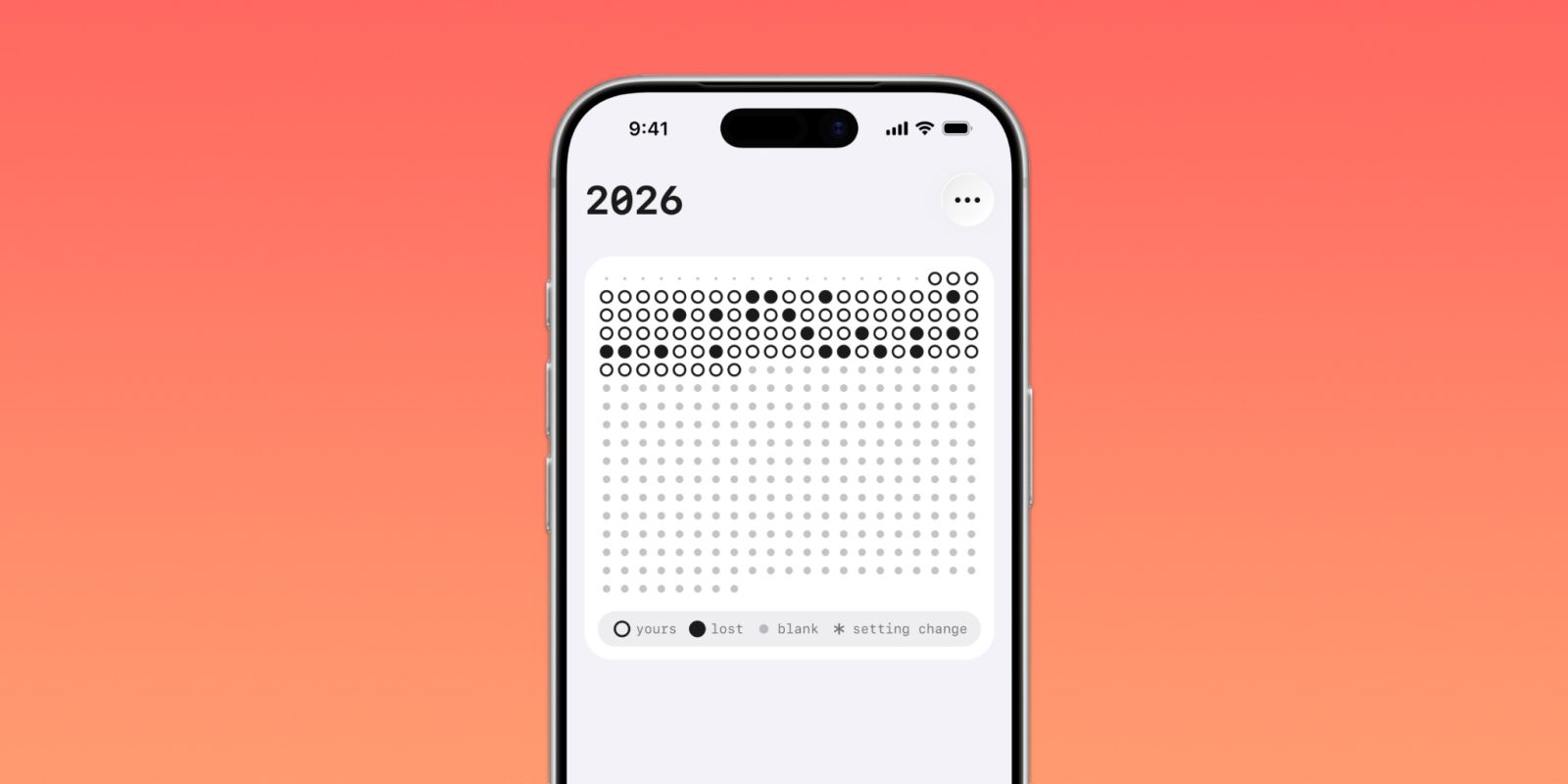
oh my hours flips the script by focusing on accountability rather than restriction. The app operates on a 24-hour grid system. Users designate specific apps—typically those that serve as their primary sources of procrastination—as "distractions." Once these apps are identified, the app begins monitoring. If a user opens a flagged application, the corresponding block in their 24-hour grid fills up, visually documenting that hour as "lost."

Psychological Accountability
The genius of the app lies in its simplicity. By visualising the day as a sequence of discrete blocks, oh my hours forces the user to see the cumulative impact of their digital habits. It removes the ability to simply bypass a popup; instead, it leaves a permanent, visual mark on the user’s home screen or lock screen widget, serving as a persistent reminder of their commitment to productivity.
A Chronology of the Digital Wellness Movement
To understand why oh my hours is gaining traction, one must look at the evolution of the digital wellness industry.
- 2018: The Genesis of Built-in Tools. With the release of iOS 12, Apple introduced Screen Time, officially acknowledging that excessive device usage was a public health concern. This set the industry standard for how users interact with their own data.
- 2020–2022: The Pandemic Shift. As global lockdowns forced work and social lives into the digital realm, the line between "productive" and "distracting" screen time blurred, rendering many existing tools ineffective for a population now tethered to their screens for survival.
- 2024–2025: The Rise of Indie Alternatives. A growing segment of developers began pushing back against the "one-size-fits-all" approach of Big Tech, creating niche apps that cater to specific behavioral psychology models—such as gamification, cold-turkey blocking, and visual accountability.
- 2026: The Launch of "oh my hours". The app arrived at a moment where "digital fatigue" reached a saturation point. Its focus on the visual weight of time spent sets it apart from predecessors that relied on notifications alone.
Supporting Data: Why Current Tools Often Fail
The efficacy of traditional screen time management is frequently challenged by behavioral economists and user experience researchers. Data from various wellness studies suggest three primary reasons why native tools struggle:
- The "Permission Bias": Because the user has the ability to override a lock screen with a simple passcode, the "barrier to entry" for distraction remains too low.
- Notification Fatigue: Users often ignore or disable push notifications, rendering the primary feedback loop of most wellness apps useless.
- Ambiguity of Success: When an app simply tells you that you’ve spent "three hours on social media," it lacks context. oh my hours addresses this by framing the data within a 24-hour cycle, effectively highlighting the opportunity cost of the time spent.
According to a 2025 internal survey by the developers of oh my hours, users who engaged with visual widgets reported a 30% higher adherence rate to their self-imposed goals compared to those using standard timer-based notifications. The visual nature of the grid, which users can pin to their home screens, creates a "public" accountability system—even if that public is just the user themselves looking at their phone throughout the day.
Official Perspective: The Indie Developer’s Philosophy
In discussions with the development team behind oh my hours, the focus is consistently on "mindful friction." The goal is not to prevent the user from ever opening an app, but to make the act of opening a distracting app a conscious decision.
"We didn’t want to build another tool that nags you," the lead developer noted in a recent correspondence. "We wanted to build a mirror. Most people don’t realize how quickly an hour slips away when they are mindlessly scrolling. By giving that hour a visual ‘mark’ on their grid, we are forcing the brain to acknowledge the transition from productive time to wasted time. The data shows that when people see their day as a finite grid of 24 blocks, they become much more protective of those blocks."
The app’s configuration allows for granular control. Users can set the "aggressiveness" of the tracking—triggering a "distracted" block after just one second of usage, or allowing a brief grace period for legitimate tasks that might involve a social app (such as checking a work-related message).
Implications: The Future of Digital Hygiene
The emergence of oh my hours suggests a larger shift in how we approach software design. We are moving away from the era of "passive consumption" towards "active agency."

1. The Death of the "Passive Notification"
As users become more savvy, they are increasingly seeking tools that offer active, visual feedback rather than passive notifications. The success of oh my hours indicates that the future of digital wellness lies in the integration of data visualization directly into the iOS ecosystem (through widgets and Live Activities).
2. Customization as a Premium Feature
The business model of the app—free to use with a subscription for advanced customization—reflects a broader trend in the indie software market. Users are proving willing to pay for tools that respect their time and privacy, provided those tools offer tangible benefits to their daily lives. By offering features like hand-drawn icons and customizable limits behind a $9.99/year tier, the developers are aligning the cost of the app with the value of the user’s recovered time.
3. The Reclaiming of Focus
The broader implication of this technology is the potential for a collective reclaiming of focus. If a significant percentage of the population begins to view their daily schedule as a limited set of blocks—rather than an infinite, blurry timeline—we may see a shift in the "attention economy." Companies that thrive on endless engagement may find themselves increasingly at odds with users who are now equipped with the tools to visualize their own boundaries.
Conclusion: Is It Worth the Download?
For the average smartphone user, oh my hours offers a refreshing, if slightly brutal, approach to self-discipline. It is not designed for everyone—those who prefer a "soft" nudge will likely find it too demanding. However, for the user who feels that existing tools have failed to curb their digital habits, this app provides a necessary jolt of reality.

By turning screen time management into a visual, high-stakes game of grid preservation, oh my hours succeeds where others fail: it makes the intangible nature of "time spent" feel heavy, finite, and deeply personal. It is, quite simply, one of the most effective implementations of behavioral design we have seen in the indie space this year.
The app is currently available for download on the App Store for devices running iOS 26.2 or later. Whether you are looking to reclaim an hour a day or simply want a clearer picture of where your time goes, oh my hours is a compelling case study in the power of visual accountability.
For more insights into the indie app landscape, stay tuned to our weekly spotlight series. If you are a developer with a project that challenges the status quo, we encourage you to reach out to our editorial team.


 Asro
Asro
 Rifan Muazin