In a seismic shift for the gaming industry, Xbox has officially initiated what is being described as the most significant restructuring in the brand’s history. On July 6, 2026, Xbox CEO Asha Sharma announced a sweeping organizational overhaul that includes the reduction of its workforce by approximately 3,200 employees by the end of Fiscal Year 2027. This move, characterized by the company as a necessary "reset," signals a fundamental change in how the gaming giant manages its internal studios, its financial margins, and its long-term operational philosophy.
The Core Facts: A Radical Downsizing
The announcement, delivered via an internal memo shared publicly on social media, confirms that the company is grappling with systemic inefficiencies. As of the announcement, 1,600 of the planned 3,200 layoffs have already been processed. The layoffs are part of a broader strategy to combat what leadership describes as an "unhealthy" business model.
Beyond the reduction in headcount, the structural changes involve the divestiture of four prominent game development studios. Compulsion Games, Double Fine Productions, Ninja Theory, and Undead Labs are all exiting the Xbox umbrella. In a unique twist for such large-scale corporate moves, these studios are being transitioned to new management structures, with some returning to independent operations and others moving under new ownership to ensure the continued development of key franchises.
A Chronology of the Reset
The current situation did not emerge in a vacuum. Industry analysts have tracked the growing tension between Xbox’s aggressive acquisition strategy over the last decade and the actualized output of those studios.
- 2018–2024 (The Expansion Phase): Under previous leadership, Xbox aggressively acquired talent, bringing studios like Ninja Theory, Double Fine, and Undead Labs into the fold. The goal was to bolster the Game Pass library and create a constant stream of exclusive content.
- Early June 2026: CEO Asha Sharma first publicly addressed the "difficult realities" facing the company. In early June, she hinted that Xbox had overextended itself, purchasing high-profile studios without the infrastructure or capital to fund them sustainably.
- July 6, 2026: The official announcement of the restructuring plan was released. Sharma confirmed that the business was operating at margins significantly lower than its peers—between 3x and 10x lower than comparable platform and publishing entities.
- July 2026–FY2027: The initiation of the phased reduction in workforce, alongside the legal and operational transition of the four identified studios.
Financial and Operational Justifications
In her communication to employees, CEO Asha Sharma was candid about the fiscal state of the company. The core issue, according to the leadership team, is that Xbox grew its headcount too rapidly, leading to a fragmented organizational structure where teams, studios, and internal departments operated in silos.
The "Unhealthy" Margin Problem
Sharma noted that for the company to be sustainable, it must achieve parity with other major platform holders. The current disparity in margins—operating at 3-10x lower than competitors—was deemed unsustainable by the board. To address this, the company is pivoting toward:
- Operational Streamlining: A move to a cleaner code base and consolidated toolsets to prevent redundant development efforts.
- Reduced Vendor Spend: A stated goal of cutting external vendor expenditure by 50% to focus resources on internal core competencies.
- Centralized Oversight: The promotion of Helen Chiang to the newly defined role of Chief Operating Officer. Chiang will now hold end-to-end profit and loss (P&L) responsibility, overseeing content, hardware, and services to ensure that the previously fragmented departments are pulling in the same direction.
Studio Divestitures: Where Do the Games Go?
The most discussed aspect of this restructuring is the fate of the four studios being cut loose. The transition plans for these entities reflect a desire to protect the intellectual property (IP) while shedding the operational weight of the parent company:
- Compulsion Games and Double Fine Productions: These two studios will transition to independent status. Critically, they will retain their existing intellectual property and back catalogs, effectively granting them a "runway" to continue their operations outside of the Xbox corporate structure.
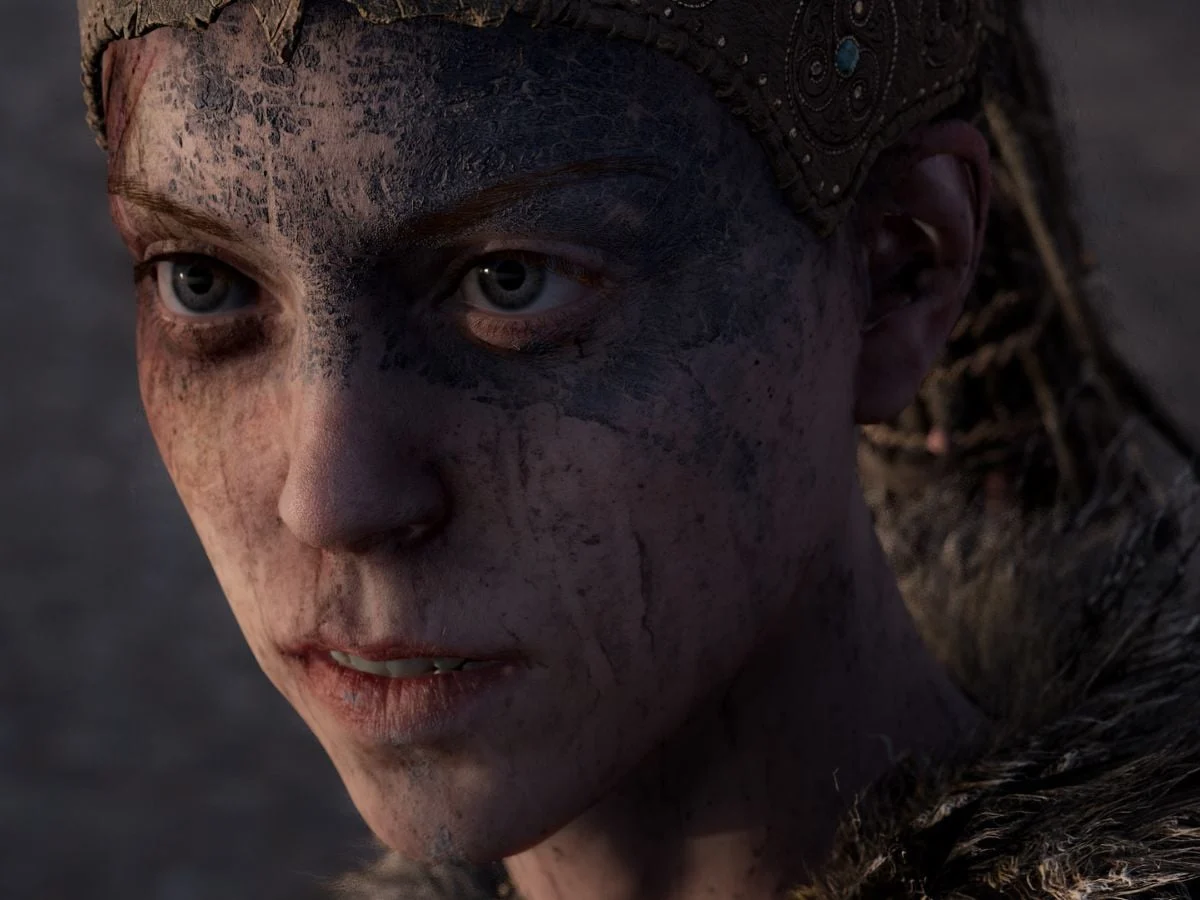
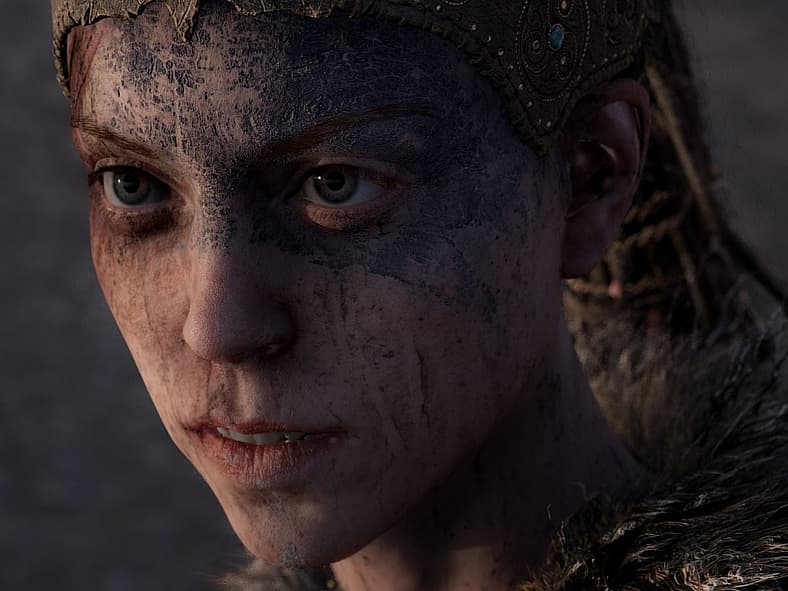
- Ninja Theory and Undead Labs: These studios are entering into new ownership agreements. These arrangements are specifically designed to ensure the completion and growth of high-profile titles currently in development, specifically Senua’s Saga (and future iterations) and State of Decay 3.
- The Arkane France Situation: While the other four studios have clear exit paths, the situation in France remains fluid. Management is currently engaged in the required consultations with the local Works Council to determine the strategic options for Arkane, indicating that further changes may be on the horizon for the European arm of the publisher.
Official Responses and Internal Communication
Asha Sharma’s approach to this crisis has been marked by a high degree of transparency—a rarity in the tech sector. By publishing the internal memo on social media, she signaled a desire to control the narrative and own the "painful" nature of these decisions.
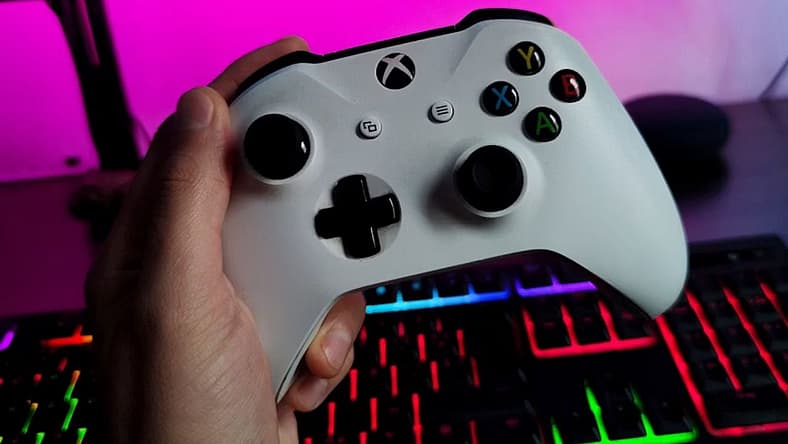
In her statement, she acknowledged the weight of the moment: "I recognize that a year-long restructuring creates additional challenges. Unfortunately, it is not possible to make all the necessary changes in a single day, and I wanted to be direct about the scale."
The response from the public and the industry has been mixed but largely appreciative of the candor. While the loss of 3,200 jobs is undeniably tragic for the individuals involved, investors and some segments of the gaming community have reacted with cautious optimism, viewing the "reset" as the necessary surgery required to keep the Xbox platform viable for the next decade.
The Broader Implications for the Industry
This "Great Reset" at Xbox serves as a cautionary tale for the "growth at all costs" era of the mid-2020s. For years, the industry operated under the assumption that infinite expansion was the path to dominance. Xbox’s current reversal suggests that the market is shifting back toward efficiency, profitability, and consolidation.
Impact on Game Pass
The most immediate question for consumers is what this means for the Xbox Game Pass subscription service. If studios are leaving and vendor spending is being slashed, can the service maintain its value proposition? Leadership maintains that the "streamlining" will actually result in a higher quality of content, as teams will no longer be bogged down by the bureaucracy of a massive, fragmented corporation.
The New Era of Management
The appointment of Helen Chiang as COO with total P&L authority represents a move toward a more traditional, top-down business model. By removing the "fragmented" nature of the company, Xbox is attempting to act more like a lean software publisher and less like a bloated conglomerate.
As we look toward the remainder of 2026 and into 2027, the success of this plan will hinge on whether the independent studios can survive without the direct financial support of Microsoft/Xbox, and whether the internal teams at Xbox can deliver consistent, high-margin software with a significantly smaller workforce.
The gaming industry is watching closely. If this strategy succeeds, it could become the blueprint for other tech giants struggling with the economic realities of the modern market. If it fails, it may be remembered as the moment the Xbox brand began its slow descent into irrelevance. For now, the "reset" is underway, and for thousands of employees and several storied studios, the landscape of the gaming world has changed forever.