Iffa Jayyana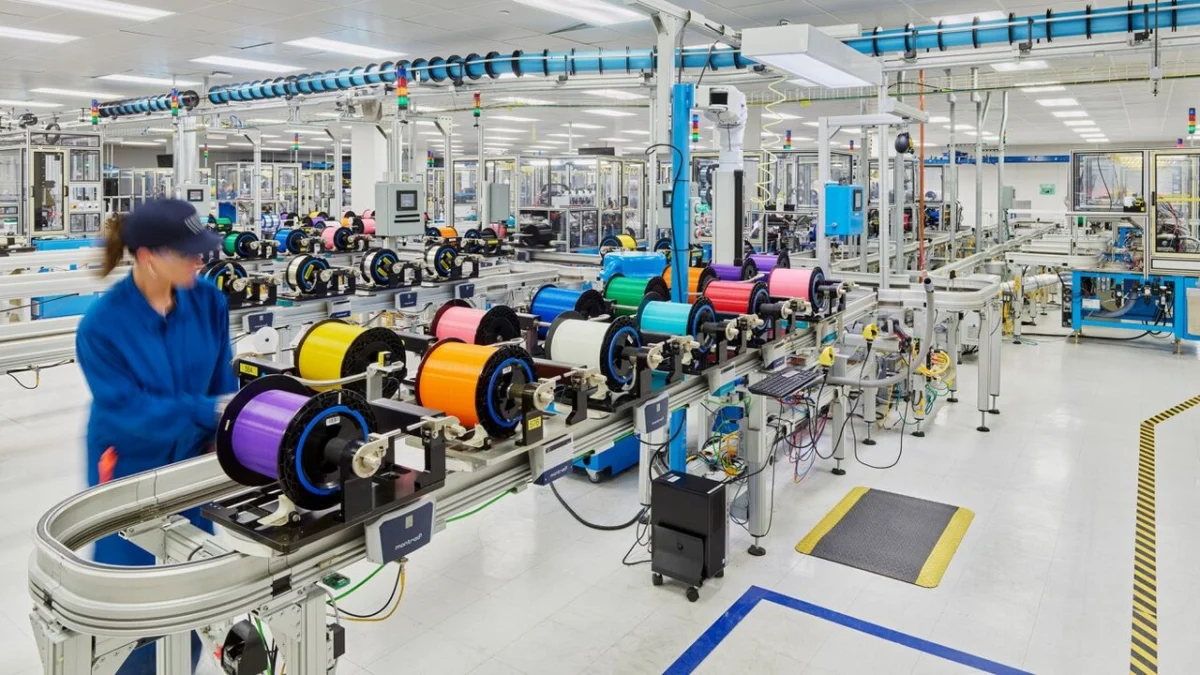
In a move that underscores the insatiable hunger for data-processing power, Amazon Web Services (AWS) has solidified a monumental, multi-year, multi-billion-dollar agreement with Corning Incorporated. This strategic partnership is designed to fortify the underlying infrastructure of the cloud, providing the high-bandwidth optical connectivity essential for the burgeoning Artificial Intelligence (AI) sector. As generative AI models grow in complexity and data centers expand to accommodate them, the "plumbing" of the internet—fiber-optic cable—has become as critical to modern industry as electricity.
The Core Agreement: Anchoring the AI Era
At its heart, the partnership between the global e-commerce and cloud computing giant and the 175-year-old materials science pioneer represents a massive capital injection into domestic American manufacturing. The agreement specifically aims to supply AWS’s rapidly scaling data center footprint with advanced fiber-optic cabling and connectivity solutions.
Beyond the hardware itself, the deal serves as a cornerstone for economic development in North Carolina. By fostering the construction of new manufacturing capabilities and expanding existing ones, the collaboration is set to create approximately 1,000 new jobs. These are not merely administrative positions; they are highly technical roles in specialized manufacturing, fusion splicing, and optical network maintenance, further cementing North Carolina’s status as a critical hub for global data infrastructure.
A Chronology of Connectivity: Building the Modern Network
The relationship between Amazon and Corning is not a sudden development but the culmination of a decade-long investment strategy in the United States.
- Foundational Investment: Over the past several years, Amazon has funneled more than $20 billion into the state of North Carolina, largely driven by the explosive growth of AWS. These investments have been instrumental in the creation of over 26,000 jobs across the state, ranging from logistical fulfillment centers to sophisticated data hubs.
- The Shift to AI: As of late 2023 and early 2024, the priority shifted toward AI-ready infrastructure. The industry recognized that traditional server architecture would soon become a bottleneck for Large Language Models (LLMs) and distributed computing.
- Architectural Innovation: Only weeks prior to the formal announcement of this deal, AWS unveiled its "Random Network Graph" architecture. This design, which replaces traditional hierarchical cable layouts with a more fluid, semi-random configuration, demands a significantly higher volume of optical fiber to maintain low-latency connections between thousands of interconnected GPUs.
- The Strategic Pact: The current multi-billion-dollar deal serves as the supply-chain backbone for this architectural transition, ensuring that AWS can scale its physical infrastructure at the same velocity as its AI software development.
Data and Infrastructure: Why Glass Matters
The "glass obsession" mentioned by industry analysts is not mere hyperbole. In the era of AI, the primary challenge is no longer just compute—it is the speed at which data can travel between thousands of chips.
The Bandwidth Bottleneck
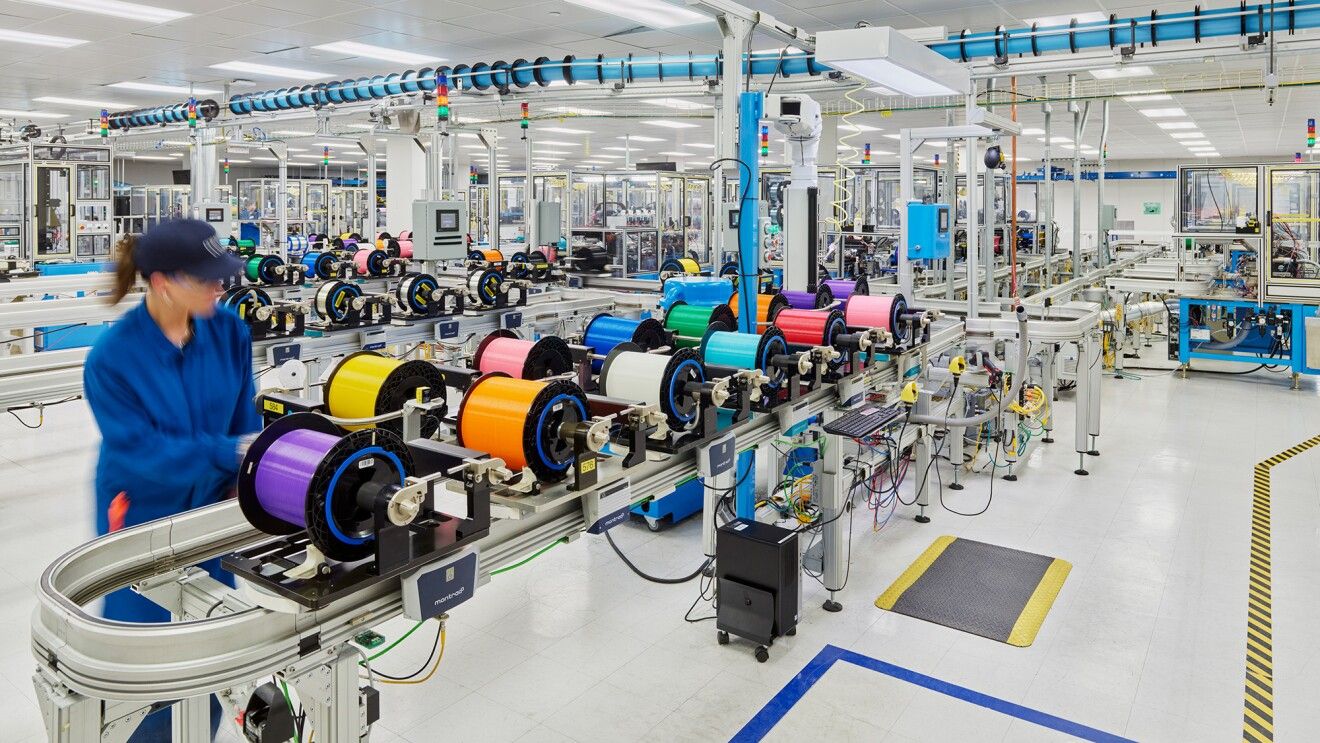
Modern AI training requires massive clusters of GPUs to communicate near-instantaneously. When data packets hit the physical limits of traditional networking cables, the resulting "jitter" or latency can render an entire server cluster inefficient. Optical fiber, particularly the advanced, low-loss variants produced by Corning, is the only medium capable of sustaining the terabit-per-second speeds required by modern data centers.
The Corning Advantage
Corning stands as the premier choice for companies like Amazon for three distinct reasons:
- Vertical Integration: Corning controls the manufacturing process from the raw glass batch to the finished cable, ensuring higher quality control and supply chain stability.
- Domestic Production: As geopolitical tensions complicate global supply chains, the ability to manufacture high-tech optical equipment within the United States is a significant strategic advantage for a US-based cloud provider.
- Innovation Lifecycle: Corning has maintained a research and development lead for nearly two centuries, consistently pushing the envelope on fiber density and installation ease.
The market has taken notice of these strengths. Corning’s stock has surged by nearly 95% year-to-date, reflecting a broader investor trend: while the "AI trade" began with chipmakers like Nvidia, the market is now pivoting toward the "infrastructure play"—the companies that provide the essential materials to build the physical foundation of the AI revolution.
Official Perspectives: The Synergy of Scale
The partnership was framed by leadership from both organizations as a win-win for regional economic development and technological progress.
Matt Garman, CEO of AWS, emphasized the long-term nature of the commitment. "Amazon’s investments in North Carolina have created more than 26,000 jobs across the state," Garman stated during the announcement. "This multibillion-dollar agreement with Corning continues that commitment, channeling investment into American manufacturing and creating 1,000 new jobs at their facilities near our data centers."
Garman also highlighted the importance of human capital, noting, "We’re also partnering to train North Carolinians for highly skilled roles in fiber optics and fusion splicing. These long-term investments create long-term careers and real opportunity in the communities where we operate."
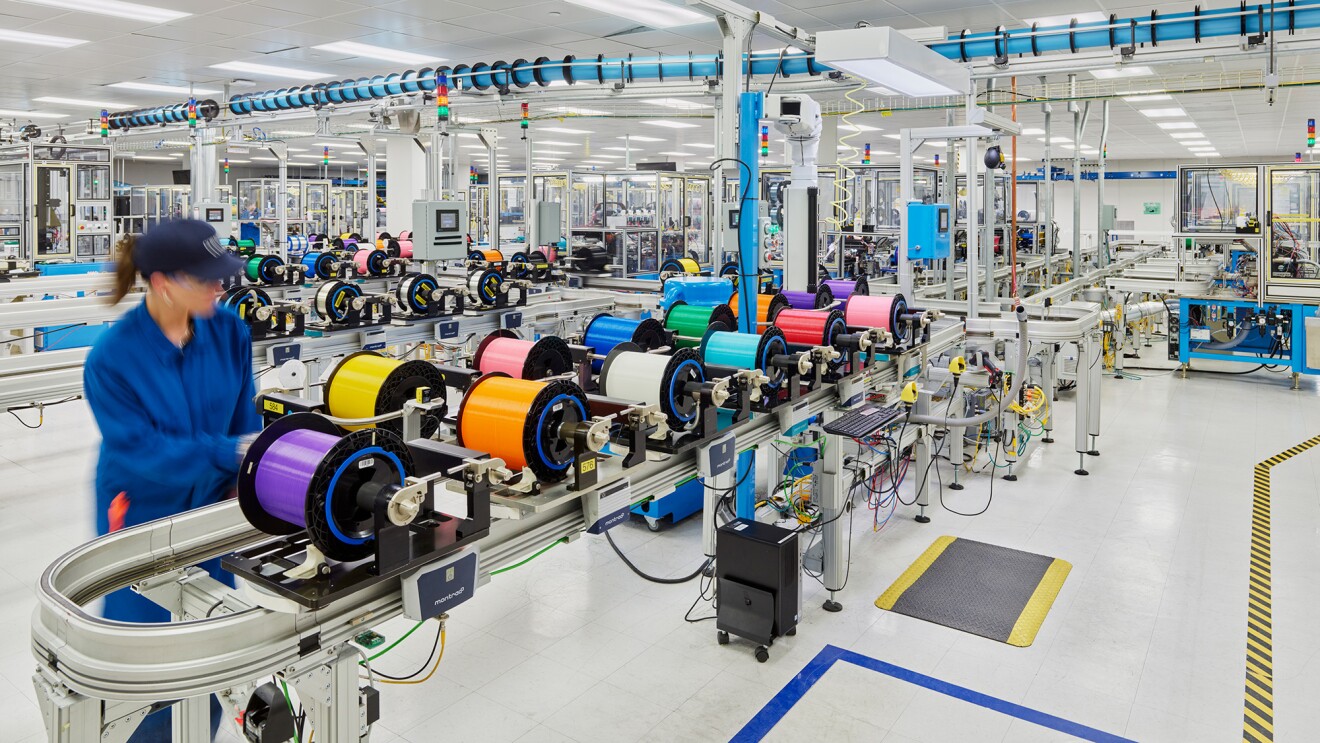
Corning’s leadership echoed these sentiments, noting that the expansion of the Fiber Optic Technician Training Program at Catawba Valley Community College will be instrumental in bridging the skills gap. By aligning corporate demand with local vocational training, the partnership aims to create a sustainable pipeline of talent capable of maintaining the complex, high-speed networks of the future.
Implications: The Broader AI Ecosystem
This deal is not happening in a vacuum. It is a microcosm of a much larger, global scramble to secure infrastructure.
The "Nvidia Effect"
Amazon is following a path partially blazed by Nvidia. The chip giant, which currently dominates the AI hardware space, has already made significant moves to secure its own supply chain for optical connectivity. Nvidia has invested over $3 billion in optical equipment manufacturing, specifically targeting a "10x increase" in US-based production capacity. This signals that the tech giants are no longer content to rely on general market availability; they are actively underwriting the creation of the hardware they need to survive.
The Future of Data Centers
The implications for the data center industry are profound:
- Consolidation: Smaller providers without the capital to enter into long-term, multi-billion-dollar supply agreements may struggle to keep pace with the infrastructure demands of the AI era.
- Regional Hubs: Data centers will increasingly cluster around regions with robust manufacturing and energy supplies. North Carolina, thanks to this partnership, is effectively insulating itself from the volatility of global logistics.
- Sustainability and Efficiency: Newer fiber-optic designs are not only faster but more energy-efficient, as they require less power to boost signals over long distances. This shift is critical as Amazon and other cloud providers face mounting pressure to reduce their carbon footprints despite increasing energy consumption.
Conclusion
The Amazon-Corning agreement is a watershed moment for American industrial policy and the tech sector at large. By anchoring AI development to domestic manufacturing, these companies are acknowledging that the digital future is inextricably linked to physical infrastructure. As we stand at the precipice of a new era of generative intelligence, the companies that control the flow of light through fiber will likely be the ones that define the boundaries of the digital world. The investment in North Carolina is more than just a business deal; it is the construction of the nervous system for the next century of technological innovation.

 Rifan Muazin
 Nila Kartika Wati