Nana Muazin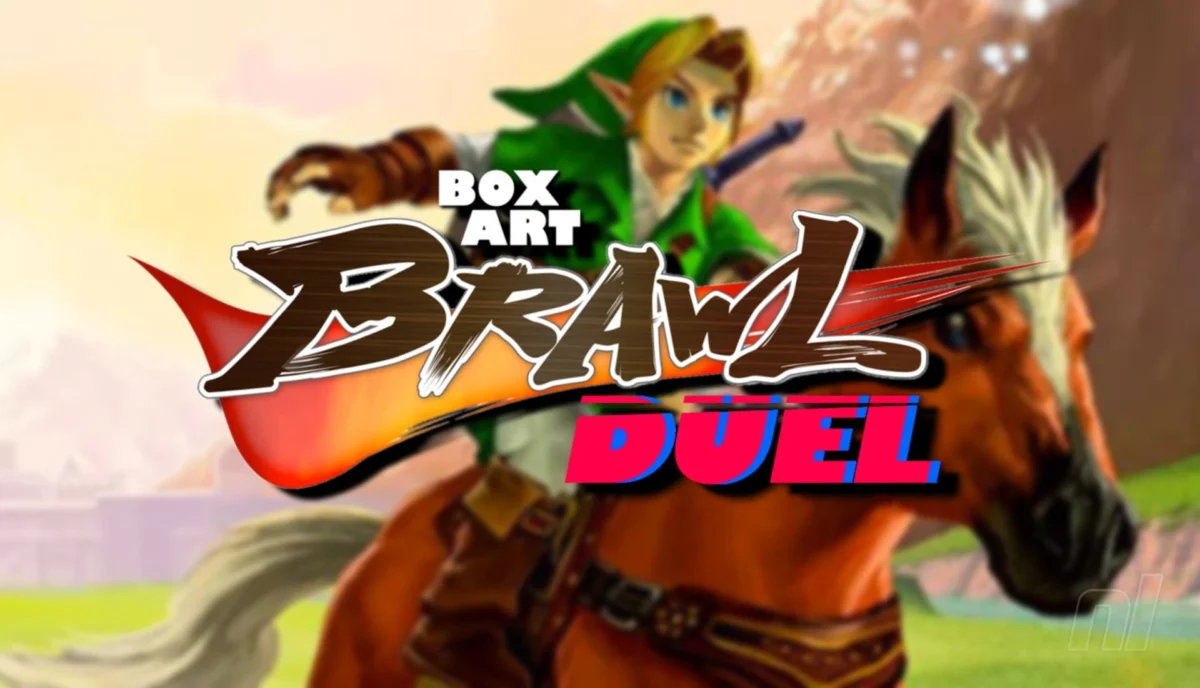
Introduction: A Familiar Battlefield in Hyrule’s Everlasting Forest
The hallowed grounds of Hyrule, a realm steeped in legend and adventure, once again become the arena for a fierce, yet beloved, competition. Nintendo Life’s "Box Art Brawl" series, a recurring fixture that pits regional packaging designs against each other for the adoration of fans, returns with a titan of gaming history: The Legend of Zelda: Ocarina of Time 3D. This particular installment is not just about aesthetic preference; it’s a nostalgic journey, a reflection on the enduring power of a masterpiece, and a timely examination of its visual representation, especially in light of a confirmed remake for the upcoming Switch 2 console. As we prepare to delve into the nuances of each design, it’s important to acknowledge the profound impact this 1998 N64 title has had on the gaming landscape, a legacy that the 3DS remake in 2011 sought to not only preserve but enhance for a new generation.
Recap of Past Engagements: The Victory of Action-Oriented Art
Before we set our sights on the legendary Ocarina, it’s prudent to look back at the most recent skirmish. Last week’s Box Art Brawl saw the 3DS rendition of Rayman 3D take center stage. In a predictable yet decisive outcome, the North American box art, characterized by its more dynamic and action-packed composition, claimed a resounding victory, capturing a remarkable 77% of the public vote. This result reinforces a recurring trend observed in these brawls: a preference for visuals that convey immediate excitement, clear character representation, and a sense of adventure. It’s a testament to how effective marketing can translate into fan preference, even for established franchises.
The Undeniable Legacy of Ocarina of Time: A Game That Defined a Generation
Before dissecting the box art for The Legend of Zelda: Ocarina of Time 3D, it is essential to understand the monumental significance of the original game. Released in 1998 for the Nintendo 64, Ocarina of Time is widely regarded as one of the greatest video games ever created. It revolutionized 3D adventure gaming, introducing innovative gameplay mechanics, a compelling narrative, and an immersive world that captured the imaginations of millions. Its impact on subsequent game design is immeasurable, setting benchmarks for storytelling, environmental design, and player agency that continue to influence developers today. The transition from 2D to 3D was handled with unparalleled grace, introducing concepts like Z-targeting, context-sensitive buttons, and a dynamic camera system that became industry standards. The epic scope of Link’s journey, from a young boy in Kokiri Forest to the Hero of Time destined to save Hyrule from the clutches of Ganondorf, resonated deeply with players, fostering an emotional connection that few games have ever achieved.
The 3DS Remake: A Modern Interpretation of a Timeless Classic
The 2011 release of The Legend of Zelda: Ocarina of Time 3D for the Nintendo 3DS was more than just a port; it was a meticulously crafted remake. Grezzo, the development studio, undertook the significant task of rebuilding the game from the ground up, enhancing the visuals with a higher polygon count, improved textures, and stereoscopic 3D effects that brought Hyrule to life in a new dimension. The gameplay was also subtly refined, with improvements to controls and the addition of features like the Boss Challenge mode. This remake served as a vital bridge, allowing a new generation of players to experience the magic of Ocarina of Time while also offering a visually and functionally superior version for long-time fans. The decision to revisit such an iconic title for a remake was met with anticipation and a healthy dose of skepticism, as the original’s perfection was a high bar to clear. However, the 3DS version was largely met with critical acclaim, proving that the timeless appeal of the game’s core design transcended its original platform.

The Approaching Horizon: Ocarina of Time on Switch 2
The recent confirmation of a full remake of Ocarina of Time for the Nintendo Switch 2 has injected a renewed sense of relevance into discussions surrounding the game’s visual presentation. This upcoming iteration promises to bring Link’s seminal adventure to the forefront of modern gaming technology, raising questions about how its iconic imagery will be translated to even higher fidelity. As we await the visual spectacle of the Switch 2 remake, it is only fitting to revisit the box art that accompanied the last major reimagining of the game, the 3DS version. This comparison offers a fascinating glimpse into regional artistic choices and how they aimed to capture the essence of a beloved game for their respective markets.
The Duel Commences: A Three-Way Contest for Hyrule’s Visual Crown
For The Legend of Zelda: Ocarina of Time 3D, the landscape of box art presentation is not a simple binary choice. While North America often stands alone in its design philosophy, Europe and Japan have a shared artistic vision for this particular title, creating a compelling three-way contest. This configuration presents a unique dynamic, allowing us to analyze the distinct approaches taken by the North American market versus the combined aesthetic sensibilities of Europe and Japan. The stage is set, and the contenders are ready to vie for the title of the definitive visual representation of Ocarina of Time 3D.
The Contenders: A Visual Analysis of Hyrule’s Box Art
North America: The Majestic Silhouette of Adult Link
The North American box art for The Legend of Zelda: Ocarina of Time 3D opts for a design that is both classic and evocative, drawing heavily on the established visual language of the Zelda franchise. The dominant feature is the silhouette of Adult Link, astride his loyal steed, Epona, captured in a moment of dynamic action as she rears onto her hind legs. This imagery is instantly recognizable to any fan of the series, evoking a sense of heroism and the boundless spirit of adventure.
The artistic execution is characterized by its elegance and understated approach. The background is kept relatively simple, focusing the viewer’s attention on Link and Epona. The use of a muted, almost sepia-toned palette for the foreground, contrasted with a subtly rendered Hyrulean landscape behind them, creates a sense of depth and grandeur without being overly busy. The gold border, a recurring motif in many Zelda releases, frames the image, adding a touch of regal sophistication and reinforcing the game’s status as a premium offering.
This design emphasizes the iconic status of Adult Link, the mature and battle-hardened hero who forms the core of the game’s narrative arc. Epona, his faithful companion, is depicted with power and grace, symbolizing the freedom and exploration that are central to the Ocarina of Time experience. The composition is clean and impactful, conveying the majesty and epic scope of the game in a manner that is both immediately understandable and deeply resonant with the series’ established visual identity. It’s a design that speaks to the core of what makes Link such an enduring hero: courage, companionship, and the vastness of the world he protects.
Strengths of the North American Design:

- Iconic Representation: Clearly showcases Adult Link and Epona, instantly recognizable symbols of the game.
- Elegant Simplicity: The uncluttered design allows the central figures to command attention.
- Classic Zelda Aesthetic: Utilizes familiar elements like the gold border, reinforcing brand identity.
- Sense of Majesty: The pose of Epona and the implied landscape convey grandeur and adventure.
- Understated Power: Communicates the epic nature of the game without resorting to overt action clichés.
This design is a testament to the power of focused imagery. It doesn’t need to shout; it conveys its message with a quiet confidence that speaks volumes about the game’s quality and its place in gaming history. It’s a visual handshake, a familiar embrace for those who know and love Hyrule, and an intriguing invitation for newcomers.
Europe / Japan: A Panoramic Tapestry of Hyrule’s Landscape
In contrast to the focused silhouette of the North American version, the box art shared by Europe and Japan for The Legend of Zelda: Ocarina of Time 3D embraces a more expansive and cinematic approach. This design presents a sweeping vista of Hyrule Field, teeming with detail and capturing the rich geography of the game’s overworld.
The central focus is Link, once again astride Epona, but this time in motion, galloping across the open plains. The composition is designed to showcase the breadth and diversity of Hyrule. To the right, the imposing silhouette of Death Mountain looms, a constant reminder of the game’s varied environments and challenges. On the left, the familiar structures of Lon Lon Ranch are visible, hinting at the game’s early, more pastoral moments and the characters who inhabit them. In the distant center, the majestic Hyrule Castle stands as the ultimate objective, a beacon of hope and the heart of the kingdom.
This artwork is a meticulously rendered panorama, aiming to evoke a sense of place and immersion. The colors are vibrant yet naturalistic, reflecting the beauty of Hyrule’s diverse landscapes. The inclusion of specific landmarks serves to ground the artwork in the game’s world, offering a visual guide to the journey players are about to embark upon. It’s an image that speaks to the exploration and discovery that are fundamental to the Ocarina of Time experience.
Strengths of the European/Japanese Design:
- Cinematic Scope: Presents a wide, immersive view of the game’s world.
- Detailed Representation: Accurately depicts key geographical features of Hyrule.
- Sense of Place: Evokes the feeling of being within the game’s expansive world.
- Evokes Exploration: The open field and distant landmarks encourage a sense of journey.
- Beautiful Artwork: The visual quality is high, making it appealing as a standalone piece of art.
This design is an invitation to explore. It doesn’t just show the hero; it shows the world he inhabits, the challenges he will face, and the distant goal he strives to reach. It’s a more detailed narrative in a single image, appealing to those who appreciate the rich world-building and the sense of grand adventure that Ocarina of Time is renowned for.
Chronology and Context: The Evolution of Ocarina of Time’s Visual Identity
The Genesis of an Icon: The Original N64 Box Art
To truly appreciate the 3DS box art, it’s crucial to remember the visual presentation of the original Nintendo 64 release of The Legend of Zelda: Ocarina of Time. The N64 box art, particularly in North America, featured a striking image of Adult Link wielding the Master Sword and Hylian Shield, standing defiantly against a backdrop of swirling energy and the ominous silhouette of Ganondorf. This design was bold, action-oriented, and clearly communicated the epic struggle at the heart of the game. It established a powerful visual identity that resonated with a generation of gamers.
The European and Japanese N64 box art also presented Link in a heroic pose, often with the Master Sword, but sometimes with a slightly different emphasis on his surroundings or a more stylized approach to the character. However, the core message remained consistent: Link as the valiant hero destined to save Hyrule.

The 3DS Remake: A New Canvas for a Timeless Tale
The release of The Legend of Zelda: Ocarina of Time 3D in 2011 marked the first significant visual overhaul of the game’s box art for a major platform. The decision to create distinct regional designs for the 3DS version reflects a strategic approach to marketing, recognizing that different audiences might respond to different visual cues.
North America’s Choice: The Majestic Gold Standard
The North American design for the 3DS remake can be seen as a deliberate evolution of the original N64’s iconic imagery. By focusing on the regal silhouette of Adult Link and Epona against a more subdued backdrop, the designers aimed to convey a sense of timeless elegance and the inherent majesty of the Legend of Zelda. The gold border, a consistent element in many Zelda releases, further amplifies this sense of prestige and importance. This choice likely aimed to appeal to the established fanbase, offering a familiar yet refined visual that instantly evokes the game’s enduring legacy. It’s a design that says, "This is the Ocarina of Time you know and love, presented with grace and power."
Europe and Japan’s Shared Vision: A World Unveiled
The shared European and Japanese design, on the other hand, took a different tack. Instead of focusing on a singular heroic figure, it opted for a broader, more scenic depiction of Hyrule. This approach emphasizes the vastness and richness of the game’s world, inviting players to immerse themselves in its detailed landscapes. By showcasing Hyrule Field, Death Mountain, Lon Lon Ranch, and Hyrule Castle, the artwork serves as a visual summary of the player’s journey, hinting at the exploration and discovery that await them. This design appeals to a desire for immersion and a deep connection with the game’s environment. It communicates, "This is the world you will explore, a place of beauty and wonder, filled with adventure at every turn."
The decision for Europe and Japan to share a design suggests a shared cultural appreciation for certain artistic styles or marketing strategies within those regions. This could be influenced by historical trends in game packaging, a common understanding of what constitutes an appealing visual for adventure games, or simply a pragmatic decision by Nintendo to streamline regional marketing efforts.
The Shadow of the Switch 2 Remake
The recent announcement of a full remake of Ocarina of Time for the Nintendo Switch 2 casts a long shadow over the 3DS box art. This upcoming iteration will undoubtedly feature cutting-edge graphics, pushing the boundaries of visual fidelity for this beloved title. As developers craft the visual identity for this new generation of Ocarina of Time, the decisions made for the 3DS box art will undoubtedly serve as a point of reference, a historical marker in the game’s visual evolution. It raises the question: will the Switch 2 remake adopt a more focused, heroic depiction, or will it lean into a grand, world-centric presentation, or perhaps forge an entirely new visual path?
Supporting Data and Fan Reception: The Unseen Influence of Box Art
While objective metrics for box art success can be elusive, several factors contribute to its perceived effectiveness and influence on consumer perception. In the context of The Legend of Zelda: Ocarina of Time 3D, the box art plays a crucial role in attracting both new players and longtime fans.

Nostalgia as a Driving Force
For many, Ocarina of Time is a deeply personal and nostalgic experience. The game was a formative title for a generation of gamers, and its iconic imagery is intrinsically linked to those cherished memories. Box art that effectively taps into this nostalgia can evoke strong positive emotions, acting as a powerful draw.
- North American Design: The silhouette of Adult Link and Epona, while distinct from the N64 original, still carries echoes of that heroic iconography. For fans who grew up with the game, this imagery can instantly trigger a flood of positive memories, making the 3DS version feel like a welcome return to a familiar, beloved world. The gold border further enhances this sense of returning to a treasured artifact.
- European/Japanese Design: This design, with its sweeping panorama, appeals to the memory of exploration and discovery that defined the game. For those who recall spending hours traversing Hyrule Field, this visual representation serves as a potent reminder of the vastness and freedom they experienced. It evokes the feeling of embarking on a grand adventure, a sentiment that is central to the game’s enduring appeal.
Marketing Strategies and Target Audiences
Regional box art differences are not arbitrary; they are often the result of careful market research and strategic marketing decisions. Developers and publishers aim to create packaging that will resonate most effectively with the target audience in each specific region.
- North America: The preference for action-oriented and hero-centric imagery in North American markets is a well-documented trend. The North American Ocarina of Time 3D box art aligns with this by presenting a clear, heroic figure in a dynamic pose. This approach aims to convey power, adventure, and the promise of an epic journey, which has historically proven successful in capturing the attention of the American gaming audience. The understated elegance can also be interpreted as a sign of confidence in the game’s established reputation, allowing the iconic imagery to speak for itself.
- Europe and Japan: The shared design for Europe and Japan suggests a potentially different marketing emphasis or a convergent aesthetic preference. The cinematic panorama might be seen as appealing to a broader audience that appreciates detailed world-building and a sense of immersion. In regions where the appreciation for environmental artistry and narrative depth in games is particularly strong, such a design could be highly effective. It speaks to the intrinsic beauty of the game’s world and the expansive nature of its narrative.
The Unseen Impact on Purchase Decisions
While direct causality is hard to prove, box art undoubtedly plays a role in the consumer’s decision-making process. In a retail environment, it is often the first point of contact a potential buyer has with a game.
- Initial Appeal: A striking and well-executed box art can capture a shopper’s attention, prompting them to investigate the game further. For Ocarina of Time 3D, both designs succeed in being visually appealing, albeit in different ways.
- Conveying Game Essence: The box art is expected to convey the core themes and genre of the game. The North American design clearly communicates "heroic adventure," while the European/Japanese design emphasizes "exploration and world immersion." Both are valid interpretations of Ocarina of Time.
- Brand Recognition: For established franchises like Zelda, box art also serves to reinforce brand identity. The inclusion of familiar motifs and character designs helps to leverage the existing goodwill and recognition associated with the series.
Ultimately, the success of a box art design is a complex interplay of aesthetic appeal, marketing strategy, and the emotional resonance it holds for the consumer. Both designs for Ocarina of Time 3D offer compelling arguments for their effectiveness, catering to different but equally valid aspects of the game’s enduring appeal.
Official Responses and Developer Intent: Crafting the Visual Narrative
While Nintendo rarely issues explicit "official responses" to specific regional box art choices in the way one might expect for a gameplay feature, the consistent patterns and shared designs across regions offer insights into their overarching marketing philosophy and the intent behind these visual choices.
A Deliberate Approach to Regional Appeal
The existence of distinct regional box art for major Nintendo titles is a long-standing practice. This isn’t an accidental occurrence but a deliberate strategy to tailor marketing efforts to the perceived preferences and cultural nuances of different markets.
- Nintendo’s Marketing Philosophy: Nintendo has historically been adept at understanding its diverse global audience. The decision to create separate box art for North America versus Europe/Japan for Ocarina of Time 3D demonstrates a nuanced approach. It suggests that the company believes different visual styles will have a stronger impact in these respective markets. This is not about one being "better" than the other, but about which design is deemed most effective in its intended territory.
- Consistency within Regions: The fact that Europe and Japan share the same design is also significant. It implies that, for this particular title, there was a perceived alignment in aesthetic sensibilities or marketing priorities between these two major markets. This could be due to shared cultural appreciation for certain artistic styles, or it could be a strategic decision to streamline production and promotional materials.
The Intent Behind the Imagery
The choice of imagery on the box art is never arbitrary; it is carefully selected to evoke specific feelings and convey key aspects of the game.
- North America: The Heroic Archetype: The North American design, with its focus on the majestic silhouette of Adult Link and Epona, clearly leans into the established heroic archetype of Link. This is a powerful and universally recognized symbol of courage and adventure. The intent is to immediately communicate the core identity of the protagonist and the epic nature of his quest. It’s a design that says, "This is the hero. This is the legend."
- Europe/Japan: The Immersive World: The European and Japanese design, with its panoramic view of Hyrule, aims to highlight the game’s world-building and the sense of exploration. By showcasing iconic landmarks like Death Mountain and Lon Lon Ranch, the developers are inviting players to envision themselves traversing this rich and detailed landscape. The intent here is to convey the vastness of the adventure and the immersive quality of Hyrule itself. It’s a design that says, "This is the world you will explore. This is the adventure."
The Legacy of Art Direction
The art direction for Ocarina of Time 3D was handled by Grezzo, a studio known for its meticulous work on Nintendo titles. Their involvement in the remake suggests a deep understanding and respect for the original game’s aesthetic while also bringing a fresh perspective.

- Respecting the Source Material: Both box art designs show a clear reverence for the original game. The North American design echoes the heroic stances seen in previous Zelda titles, while the European/Japanese design captures the spirit of exploration that defined the N64 original.
- Modernizing the Appeal: The 3DS remake was an opportunity to present this timeless story with updated visuals. The box art needed to reflect this enhanced presentation while remaining true to the spirit of the game. The clean, polished execution of both designs indicates a deliberate effort to create artwork that is both contemporary and enduring.
While official statements directly analyzing the box art are rare, the consistent strategies and artistic choices employed by Nintendo in its regional marketing speak volumes about their intent: to create visually compelling packaging that resonates with the specific tastes and expectations of their global audience, all while staying true to the core essence of the legendary game.
Implications: A Timeless Debate and the Future of Hyrule’s Visual Identity
The ongoing "Box Art Brawl" for The Legend of Zelda: Ocarina of Time 3D transcends a simple aesthetic preference; it touches upon fundamental aspects of game design, marketing, and the enduring power of iconic imagery. The implications of this comparison are multifaceted, offering insights into fan engagement, regional marketing strategies, and the evolving visual landscape of one of gaming’s most beloved franchises.
The Enduring Power of Regional Design Choices
The continued existence of distinct regional box art for major game releases, even in an increasingly globalized market, highlights the persistent belief among publishers that tailored visual presentations can yield greater impact.
- Targeted Appeal: The differing designs for North America versus Europe/Japan suggest that publishers believe these variations are necessary to connect with specific cultural sensibilities and marketing trends. The North American preference for a clear, heroic focus and the European/Japanese inclination towards a more expansive, cinematic world view are not merely stylistic choices but strategic decisions aimed at maximizing appeal in their respective markets.
- Fan Engagement and Debate: These differences also fuel fan engagement and debate, as seen in the "Box Art Brawl" itself. Fans have strong opinions about which design best represents their experience with the game, leading to lively discussions and a deeper appreciation for the nuances of game packaging. This debate underscores the emotional connection players have with the visual identity of their favorite games.
The Impact of Nostalgia and Evolving Expectations
Ocarina of Time is a game deeply intertwined with nostalgia for a significant portion of the gaming population. The box art, therefore, carries the weight of expectation and memory.
- Balancing Nostalgia and Modernity: Both box art designs for the 3DS remake attempt to balance the need to evoke the original game’s spirit with the desire to present a modern interpretation. The North American design leans into the established heroic iconography, while the European/Japanese design emphasizes the world that players remember exploring. The success of these designs lies in their ability to tap into that nostalgia while also feeling fresh and appealing to a new audience.
- The Shadow of the Switch 2 Remake: The impending remake for the Switch 2 amplifies the implications of this discussion. As Nintendo prepares to reintroduce Ocarina of Time to a new generation with state-of-the-art graphics, the choices made for its box art will be under even greater scrutiny. Will the new design lean towards the heroic focus of the North American 3DS art, the expansive world view of the European/Japanese version, or forge an entirely new path? The success of the 3DS box art in capturing the game’s essence provides a valuable benchmark for this future endeavor.
The Art of Game Packaging in the Digital Age
In an era where digital downloads are increasingly prevalent, the physical box art might seem less crucial. However, its enduring importance cannot be overstated.
- First Impressions Matter: Even in digital storefronts, artwork remains the primary visual representation of a game. A compelling image can still draw players in, prompting them to learn more about a title.
- Brand Identity and Legacy: Box art is a crucial component of a game’s overall brand identity and its legacy. The iconic imagery associated with Ocarina of Time, regardless of the specific regional variation, contributes to its status as a timeless masterpiece. The "Box Art Brawl" itself is a testament to the lasting impact these visual elements have on fans.
The comparison of the North American and European/Japanese box art for The Legend of Zelda: Ocarina of Time 3D serves as a fascinating case study in the art of game packaging. It demonstrates the strategic thinking behind regional marketing, the power of iconic imagery to evoke nostalgia and excitement, and the enduring importance of visual presentation in the gaming landscape. As Hyrule prepares for its next grand adventure on the Switch 2, the lessons learned from these past visual interpretations will undoubtedly inform the creation of new imagery, ensuring that the legend of Ocarina of Time continues to captivate and inspire for generations to come.

 Lina Irawan
 Sagoh
Sagoh