Sagoh
Sagoh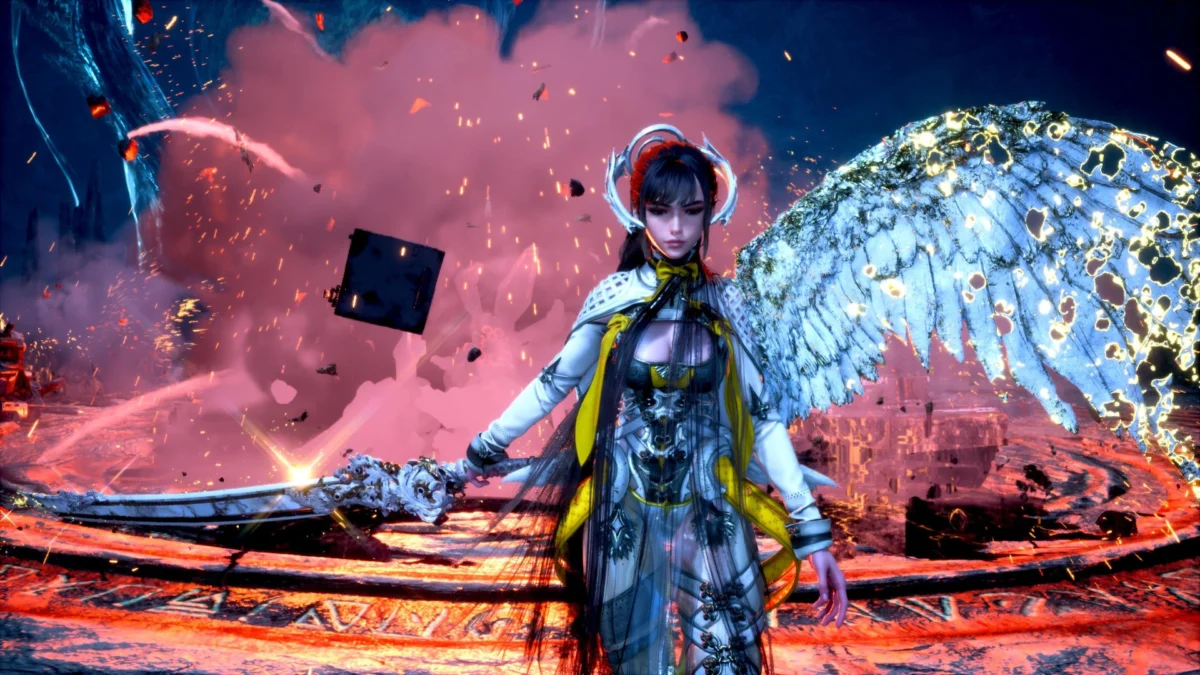
The South Korean developer Shift Up, buoyed by the runaway commercial and critical success of its flagship action-RPG Stellar Blade, has officially pulled back the curtain on its strategic roadmap for the coming years. Following the release of its Q1 2026 financial report, the studio confirmed that it is shifting its operational paradigm, moving toward a self-publishing model for its upcoming major projects. With both a Stellar Blade sequel and the highly anticipated new IP, Project Spirits (formerly known as Project Witches), currently in the pipeline, the industry is closely watching how this ambitious studio transitions from a successful developer to a global publishing powerhouse.
Main Facts: A New Era for Shift Up
The recent financial disclosures provide the first concrete confirmation of what many in the industry had only speculated: Shift Up is doubling down on its own intellectual property. The studio’s Q1 2026 results highlight two primary pillars of growth.
First, the Stellar Blade sequel is confirmed to be in active, "smooth" development. The studio is prioritizing high-fidelity production standards, ensuring that the visual and mechanical excellence of the first entry is not only maintained but elevated. Most notably, Shift Up intends to move away from the traditional third-party publishing model used for the original game, opting instead to handle the global publishing duties internally for the sequel.
Second, the developer offered a status update on Project Spirits. This title represents a significant diversification for the studio. Moving away from the high-octane, single-player action of Stellar Blade, Project Spirits is being developed as a cross-platform "Eastern Fantasy" experience. It is currently being built on Unreal Engine 5, with the studio aiming to launch the title simultaneously across PC, consoles, and mobile platforms.
Chronology: From ‘Project Eve’ to Global Expansion
To understand the weight of these announcements, one must look at the meteoric rise of Shift Up over the last few years.
- 2022–2023: The Foundation. Shift Up gained international recognition through the success of Goddess of Victory: NIKKE. This mobile hit provided the capital and technical expertise required to scale the company’s ambitions.
- April 2024: The Breakthrough. The release of Stellar Blade on PlayStation 5 served as a global calling card. The game’s combat mechanics and character design resonated with a broad audience, cementing Shift Up as a premier developer of high-end action titles.
- Late 2025: Rumors regarding the sequel and "Project Witches" began circulating, as job postings at Shift Up emphasized the need for "publishing-side" experience.
- Q1 2026: Official Roadmap. The Q1 2026 financial report officially rebranded "Project Witches" as Project Spirits and confirmed the internal shift toward self-publishing for all future "UNBOUND" projects.
- 2026–2027: The current timeline indicates that 2026 will serve as a year of "reveals" and deeper marketing campaigns, with Project Spirits currently eyeing a 2027 release window.
Supporting Data: Why Self-Publishing Matters
Shift Up’s decision to transition to a self-publishing model is a calculated move supported by their recent financial performance. By retaining the publishing rights, Shift Up gains several strategic advantages:
- Revenue Retention: Rather than sharing a significant percentage of net profits with a platform-holder or third-party publisher, the studio will retain the lion’s share of its revenue. This capital can be reinvested into larger development cycles.
- Marketing Control: The studio has expressed a desire to present its "universe and style" to a global audience without the filtered messaging of a third-party entity. This ensures that the artistic vision remains consistent across all regions.
- Direct Feedback Loops: By managing the launch and operation of its games, Shift Up can collect direct, unfiltered data from players, allowing for more agile post-launch support and community engagement.
The company is currently undergoing a hiring surge, specifically targeting "global talent with experience in launching and operating major titles worldwide." This recruitment drive is a clear indicator that the studio is building the infrastructure necessary to support large-scale, live-service, and multi-platform launches simultaneously.
Official Responses and Strategic Intent
In the official statement accompanying their financial results, Shift Up emphasized that the transition to self-publishing is not merely a financial decision but a professional one. They noted that the opportunity to bring their own titles to market on a global scale has become a "compelling draw" for top-tier industry talent.
"We intend to self-publish (first-party service) both the next Stellar Blade title and UNBOUND’s titles," the company stated. "To support this, we are continuously bringing on board global talent with experience in launching and operating major titles worldwide."

This language suggests that Shift Up is positioning itself to be a permanent fixture in the gaming landscape, potentially evolving into a publisher that could eventually support other developers, though that remains speculative for the time being. The focus remains, for now, on "strengthening in-house publishing capabilities" to ensure the Stellar Blade franchise and Project Spirits meet the highest standards.
Implications: The Future of the Stellar Blade Universe
The implications of these updates are profound for the gaming industry.
The Stellar Blade Legacy
The sequel is expected to expand upon the lore established in the first game. With the studio now having full creative and publishing control, fans can expect the sequel to potentially lean deeper into the "Eastern Fantasy" aesthetic that is also being explored in Project Spirits. The studio’s commitment to "high quality standards" suggests that the technical fidelity seen on the PlayStation 5 will likely be the baseline, with potential optimizations for high-end PC hardware, which would be a logical step for a self-published title.
The Rise of Project Spirits
Project Spirits represents a bold pivot. By utilizing Unreal Engine 5 for a cross-platform release, Shift Up is attempting to capture a massive, diverse demographic. The inclusion of potential turn-based elements—a departure from the hack-and-slash nature of Stellar Blade—indicates that Shift Up is not content with being a "one-trick pony."
The involvement of a Tencent affiliate in the development of Project Spirits adds an interesting layer to the project. While Shift Up is the lead, this collaboration provides the necessary resources to ensure the game functions seamlessly across mobile and console hardware, a significant technical hurdle for any developer. The reported similarity to Clair Obscur: Expedition 33 suggests that the game will focus heavily on cinematic, high-budget turn-based combat, a genre that has seen a resurgence in popularity among core gamers.
Global Market Dynamics
By managing its own publishing, Shift Up is signaling to other independent studios that the "middle-market" barrier to entry is crumbling. If a studio as focused as Shift Up can successfully transition to self-publishing, it could inspire other mid-sized developers in the Asian market to follow suit, potentially leading to a shift in how games are brought to the West.
Conclusion: A Year of Anticipation
As the industry moves through 2026, the focus will undoubtedly be on the "more details" that Shift Up has promised. Whether it is the specific gameplay mechanics of the Stellar Blade sequel or the first official trailer for Project Spirits, the developer has successfully built a high level of anticipation.
For the players, the message is clear: Shift Up is growing. The studio is moving from the experimental phases of its early history into a mature, self-sufficient entity. While the wait for these titles may extend into 2027 and beyond, the transparency shown in their Q1 2026 report provides a roadmap that is both ambitious and grounded in tangible, professional growth. For fans of high-action, high-fidelity gaming, the next few years promise to be a transformative period for one of the most exciting studios in the business.


 Asro
Asro
 Muslim