Azzam Bilal Chamdy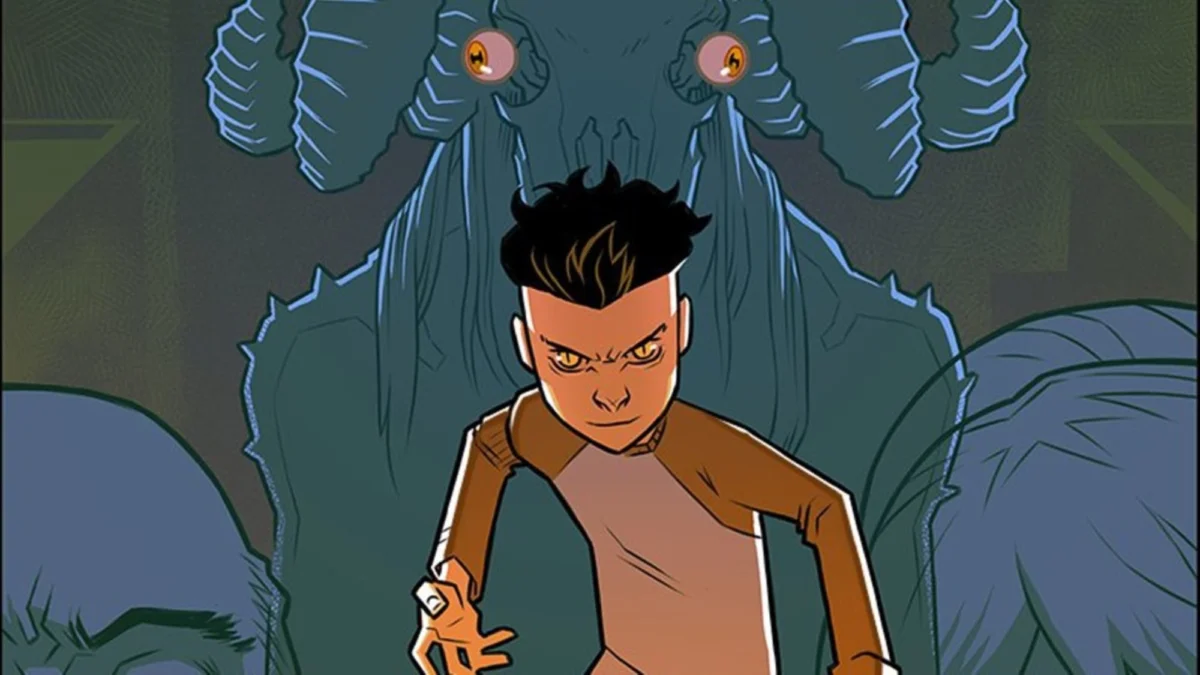
In the evolving landscape of 21st-century media, the traditional "direct market" of comic books—dominated by monthly floppies sold in specialty shops—is no longer the sole barometer for success. While industry veterans often equate the health of the medium with the performance of DC or Marvel’s latest releases, a quiet revolution is taking place on digital platforms. Among those leading the charge is prolific writer Justin Jordan, a stalwart of the independent and work-for-hire scenes, who has found a massive, global audience for his hit Webtoon series, Urban Animal.
With over 100,000 readers per week and a subscriber base approaching half a million, Urban Animal serves as a compelling case study for how modern creators are pivoting away from legacy distribution models to embrace the sheer scale of the webcomic ecosystem.
A Career Defined by Evolution
Justin Jordan is a name synonymous with grit and high-octane storytelling. Having cut his teeth on legendary runs for DC Comics—including Curse of Brimstone, Sideways, New Guardians, Superboy, and Team 7—and breathing new life into Valiant’s Shadowman, Jordan has long been a fixture of the traditional industry. His independent portfolio, highlighted by the breakout hit Luther Strode and the post-apocalyptic Spread at Image Comics, cemented his reputation as a creator-owned powerhouse.
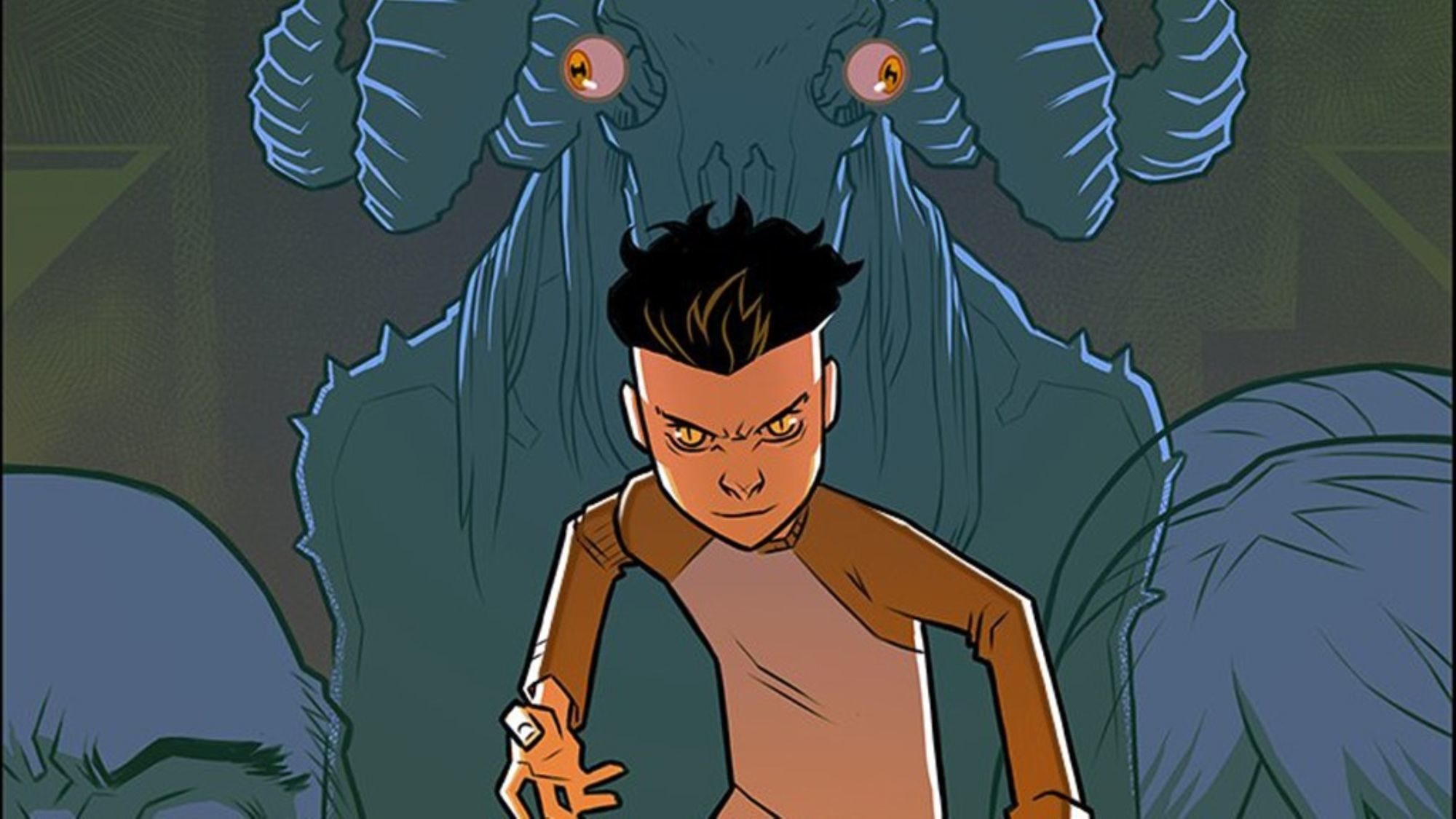
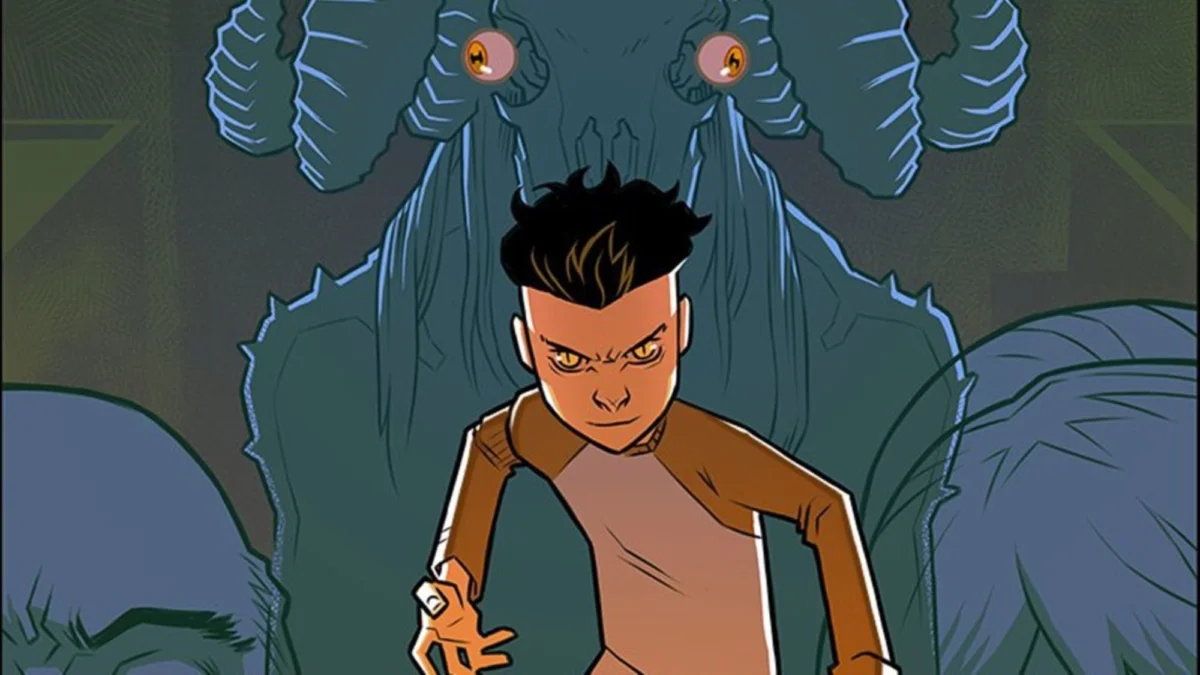
However, Jordan’s transition to Webtoon with artist John Amor and letterer Micah Myers represents a significant departure from his previous career trajectory. While his work in the direct market garnered critical acclaim, the reach of Urban Animal dwarfs his previous efforts in terms of pure, weekly engagement. The series, which follows high-schooler Joe Gomez as he navigates the tumultuous discovery that he is a shape-shifting Chimera, has tapped into a demographic that often bypasses local comic shops entirely.
The Numbers Game: Webtoon vs. The Direct Market
To understand the significance of Jordan’s success, one must look at the data. In the direct market, a "hit" comic might sell tens of thousands of units, often struggling to maintain momentum after the initial hype cycle of an issue’s release. By contrast, Urban Animal boasts approximately 465,000 subscribers on the Webtoon platform.
Jordan is careful to distinguish between subscribers and active readers. "We seem to cruise along at somewhere between 80 and 100,000 readers a week," Jordan notes. While these numbers might seem disparate compared to print, the comparison is essentially "apples to oranges." Direct market comics are paid, tangible goods with a fixed barrier to entry. Urban Animal is free-to-read, removing the financial friction that prevents many younger or casual readers from engaging with serialized fiction.
Furthermore, the scale of top-tier webcomics is staggering. With series like Let’s Play reaching over 3.7 million subscribers, the web-based model provides a level of market penetration that physical print media hasn’t seen in decades, if ever. For Jordan, this provides a platform that is not only vast but also sustainable.
Monetization in a Free-to-Read Ecosystem
The primary question surrounding digital comics has always been one of sustainability: How do you monetize content that is free? For Urban Animal, the answer lies in a hybrid model. Webtoon provides a license fee per episode, reflecting a professional, contractual relationship between the platform and the creator. This is bolstered by a share of advertising revenue and the "Fast Pass" program.
The Fast Pass system allows dedicated fans to pay a nominal fee—roughly 50 cents—to access episodes before they are released to the general public. While Jordan remains tight-lipped regarding exact earnings, he confirms that the platform provides a financial return comparable to his writing work for major publishers like DC.
"If you work out all the income we as yet have coming in from Webtoons, my part of that is usually almost identical to what I’d get paid to write a comic for DC for the same amount of content," Jordan explains. "It’s considerably more than I’d make from many of my creator-owned books, at least on a per-issue basis."
The Shift Toward Licensing and Intellectual Property
A crucial distinction in Jordan’s business model is the nature of the rights. In the traditional direct market, creators often trade away ownership or partial rights to publishers in exchange for the capital required to produce and distribute a book.
Urban Animal operates more like the prose publishing industry. Jordan retains the rights to his work, licensing them to Webtoon for a specific period. This allows him to pursue secondary revenue streams—such as merchandise—simultaneously with the digital release. As the series enters its third season, the cumulative volume of content will eventually surpass the standard output of a traditional miniseries, creating a long-term asset that will likely outperform his past ventures in terms of total lifetime value.
Crowdfunding: The New Print Frontier
Despite the digital-first strategy, the appetite for physical media remains strong. Recognizing this, Jordan has turned to Kickstarter to bridge the gap between his digital audience and the desire for high-quality, trade-paperback collections. Partnering with Rocketship Entertainment—a company that has successfully brought massive webcomics to print—Jordan is treating the print edition of Urban Animal as a premium product.
This shift toward crowdfunding is not merely a hobbyist’s endeavor; it is a calculated business move. With high-profile creators like Scott Snyder embracing platforms like Kickstarter, the industry is seeing a normalization of direct-to-fan funding. For Jordan, the goal is simple: he wants to reach the fans who want to hold the story in their hands without sacrificing the creative freedom he’s found online.
"We’re collecting the entire first season, which works out to somewhere over two hundred pages," Jordan says. By launching a campaign to fund the physical printing and distribution, he bypasses the traditional publisher bottleneck, ensuring that the final product meets his exacting standards while directly benefiting from the support of his most loyal readers.
Implications for the Future of Comics
The success of Urban Animal suggests that the comic book industry is at an inflection point. The "death of comics" narrative, often fueled by the decline of physical newsstand sales or the volatility of the direct market, ignores the massive, decentralized growth of digital platforms.
For creators, the implications are profound:
- Audience Access: The "free-to-read" model serves as a massive funnel, allowing for greater discovery than the pay-walled model of specialty shops.
- Global Reach: Digital platforms remove geographic barriers, allowing a writer in the US to reach millions of readers in international markets instantly.
- Control: By treating comics like short stories or serialized novels, creators can retain IP rights and explore multiple revenue streams, from digital subscriptions to premium print editions.
As Jordan continues his journey with Urban Animal, he stands as a testament to the fact that comics aren’t disappearing—they are simply changing their form. The "hustle," as he puts it, remains the same, but the playing field has expanded exponentially. For a creator like Justin Jordan, who has mastered the art of the direct market, the digital future is not just an alternative—it is the next great frontier.
Whether you are a lifelong fan of his work on Luther Strode or a newcomer curious about the hype surrounding Urban Animal, one thing is clear: the model of the future is here, it’s being read by millions, and it’s evolving every single Saturday.

 Reynand Wu
 Asro
Asro