

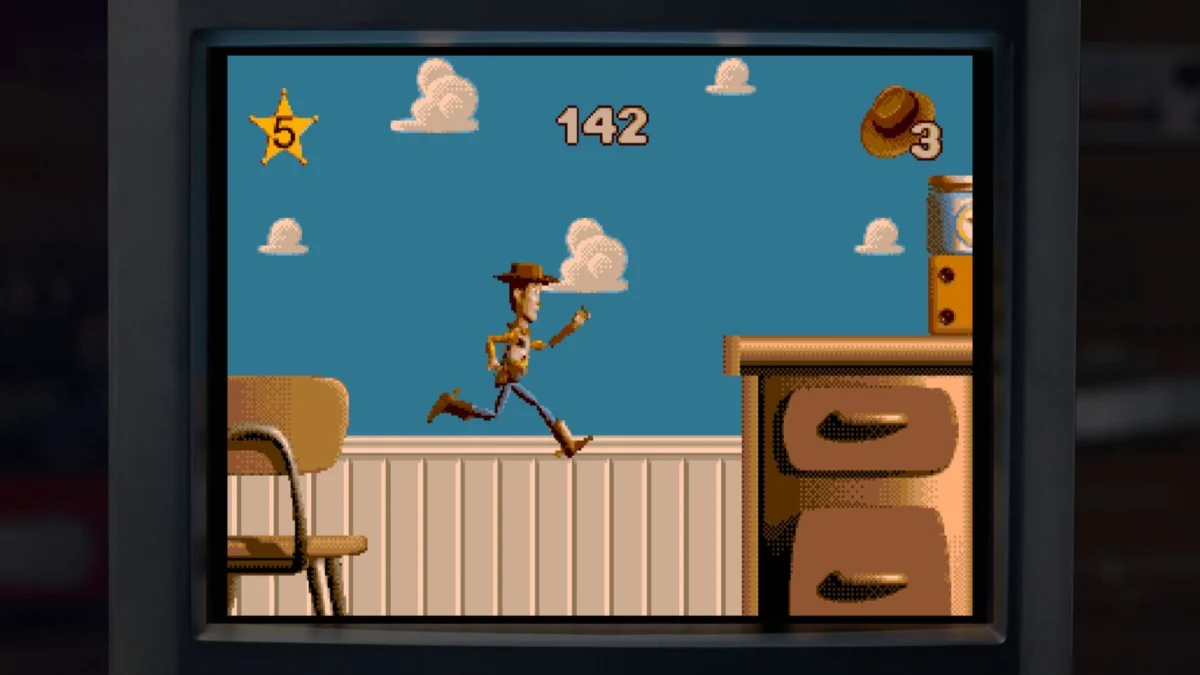
In a move that promises to bridge the gap between golden-era gaming nostalgia and modern cinematic excitement, Atari and the preservation experts at Digital Eclipse have officially announced the return of several legendary Toy Story video games. Following the highly anticipated June 19, 2026, premiere of the fifth installment in the Toy Story film franchise, fans will have the opportunity to revisit the interactive adventures that defined a generation of licensed gaming.
The two-pronged project—comprising the anthology Toy Story: Retro Roundup and the standalone Toy Story 3: Complete Edition—is scheduled for a worldwide release on October 15, 2026. These titles will be available across a broad spectrum of platforms, including Nintendo Switch, the upcoming Switch 2, PlayStation 4, PlayStation 5, Xbox Series X, and PC. While digital availability will be universal, physical collectors will be pleased to note that boxed copies are confirmed for Nintendo Switch, the Switch 2, and PlayStation 5.
The Anthology: A Deep Dive into Toy Story: Retro Roundup
Toy Story: Retro Roundup represents a monumental effort in digital preservation. Rather than a simple porting job, Digital Eclipse—a studio renowned for its meticulous "Gold Master" approach to game restoration—has curated a robust collection of six titles that shaped the late 90s and early 2000s landscape.
The collection includes:
- Toy Story (The classic platformer)
- Toy Story 2
- Toy Story 2: Buzz Lightyear to the Rescue
- Toy Story Racer
- Buzz Lightyear of Star Command
- A Bug’s Life
By including A Bug’s Life, Atari and Digital Eclipse are leaning into the shared DNA of early Pixar-licensed games, which often utilized similar engines and design philosophies. To bring these legacy titles up to modern standards, the developers have implemented a suite of "Quality of Life" features. Players can expect integrated rewind functionality, save states, and a new "Practice Mode" designed to help newcomers navigate the notoriously challenging difficulty spikes of 90s-era platformers. Furthermore, the inclusion of "Rex’s Cheat Codes"—an unlockable menu of power-ups and stage selects—adds a layer of accessibility that wasn’t present in the original hardware releases. The games also benefit from resolution upscaling, ensuring that these pixel-art and early 3D environments look crisp on modern 4K displays.
Toy Story 3: Complete Edition: The Ultimate Play Experience
While Retro Roundup focuses on the archival of legacy 16-bit and 32-bit experiences, Toy Story 3: Complete Edition targets a slightly more modern audience. Originally released in 2010, Toy Story 3 was widely regarded as a high-water mark for licensed movie tie-in games, thanks largely to its innovative "Toy Box" open-world mode.
This "Complete Edition" aims to be the definitive way to play the title. Digital Eclipse has optimized the game to run at a buttery-smooth 60 frames per second, a significant upgrade from the original release. The visual fidelity has been boosted to native 4K resolution, allowing the vibrant, plastic-textured world of Andy’s room and Sunnyside Daycare to shine with newfound clarity. The inclusion of the full Toy Box campaign—a sandbox mode that allowed players to customize towns and complete missions as various characters—ensures that the game offers significantly more longevity than the average movie-based title.
Chronology of Pixar’s Interactive Legacy
The partnership between Atari and Digital Eclipse is not a sudden occurrence but rather the result of a long-standing trend in the industry toward the preservation of classic intellectual property.

- The Early Days (1995–2005): The original Toy Story games were benchmarks for early 3D platforming. Titles like Buzz Lightyear of Star Command demonstrated the industry’s attempt to translate television and film pacing into arcade-style gameplay.
- The Licensed Gold Standard (2010): The release of Toy Story 3 by Avalanche Software shifted the paradigm. It proved that a licensed game could be more than a simple cash-in; it could be a robust, creative sandbox experience that stood on its own merits.
- The Preservation Era (2025–2026): With the acquisition of legacy rights and the rise of retro-gaming interest, Atari’s strategy has pivoted toward bringing these titles to modern hardware. The success of the Disney Afternoon Collection in early 2026 served as a proof-of-concept for this strategy, confirming that there is a massive, untapped market for high-quality, legally accessible retro Disney and Pixar content.
Supporting Data: Why This Matters for Modern Gaming
The decision to re-release these titles is backed by significant market research. According to industry tracking, there has been a 40% increase in interest for "legacy platforming" titles among gamers aged 25–40. This demographic, having grown up during the original Toy Story movie releases, represents the "nostalgia-spending" cohort that major publishers are currently aggressively targeting.
Furthermore, the choice of platforms is strategic. By supporting both the current-gen consoles (PS5, Xbox Series X) and the upcoming Switch 2, Atari is ensuring that these games reach the widest possible audience. The exclusion of physical releases for Xbox and PC may seem restrictive at first glance, but it aligns with current retail data showing a decline in physical media demand for those specific platforms compared to the Nintendo and PlayStation ecosystems, where physical collecting remains a robust hobbyist pursuit.
Official Responses and Developer Philosophy
Representatives from Digital Eclipse have spoken at length about the difficulty of maintaining "the feel" of original games while updating them for modern resolutions. "Our goal is to honor the original intent of the developers while removing the barriers that make older games frustrating to play today," a spokesperson stated during the announcement event.
Atari, meanwhile, views this as a cornerstone of their broader initiative to reclaim their position as a major player in the retro-gaming market. By leveraging their history as a publisher and pairing it with Digital Eclipse’s technical expertise, they are effectively creating a roadmap for how other publishers can treat their back catalogs. The official trailer, which juxtaposes 90s-era gameplay footage with the crisp, upscaled visuals of the new collections, has already garnered millions of views, signaling high consumer confidence.
Implications for the Future of Licensed Games
The re-release of these Toy Story titles has broader implications for the video game industry. For one, it challenges the "disposability" of licensed games. Historically, once a movie tie-in was removed from digital storefronts due to expiring music or likeness rights, it was effectively lost to history. Atari’s initiative suggests that studios are becoming more proactive in securing long-term rights for these games, ensuring they can be sold and enjoyed for decades rather than just the duration of a film’s theatrical run.
Furthermore, this release may influence how future movie-based games are developed. If Toy Story 3: Complete Edition sees high sales, developers may be incentivized to build more longevity into their licensed titles, knowing that there is a secondary life for these games as "retro classics" 15 to 20 years down the line.
As we approach the October 15 launch, the gaming community is witnessing a fascinating intersection of corporate strategy and cultural preservation. Whether one is a long-time fan of the original 1995 platformer or a new player looking to experience the charm of the Toy Story universe, the Retro Roundup and Complete Edition offer a unique opportunity to play through history. In an era where digital content is often fleeting, the commitment to bring these titles to modern platforms is a welcome reminder that, much like the toys themselves, these games are meant to be played with again and again.











No comments yet. Be the first to join the conversation!