Raul Delapena Setiawan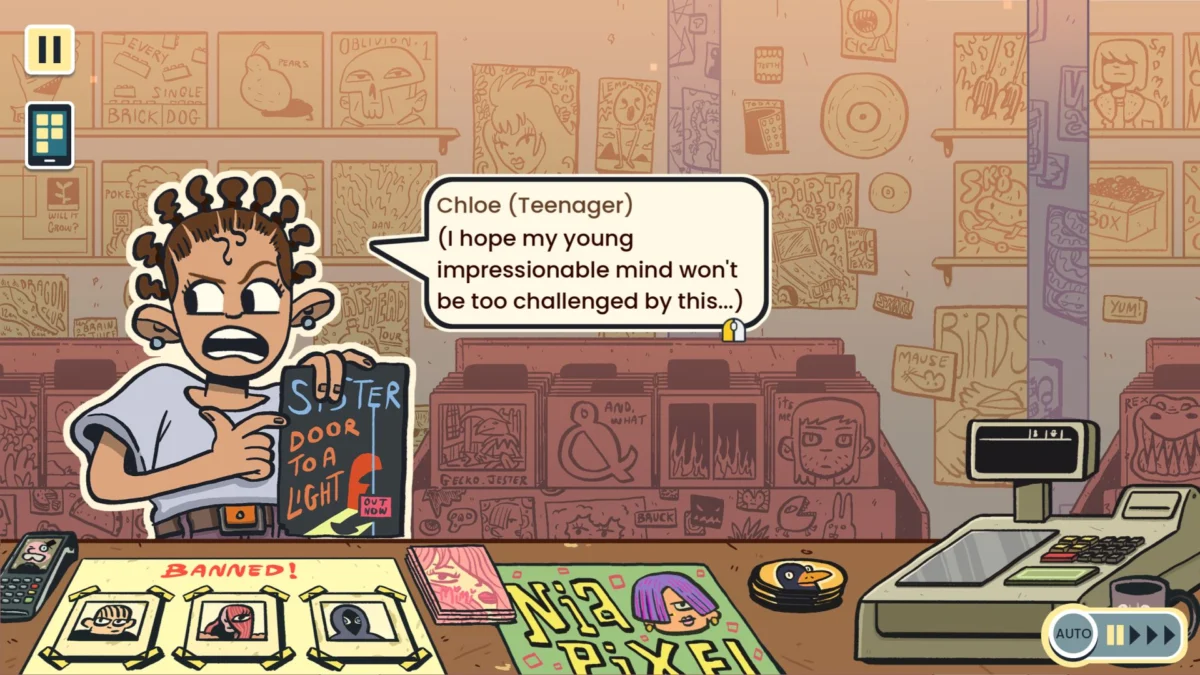
For those who have spent their formative years thumbing through dusty crates, dodging pretentious clerks, and hunting for that one elusive B-side, the experience of visiting an independent record store is less of a shopping trip and more of a pilgrimage. It is a space where subculture is codified in cardboard sleeves and where a recommendation from a staff member can change the entire trajectory of your musical taste.
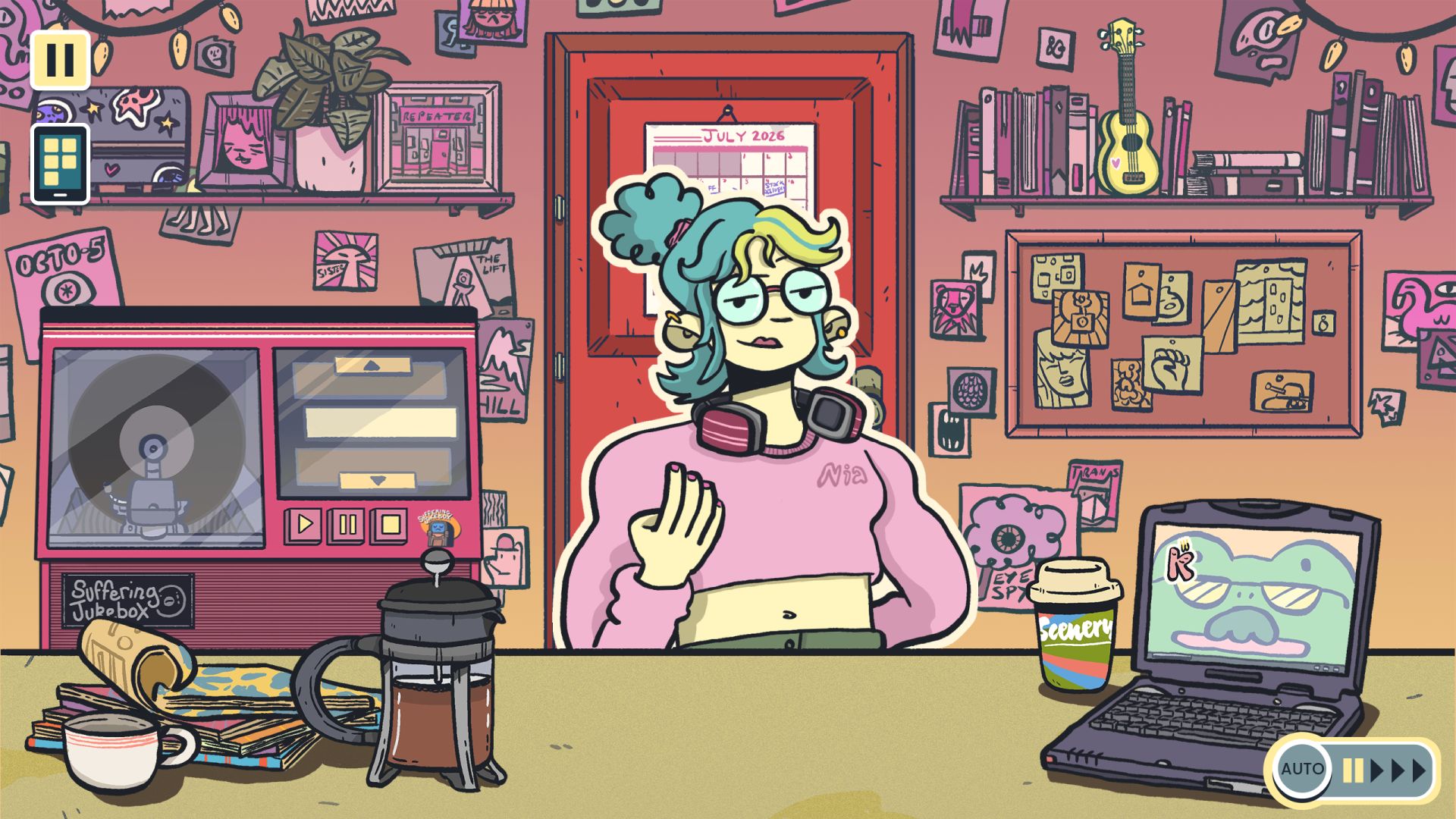
Wax Heads, the latest indie title to grace the PC gaming landscape, attempts to translate this specific, tactile magic into a puzzle-based management simulation. By casting players as the proprietor of "Repeater Records," the game moves beyond the dry mechanics of retail to offer a love letter to the messy, vibrant, and often eccentric world of independent music scenes.
The Core Concept: Retail as an Investigative Art
At its heart, Wax Heads is a game of deduction. Much like the cult-hit Strange Horticulture replaced the dark mystery of Victorian botany with a shop-front puzzle, Wax Heads trades in the currency of punk rock, indie aesthetic, and vinyl obsession.
The gameplay loop is deceptively simple: customers enter your store with vague, often unhelpful descriptions of the music they are looking for. They might recall a vague color on an album cover, a specific instrument, or a mood that the music evokes. For a player who approaches life with a color-coded spreadsheet, the initial premise of Wax Heads—dealing with customers who cannot remember the name of the band they want—can be a source of mild anxiety. However, as the game unfolds, it becomes clear that these interactions are not merely about inventory management; they are about ethnographic investigation.
To succeed, you must engage with the world beyond the counter. You have to navigate the store’s labyrinthine aisles, read the local music press, and scroll through "Phonogram," the game’s Instagram-like social platform. The clues are hidden in the fabric of the scene: a band sticker on a jacket, a mention in a zine, or a heated debate in the comments section of a social post. It turns the retail experience into an immersive detective narrative.
Chronology of a Scene: From Struggle to Success
The narrative arc of Wax Heads is anchored by the plight of Repeater Records itself. The store is portrayed as a struggling hub—a classic trope of music cinema that sits somewhere between the nostalgic charm of Empire Records and the cynical, obsessive connoisseurship of High Fidelity.
- The Status Quo: The store is failing, burdened by the weight of keeping a local music scene afloat in an era of digital dominance.
- The Catalyst: The player is introduced to the daily operations, learning the ropes of cataloging, customer service, and the "art" of the recommendation.
- The Rising Action: As the player masters the art of connecting the right record to the right person, they unlock the ability to host gigs. This is the pivot point where the shop transitions from a simple store to a cultural venue.
- The Climax: The goal—saving the store—becomes inextricably linked to the success of the local scene. The store’s fate is tied to the bands, the zine writers, and the "lovable weirdos" who frequent the shop.
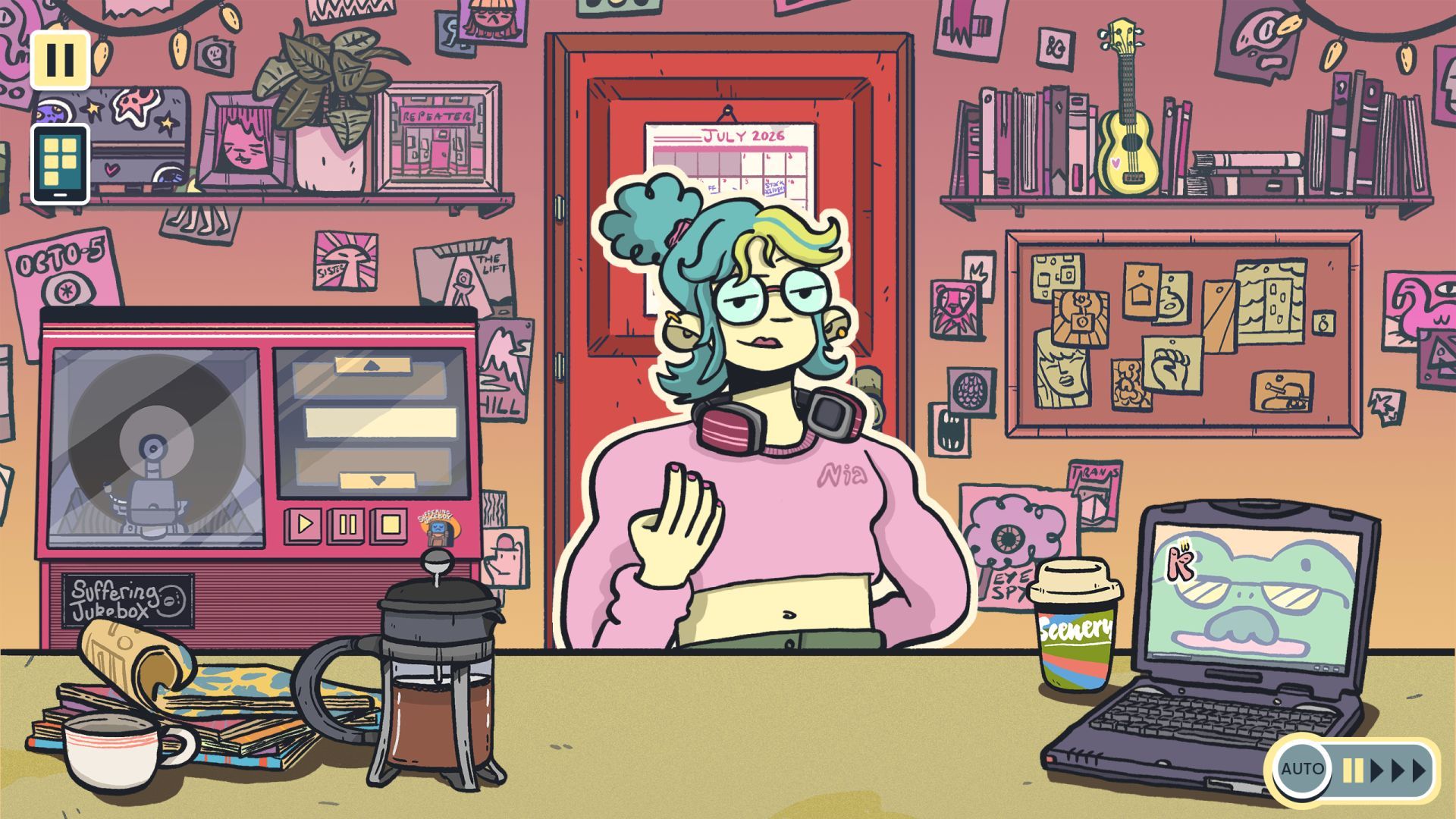
The visual aesthetic, which draws heavy inspiration from the kinetic, graphic-novel style of Scott Pilgrim, grounds this narrative in a youthful, rebellious energy that makes the stakes feel personal rather than purely financial.
Supporting Data: The Craft of World-Building
What separates Wax Heads from run-of-the-mill management sims is the depth of its world-building. The developers have created a library of fictional bands and albums that feel startlingly real. Each entry in the store’s inventory comes with an "album blurb"—short, evocative descriptions that capture the specific mythology of niche subgenres.
Consider the lore surrounding one of the game’s fictional metal bands: a group shrouded in the dark legend of a lead singer who allegedly met a tragic, mysterious end. These stories are not just flavor text; they provide the context necessary to understand the music’s "vibe," which is essential for making successful recommendations to customers.
Furthermore, the game features a fully realized jukebox system. Each track is a bespoke recreation of a subgenre, from lo-fi garage rock to experimental noise. These tracks are so authentic that they leave the player wishing the bands were real, creating a "meta-nostalgia" for music that never actually existed.
Official Perspectives and the Developer’s Lens
The development team behind Wax Heads has leaned heavily into the "lived-in" feel of the shop. By focusing on the intersection of music journalism and retail, they have captured the specific anxiety of the "music snob" versus the "enthusiastic novice."
In interviews, the team has emphasized that the game is intended to mirror the social ecosystem of a record shop. In a real-world store, the clerk is a curator, a gatekeeper, and a therapist all in one. Wax Heads replicates this by ensuring that the regulars—the town’s local misfits—have complex, branching stories. You aren’t just selling vinyl; you are documenting the social history of the town.
The inclusion of Phonogram as a mechanic is particularly insightful. It reflects how modern music scenes are no longer just physical; they are digital, fueled by parasocial relationships and social media clout. By forcing the player to balance these digital interactions with the physical reality of the store, the game touches on the central tension of modern record collecting: the need for a physical, tangible object in an increasingly ephemeral digital world.
Implications for the Simulation Genre
Wax Heads signals a shift in the simulation genre toward "niche-focused" storytelling. Rather than tasking the player with managing an entire city or a global corporation, the game limits the scope to a single, hyper-specific environment.
This narrow focus allows for a deeper level of engagement. When a player spends an hour trying to track down a specific punk record for a customer, the eventual success feels like a genuine achievement. It validates the player’s effort to learn the lore, the characters, and the aesthetic of the game world.
Furthermore, the game serves as a bridge between the "cozy game" movement and the "simulation" genre. It provides a low-stress, highly rewarding environment where the primary reward is the satisfaction of a job well done and the development of the relationships between the characters. It is a game that values the "long tail" of hobbies—the joy found in the obscure, the rare, and the forgotten.
Conclusion: Why Repeater Records Matters
Wax Heads is more than just a puzzle game; it is a meticulously crafted simulation of a culture that is often romanticized but rarely understood. By capturing the nuance of the "red cover" request—the human element behind the transaction—it elevates the act of retail to something meaningful.
Whether you are a seasoned crate-digger or someone who has never touched a physical record, the game invites you to slow down, listen to the music, and pay attention to the people around you. It serves as a reminder that a record store is never just a store; it is a heartbeat, a sanctuary, and a catalyst for a community.
For those eager to step behind the counter at Repeater Records, Wax Heads is currently available on Steam. A demo is also available for those who want to dip their toes into the crates before committing to the full experience. In an industry dominated by massive, sprawling open worlds, the small, crowded, and cluttered aisles of Wax Heads offer a refreshingly intimate space to lose oneself in the music.


 Asro
Asro
 Muslim