Siti Muinah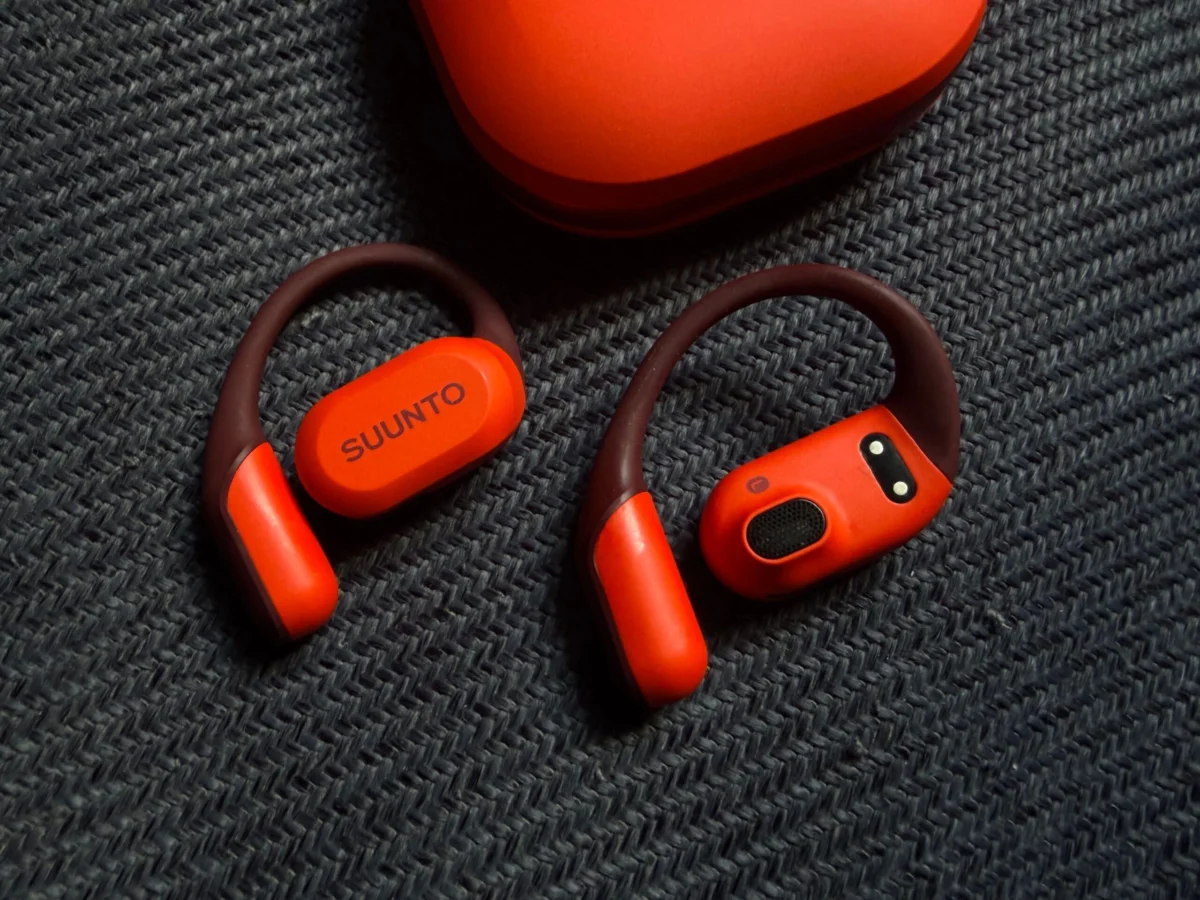
In the rapidly evolving landscape of wearable fitness technology, Suunto—a brand long synonymous with rugged, high-performance outdoor watches—has made a definitive move into the audio space with the Suunto Spark. Designed for the athlete who demands situational awareness without compromising on acoustic fidelity, the Spark represents a significant departure from the bone-conduction norms that have dominated the open-ear market. By utilizing air-conduction technology, Suunto is attempting to bridge the gap between audiophile-grade sound and the practical realities of high-intensity training.
Main Facts: Engineering for the Athlete’s Environment
The core value proposition of the Suunto Spark lies in its balance of durability and performance. With an IP55 rating, the earbuds are officially certified to withstand the rigors of heavy perspiration and unexpected downpours. While the charging case itself lacks this ruggedized rating, its compact, low-profile design ensures it remains unobtrusive, easily sliding into a pocket or a dedicated running belt during long-distance efforts.
Unlike traditional in-ear monitors that create a physical seal, the Spark uses air conduction to project sound toward the ear canal. This design philosophy serves a dual purpose: it allows ambient noise—such as approaching traffic or trail markers—to remain audible, and it eliminates the "occlusion effect" that can make one’s own breathing or footsteps sound amplified during a run.
Chronology: From Concept to the Open-Ear Market
The journey of the Spark began as a response to feedback from the Suunto community. Users of Suunto’s premium multisport watches were increasingly seeking a seamless audio experience that integrated with their existing ecosystem.
- Phase One: Research and Development: Suunto leveraged its existing sensor expertise, notably the head-motion tracking technologies utilized in their high-end sports watches, to conceptualize a unique control scheme for the earbuds.
- Phase Two: The Shift to Air Conduction: Recognizing the limitations of bone conduction—specifically in terms of bass response and sound stage customization—Suunto shifted focus to air conduction. This transition allowed for the integration of more sophisticated EQ software, a key differentiator in their final design.
- Phase Three: Ergonomic Refinement: Testing sessions focused on high-intensity movement, leading to the current chassis design that prioritizes stability during erratic head movements.
- Phase Four: Market Integration: The final product launched alongside an update to the Suunto app, creating a centralized hub for both heart-rate tracking and audio customization.
Supporting Data: Acoustic Performance and Technical Specifications
When benchmarking the Spark against industry stalwarts like Shokz, Anker, and Bose, the data suggests that Suunto has achieved a remarkably high tier of audio quality. The "air conduction" advantage is immediately apparent; because the speakers do not rely on vibrating the temporal bone, the Spark delivers a richer, more nuanced frequency response.
The Power of EQ Customization
One of the most impressive technical features of the Spark is the versatility provided via the companion mobile application. While many open-ear devices are locked into a single "flat" sound profile, the Spark offers four distinct EQ presets, supplemented by a fully customizable user profile.

- Bass-Boost Mode: Optimized for high-tempo intervals where rhythmic drive is essential.
- Voice/Podcast Mode: Enhances mid-range frequencies to ensure clarity during spoken-word content, even in windy conditions.
- Neutral/Flat: Designed for accurate sound reproduction across various genres.
- Custom User EQ: Allows for granular adjustments, a rare feature in the open-ear category that significantly improves the overall listening experience.
In field tests, the wind-noise rejection proved to be a standout feature. Even during high-speed cycling or windy trail runs, the clarity of podcasts and phone calls remained largely unaffected, a common pain point for open-ear designs that usually suffer from wind-buffeting.
The Control Conundrum: Touch vs. Gesture
Suunto’s approach to user interface design on the Spark is ambitious but polarizing. The device employs two distinct methods: capacitive touch panels and integrated motion sensors.
The Touch Interface
The touch panels, located on the outer casing of each earbud, allow for volume adjustment, playback control, and the toggling of specific training modes (such as a built-in metronome). While Suunto has done an excellent job of spreading these controls to minimize accidental inputs, the reality remains that touch-capacitive surfaces are notoriously finicky when faced with sweat or heavy rain. While the implementation is better than most, it does not fully solve the "fiddly" nature of touch controls during high-intensity exercise.
The Gesture Control Debate
The more experimental feature is the head-gesture control system, which uses the internal sensors to register nods or shakes to handle calls or skip tracks. In theory, this is the "holy grail" of hands-free control. In practice, however, the results vary.
While these controls are perfectly functional for a user walking or sitting on a stationary bike, they become a liability during a run. The natural, rhythmic bouncing of the head while running can occasionally trigger accidental inputs. For the serious athlete, the inconsistency of these sensors may prove more distracting than the convenience they offer, suggesting that further software tuning may be required to differentiate between a deliberate "nod" and the kinetic energy of a sprint.
Implications for the Wearable Market
The release of the Suunto Spark signals a broader shift in the sports audio industry. It is no longer enough to simply provide "good sound" in a durable package. Modern athletes demand deep integration between their hardware and their performance metrics.

Ecosystem Integration
By housing the headphone settings within the same app used for Suunto’s watches, the brand is successfully locking users into an ecosystem. This creates a friction-free experience where a user can monitor their heart rate on their wrist and adjust their audio EQ on their phone without switching platforms.
The Future of Open-Ear Audio
The success of the Spark suggests that air conduction may eventually overtake bone conduction in the premium athletic segment. The ability to customize sound profiles—something bone-conduction transducers struggle to do effectively—is a major selling point for audiophiles who also happen to be triathletes or marathon runners.
Areas for Future Improvement
Despite its strengths, the Spark is not without room for iteration:
- Software Flexibility: As noted by users, the inability to switch EQ modes directly via the earbud touch controls is a missed opportunity. If the device is meant to be truly hands-free, the software should allow for more complex button mapping.
- Charging Case Durability: For a brand that caters to rugged outdoor environments, the lack of an IP rating on the charging case feels like a minor oversight. Future iterations would benefit from a more durable, weather-resistant case.
- Gesture Sensitivity: The motion sensors require a "training" mode or a sensitivity adjustment toggle within the app to prevent the aforementioned accidental triggers during running.
Official Responses and Conclusion
While Suunto has not yet issued a formal response regarding the potential for firmware updates to the gesture control sensitivity, their focus on the Spark as a "performance-first" device remains clear. The company has positioned the Spark as an extension of the athlete’s gear rather than a mere accessory.
Ultimately, the Suunto Spark is a formidable competitor. It manages to deliver a sound profile that rivals the best in the industry while maintaining the situational awareness necessary for outdoor safety. While the gesture controls may not be for everyone, and the touch panels require a period of adjustment, the core audio performance—aided by a highly functional app and customizable EQ—makes the Spark an excellent choice for any athlete looking to elevate their training soundtrack.
As Suunto continues to refine its software and sensor calibration, the Spark is likely to become a staple for those who refuse to choose between their music and their mileage. It is a bold, high-quality entry into the market that proves Suunto is just as capable of engineering world-class audio as they are at building world-class watches.

 Rifan Muazin
 Nila Kartika Wati