Lina Hope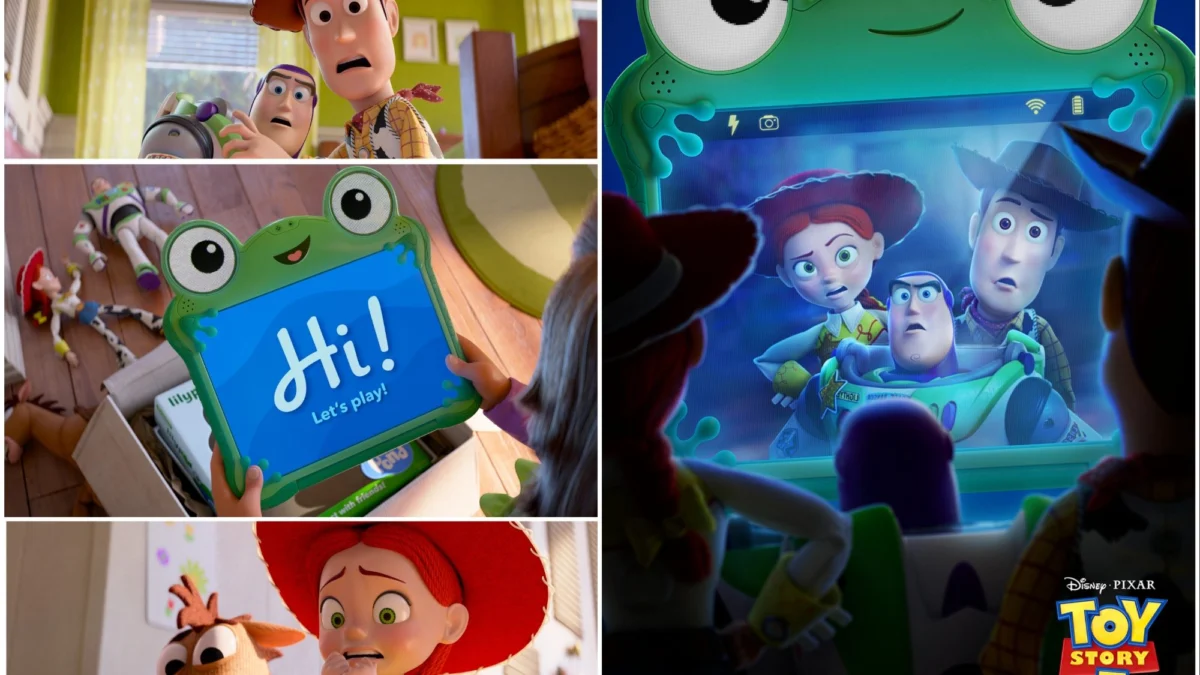
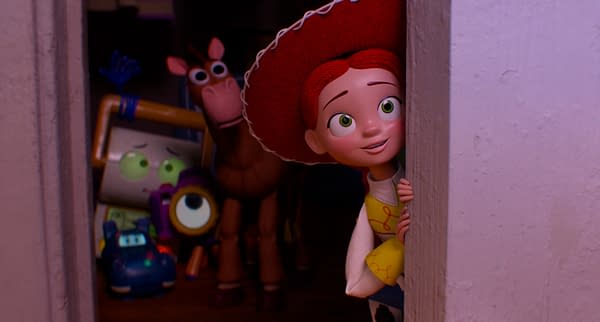
For over three decades, the Toy Story franchise has served as the emotional bedrock of Pixar Animation Studios. Since the original 1995 film revolutionized computer-animated features, audiences have followed the trials and triumphs of Woody and Buzz Lightyear. However, as the franchise prepares for its fifth installment, the studio is making a radical departure from tradition. Toy Story 5, arriving in theaters on June 19, 2026, shifts the focus away from the iconic sheriff and the space ranger, placing the spotlight squarely on the rootin’-tootin’ cowgirl, Jessie.
Director Andrew Stanton, a luminary behind the franchise’s most poignant moments, has revealed that this narrative pivot is not merely a creative whim, but a necessary evolution to keep the series relevant in an era dominated by digital screens and shifting childhood habits.
The Evolution of the Toy: A Changing Landscape
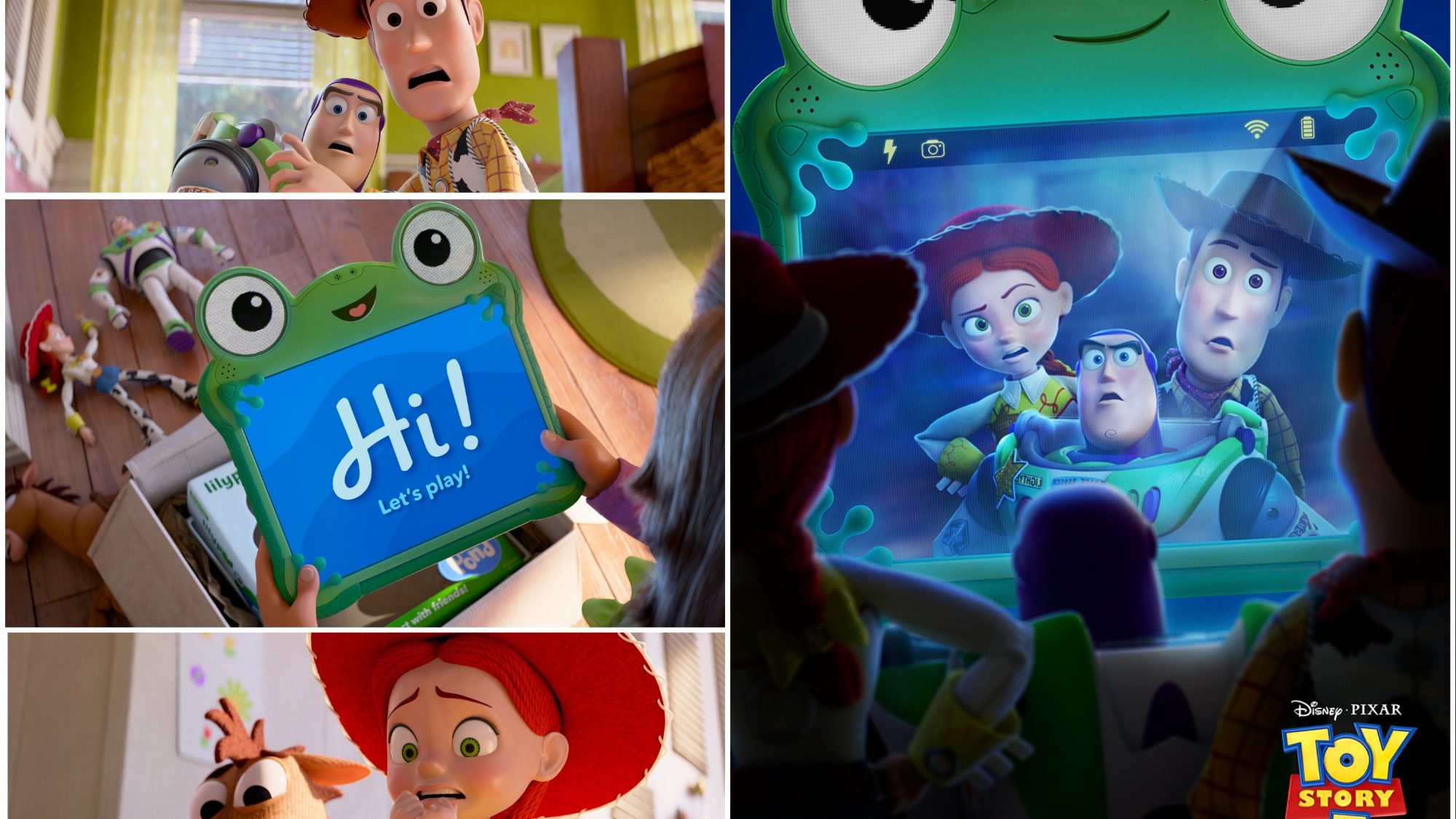
The premise of Toy Story 5 feels ripped from contemporary headlines. The film explores the friction between classic, tactile play and the encroaching influence of modern technology. As the first generation of “iPad kids” matures, Pixar has chosen to tackle the decline of traditional playtime—a subject that hits close to home for many parents and educators.
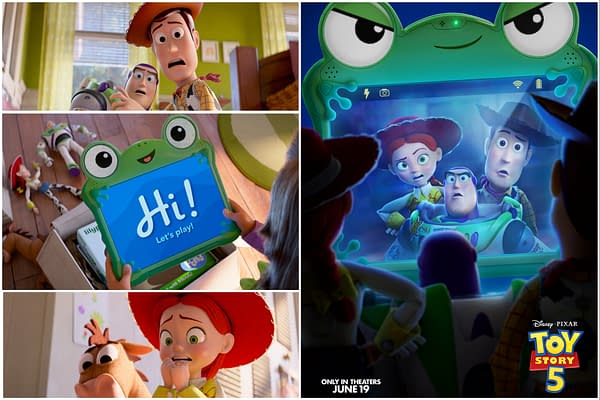
The story centers on the introduction of "Lilypad," a high-tech, frog-shaped smart tablet voiced by Greta Lee. As Lilypad gains prominence in Bonnie’s room, the classic toys find their relevance—and their purpose—threatened. This conflict mirrors the real-world struggle of toys competing for attention against an endless stream of digital entertainment, often consumed without regulation or limits. By framing the narrative through the eyes of a toy that has already survived the trauma of abandonment, Pixar ensures that the stakes remain deeply personal rather than purely metaphorical.
Why Jessie? The "Deep Well" of Character Development
In an exclusive interview with GamesRadar+, Andrew Stanton explained the logic behind elevating Jessie to the protagonist role. According to the director, the narrative "well" of Woody’s character, while vast, had been thoroughly explored over four films.
"I just felt she had so much unaddressed that she had a deep well to draw from," Stanton noted. "Woody used to have a deep well, but we drew so much from him, I just thought he needed a break."
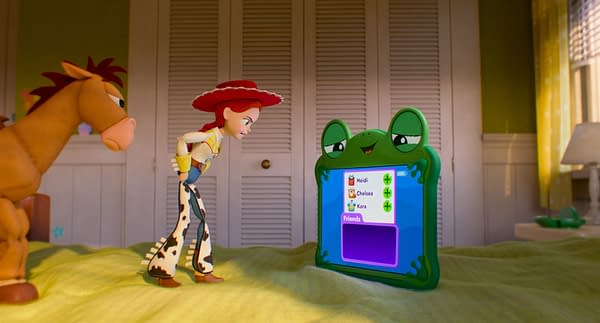
This decision is anchored in the conclusion of Toy Story 4, which saw Woody pass his metaphorical badge of leadership to Jessie. Stanton emphasized that the intent was always to showcase Jessie’s evolution into a leader. "I loved, even if we didn’t go to another film, we’d have that, knowing she was a leader now in running Bonnie’s room. So, it just made sense when I was asked to work on this one to start there, because it would be a very different room run by her."
Jessie’s character arc is uniquely suited for this conflict. Her history, defined by the gut-wrenching abandonment she suffered in Toy Story 2, provides the perfect emotional foundation for a story about being replaced by newer, flashier tech. Her insecurities regarding her worth and her fear of being left behind are the engine that will drive the emotional stakes of this film.
A Chronology of the Toy Story Legacy
To understand the significance of this shift, one must look at the trajectory of the franchise:
- 1995: Toy Story introduces audiences to Woody and Buzz, establishing the core tenets of the Pixar universe: loyalty, friendship, and the existential dread of becoming obsolete.
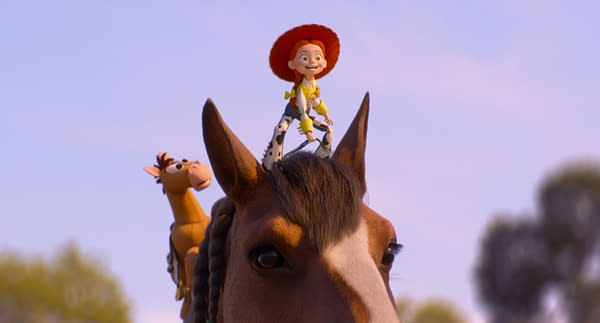
- 1999: Toy Story 2 expands the lore, introducing Jessie and Bullseye. Jessie’s song, "When She Loved Me," remains one of the most cited moments of emotional catharsis in cinema history.
- 2010: Toy Story 3 brings the "Andy era" to a tear-jerking conclusion, setting a high bar for animated storytelling.
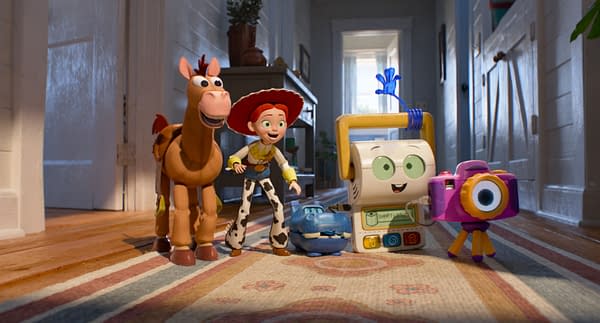
- 2019: Toy Story 4 pivots toward existential identity, ending with Woody’s departure to live as a "lost toy," leaving the remaining gang to adapt to life under Bonnie’s care.
- 2025: Initial announcements confirm the plot of Toy Story 5 will focus on the tension between analog toys and digital technology, with Jessie leading the ensemble.
- 2026 (June 19): Toy Story 5 scheduled for theatrical release, marking the most significant shift in the series’ history.
Supporting Data: The Tech vs. Toy Conflict
The industry’s move toward "smart toys" is a reality that Pixar is acutely aware of. Market research into children’s play habits shows a significant decline in the sales of traditional action figures and plush dolls, with a corresponding surge in digital media consumption.
Lilypad, the antagonist of Toy Story 5, represents the "smart" integration of toys—a device that is not just an object, but an interactive, internet-connected entity. By casting Greta Lee—known for her nuanced performances in Past Lives and The Morning Show—Pixar is signaling that they intend for Lilypad to be a complex character rather than a one-dimensional villain. The struggle in the film is not just about a "new toy" entering the room; it is about the fundamental transformation of how children relate to the world around them.
The Voice Cast and Creative Vision
The film boasts an impressive roster of returning and new talent. Tom Hanks and Tim Allen are confirmed to return, ensuring that the legacy characters remain present even if their roles are secondary. Joan Cusack returns to voice Jessie, a performance that remains central to the emotional success of the franchise. Tony Hale is also back as the existential anxiety-ridden Forky.
The most intriguing casting addition is Conan O’Brien, who will voice "Smarty Pants," a toilet-training tech toy. This inclusion suggests that while the film will deal with heavy themes of abandonment and technological displacement, it will maintain the franchise’s signature brand of humor.
Director Andrew Stanton, whose credits include WALL-E and Finding Nemo, is joined by co-director Kenna Harris and producer Lindsey Collins. This creative team has a proven track record of blending high-concept science fiction or adventure with grounded, character-driven heart. Their involvement suggests that Toy Story 5 will maintain the polished, visually stunning aesthetic expected of Pixar, while pushing the boundaries of what a "sequel" can achieve.

Implications for the Pixar Brand
The shift to Jessie is more than just a casting decision; it is a signal of how Pixar intends to evolve in the coming decade. As the studio faces stiff competition from various streaming platforms and a changing theatrical landscape, Toy Story 5 represents a test of whether legacy IP can be successfully reinvented.
If Toy Story 5 succeeds, it opens the door for a future where the franchise is not anchored to Woody or Buzz. By passing the mantle to Jessie, Pixar is effectively creating a model for "legacy continuity," where the core philosophy of the series—that toys possess a soul and a purpose—outlasts any individual character.

Furthermore, by addressing the "iPad kid" phenomenon, Pixar is engaging directly with their audience’s lived experience. Parents who grew up with the original Toy Story are now the ones buying the tablets for their children. By exploring the tension between the toys they love and the technology they use, Pixar is creating a shared emotional experience that bridges the generational divide.
The Emotional Toll: Why We Keep Coming Back
Is it truly a Pixar movie if you don’t leave the theater with a sense of "emotional damage"? The studio has built its reputation on the ability to make audiences weep for inanimate objects. Given that Jessie’s backstory in Toy Story 2 remains a gold standard for emotional storytelling, the decision to make her the emotional core of this new adventure is a calculated move to maximize audience investment.

If the director’s words are anything to go by, audiences should prepare for an intense journey. Jessie’s insecurities regarding abandonment will be laid bare, forcing her to reconcile her identity as a leader with her history as a forgotten toy. In a world where digital distractions can make us feel invisible, her story of resilience is perhaps more relevant than ever.
As June 2026 approaches, the hype surrounding Toy Story 5 continues to grow. Whether it will match the critical acclaim of its predecessors remains to be seen, but one thing is certain: the toys are back, and they have never been more human. Through the eyes of Jessie, we are about to see that the most important part of growing up is not moving on, but finding a way to stay relevant in a world that never stops changing.

 Sagoh
Sagoh
 Ammar Sabilarrohman