

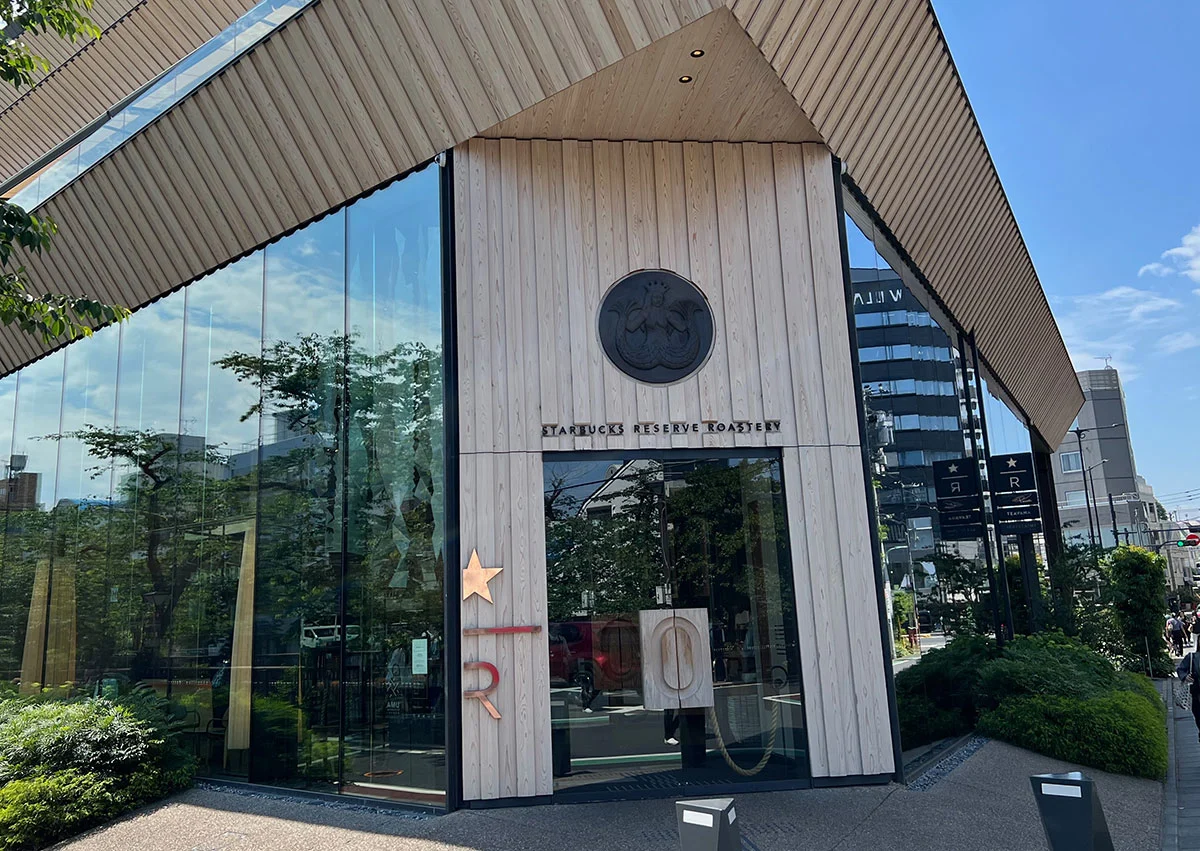
In the bustling landscape of Tokyo’s coffee culture, few institutions command as much reverence as the Starbucks Reserve Roastery in Meguro. However, even a global titan of coffee can find itself humbled by the sheer demand of its local fan base. Recently, the Roastery’s exclusive morning offering—the “Roastery Breakfast Mattina”—has become the city’s most elusive culinary prize, transforming a simple morning meal into an exercise in endurance and logistics.
While the breakfast is celebrated for its artisanal quality, it has simultaneously sparked a conversation regarding the intersection of premium service design and the realities of high-traffic operations. For those attempting to secure a plate, the experience is less of a leisurely morning repast and more of a tactical mission.
The Anatomy of an Exclusive Menu Item
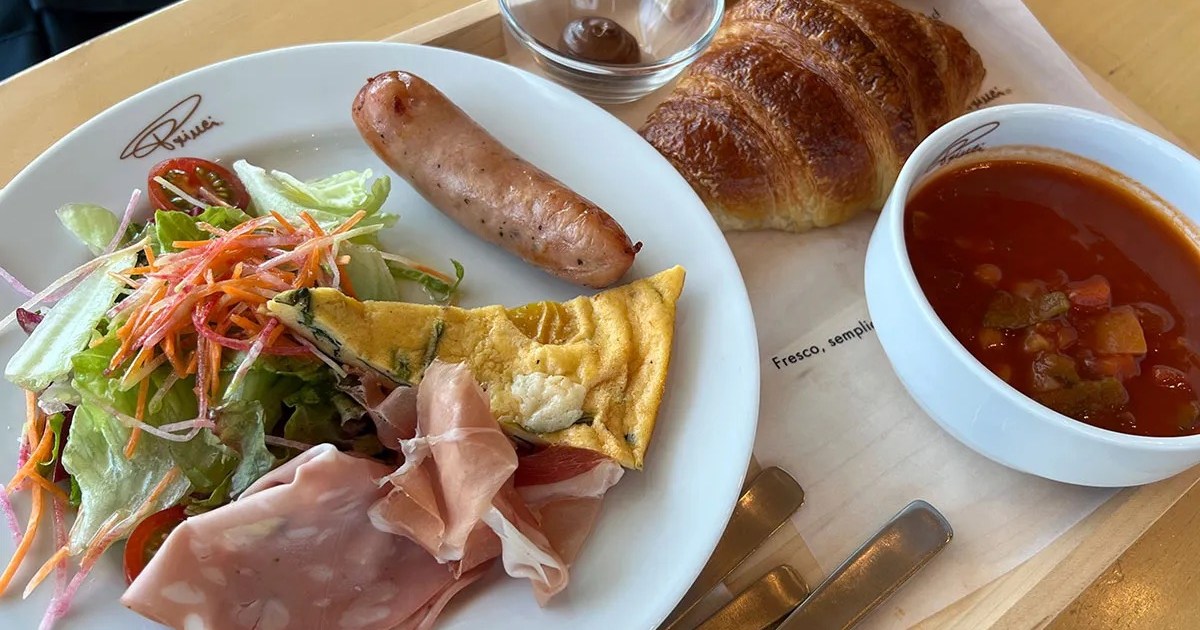
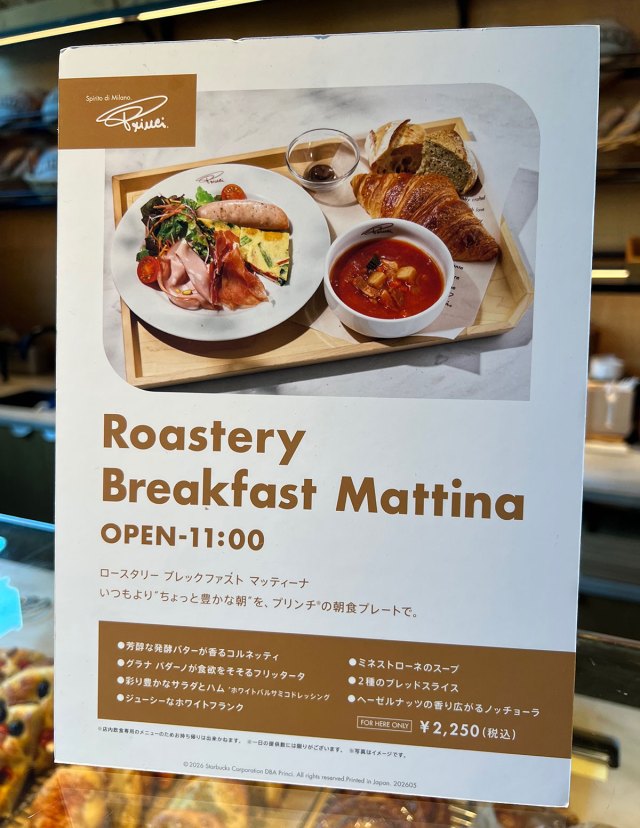
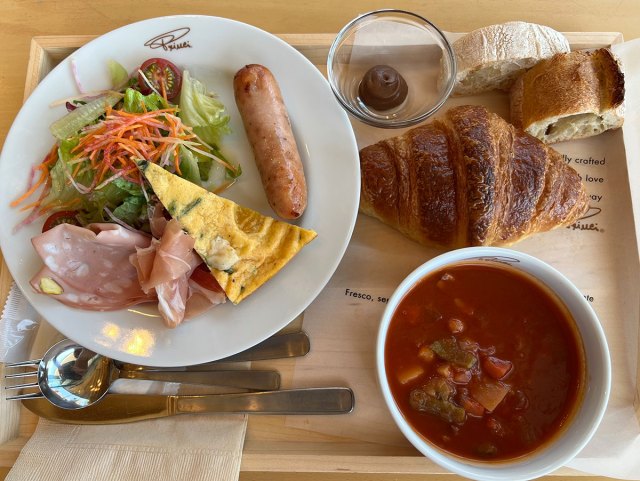
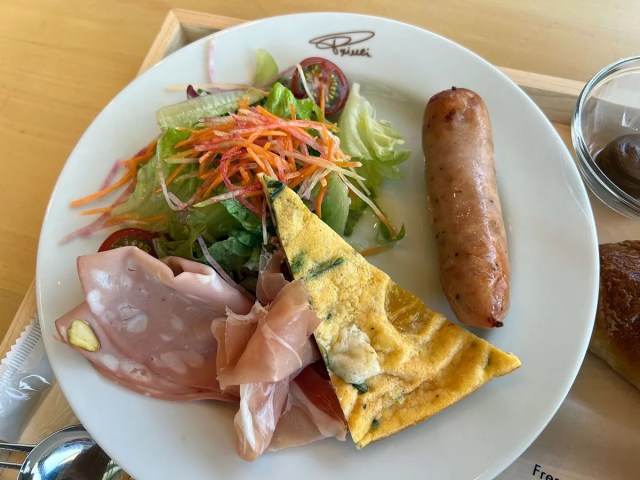
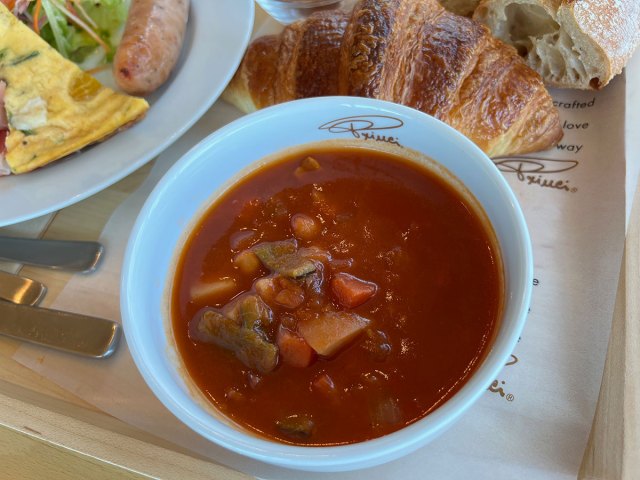
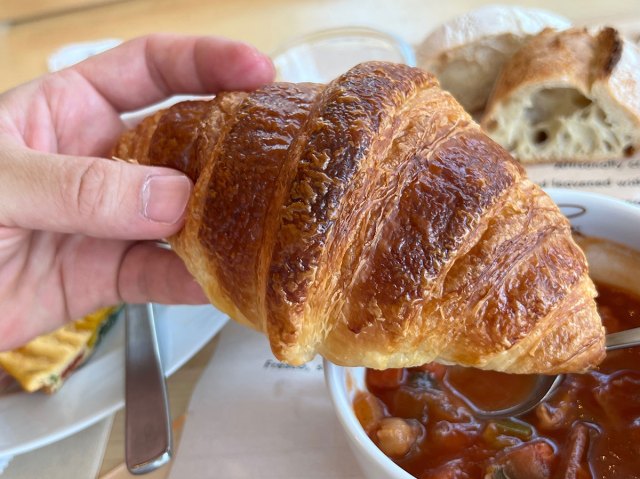
The “Roastery Breakfast Mattina” is not merely a meal; it is a curated experience intended to showcase the collaboration between Starbucks’ premium Reserve brand and the artisanal Italian bakery, Princi. The set typically features a sophisticated spread: a hearty, soul-warming soup, a crisp garden salad, a savory frittata, high-quality ham, and a traditional Italian cornetto accompanied by a rich chocolate-hazelnut spread.
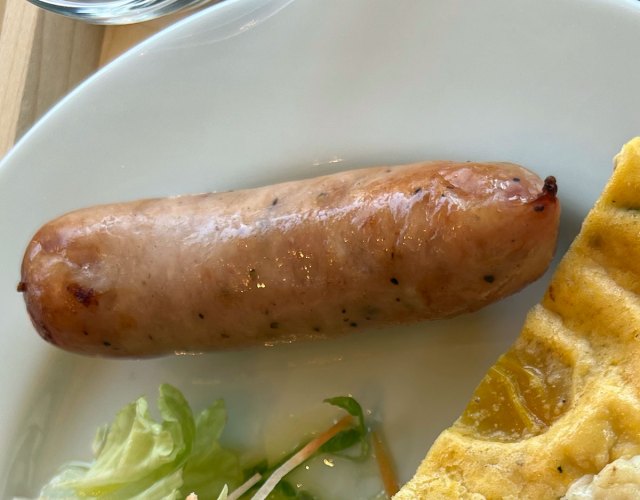
The star of the show, according to many who have successfully navigated the gauntlet to acquire it, is the premium sausage. It is noted for its juicy, artisanal profile—a stark departure from standard chain-café breakfast fare. Despite the lack of overt Starbucks branding on the plate itself, the presentation exudes a refined, minimalist aesthetic that aligns with the Roastery’s luxury positioning.
A Chronology of the Hunt: Three Strikes and a Success
The popularity of the breakfast set is so overwhelming that it has become a "sell-out" item almost daily. For many patrons, the journey to securing the meal follows a frustratingly familiar pattern.
Attempt One: Arriving mid-morning, the hope of a leisurely breakfast was quickly extinguished. The staff confirmed the breakfast sets had been completely exhausted within the first hour of operation.
Attempt Two: Adjusting strategy for an earlier arrival, the goal was to beat the rush. Yet, even with an arrival time shortly after the 7:00 a.m. opening, the inventory had already been claimed by earlier arrivals. The realization began to set in: this was a "first-come, first-served" scenario with a very narrow window of opportunity.
Attempt Three: The "charm." Arriving at the stroke of 7:00 a.m., the scene was already one of focused urgency. Securing the order finally felt like a victory, akin to a hard-won achievement in a high-stakes game. The process—from ordering at the Princi bakery counter to the eventual service—was efficient, but it revealed the inherent systemic friction of the Roastery’s floor plan.
The Design Flaw: A Logistical Hurdle
While the culinary quality of the breakfast is undeniably high, the "customer journey" is marred by a significant operational bottleneck. The primary issue lies in the separation of the food and beverage ordering points.
Because the breakfast set is sold exclusively at the Princi bakery counter, and the coffee beverages are handled at a separate bar, solo diners face a logistical nightmare. In a venue as crowded as the Meguro Roastery, this structure creates two distinct queues. For a solo diner, this presents an impossible dilemma: do you secure your food first and risk losing your table while you stand in the secondary queue for coffee? Or do you prioritize your seat, only to find the food sold out by the time you manage to reach the counter?
This creates an "efficiency gap." In a group setting, this is easily mitigated by dividing tasks: one person hunts for a table, another joins the bakery queue, and a third handles the beverage order. For the individual, however, it turns a 2,250 yen (approximately $14.13) luxury experience into a stressful, high-energy juggling act that feels at odds with the "third-place" philosophy Starbucks usually promotes.
Supporting Data and Market Context
To understand why this is such a major talking point in Tokyo, one must look at the broader market. In Japan, the café breakfast market has historically been limited. Outside of luxury hotel buffets or specific "Morning Service" culture found in cities like Nagoya, finding a high-quality, sit-down breakfast is surprisingly difficult.
The Starbucks Reserve Roastery has effectively filled a vacuum in the market, but its success has created a "scarcity premium." By limiting production, the Roastery has turned the breakfast into a status symbol. Data from social media trends and local visitor reports indicate that the "sold out by 8:00 a.m." phenomenon is a consistent reality, not a seasonal anomaly. This scarcity, while frustrating, ironically bolsters the product’s reputation as an "exclusive" item that must be earned.
Examining the Implications
The success of the Roastery Breakfast Mattina poses a series of questions for the future of the Starbucks premium brand:
- The "Exclusivity vs. Accessibility" Balance: By keeping supply low, Starbucks maintains the "elite" feel of the product. However, as the brand continues to expand its premium footprint, there is a risk that the frustration of the "hunt" will alienate loyal customers who prefer a seamless experience over a prestige one.
- Operational Scalability: The current two-queue system is a relic of a design that prioritized artisanal theater over high-volume efficiency. As the Roastery becomes a tourist destination, the lack of an integrated "Breakfast Service" counter may necessitate a redesign of the service flow.
- The Rise of "Solo-Dining" Challenges: As urban demographics in Tokyo continue to skew toward solo living, the friction experienced by single patrons is becoming more pronounced. The current service model is heavily biased toward groups, potentially alienating a large segment of the urban population that seeks a quiet, independent morning meal.
The Verdict: Is It Worth It?
For the dedicated Starbucks enthusiast, the answer is a resounding yes. There is a palpable sense of accomplishment in sitting at a table with a plate that most of the city was unable to secure. The quality of the ingredients—the snap of the sausage, the buttery layers of the cornetto, and the warmth of the soup—is objectively superior to standard offerings.
However, the "worth" is heavily dependent on one’s personality. If you enjoy the challenge of the hunt and the bragging rights that come with it, the 2,250 yen price tag is a small fee for the experience. If you value tranquility, efficiency, and a stress-free start to your day, the Roastery’s breakfast may prove to be more of a headache than a delight.
For those who find themselves thwarted by the sell-out signs or the daunting queues, it is worth noting that the Roastery and its surrounding Meguro neighborhood offer various alternative ways to start the day. Smart travelers have already begun developing "hacks" to bypass the lines, such as focusing on the individual items available at the bakery counter later in the morning or exploring the smaller, local hidden gems that dot the Aobadai area.
Ultimately, the Roastery Breakfast Mattina stands as a testament to the power of scarcity. It is a brilliant, delicious product wrapped in an operational puzzle that—at least for now—is as much a part of the menu as the food itself. Whether the management will eventually address these "design flaws" remains to be seen, but for the time being, the race to the 7:00 a.m. opening remains one of Tokyo’s most peculiar and high-stakes morning rituals.












No comments yet. Be the first to join the conversation!