Raul Delapena Setiawan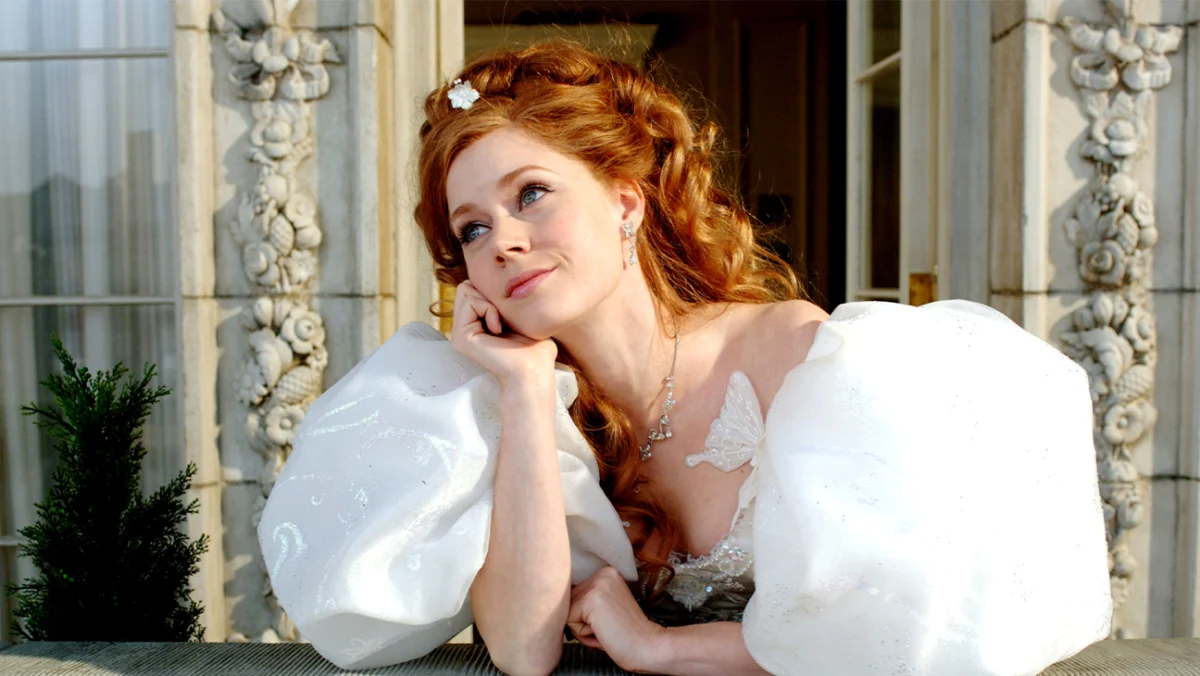
In the high-stakes, fast-paced environment of Saturday Night Live, where comedy is often pushed to the jagged edges of acceptability, a performer’s ability to negotiate their own boundaries is essential. Recently, Academy Award-nominated actress Amy Adams offered a rare behind-the-scenes glimpse into her 2008 hosting stint on the long-running NBC sketch comedy institution. The revelation—that she famously rejected a highly graphic pitch from cast member Andy Samberg—serves as a compelling case study on brand management, the responsibilities of stardom, and the evolving nature of comedy in the digital age.
The Context: A Career at the Crossroads
To understand the weight of Adams’ decision, one must look at the trajectory of her career in 2008. She was riding the stratospheric success of Disney’s Enchanted, a live-action musical fantasy that transformed her from a respected character actress into a bona fide global household name. Her portrayal of Giselle—a saccharine, optimistic, and deeply earnest fairytale princess—resonated with a massive demographic of young girls who viewed her as a moral and aesthetic compass of kindness.
When Adams walked onto the stage at 30 Rockefeller Plaza to host SNL, the ink was barely dry on the success of Enchanted. She was, in the eyes of her core audience, the living embodiment of a princess. It was within this specific, delicate cultural moment that she found herself in the writers’ room, facing a pitch from one of the show’s most subversive comedic voices: Andy Samberg.
The Rejected Sketch: A "Graphic" Proposition
During a candid appearance on Late Night with Seth Meyers, Adams broke her long-standing silence on the specific pitch that left her, as she put it, needing to put her foot down.
The premise of the sketch, as described by Adams, involved a couple in a park. The male character—played by Samberg—suffers a spider bite, leading to a deathbed confession scene. "He’s like, ‘Honey, I love you so much, and now that you’re dying, is there any last wish?’" Adams recounted. The punchline, which Adams opted not to repeat verbatim, involved the dying character revealing an extremely explicit, "graphic" request for the woman to perform.
For a show like SNL, which has historically thrived on the balance between high-brow satire and blue-collar vulgarity, the pitch was par for the course. However, for an actress whose professional identity was tied to the sanctity of an iconic children’s role, the sketch represented a significant liability.
Chronology of a Comedy Collision
The timeline of this incident spans years, beginning in 2008 and culminating in recent public reflections by both Adams and Samberg.
- 2007–2008: Enchanted becomes a worldwide phenomenon, cementing Adams’ status as a youth icon.
- 2008: Amy Adams hosts Saturday Night Live. During the writing process, Andy Samberg pitches the "spider bite" sketch. Adams declines, citing her young audience.
- The Follow-up: The two film the "Hero Song" digital short. During production, Samberg observes a young fan approaching Adams, an encounter that provides him with a "lightbulb moment" regarding celebrity responsibility.
- 2023: On The Lonely Island and Seth Meyers Podcast, Samberg publicly recounts the story, praising Adams for her foresight.
- 2024: Adams addresses the story on Late Night with Seth Meyers, providing her perspective on the necessity of protecting her "princess" image.
Supporting Data: The Celebrity Responsibility Paradigm
The tension between an artist’s creative freedom and their brand integrity is a recurring theme in Hollywood. Adams’ refusal to participate in the sketch was not a rejection of humor—she admitted to Meyers that she found the sketch "really funny"—but rather a strategic decision regarding her demographic footprint.
In the late 2000s, the concept of "the digital footprint" was just beginning to manifest as a serious career concern. Adams understood, perhaps better than her comedic peers at the time, that the internet was changing how content was consumed. She realized that a viral, R-rated SNL clip would inevitably find its way onto the screens of children who were currently watching Enchanted on loop. As she stated on Late Night, "I didn’t want to be the princess singing about that particular act."
Official Responses and Reflections
The most revealing aspect of this story is not the pitch itself, but the reaction of the person who pitched it. Years later, Andy Samberg has been effusive in his admiration for Adams’ judgment.
"She was so right," Samberg noted during his podcast appearance. He detailed how his perspective shifted during the filming of the "Hero Song" short, which took place shortly after the sketch was rejected. A mother and her young daughter approached Adams, and the sheer adoration in the child’s eyes was, for Samberg, an "instructive" moment.
"It’s not something I even ever thought about in our line of work," Samberg confessed. "She actually has an obligation and a responsibility to those kids, and she took it really seriously. And I remember being really impressed by that."
This exchange highlights a maturation in the comedy industry. While SNL remains a bastion of "edgy" humor, there is now a greater acknowledgement of the power dynamics between performers and their varied audiences.
Implications for Modern Stardom
Adams’ decision to set boundaries at SNL holds significant weight in today’s landscape of hyper-transparency. Modern celebrities are often pressured to be "authentic" at all times, which frequently translates to a total abandonment of decorum. Adams’ stance serves as a reminder that "authenticity" does not have to mean "everything."
1. Brand Stewardship
Adams proved that an actor can, and should, maintain agency over their image. By protecting the "princess" persona, she preserved the integrity of the Enchanted franchise, which eventually saw a successful sequel, Disenchanted (2022). Had she participated in a viral, sexually explicit sketch, the narrative surrounding her career might have been permanently altered, creating a dissonance that would have alienated the very audience that made her a star.
2. The Power of "No"
The industry often characterizes stars who push back as "difficult." However, the accounts from both Adams and Samberg frame her refusal as a display of professional maturity. It is a lesson for rising stars: one can be a collaborative team player while still maintaining strict guardrails regarding one’s personal brand and audience expectations.
3. The Evolution of Comedy Writers’ Rooms
Samberg’s admission suggests that the experience helped him become more conscious of the broader impact of his sketches. As comedy evolves to be more inclusive and aware, the "anything for a laugh" mentality is increasingly being replaced by a more nuanced approach—one that considers the intersection of comedy, audience demographics, and the long-term impact of digital content.
Conclusion: A Lesson in Professional Grace
The story of the "spider bite" sketch is ultimately a testament to the foresight of Amy Adams. By navigating a delicate situation with grace, she managed to maintain her professional relationship with one of the most prolific comedy troupes in the world while safeguarding her most vulnerable fans.
In an era where the lines between professional and private life are blurred by social media, Adams’ 2008 decision stands as a benchmark for how to successfully manage a career that balances artistic ambition with the weight of public responsibility. She proved that you don’t have to sacrifice your principles to be funny—and, more importantly, that sometimes, the most important work an actor does is the work they refuse to do.

 Jia Lissa
 Iffa Jayyana