Nana Wu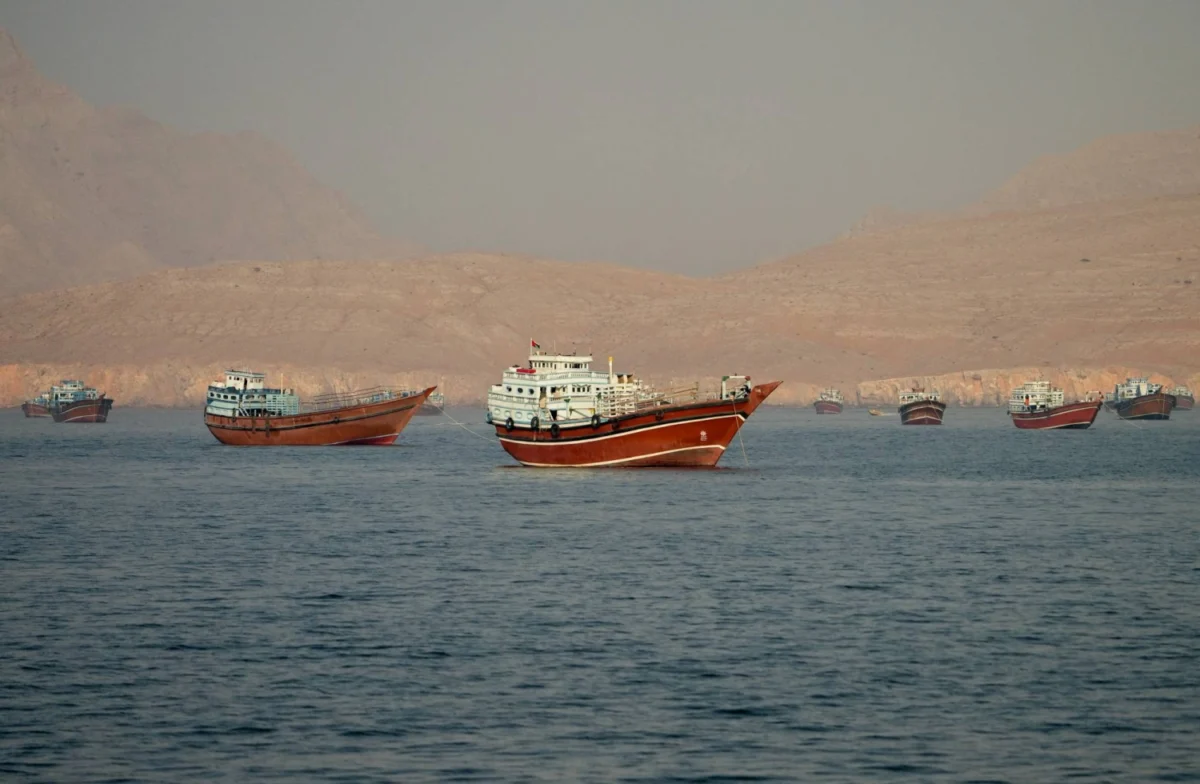
DUBAI/WASHINGTON — In a move that promises to redraw the geopolitical map of the Middle East, the United States and the Islamic Republic of Iran have officially reached a comprehensive agreement to terminate their long-standing hostilities. The announcement, confirmed by Pakistani Prime Minister Shehbaz Sharif and corroborated by President Donald Trump, signals the end of a volatile era characterized by brinkmanship, shadow wars, and economic sanctions.
The deal, which is set to be formalized during a high-profile signing ceremony in Switzerland this coming Friday, marks a stunning reversal of years of escalating tensions that had frequently pushed the region to the precipice of a full-scale conflagration.
The Path to Peace: A Chronology of De-escalation
The road to this historic breakthrough was anything but linear. For months, the Persian Gulf has been a theater of high-stakes maneuvering, with the Strait of Hormuz—the world’s most critical maritime oil chokepoint—serving as a focal point for military posturing.
- Early 2026: Following a period of heightened naval skirmishes near the Strait of Hormuz, back-channel diplomacy began in earnest. Neutral intermediaries, including Pakistan and several Gulf Cooperation Council (GCC) states, facilitated quiet dialogues aimed at cooling the rhetoric between Washington and Tehran.
- Late Spring 2026: Negotiators reportedly met in secret locations to address the core pillars of the dispute: nuclear enrichment thresholds, regional proxy influence, and the lifting of stringent U.S. economic sanctions.
- Sunday, June 14, 2026: A critical juncture occurred when an Israeli strike in Lebanon threatened to derail the delicate negotiations. The strike, which drew sharp condemnation from both the Iranian leadership and President Donald Trump, served as a stress test for the emerging deal. Rather than retreating, both sides doubled down on the necessity of a regional stabilization framework.
- Monday, June 15, 2026: Prime Minister Shehbaz Sharif broke the silence on social media, announcing that the deal was complete. Shortly thereafter, President Trump confirmed the breakthrough via his Truth Social platform, stating, “The Deal with the Islamic Republic of Iran is now complete.”
The Strategic Architecture of the Agreement
While the full text of the agreement remains under lock and key until the Friday ceremony in Switzerland, intelligence analysts and regional observers have identified several key pillars that likely underpin the framework.
1. Security and Maritime Stability
The primary objective of the deal is the immediate cessation of hostile acts in the Persian Gulf. With vessels passing through the Strait of Hormuz carrying nearly one-third of the world’s seaborne oil, the economic necessity of stability was paramount. The agreement is expected to include a "hotline" mechanism between the U.S. Navy’s Fifth Fleet and the Iranian Revolutionary Guard Corps (IRGC) Navy to prevent accidental escalation.
2. Economic Normalization and Sanctions Relief
A cornerstone of the Iranian demand has been the removal of U.S. sanctions that have paralyzed the Iranian economy for years. Observers expect the agreement to involve a phased release of frozen assets in exchange for verifiable commitments regarding Iran’s regional military activities and its ballistic missile program.
3. Regional Proxy De-escalation
The agreement likely addresses the "shadow war" fought through proxies across the Levant and the Arabian Peninsula. By securing a commitment from Tehran to curtail support for militant factions that engage in cross-border aggression, the U.S. aims to stabilize Lebanon, Syria, and Yemen, thereby reducing the probability of regional spillover.
Global and Regional Responses: A Mixed Reception
The announcement has sent shockwaves through the global diplomatic community. In Washington, the political establishment is divided; while some applaud the move as a triumph of "America First" deal-making, others express deep skepticism regarding the long-term enforceability of the commitments made by Tehran.
The View from Tehran
For the Iranian leadership, the deal represents a necessary pivot to address domestic economic crises. By securing relief from international isolation, the government in Tehran hopes to stabilize the Rial and address public dissatisfaction. However, the regime faces internal pressure from hardliners who remain fundamentally suspicious of American intentions.
The Israeli Perspective
The Israeli government remains the most vocal critic of the deal. The Sunday strike in Lebanon was widely interpreted as a signal that Jerusalem would not be bound by any agreement to which it is not a party. With Israel viewing Iran’s regional influence as an existential threat, the U.S.-Iran rapprochement creates a complex new dynamic for the Abraham Accords and Israel’s broader security architecture.

The Global Economic Impact
Energy markets responded with immediate volatility, with oil futures fluctuating as traders assessed the potential for Iranian crude to return to the global market. A full restoration of Iranian oil production would significantly increase global supply, potentially lowering energy prices and easing inflationary pressures in the West.
Implications: What Comes Next?
The transition from a state of war to a diplomatic partnership is fraught with obstacles. Historians and policy experts suggest that the following factors will determine the success or failure of the Switzerland agreement:
The Problem of Trust
The primary hurdle is the historical lack of trust between the two nations. Previous agreements, such as the JCPOA, eventually collapsed under the weight of political shifts in Washington and non-compliance accusations from both sides. To ensure this deal survives, analysts are looking for robust verification mechanisms that go beyond mere political promises.
The Role of Third Parties
The involvement of Pakistan as a facilitator highlights a shifting trend in Middle Eastern diplomacy: the rise of "middle-power" mediation. If the deal holds, it could pave the way for a broader regional security architecture that includes the GCC, potentially reducing the region’s reliance on the traditional U.S. security umbrella.
The Legislative Landscape
In the United States, the deal will face intense scrutiny in Congress. With mid-term political considerations at play, the administration will need to articulate how this deal serves the national interest without compromising the security of its traditional allies.
Conclusion: A Delicate Balance
The announcement of a peace deal between the United States and Iran is, without question, the most significant geopolitical event of the decade. It reflects a shift in global priorities, moving away from protracted military interventions toward transactional, interest-based diplomacy.
As the world prepares for the official signing ceremony in Switzerland, the mood is one of cautious optimism tempered by the hard reality of Middle Eastern history. The agreement offers a rare chance to extinguish one of the world’s most dangerous flashpoints. Whether this leads to a lasting peace or merely a temporary tactical pause remains to be seen.
For the millions living in the shadow of potential conflict, however, the news is a welcome reprieve. As the vessels transit the Strait of Hormuz this week, they do so under the gaze of a world watching to see if this promise of peace can truly withstand the fires of regional instability.
This report will be updated as further details regarding the text of the agreement and the specific terms of the Swiss summit become available.


 Neng Nana
 Asro
Asro