Raul Delapena Setiawan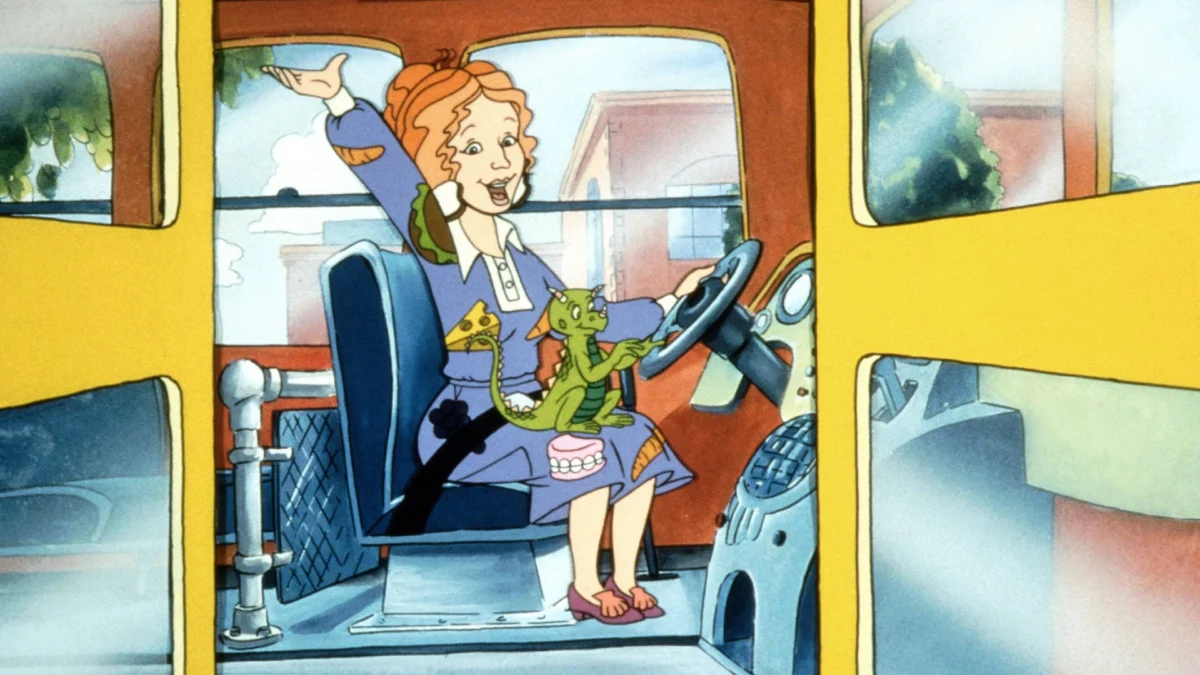
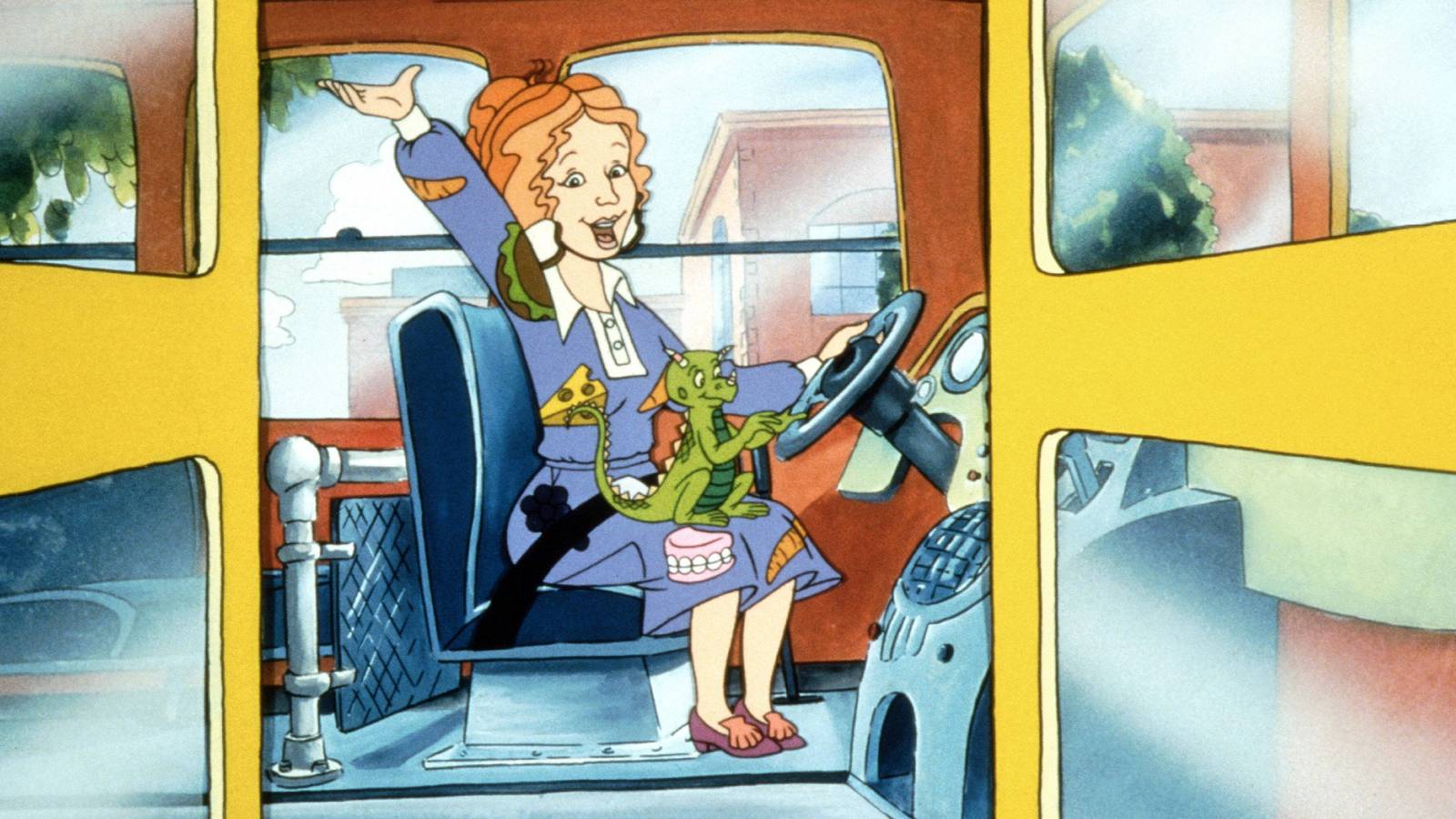
The announcement that Elizabeth Banks is set to helm the upcoming live-action adaptation of The Magic School Bus as the iconic Ms. Frizzle has sent a wave of nostalgia—and high expectations—through the entertainment industry. For millions who grew up in the 1990s, the series was more than just a cartoon; it was a foundational educational touchstone that managed to make the complexities of biology, physics, and geology feel like a high-stakes adventure.
As the production team looks to translate the sprawling, multi-decade history of Joanna Cole and Bruce Degen’s literary universe into a single feature-length cinematic experience, they face a classic adaptation dilemma: how do you distill a franchise defined by its episodic nature into a cohesive, compelling narrative? The answer, as many enthusiasts and critics agree, lies in the heart of the series’ most celebrated entry: "Inside Ralphie."
The Genesis of an Educational Icon
To understand the weight of this upcoming film, one must appreciate the pedigree of the material. The Magic School Bus debuted in 1985 as a book series, but it achieved global pop-culture dominance in 1994 when it premiered on PBS. With the legendary Lily Tomlin providing the voice for Ms. Frizzle, the show masterfully combined whimsical animation with rigorous scientific concepts.
The franchise evolved over time, eventually spawning the 2017 sequel series, The Magic School Bus Rides Again. Through these iterations, the core conceit remained consistent: a group of curious, diverse students, led by their eccentric and seemingly omnipotent teacher, boards a bus that transcends the laws of physics to provide hands-on learning in the most literal sense. Now, as Elizabeth Banks prepares to step into the driver’s seat, the pressure is on to capture that same lightning in a bottle for a new generation.
The Case for "Inside Ralphie": A Narrative Anchor
While the franchise is filled with high-concept adventures—from journeys to the center of the Earth to trips around the solar system—the film requires a human-centric narrative arc to ground the audience. This is where the plot of "Inside Ralphie" (based on the book The Magic School Bus Inside the Human Body) becomes the ideal blueprint.
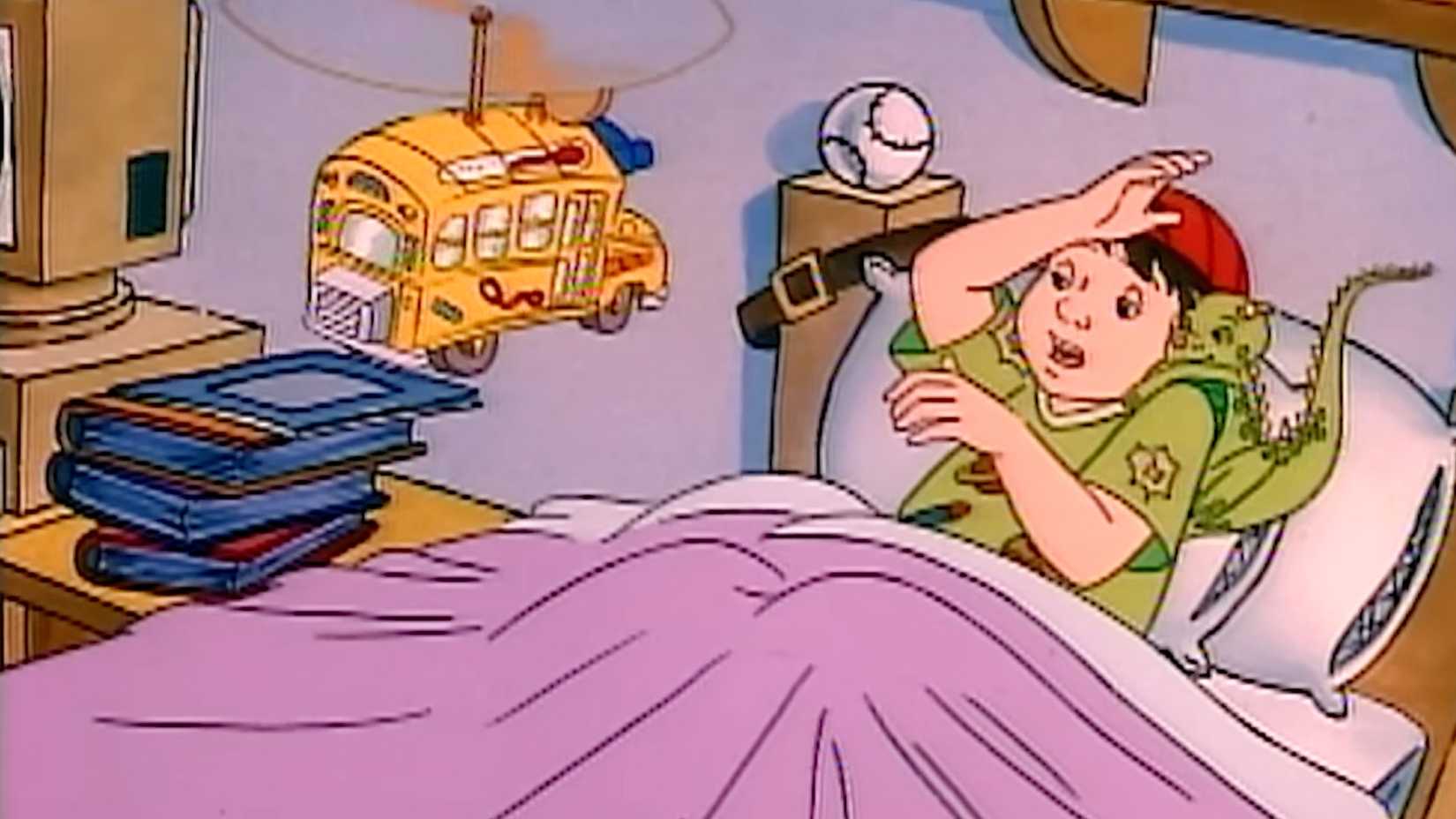
In this classic narrative, Ralphie, a beloved student, falls ill and misses school. What follows is not merely a lecture on germs or the immune system; it is a rescue mission. By shrinking the bus and entering Ralphie’s bloodstream, the class experiences the human body as a living, breathing landscape. This plot provides the perfect trifecta for a major motion picture:
- Personal Stakes: Unlike many episodes that focus on environmental science or outer space, this story is deeply personal. The mission is driven by empathy and the desire to help a classmate, which elevates the drama beyond simple observation.
- Scientific Spectacle: The human body provides an internal world that is visually distinct and inherently dramatic. It allows for the kind of "Fantastic Voyage" imagery that audiences crave in big-budget sci-fi.
- Character Dynamics: The episode serves as a perfect microcosm of the class’s personality. Each student’s unique perspective—Arnold’s caution, Carlos’s penchant for jokes, and Dorothy Ann’s analytical mind—is essential to the success of the mission.
By centering the movie on this specific adventure, the filmmakers can effectively introduce the audience to the capabilities of the bus while keeping the emotional stakes focused on the bonds of friendship within Walkerville Elementary.
Chronology of the Franchise: From Page to Screen
The journey of The Magic School Bus is a testament to the longevity of quality intellectual property.
- 1985: Joanna Cole and Bruce Degen release the first book, The Magic School Bus at the Waterworks, establishing the template of "field trips gone wild."
- 1994–1997: The animated series airs on PBS, becoming a staple of children’s programming and winning multiple Daytime Emmy Awards.
- 2017: Netflix revives the series with The Magic School Bus Rides Again, featuring Kate McKinnon as Fiona Frizzle, the younger sister of the original Ms. Frizzle.
- 2026: Casting news confirms Elizabeth Banks will lead the live-action adaptation, marking the first major departure from the traditional animated format.
Supporting Data: Why This Material Works
The enduring success of The Magic School Bus is backed by its unique educational methodology. Studies in pedagogy have often cited the series as a premier example of "narrative-based science education." By embedding scientific facts within a plot-driven story, the series decreases "cognitive load," allowing children to retain complex information regarding white blood cell function or the water cycle because it is tied to an emotional memory of the characters.
Furthermore, the "Inside Ralphie" narrative taps into a long-standing cinematic tradition of biological exploration. Much like the 1966 classic Fantastic Voyage or the 2001 animated hit Osmosis Jones, the premise of internal exploration is a proven crowd-pleaser that appeals to both children and adults. It balances the "gross-out" humor inherent in discussing bacteria and viruses with genuine awe at the resilience of the human form.

Official Responses and Creative Direction
While details regarding the script remain under wraps, early reports suggest that the production aims to respect the source material while modernizing the technology of the bus. Elizabeth Banks, known for her sharp comedic timing and dramatic depth, is widely viewed as the perfect successor to Lily Tomlin. Her ability to balance the whimsical energy of the Frizzle persona with the grounded, intelligent curiosity of a teacher suggests a nuanced performance.
The creative team has indicated that while they intend to keep the setting rooted in the familiar world of Walkerville, the "world-building" will be more expansive than in the original series. This implies that the film may treat the "bus" as a character in its own right, perhaps hinting at the origins of its sentient technology—a point that was left largely unexplored in the books.
Implications for the Future of Educational Cinema
The decision to adapt The Magic School Bus into a live-action film is a significant gamble for the industry. If executed correctly, it could revitalize the genre of educational family films, which has struggled to compete with the sheer spectacle of modern superhero franchises.
If the film leans too heavily into the "Inside Ralphie" narrative, it risks feeling like a standard episode. However, by using that story as a foundational core and weaving in references to other iconic adventures—such as the "Beehive" episode or the "Geology" field trip—the movie can create a sense of scale. The implication here is that the film will likely utilize a "framing device" approach: perhaps the class is preparing for a grand expedition, and they reminisce about their previous, smaller-scale adventures, or they are forced to utilize the skills learned in previous trips to save the day in their current one.
Conclusion: A New Horizon for Ms. Frizzle
As we look toward the release of this film, the potential for success is immense. The audience is already there; there is a multi-generational hunger for the return of Ms. Frizzle. The challenge for the production will be to maintain the "magic" of the original—the idea that science is not a chore, but an adventure—while delivering the visual feast that modern cinema audiences expect.
By focusing on the intimate, high-stakes, and deeply human story of "Inside Ralphie," the film can anchor itself in the heart of what made the franchise work in the first place. Elizabeth Banks has the opportunity to redefine a pop-culture icon for a new century, and if the production team maintains the integrity of the science and the whimsy of the characters, The Magic School Bus movie could very well become the standard-bearer for the next generation of family entertainment.
We are reminded, as we always were, that to learn is to grow, and if the new film follows the roadmap laid out by decades of excellence, it will be a trip that audiences will be lining up to take for years to come. Buckle up, class—the bus is about to depart.


 Suro Senen
 Nana
Nana