Azzam Bilal Chamdy
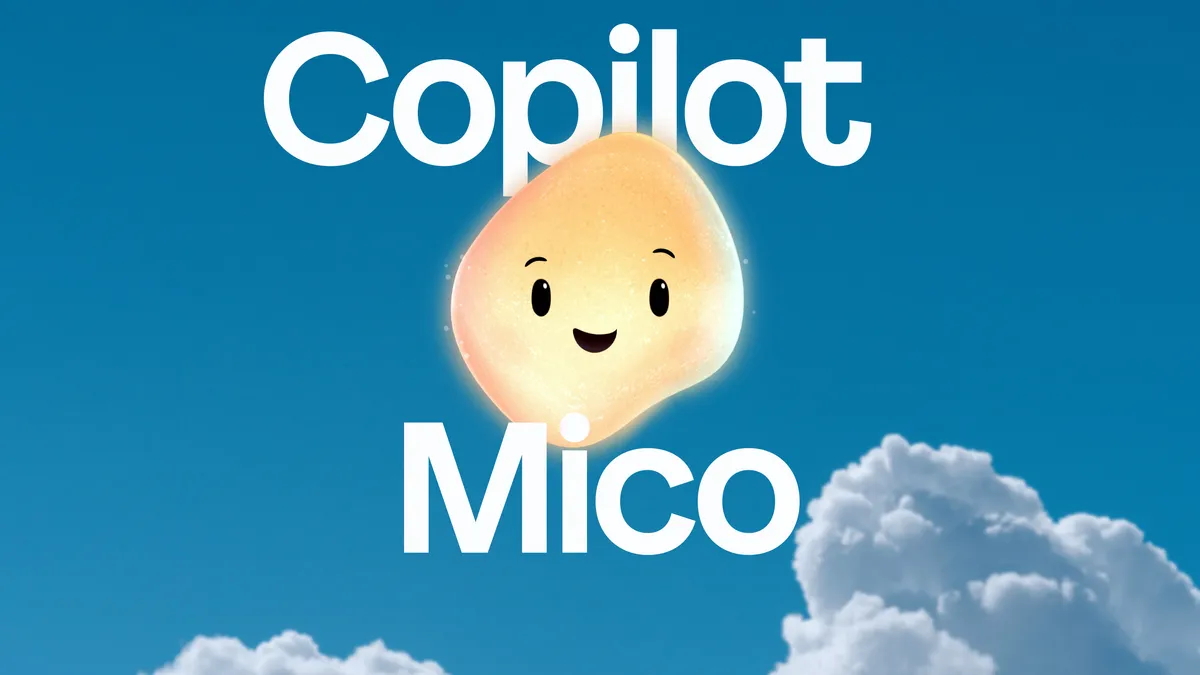
Cute AI mascots are suddenly everywhere. From the winking, expressive faces of Microsoft’s Mico to the ever-present, waving "Little Finder Guy" on Apple’s macOS, the tech industry is leaning heavily into character design to humanize the cold, calculated logic of generative AI. Mozilla, too, has pivoted toward mascot-led interfaces, joining a growing movement of companies attempting to bridge the widening chasm between complex machine learning and the average user.
But as these digital avatars proliferate across our screens, a vital question emerges: Are we witnessing a new era of intuitive, user-friendly design, or is Big Tech attempting to "cute-wash" our growing anxiety toward artificial intelligence?
The Main Facts: Humanizing the Black Box
The fundamental challenge for developers today is that AI remains, for most, a "black box." Users input data and receive outputs, but the underlying mechanisms—the training sets, the predictive logic, and the ethical guardrails—remain opaque.
In an attempt to mitigate this, tech giants are turning to anthropomorphism. By assigning a face, a name, or a personality to an algorithm, companies are attempting to lower the cognitive load required to interact with advanced software. It is a psychological shortcut. A friendly, cartoonish puppy like Microsoft’s Mico doesn’t just perform a task; it acts as a social surrogate, inviting the user to treat the interaction as a conversation rather than a data retrieval process.
A Chronology of the Mascot Trend
The use of mascots in computing is not entirely new, but its application to AI marks a distinct shift in intent:
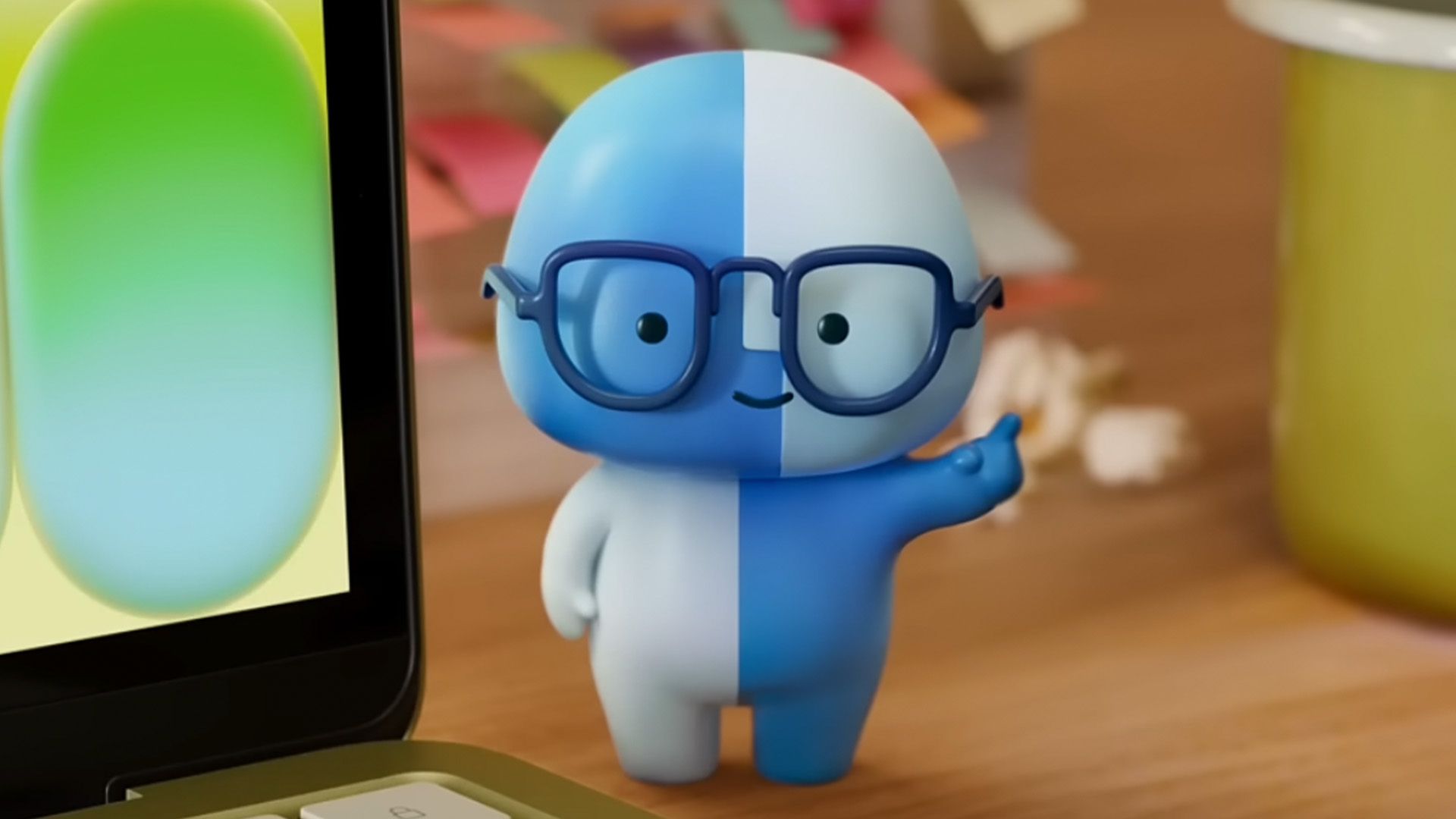
- The Early Days (1980s–1990s): Characters like Clarus the Dogcow (Apple) and Clippy (Microsoft) were designed to make computers feel accessible. Clippy, in particular, remains a cautionary tale of "over-eager" assistance that ultimately frustrated users rather than helping them.
- The Mobile Era (2000s–2010s): As interface design turned toward minimalism, mascots were largely banished in favor of flat, clean aesthetics. The goal was utility over personality.
- The Generative AI Boom (2022–Present): With the rapid democratization of Large Language Models (LLMs), the barrier between user and machine has dissolved. Because AI is now capable of "chatting," companies have returned to character design to provide a familiar "hook" for these conversational interfaces. We have moved from the "Helpful Assistant" to the "Digital Companion."
Supporting Data: Do Mascots Actually Build Loyalty?
The industry’s pivot is backed by long-standing marketing research, though its applicability to the current AI landscape is debated. A notable BBC report cited studies suggesting that brand campaigns featuring mascots are 37% more likely to grow market share.
However, this research predates the generative AI revolution. Historically, a mascot for a cereal brand or a bank serves to simplify a commodity. In the context of AI, the mascot is meant to navigate a relationship involving personal data, creative output, and complex decision-making.
The core tension is that while a mascot may increase "engagement"—a key metric for tech companies—it does not necessarily correlate with "trust." In fact, if a user feels that a digital face is merely a facade for a data-mining operation, the mascot can trigger an "uncanny valley" effect, leading to deeper distrust of the technology it represents.
The Design Perspective: Hiring, Not Just Drawing
For professional design studios like forpeople, the discourse around mascots needs to evolve. As Patrick, lead of the creative team at forpeople, observes, the focus should not be on whether a mascot is "cute," but on whether it can sustain a long-term, functional relationship with a user.
Defining the Role
Designers must treat the creation of an AI mascot as if they were hiring a human employee. This requires answering specific questions:
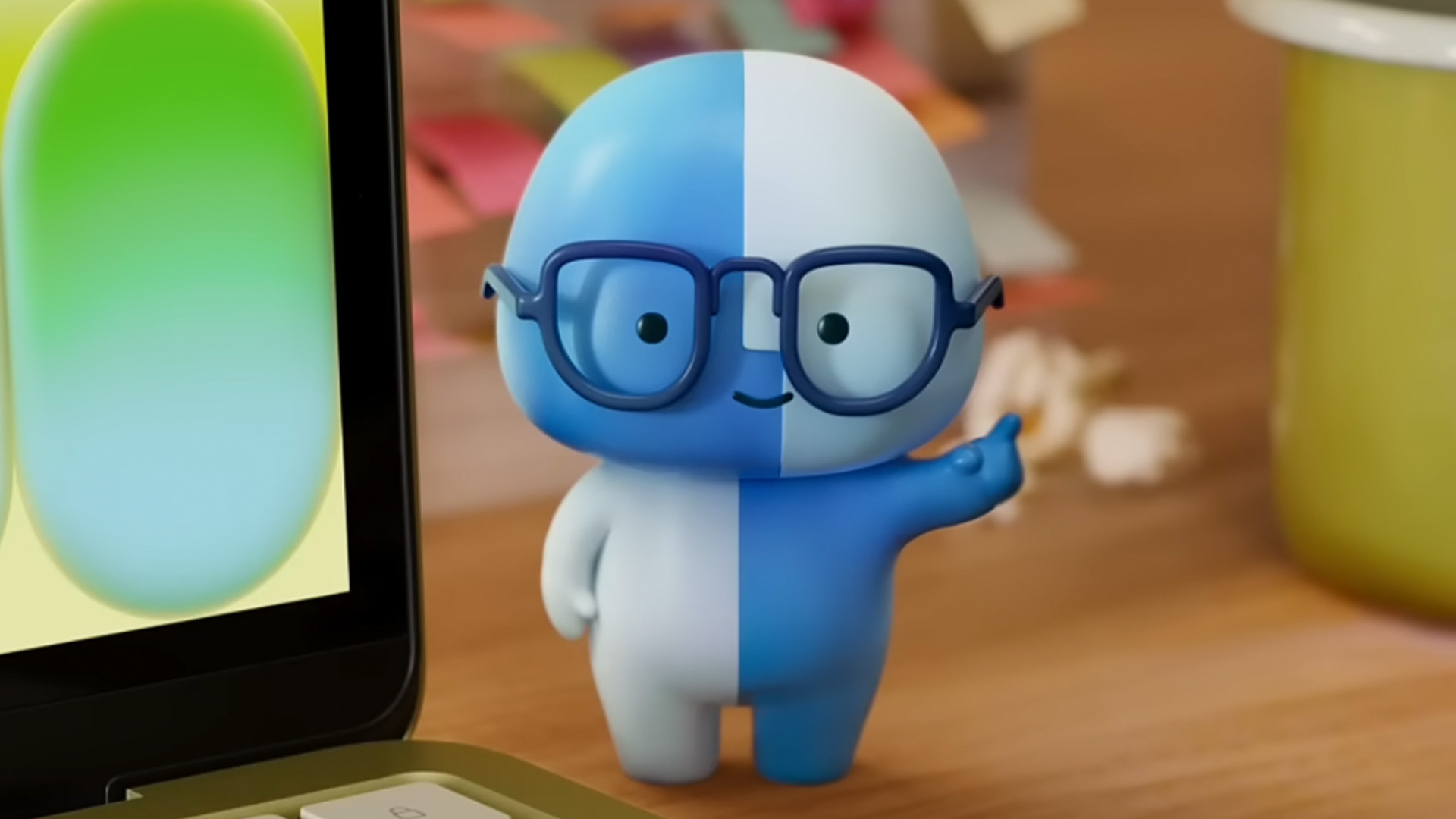
- What problem is this entity solving?
- What core values must it demonstrate?
- How does it evolve as the user’s needs change?
Take, for instance, NOMI, the in-car AI for NIO. Rather than being a static graphic, NOMI was designed with nuances—moods, micro-animations, and the ability to "withdraw" when the environment requires silence, such as when children are sleeping. This level of behavioral design moves the mascot from being a "corporate megaphone" to a legitimate co-driver.
Implications: The Ethics of the "Digital Companion"
The industry-wide trend of positioning AI as a "companion" carries profound ethical implications.
1. The Myth of Friendship
Companies are aggressively marketing their AI agents as friends, partners, or companions. This is a design choice aimed at bypassing the critical faculty of the user. When a user perceives an entity as a "friend," they are statistically more likely to disclose sensitive personal information and less likely to question the accuracy of the AI’s responses.
2. Consistency as the Bedrock of Trust
Trust is built through consistent behavior, not through "big, adoring eyes." If a tech company introduces an AI with a playful, lighthearted personality, but that same AI fails to protect user privacy or provides hallucinated, biased information, the mascot becomes a symbol of corporate deception. Users are becoming increasingly savvy; they recognize that a cartoon puppy does not change the nature of a data-hungry corporation.
3. The Future of Interface Design
The path forward for AI mascots lies in agency. Instead of designing mascots to be "cute," developers should design them to be competent, transparent, and respectful of boundaries. A successful AI character should know when to stay silent, when to offer proactive help, and when to get out of the way.
Conclusion: A Call for Authenticity
As the dust settles on the initial hype of the generative AI era, we must demand more from the characters that represent our software. Bolting a smiley face onto a black box is a superficial solution to a structural problem.
If tech giants want to earn the loyalty of their users, they should treat their AI agents like they would their most valuable employees: give them clear responsibilities, ensure their behavior is consistent and transparent, and, above all, respect the user’s intelligence.
And, as the industry moves forward, it is perhaps time to retire the marketing jargon that frames every chatbot as a "companion." We are using tools, not acquiring new friends. Acknowledging that distinction is the first step toward a more honest, human-centered future in technology.
For more insights into the intersection of art, design, and technology, subscribe to the Creative Bloq daily newsletter.


 Muslim
 Dwi Wanna