Ali Ikhwan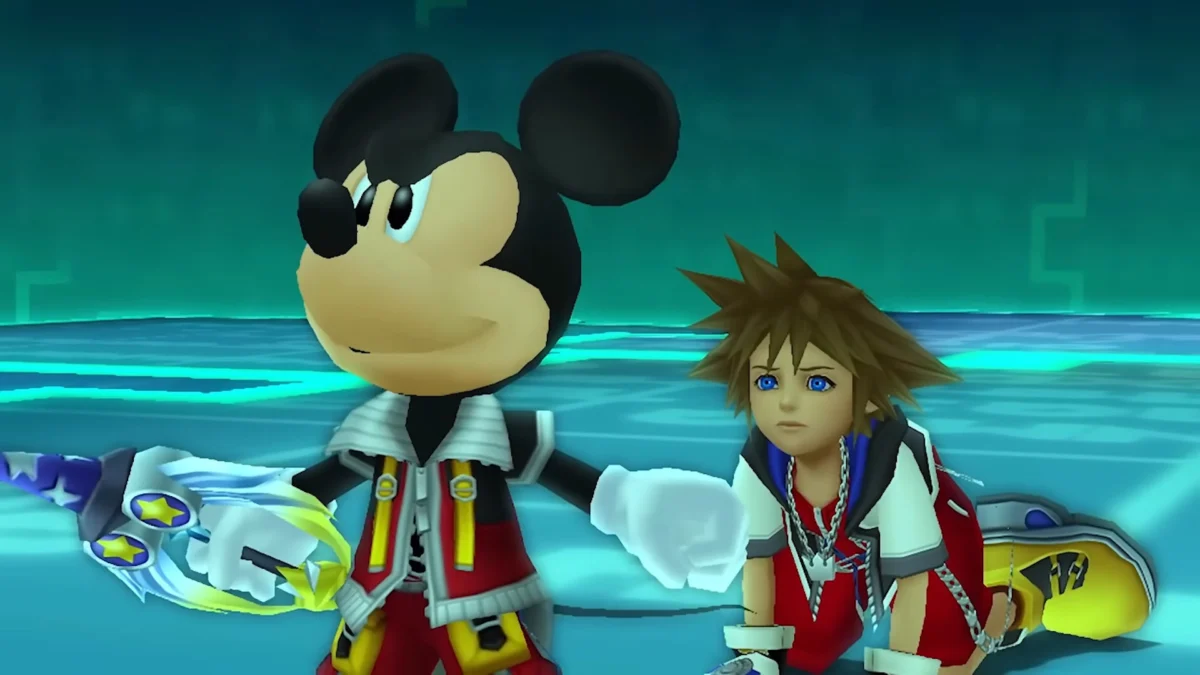
Tetsuya Nomura is a name synonymous with the aesthetic evolution of modern Japanese role-playing games. From the intricate, belt-buckle-laden character designs of Final Fantasy VII to the strategic depth of the Limit Break system, his influence on the industry is indelible. Yet, despite his monumental contributions to the Final Fantasy canon, Nomura has recently identified a different venture as his definitive legacy: the sprawling, multiverse-spanning odyssey that is Kingdom Hearts.
In a candid interview with Famitsu, the franchise overseer and co-creator reflected on the two-decade journey of Sora, Donald, and Goofy. For Nomura, Kingdom Hearts is more than just a collaboration between Square Enix and Disney; it is the culmination of a lifetime of creative risk-taking and collaborative storytelling.
The Genesis of a Modern Classic
To understand the weight of Nomura’s admission, one must look back to the late 1990s. The industry was in the midst of a seismic shift, transitioning from the two-dimensional sprite work of the 16-bit era to the immersive, free-roaming potential of 3D environments.
The spark that ignited Kingdom Hearts was, ironically, the success of Nintendo’s Super Mario 64. Square Enix developers were captivated by the title’s revolutionary free-form movement and exploration mechanics. They envisioned a project that could marry that level of fluid gameplay with the narrative depth inherent to Japanese RPGs. However, the team faced a daunting reality: Square Enix lacked a mascot with the global, cross-generational recognition of Mario or Mickey Mouse.
The legend of how this hurdle was cleared has become part of gaming folklore. During a chance encounter in an elevator, Square Enix co-creator Shinji Hashimoto crossed paths with a Disney executive. What began as a conversation about shared office space in Japan blossomed into one of the most unlikely and successful partnerships in entertainment history. This "elevator pitch" effectively bridged the gap between the dark, complex character designs of Square’s flagship titles and the whimsy of the Disney pantheon.
A Chronology of a Multiverse
The Kingdom Hearts timeline is notoriously dense, spanning numerous console generations and handheld iterations. Its history is a testament to Nomura’s insistence on a singular, overarching narrative thread.
- 2002: The original Kingdom Hearts launches on PlayStation 2, introducing the world to Sora and the concept of "Hearts." It proves that the fusion of anime-inspired melodrama and classic Disney charm is not only viable but commercially potent.
- 2005: Kingdom Hearts II refines the combat system, introducing the "Drive" forms and setting the standard for action-RPG fluidity.
- 2007–2018: The "Dark Seeker Saga" expands through a labyrinthine series of spin-offs and sequels, including Chain of Memories, Birth by Sleep, and Dream Drop Distance, each deepening the lore of Keyblade wielders and the nature of darkness.
- 2019: Kingdom Hearts III arrives, ostensibly concluding the first major arc of the series, though it leaves the door wide open for the "Lost Master Arc."
- The Future: With the reveal of Kingdom Hearts 4, the franchise prepares to enter a more mature, grounded chapter, signaling a shift in both tone and technological ambition.
The Philosophical Core of "A Land of Dreams"
In his interview, Nomura spoke with palpable nostalgia about the early days of development. "I never imagined it would become such a long journey," he admitted. "At the beginning of the project, I made numerous trips to Disney headquarters for meetings, and many of the things we discussed back then have come to fruition over time. It truly has become a land of dreams and magic."
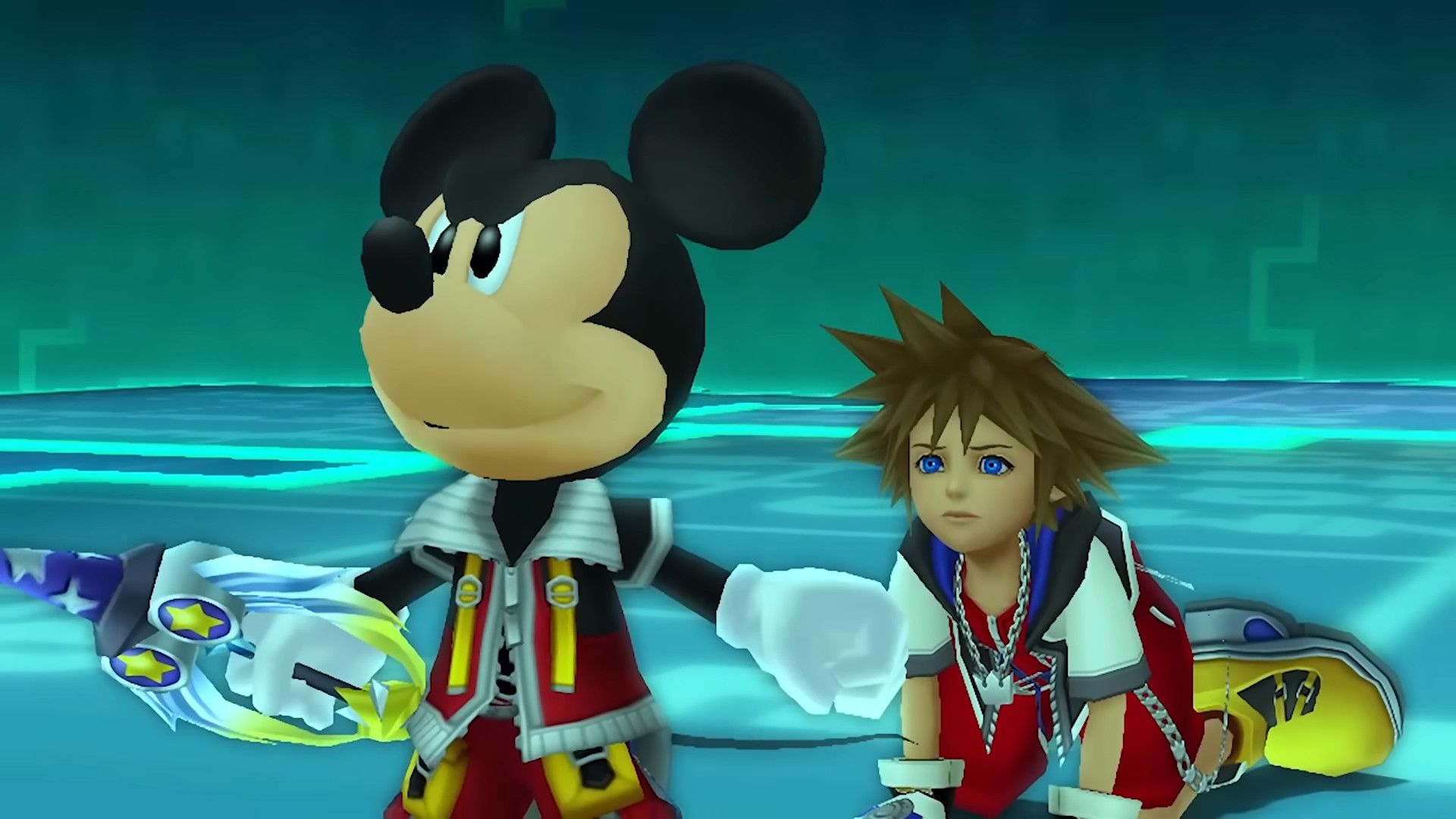
This sentiment underscores why Kingdom Hearts stands apart from his other work. While Final Fantasy often explores themes of political upheaval, technological dystopia, and existential dread, Kingdom Hearts serves as a bridge between childhood wonder and the complexities of growing up. Nomura’s ability to weave these disparate worlds into a coherent, if complex, tapestry is what he views as his life’s work.
Implications for Kingdom Hearts 4
The announcement of Kingdom Hearts 4 has reignited excitement, particularly regarding the title’s shift toward a more realistic visual aesthetic. The recent trailers, which showcased a more mature-looking Sora navigating a photorealistic urban environment, suggest that the series is maturing alongside its original audience.
The implications for the franchise are significant:
- Technological Shift: By targeting a multi-platform release across PC, PS5, Xbox Series X|S, and the upcoming Nintendo Switch 2, Square Enix is signaling a commitment to high-fidelity, cross-generational accessibility.
- Narrative Maturity: Nomura has confirmed that the team is "trying something new" with the fourth installment. Given the cryptic nature of the previous trailer, which included characters from defunct mobile spin-offs, fans can expect the narrative to become even more integrated, rewarding long-term players while attempting to maintain the accessibility that made the original so popular.
- Creative Autonomy: Nomura’s emphasis on the project as his "life’s work" suggests that Kingdom Hearts 4 will be a deeply personal endeavor. He has stated that there are "still things I want to accomplish," implying that the upcoming game will be the vehicle for long-gestating ideas that could not fit into the previous saga.
The Legacy of the Keyblade
As we look toward the next chapter, it is clear that Nomura’s influence remains the bedrock of the franchise. He is a director who refuses to simplify his vision, even when the lore becomes labyrinthine. For many fans, this complexity is the draw—the sense that every belt, every zipper, and every cryptic line of dialogue is a deliberate piece of a larger puzzle.
The transition to the next generation of hardware with Kingdom Hearts 4 represents more than just an upgrade in graphics. It represents the evolution of a creator who has spent half his career building a digital world that transcends the boundaries of traditional intellectual properties.
Whether one is a newcomer drawn in by the promise of exploring iconic Disney worlds or a veteran deciphering the nuances of the "Lost Master Arc," the reality remains: Kingdom Hearts is a unique anomaly in the gaming landscape. As Nomura continues to chart the path for Sora’s future, one thing is certain: he is no longer just making games; he is curating a legacy.
As the industry waits for further details on Kingdom Hearts 4, the excitement surrounding its development serves as a reminder of the power of persistence. What started in an elevator between two companies has become the defining achievement of one of gaming’s most enigmatic auteurs. For Tetsuya Nomura, the journey is far from over; it is merely entering a new, more ambitious chapter of the dream.


 Nana Muazin
 Nana
Nana