Rifan Muazin
For decades, the Harley-Davidson Motor Company has been synonymous with American motorcycling culture. While the brand is celebrated for its aesthetic legacy and historical weight, the true heartbeat of any Harley is its engine. Since the introduction of the Milwaukee-Eight (M8) in 2016, the platform has served as the centerpiece for the brand’s Touring and Softail lineups. As these motorcycles accumulate hundreds of thousands of miles on the road, a critical question persists among enthusiasts and prospective buyers: Is the Milwaukee-Eight truly reliable?
The answer, as evidenced by years of owner reports, technical service bulletins, and mechanical analysis, is nuanced. While the M8 is largely regarded as a leap forward in performance and efficiency compared to its predecessor, the Twin Cam, it has faced distinct mechanical hurdles that have shaped its reputation in the aftermarket community.
The Core Performance Philosophy
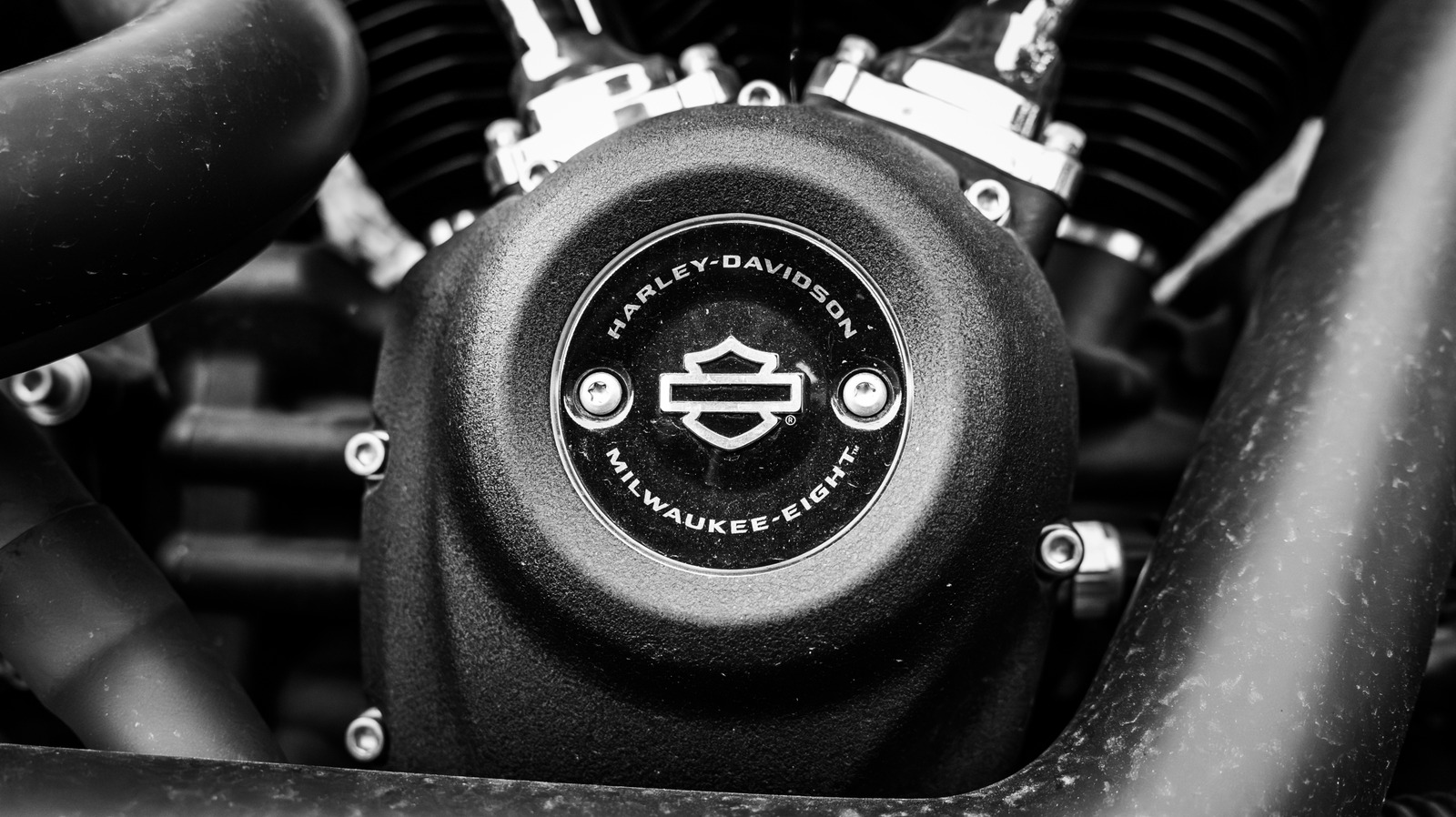
The Milwaukee-Eight was designed to address the evolving demands of modern riders. Named for the eight valves—four per cylinder—that define its architecture, the engine represents a fundamental shift in Harley’s engineering philosophy. By moving away from the two-valve-per-cylinder setup that defined the brand for generations, Harley aimed to increase intake and exhaust flow, resulting in significantly higher power output and improved combustion efficiency.
For the average rider, this translates to a smoother, more responsive ride. However, reliability in a V-twin engine is a complex metric, often measured by heat management, oil circulation, and the durability of internal components like the camshaft and oil pump.
Chronology: The Lifecycle of the M8
To understand the reliability of the M8, one must look at the timeline of its deployment and the subsequent mechanical interventions by the factory.
- 2016 (The Launch): Harley-Davidson introduced the Milwaukee-Eight, initially in 107-cubic-inch displacement for its Touring and Trike lines. Early reception was largely positive, with riders praising the increased torque and reduced vibration.
- 2017 (The First Hurdles): As the engine saw widespread use, reports began to surface regarding "sumping"—a condition where oil fails to scavenge properly from the crankcase. The National Highway Traffic Safety Administration (NHTSA) records show that Harley-Davidson issued a technical service bulletin (TSB) in 2017 to address these concerns.
- 2018–2019 (The Correction): Harley-Davidson introduced upgraded oil pumps and revised ventilation designs. This period marked a transition where the company actively refined the engine’s internal oil management to prevent the pooling of lubricant in the bottom of the case.
- 2020–Present (Expansion and Refinement): The M8 family expanded into the 114, 117, and eventually 121-cubic-inch variants. By this stage, the majority of early-production "teething" issues had been largely resolved through manufacturing improvements, and the platform solidified its reputation as a high-mileage workhorse.
Supporting Data: What Do Owners Say?
Reliability is often a subjective experience, but community data provides a compelling look at the M8’s durability. On platforms such as the Harley-Davidson Forum and UKGSer, threads dedicated to the M8 are filled with accounts of longevity.
One notable thread features an owner who claims to have amassed over 224,000 miles on a 2020 model over a five-year period without catastrophic engine failure. Such stories are becoming increasingly common. When interviewed, many long-term owners point to the engine’s ability to maintain its power output even after reaching the 100,000-mile mark.
However, the "sumping" issue remains the most frequently cited concern. Sumping occurs when oil collects at the bottom of the crankcase, causing the flywheel to churn through the fluid. This results in significant parasitic power loss, heat buildup, and in extreme cases, damage to the engine internals. While the internet is rife with anecdotes about sumping, mechanical experts often note that this is largely confined to the 2017–2018 model years. For riders who purchased post-2019 models, the risk is statistically lower, as the updated oil pump design significantly improves scavenging efficiency.
Official Responses and Technical Bulletins
Harley-Davidson’s approach to the M8’s challenges has been methodical. Rather than ignoring the issues, the company utilized factory service bulletins to guide technicians through repairs.
The 2017 bulletin is a critical piece of evidence in the engine’s history. It specifically identified that the sumping phenomenon was exacerbated by extended high-RPM operation and heavy engine loads. By acknowledging that specific riding conditions could lead to oil pooling, Harley provided a roadmap for dealers to install upgraded oil pumps. These revisions involved not just replacing parts but updating the internal oil flow pathways to ensure that the crankcase remains effectively evacuated during all riding conditions.
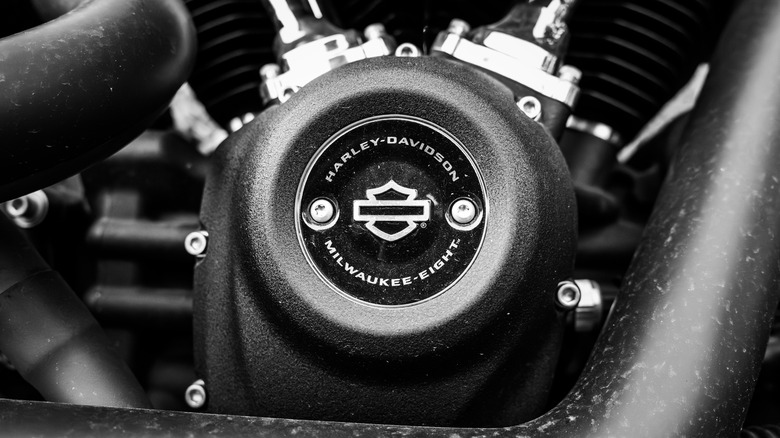
Furthermore, the continued use of the M8 across the company’s most expensive and performance-oriented motorcycles—such as the CVO Road Glide ST—indicates a high level of corporate confidence in the platform. If the engine were inherently flawed, it would be unlikely to serve as the flagship for the company’s most advanced touring machines.
Implications for the Used Market
The discourse surrounding the M8 has significant implications for those looking to purchase a pre-owned Harley-Davidson.
- The "Early Model" Discount: Potential buyers should be aware that 2017 and 2018 models might require verification that the oil pump upgrade has been performed. A bike with an original pump from 2017 may be a liability, whereas one that has been updated is often considered a bargain.
- Maintenance is Paramount: The M8 is a modern, high-performance engine that demands strict adherence to service intervals. Owners who perform regular oil changes and use the manufacturer-recommended lubricants report significantly higher satisfaction levels.
- Performance Mods: A large segment of the Harley community opts for aftermarket camshafts and big-bore kits. While these modifications increase performance, they can also stress the engine components. Reliability reports often fail to distinguish between stock engines and those that have been heavily modified, which is a vital distinction for prospective buyers.
Conclusion: A Platform of Progress
When evaluating the Milwaukee-Eight, it is essential to distinguish between "teething issues" and "fundamental flaws." The M8 is not a flawed design; rather, it was a major leap in engineering that required refinement in its early years.
Compared to the Twin Cam and the Evolution engines that preceded it, the Milwaukee-Eight offers superior thermal efficiency, lower emissions, and a significantly higher ceiling for power delivery. The overwhelming majority of owners report trouble-free service, with many achieving high-mileage milestones that were once considered rare for V-twin engines.
While the "sumping" narrative persists in online forums, it is increasingly becoming a footnote in the engine’s history. For the modern rider, the Milwaukee-Eight stands as a testament to Harley-Davidson’s ability to evolve. By embracing modern technology—including oil cooling and advanced valvetrain design—Harley-Davidson has succeeded in creating a platform that satisfies the need for traditional "thump" while delivering the reliability required for the 21st-century rider. Whether you are commuting in the city or embarking on a cross-country tour, the Milwaukee-Eight has proven itself to be a capable, durable, and highly engineered partner for the road ahead.



 Nila Kartika Wati