Raul Delapena Setiawan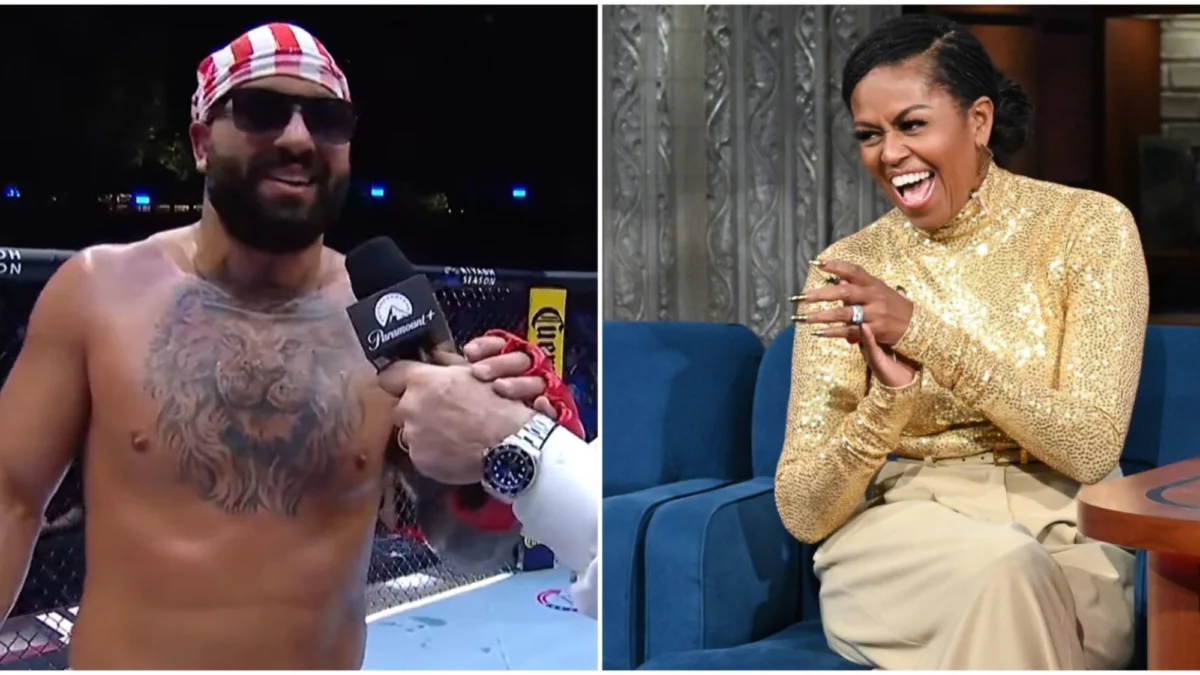
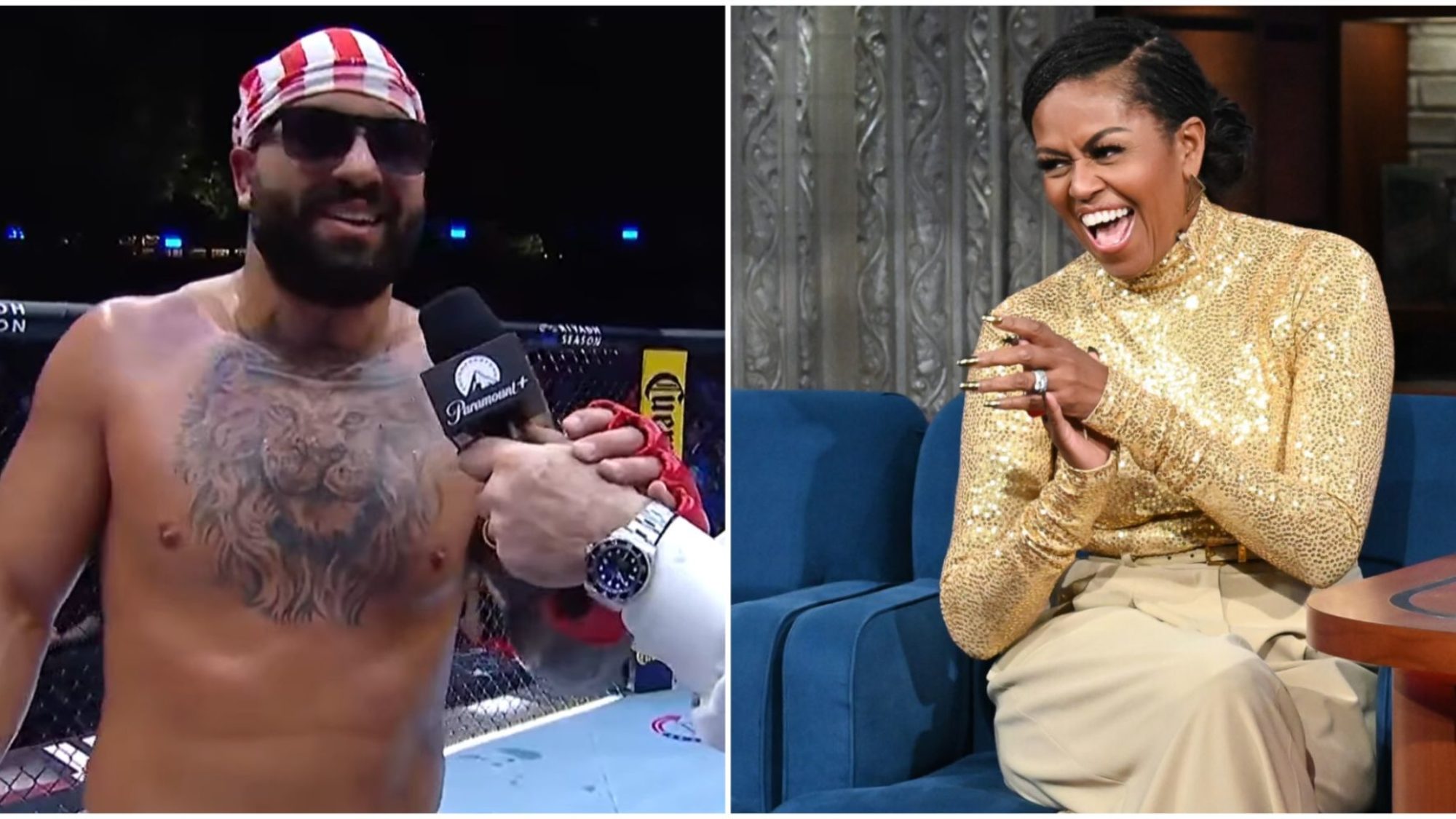
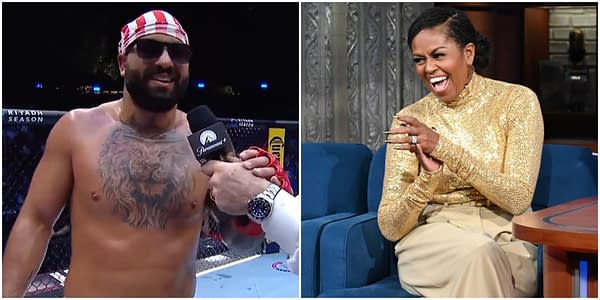
The landscape of professional sports has long served as a mirror for the broader cultural and political fractures within the United States. However, the boundaries of professional conduct were arguably crossed during the recent UFC 250 event, an evening already shrouded in political theater. Following a second-round technical knockout victory over Derrick Lewis, UFC fighter Josh Hokit utilized his post-fight platform—a moment traditionally reserved for athlete promotion and gratitude—to deliver an unprovoked, disparaging remark concerning former First Lady Michelle Obama.
The incident, which occurred during a live broadcast, has ignited a firestorm of debate regarding the intersection of combat sports, political discourse, and the responsibilities of athletes who occupy the public spotlight.
The Chronology of the Incident
UFC 250 was marketed as a high-profile spectacle, coinciding with the birthday of former President Donald Trump. The atmosphere within the arena was characterized by a heavy presence of political figures and high-profile supporters of the former president. The event, which organizers framed as a celebration of American spirit and resilience, served as the backdrop for Hokit’s controversial performance.
The Post-Fight Interview
Following his TKO victory, Hokit was approached by veteran UFC commentator Joe Rogan for the customary post-fight interview. What began as a standard sequence of athletic posturing quickly devolved into a series of inflammatory statements. Hokit, visibly energized by his win, engaged in a rambling monologue that attempted to cultivate a "wacky" persona, a trend seen increasingly in the sport as fighters look to build their personal brands through social media-friendly soundbites.
Hokit pivoted from discussing his tactical approach to the fight to making overt political gestures. After offering praise to Donald Trump and referencing religious themes, he concluded his remarks with a derogatory, baseless slur directed at Michelle Obama. The remark, which questioned the former First Lady’s gender, was delivered directly into the microphone.
The Role of the Commentator
A significant point of criticism has been the reaction—or lack thereof—from Joe Rogan. As the primary facilitator of the interview, Rogan remained silent in the face of the remark. This lack of intervention has drawn sharp scrutiny from media critics and fans alike, who argue that the promotion’s broadcast team has a responsibility to maintain a level of decorum during live interviews, particularly when a guest engages in personal attacks against high-profile public figures.
The Cultural Context of UFC 250
To understand the intensity of the reaction to Hokit’s comments, one must analyze the environment of UFC 250. The event was not merely a series of athletic contests; it was deeply intertwined with the contemporary American "culture war."
A Politicized Arena
The decision to align the event with the political branding of Donald Trump created a volatile atmosphere. Critics have pointed out that the presence of high-profile political figures at the ringside, combined with the event’s branding, transformed the UFC cage into a de facto political rally. In this context, Hokit’s comments were interpreted by many as an attempt to signal loyalty to a specific political faction by demeaning a prominent figure associated with the opposition.
The "White-Trash-a-Palooza" Critique
Industry observers have noted a trend where certain athletes believe that adopting extreme or offensive rhetoric is the fastest path to mainstream notoriety. This behavior, often labeled as "trash talk," is a staple of combat sports, but there is a growing consensus that the discourse has shifted from athletic rivalry to toxic political performativity. By targeting Michelle Obama—a figure whose legacy is largely defined by public health initiatives and educational advocacy—Hokit’s comments were viewed not as typical pre-fight banter, but as an unnecessary and malicious violation of social boundaries.
The Implications for the UFC Brand
The UFC, under the leadership of Dana White, has worked tirelessly to transition from a niche, controversial sport to a globally recognized mainstream powerhouse. This growth has relied on lucrative television deals, corporate sponsorships, and a massive pay-per-view audience.
Brand Safety and Corporate Sponsorship
When an athlete uses the UFC platform to engage in gender-based vitriol or partisan hostility, they inherently jeopardize the sport’s brand safety. Major advertisers are notoriously risk-averse; they rarely want their products associated with political controversies, particularly those involving derogatory attacks on former high-ranking government officials.
The Question of Professionalism
The UFC’s code of conduct generally governs fighter behavior, but the application of these rules is often viewed as subjective. While the promotion encourages "big personalities," the question remains: where does the promotion draw the line? By failing to address Hokit’s comments in the immediate aftermath, the organization risks being seen as complicit in the normalization of such rhetoric. If the UFC seeks to maintain its status as a premier global sports league, it may eventually be forced to implement more stringent guidelines regarding what can be said during post-fight interviews.
Official Responses and Public Sentiment
As of this writing, there has been no official statement from the UFC front office regarding potential disciplinary action for Josh Hokit. The lack of a swift response has led to a polarized reaction on social media.
The Social Media Divide
On platforms like X (formerly Twitter) and Reddit, the incident has highlighted the deep divide among the MMA fanbase. One segment of the audience views the incident as a breach of professional conduct, calling for the UFC to issue an apology and fine or suspend the fighter. They argue that the sport has a responsibility to protect its image and the dignity of the individuals mentioned by its athletes.
Conversely, another segment of the audience has defended Hokit, citing "freedom of speech" and the long-standing tradition of inflammatory trash talk in combat sports. This group argues that the outrage is manufactured by mainstream media outlets and that the fighter should be allowed to express his opinions, regardless of their nature.
Silence from the Subject
Michelle Obama’s representatives have not commented on the remark. This is a standard approach for the former First Lady, who typically avoids engaging with minor or inflammatory provocateurs, choosing instead to focus on her ongoing advocacy work. Her silence, however, has not dampened the public discourse, as the incident has become a focal point for discussions about respect in public life.
The Broader Impact: Where Does Combat Sports Go from Here?
The incident involving Josh Hokit at UFC 250 serves as a case study for the challenges facing modern sports leagues. As the lines between entertainment, politics, and athletic competition continue to blur, leagues must decide how to manage the behavior of their stars.
The Need for Media Training
One potential outcome of this controversy is an increased focus on media training for fighters. While the UFC values "authenticity," there is a clear distinction between being a colorful character and engaging in speech that could lead to legal or public relations liabilities. Future contracts may include more specific clauses regarding the content of post-fight interviews.
The Future of the "Persona"
Hokit’s attempt to brand himself as a "wacky character" through this incident highlights a dangerous trend. If fighters feel that the only way to gain traction is through controversy, the quality of the sport’s discourse will inevitably decline. The UFC may need to re-evaluate how it promotes its athletes, shifting the focus back to technical skill and athletic achievement rather than manufactured political drama.
Conclusion
The controversy surrounding Josh Hokit at UFC 250 is more than just a momentary blip in a post-fight interview; it is a symptom of a larger issue within the intersection of sports and politics. By choosing to target a former First Lady with derogatory language, Hokit has sparked a conversation that the UFC can no longer ignore.
As the promotion moves forward, it faces a critical crossroads. It must determine whether it will continue to allow the "anything goes" environment that characterizes its current promotional strategy, or if it will take proactive steps to ensure that its platform remains a venue for sport rather than a soapbox for political toxicity. For now, the incident stands as a stark reminder of the power—and the peril—of a live microphone in the hands of an athlete who has not yet learned the difference between building a brand and damaging one’s reputation.

 Sagoh
Sagoh
 Ammar Sabilarrohman