Lina Irawan
Introduction: Beyond Minimalism
When one thinks of MUJI (Mujirushi Ryouhin), the immediate associations are usually clean aesthetics, organizational bins, minimalist stationery, and functional apparel. However, in recent years, the Japanese retail giant has undergone a quiet revolution in its food department. Moving far beyond simple snacks, MUJI has established itself as a purveyor of high-quality, convenient gourmet meals. From their legendary instant curry line to sophisticated freeze-dried soups, the brand has successfully captured the hearts of busy urbanites who refuse to sacrifice flavor for convenience.
Their latest venture, the "Made-in-Italy" risotto series, marks a significant milestone in this culinary expansion. By sourcing authentic ingredients directly from Italy and packaging them in a user-friendly, "cook-it-yourself" format, MUJI is bridging the gap between a home-cooked meal and a restaurant-grade experience. This article explores the mechanics, flavor profiles, and market implications of this new series.
The Concept: Authenticity in a Pouch
The "Made-in-Italy" risotto series is a testament to MUJI’s commitment to quality. Unlike many instant meals that rely on pre-cooked, dehydrated rice grains, these kits contain genuine, uncooked Italian rice. This inclusion changes the fundamental chemistry of the cooking process, allowing the consumer to achieve that elusive al dente texture that is the hallmark of a traditional Italian risotto.
By including the raw ingredients—rice, seasonings, and aromatics—within a single package, MUJI removes the guesswork of blending spices or sourcing specialized arborio or carnaroli rice. It is a masterclass in culinary accessibility, designed for the modern professional who craves a sophisticated dinner but lacks the time for a multi-step grocery run.
Chronology of the Experience: From Pantry to Plate
To understand the value proposition of this series, one must look at the preparation process. It is a deliberate, tactile experience that separates these meals from the "add hot water" variety of instant soup.
Phase 1: Preparation
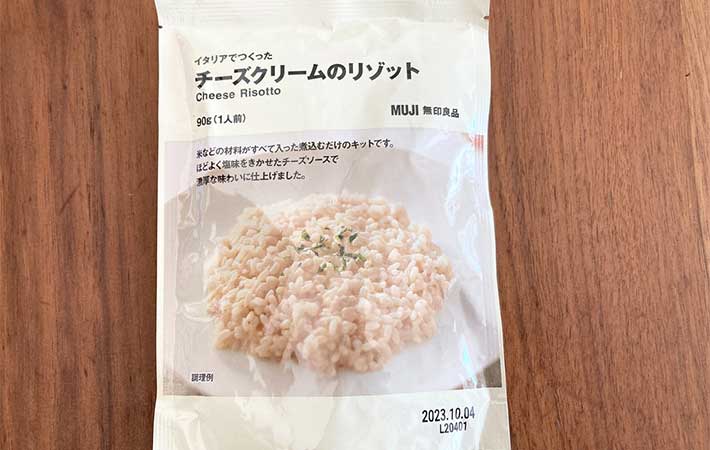
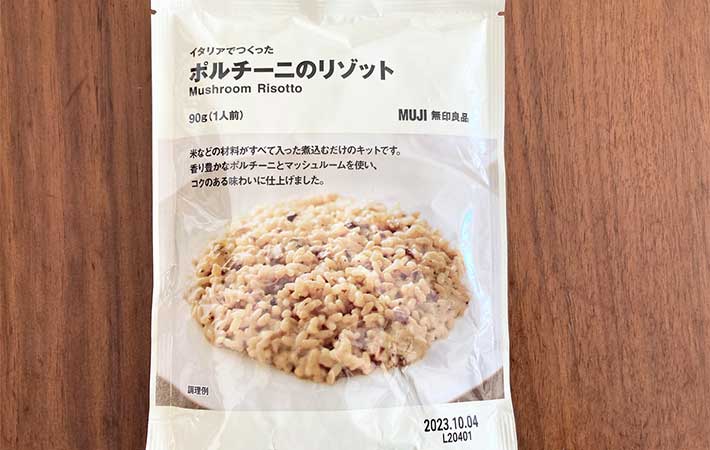
The journey begins with selecting a flavor. For our test, we chose the Cheese Cream and Porcini varieties. Opening the package reveals the raw components, confirming that this is a "from-scratch" experience condensed into a 30-minute window.
Phase 2: The Simmering Process
Preparation is straightforward but requires patience:
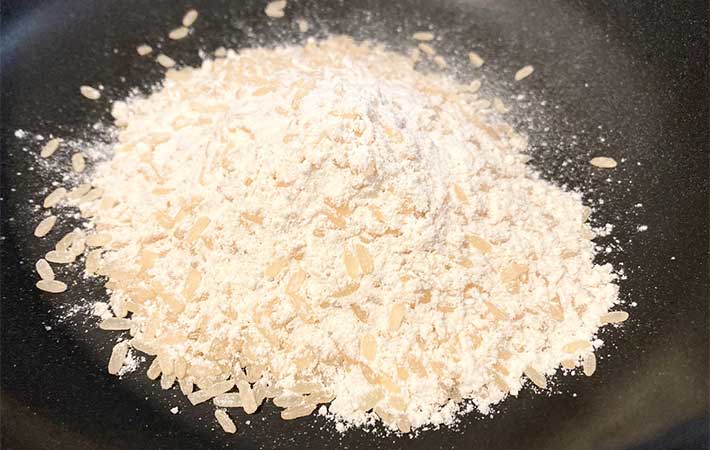
- The Foundation: Empty the contents of the package into a small, cold pot.
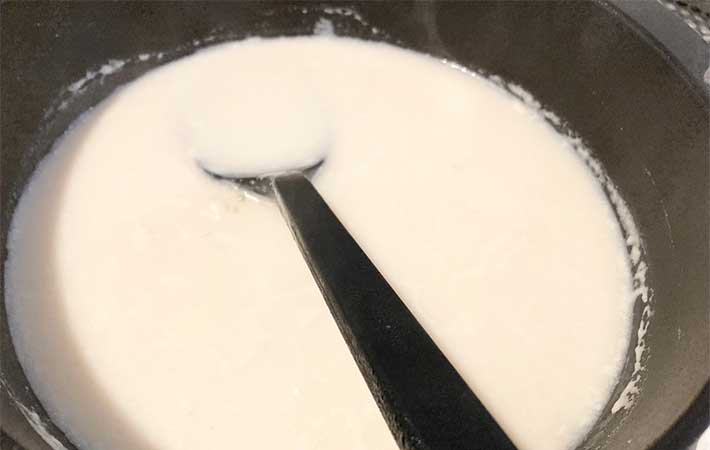
- Hydration: Add the specified amount of water. As the heat is turned to high, the aroma of the dehydrated ingredients begins to bloom.
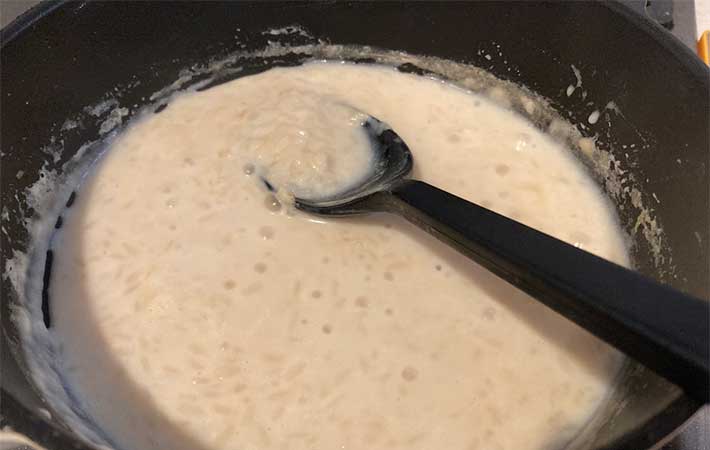
- The Emulsification: Once boiling, the heat is reduced to medium. This is the most critical stage. As the water evaporates, the rice releases its starch, creating the signature creamy texture of a proper risotto. Frequent stirring is essential to prevent scorching and to ensure the rice absorbs the liquid evenly.
- Final Touches: Unlike microwave meals, the absence of a lid is crucial here. Allowing the liquid to evaporate completely is the secret to achieving the perfect consistency.
Phase 3: The Result
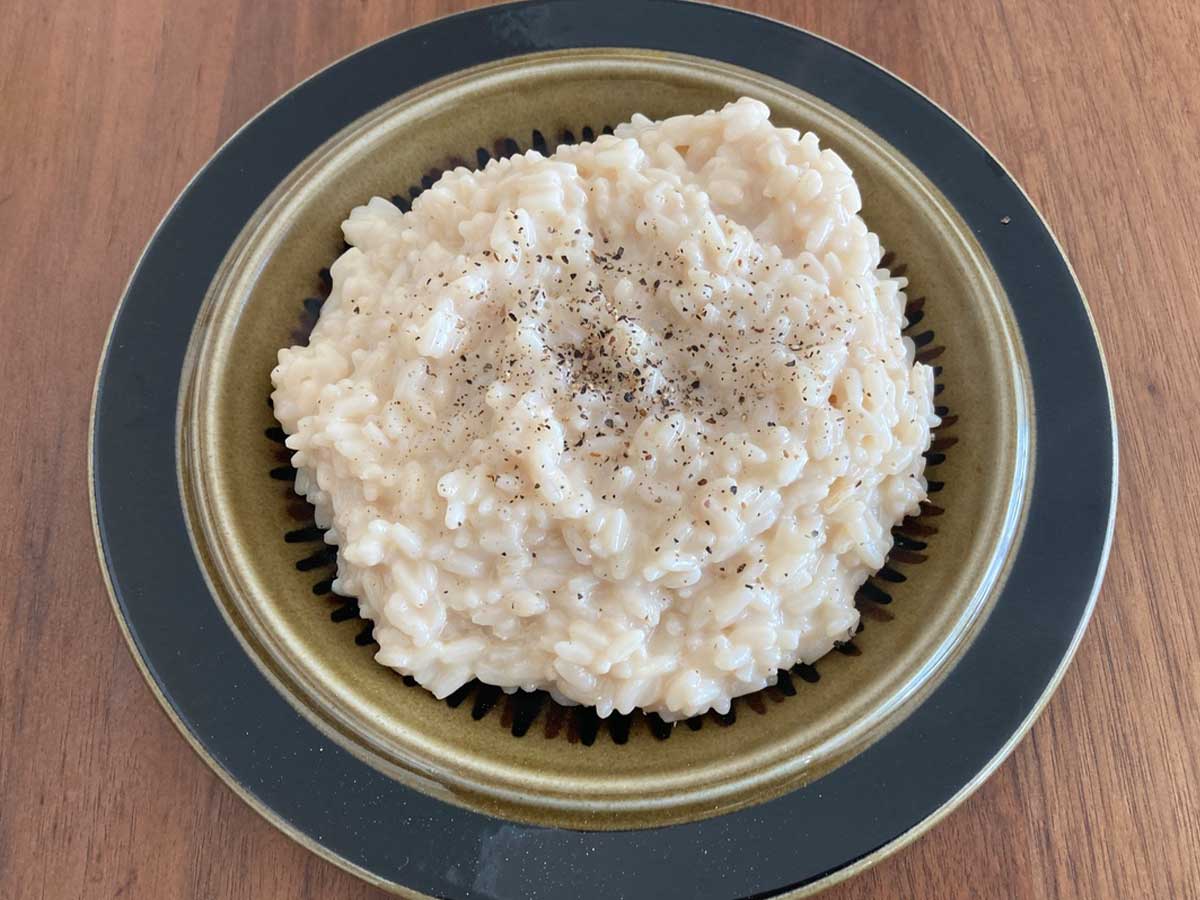
After roughly 25 to 30 minutes, the transformation is complete. The result is a vibrant, aromatic dish that bears little resemblance to the standard "instant meal." The visual appeal is high enough that, with a proper plate and a light garnish—such as freshly cracked black pepper—it could easily pass for a dish served in a casual trattoria.
Taste Test: A Comparative Analysis
The Cheese Cream Risotto
The Cheese Cream variation acts as the "comfort food" of the series. Upon tasting, the richness is immediate. It features a robust, savory profile that coats the palate. It is not merely "cheesy" in a synthetic way; there is a depth to the flavor profile that suggests high-quality dairy components.
- Pro Tip: While the risotto is rich on its own, the addition of freshly cracked black pepper is highly recommended. The spice cuts through the fat of the cheese, creating a balanced, professional-grade profile that elevates the experience.
The Porcini Risotto
The Porcini mushroom variant offers a more nuanced, earthy experience. It is markedly subtler than the Cheese Cream but succeeds in its atmospheric quality. The aroma of the mushrooms is strong and pervasive, providing a "refreshing" and sophisticated profile. It feels more like a gourmet dish than a quick snack, appealing to those who prefer savory, forest-forward flavors over heavy dairy.
Market Implications: Why MUJI Succeeds
The success of this series is not accidental. MUJI has tapped into three key consumer trends:
- The "Prosumer" Demand: Consumers are increasingly looking to be involved in the preparation of their meals without the labor of raw-ingredient sourcing. This "semi-homemade" approach allows the consumer to take credit for the final result.
- Economic Accessibility: Priced at 290 yen (including tax), the series is an incredible bargain. In the context of a restaurant meal, the cost is a fraction of the price, yet the satisfaction level remains remarkably high.
- Global Sourcing as a Brand Pillar: By labeling the line "Made-in-Italy," MUJI leverages the "halo effect" of Italian culinary reputation. This reinforces the brand’s image as a curator of global, high-quality goods.
Supporting Data and Observations
The convenience of this series does come with a caveat: time. While most instant meals promise a 3-minute turnaround, the MUJI risotto requires roughly 30 minutes of active attention. In an industry obsessed with speed, this is a bold move. However, the data suggests that for the MUJI demographic, quality is often a higher priority than absolute speed.
Furthermore, the consistency of the rice grain is the most important factor in the success of these packages. By ensuring the rice is of high quality, MUJI has avoided the "mushy" texture that plagues many other instant rice products. This technical success is likely the primary driver behind the positive reception from early adopters and food critics alike.
Official Responses and Future Outlook
While MUJI has not released a specific press statement regarding the sales figures of the "Made-in-Italy" series, the frequency with which they update their food menu suggests that the category is a high-growth area for the company.
Industry analysts note that MUJI’s food strategy is a classic example of "retail diversification." By keeping the consumer in the store for food after they have finished shopping for housewares, MUJI increases their "dwell time"—a key metric in retail success. Furthermore, the consumables nature of the food line encourages repeat visits, as customers return to replenish their pantry rather than waiting for a large furniture purchase.
Implications for the Future of Convenience Dining
The success of this risotto line signals a shift in the "instant" food market. The era of the sodium-heavy, low-nutrient microwave dinner is being challenged by high-quality, shelf-stable, ingredient-focused kits.
If MUJI continues to expand this line—perhaps with regional Italian variations like Risotto alla Milanese (saffron) or Risotto al Nero di Seppia (squid ink)—they could potentially dominate the premium shelf-stable meal market in Japan and beyond.
Conclusion: A Culinary Triumph
The MUJI "Made-in-Italy" risotto series is a triumph of product design. It manages to be affordable, accessible, and remarkably high in quality. It forces the consumer to slow down, stir, and engage with their meal, providing a sensory experience that is often lost in modern, fast-paced dining.
For the home cook looking for a reliable, gourmet-style dinner that can be stored in a pantry for months, these packages are an essential purchase. They serve as a reminder that with the right ingredients, even the simplest kitchen setup can produce something truly extraordinary. Whether you are a fan of the bold, cheesy notes of the Cheese Cream or the earthy elegance of the Porcini, MUJI has provided a compelling reason to make their food aisle your next destination.


 Neng Nana
 Asro
Asro