

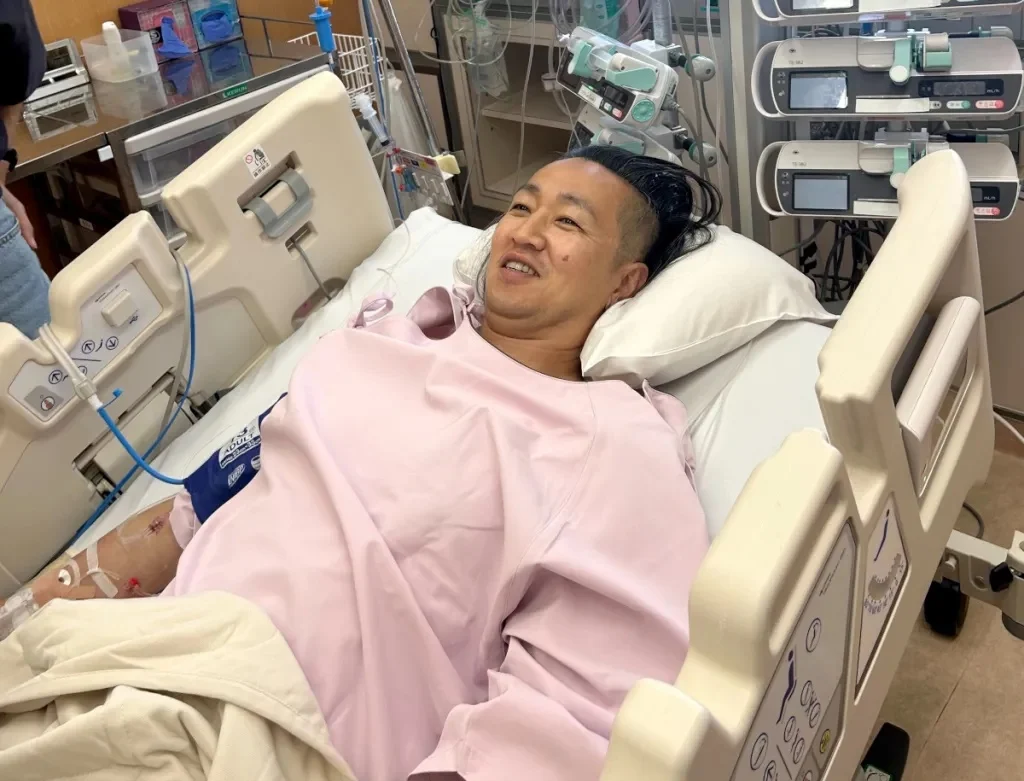
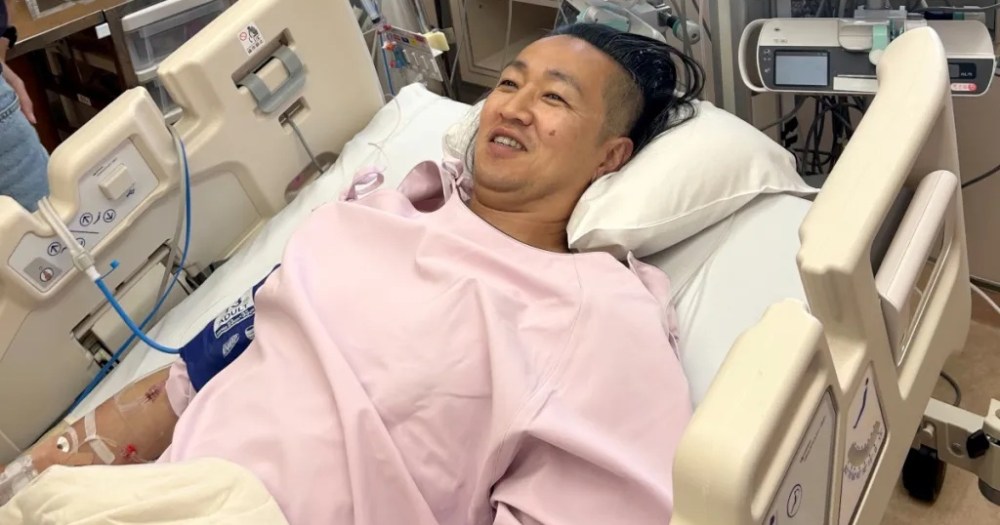
In a stark reminder that medical emergencies can strike even the most active and vibrant individuals without warning, SoraNews24 reporter P.K. Sanjun is currently recovering from a myocardial infarction—commonly known as a heart attack. Known for his high-energy lifestyle and adventurous spirit, the veteran correspondent found himself in the crosshairs of a life-threatening health event on the morning of Sunday, May 17, 2026.
While currently in stable condition, Sanjun has chosen to break his silence from his hospital bed to provide a firsthand account of his ordeal. His story serves as a critical public service announcement, highlighting the importance of recognizing the symptoms of cardiac distress and understanding the nuances of Japan’s emergency response system.
The Chronology of a Crisis
Sanjun’s experience began in the early hours of Sunday morning. At approximately 7:00 a.m., he was awakened by an inexplicable, dull ache in his chest. Initially, he dismissed the sensation as a byproduct of aging or minor physical strain.
"I remember thinking, ‘Geez, is this what getting older feels like?’" Sanjun recounted.
He attempted to go about his morning routine, but the situation rapidly deteriorated. Upon moving to the bathroom, the localized discomfort transformed into an agonizing, systemic pain. This was accompanied by a sudden, intense onset of cold sweats—a classic, yet often overlooked, clinical symptom of cardiac arrest.
Recognizing that the situation was abnormal, Sanjun turned to his smartphone. A quick search for his symptoms yielded stark results: warnings of potential myocardial infarction or aortic dissection. The search results uniformly directed him to dial 119, the universal emergency number for fire and ambulance services in Japan.
Despite the digital warning, Sanjun hesitated. Like many patients in the early stages of a medical crisis, he experienced a phenomenon known as "normalcy bias," where individuals underestimate the severity of their condition to avoid unnecessary social friction or potential embarrassment. He did not want to "clog" the emergency lines if the issue was, in his estimation, minor.
Seeking a middle ground, he dialed 7119—the Tokyo Fire Department’s Emergency Consultation Center. This service is designed to help citizens determine if their condition warrants an immediate ambulance dispatch. The operator’s assessment, however, was quickly rendered moot as Sanjun’s condition shifted from bad to critical. When the operator asked if he could make it to the hospital on his own, his response was a definitive "no."
The emergency response was swift. A fire crew arrived on the scene first to stabilize him, followed immediately by paramedics. Sanjun recalls the paramedics repeatedly asking for his name and date of birth—a tactic that frustrated him at the time but which he now recognizes as a vital neurological check to ensure his brain was receiving enough oxygen to maintain cognitive function. As he was rushed to the emergency room, his consciousness began to wane. Following a successful surgical procedure, Sanjun is now in recovery.
The "119 vs. 7119" Dilemma: Understanding Japan’s Emergency Infrastructure
Sanjun’s story underscores a common point of confusion for residents and visitors in Japan: when to use the primary emergency line versus the secondary consultation line.
119: The Frontline for Emergencies
The 119 service is the direct line to the Fire Department and Ambulance services. It should be used whenever a person is experiencing symptoms that are life-threatening or could result in permanent disability if not addressed within minutes. These include:
- Sudden, crushing chest pain.
- Difficulty breathing or shortness of breath.
- Loss of consciousness or sudden confusion.
- Signs of a stroke (slurred speech, facial drooping, numbness).
- Severe bleeding or traumatic injury.
7119: The Consultation Safety Net
The #7119 service is a specialized line staffed by medical professionals who can provide guidance. It is intended for situations where a person is ill or injured but uncertain if the situation constitutes an emergency. The experts on the other end can provide triage, advise the caller to monitor their symptoms, or, as in Sanjun’s case, dispatch an ambulance if they determine the risk is imminent.
Medical experts emphasize that while 7119 is a valuable tool, it is not a substitute for 119 when time is of the essence. In cases of suspected cardiac events, every second of delayed treatment significantly impacts long-term survival rates.
Clinical Context: Why Heart Attacks Are Often Misunderstood
Myocardial infarctions are frequently depicted in popular media as sudden, dramatic collapses. In clinical reality, as Sanjun’s experience demonstrates, they are often subtle and deceptive.
According to cardiologists, the symptoms of a heart attack can vary wildly from person to person. While the "classic" symptoms involve pain radiating from the chest to the left arm, many patients experience "atypical" symptoms, including:
- Cold Sweats: A sudden, clammy, or cold sweat without physical exertion is a major red flag for heart distress.
- Epigastric Pain: Many people mistake heart pain for severe indigestion or acid reflux, leading to dangerous delays in seeking help.
- General Malaise: A sudden, inexplicable feeling of "impending doom" or extreme fatigue.
- Referred Pain: Discomfort that radiates to the jaw, neck, or back rather than the center of the chest.
The "denial phase"—the period during which the patient tries to justify their symptoms as something mundane—is often the most lethal stage of a heart attack. During this time, the heart muscle continues to die due to a lack of oxygenated blood.
The Broader Implications for Public Health
The medical community maintains that P.K. Sanjun’s survival was contingent on a combination of luck and the eventual decision to prioritize his safety over his desire to be "low maintenance."
For the general public, the implications are clear:
- Trust Your Instincts: If your body is signaling that something is fundamentally wrong, do not attempt to "tough it out."
- Learn the Numbers: Keep 119 as the primary emergency contact in your phone, and consider 7119 as a secondary resource for non-acute but concerning symptoms.
- Recognize the Signs: Educate family members and colleagues on the "atypical" signs of cardiac distress, such as cold sweats and pain in the jaw or back.
- Avoid Hesitation: The societal fear of being a "burden" on emergency services is a major factor in preventable deaths. Ambulance dispatchers are trained to triage calls; they would rather send a unit to a false alarm than have a patient suffer a fatal event while waiting at home.
Looking Forward: A Reporter’s Road to Recovery
As Sanjun continues his recuperation, he remains in high spirits, though his colleagues at SoraNews24 are strictly monitoring his activity levels. His decision to document his recovery is driven by a desire to prevent others from falling into the same trap of hesitation.
"I’m just glad I made the call," Sanjun wrote in his follow-up notes. "It’s easy to think, ‘this won’t happen to me,’ but the reality is that the body doesn’t discriminate based on your lifestyle or your job title."
As the public absorbs the lessons from this incident, the message from health authorities remains consistent: In the face of a suspected cardiac event, speed is the only variable that matters. Dial 119. Your life—and the lives of those around you—depends on it.












No comments yet. Be the first to join the conversation!