Suro Senen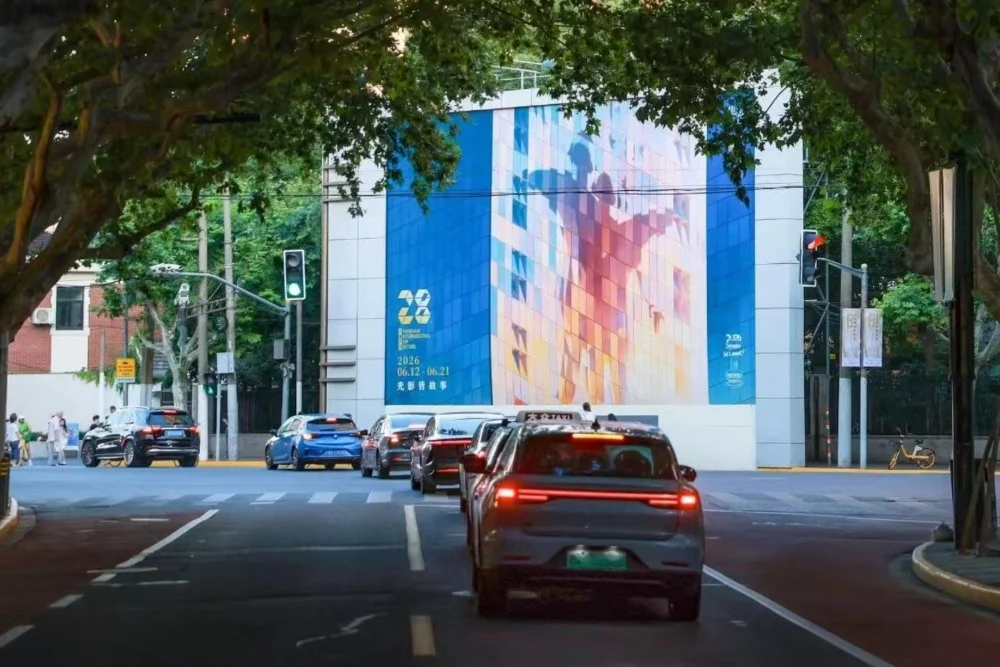
As the 28th Shanghai International Film Festival (SIFF) officially commences, the cinematic world’s gaze turns toward the Huangpu River. As mainland China’s only FIAPF-recognized A-list film festival, SIFF occupies a unique position in the global cultural landscape, serving as a vital bridge between East and West. This year, the festival cements its prestige by appointing Hong Kong screen icon Tony Leung Chiu-wai as the President of the Jury for the coveted Golden Goblet Awards.
Leung’s leadership, paired with a powerhouse slate of 12 world premieres in the Main Competition, underscores the festival’s ongoing commitment to elevating artistic excellence on the global stage. Running through June 21, the 2026 edition of SIFF stands as a testament to the enduring power of cinema, blending deep-rooted heritage with the cutting edge of digital restoration and commercial storytelling.
A Legacy of Excellence: Tony Leung and the Golden Goblet
The appointment of Tony Leung Chiu-wai as jury president is widely regarded as a masterstroke of programming. Fresh from his historic 2023 Golden Lion for Lifetime Achievement at the Venice Film Festival, Leung represents the pinnacle of international cinematic achievement.
"We have long admired Tony Leung Chiu-wai for both his artistic achievements and his international influence," says Chen Guo, managing director of the Shanghai International Film & TV Events Center. Leung’s presence is not merely ceremonial; it brings a gravitas that resonates with the festival’s mandate to honor works of profound artistic merit. Under his stewardship, the jury is tasked with evaluating a diverse international selection that spans from surrealist Chinese biopics and Moroccan eco-dramas to German absurdist comedies.
The Selection Process: A Data-Driven Artistic Vision
The scale of the 28th SIFF is staggering. This year’s edition features over 420 films, meticulously curated from a pool of approximately 4,100 submissions hailing from 125 countries. Managing this massive intake requires a philosophy that balances rigorous artistic standards with the need for global representation.
According to Chen Guo, the programming team adheres to a dual-pillar strategy. "Across all categories, our selection process is guided by two fundamental considerations: the values reflected in each work and its premiere status," Chen explains. However, the festival goes beyond simple quality control. "We also take into account factors such as geographic representation, as well as the diversity of filmmakers in terms of gender and generation, to reflect the diversity and inclusiveness that define the Awards."
This focus on inclusivity is designed to ensure that SIFF remains a democratic platform where emerging voices from underrepresented regions can sit alongside established masters of the medium.
Celebrating History: Retrospectives and Cultural Milestones
SIFF 2026 is uniquely defined by its reverence for history. The festival has strategically aligned its sidebars with significant historical anniversaries, offering audiences a rare opportunity to engage with the canon of world cinema.
Perhaps the most anticipated segment is the joint retrospective celebrating the 120th birth anniversary of director Billy Wilder and the centenary of Marilyn Monroe. Given their storied creative partnership, the festival curators deemed it essential to present these works together. "As both anniversaries fall in the same year, and given the remarkable creative partnership between Wilder and Monroe, we felt it was the ideal occasion to curate a joint retrospective," says Chen.
In addition to these international tributes, the festival maintains a strong focus on the history of Chinese cinema. Dedicated programs honor the legacy of legendary figures such as Sang Hu (110th anniversary of birth), Huang Zuolin (120th anniversary of birth), and the late Shen Yaoting, ensuring that the foundations of Chinese film are not lost to time. Furthermore, the festival celebrates British auteur Ken Loach on his 90th birthday, proving the festival’s commitment to honoring global icons who have shaped the sociopolitical discourse of cinema.
Cinema as Diplomacy: Building Bridges
Beyond entertainment, SIFF operates as a sophisticated instrument of cultural diplomacy. The festival’s initiative to curate themed programs based on diplomatic milestones is a cornerstone of its mission. This year, an "Egyptian Film Week" celebrates the 70th anniversary of China-Egypt diplomatic relations.
Moreover, the festival continues to expand the Belt and Road Film Festival Alliance. For Chen, these initiatives are about more than just showcasing films. "Curating themed programs for major diplomatic and cultural milestones is our long-held practice," she notes. "It builds a communication channel for filmmakers and institutions from both sides, transforming cultural showcases into in-depth, long-term industrial cooperation." By fostering these ties, SIFF ensures that filmmakers from participating nations have a direct pipeline to the Chinese market and vice-versa.
The Three-Pillar System: Nurturing the Next Generation
A festival’s true value is measured by its commitment to the future. SIFF’s "Three-Pillar" system—comprising SIFF PROJECT, SIFF ING, and SIFF YOUNG—is a comprehensive ecosystem designed to shepherd talent from initial conception to international release.
The 5th edition of SIFF YOUNG, in particular, has become a vital incubator for commercial Chinese-language cinema. The program’s success is highlighted by the return of hit filmmaker Wen Muye, a 2023 alumnus, who this year assumes the role of chair for the Final Recommendation Committee. This cycle of mentorship ensures that the festival is not just a destination for finished products, but a launchpad for the next generation of industry leaders.
Technology and the Future of the Theatrical Experience
In an era dominated by home streaming, SIFF is making a bold statement about the necessity of the cinema-going experience. The festival has allocated significant resources to showcase films through premium formats, including IMAX, Dolby Vision, and remastered 4K classics.
"Premium theatrical formats offer a unique sense of occasion and immersion that cannot easily be replicated elsewhere," says Chen. "The specialized sections dedicated to IMAX, Dolby Vision, and 4K restorations serve two complementary purposes. They allow contemporary films to be experienced at their fullest audiovisual potential, while restoration technologies enable classic works to be preserved and rediscovered by new generations of audiences."
However, Chen is careful to avoid the trap of "technological determinism." She emphasizes that while the screen size and resolution matter, they are secondary to the narrative. "We do not believe technology alone is what brings audiences back to cinemas," she asserts. "Ultimately, compelling storytelling remains the foundation of cinema. Technology can enhance the experience, but great stories are what truly connect with audiences."
The Bookends: A Reflection of the Industry
The duality of the festival is perfectly encapsulated by its opening and closing films, both of which are Chinese productions.
The festival opened with Afterpiece, directed by Hong Kong’s Keane T.K. Wong. The film serves as a moody, introspective meditation on the nature of art, performance, and the psychological weight of failure, following a director who attempts to reclaim his dignity through a new play.
Conversely, the festival will close with The Decisive Moment, a high-octane sci-fi thriller depicting Chinese astronauts navigating perilous emergencies in deep space. This film represents the rapid maturation of the Chinese commercial sector, standing as a genre exercise that would feel right at home on the slate of a major Hollywood studio. Together, these two films highlight the range of modern Chinese cinema: capable of both intimate, character-driven arthouse dramas and large-scale, technically ambitious blockbusters.
Implications for the Global Film Market
The 28th Shanghai International Film Festival serves as a microcosm of the current state of the global film industry. By balancing the preservation of classic cinema through 4K restoration, the promotion of artistic risk-taking through the main competition, and the fostering of commercial viability through SIFF YOUNG, the festival is positioning itself as a leader in the global market.
As the industry continues to recover from the disruptions of the early 2020s, SIFF’s commitment to "in-depth, long-term industrial cooperation" serves as a roadmap for how international film festivals can remain relevant. By acting as a cultural hub, a technological pioneer, and a developmental incubator, the Shanghai International Film Festival proves that the future of cinema lies in the marriage of local storytelling and global collaboration.
As the screens go dark on June 21, the impact of the decisions made by Tony Leung and his jury, the success of the debutante directors in the project labs, and the reception of the restored classics will echo throughout the year, shaping the trajectory of the film industry for seasons to come.


 Raul Delapena Setiawan
 Nana
Nana