Muslim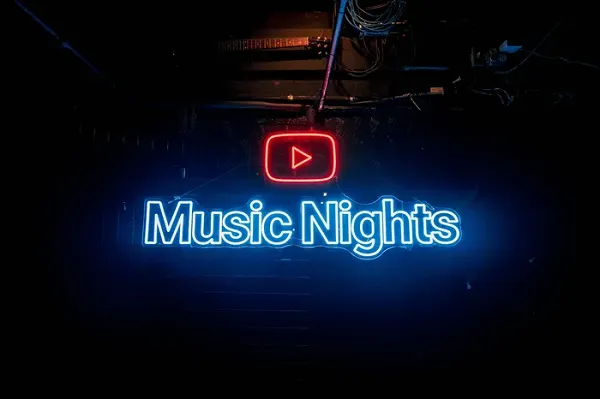
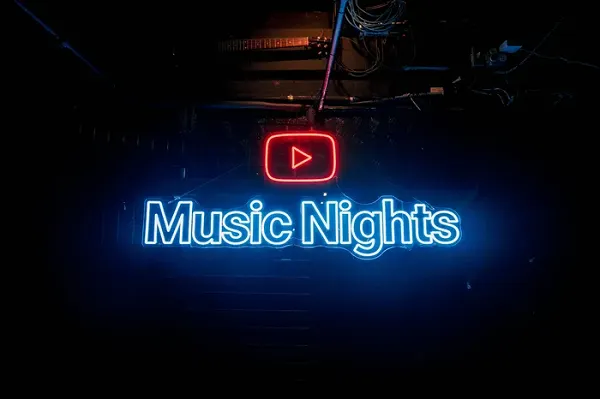
In an era where music discovery has become increasingly fragmented, YouTube is making a strategic pivot to cement its status as the ultimate bridge between digital consumption and physical fan engagement. The platform recently announced the launch of "YouTube Music Nights," a global initiative designed to transform iconic venues into intimate performance spaces, blending the high-energy atmosphere of live concerts with the expansive reach of YouTube’s ecosystem.
By shifting from a passive hosting platform to an active curator of live experiences, YouTube is signaling a deeper ambition: to not only provide a venue for music but to become an indispensable partner in the careers of both emerging and established artists.
The Genesis of Music Nights: Bridging the Digital-Physical Divide
The "Music Nights" initiative is not merely a series of concerts; it is a calculated effort to deepen the artist-fan relationship. YouTube, which has long served as the world’s largest library of music content, is now leaning into the "IRL" (in real life) component to differentiate itself from competitors like TikTok, which excels in short-form discovery but often struggles to facilitate long-term audience loyalty.
A Global Launchpad
The rollout of Music Nights is international in scope. With events planned across the United States, France, the United Kingdom, and beyond, the series is designed to create local impact that resonates globally. The format varies based on the artist’s vision, ranging from exclusive album release parties and intimate acoustic sets to special, limited-run tour stops.
The inaugural lineup underscores the platform’s diverse appeal. YouTube has tapped high-profile acts including singer-songwriter Kacey Musgraves, rapper Isaiah Rashad, and the indie-rock powerhouse Bleachers. These artists are not just performers; they are collaborators. According to YouTube, each artist provides direct input into the production, ensuring that the visual aesthetic and the "vibe" of the show align with their brand identity.
Chronology and Evolution of YouTube’s Music Strategy
To understand why "Music Nights" is a turning point, one must look at the historical trajectory of YouTube’s relationship with the music industry.
Phase 1: The Repository (2005–2015)
For its first decade, YouTube functioned primarily as a host. It was the place where music videos lived, where bootleg concert footage was archived, and where the "long tail" of music history was accessible to anyone with an internet connection.
Phase 2: The Monetization Engine (2016–2022)
As streaming began to dominate, YouTube launched its dedicated subscription services: YouTube Music and YouTube Premium. The platform shifted from being a "free-for-all" site to a significant revenue generator for labels and publishers. This era was defined by the introduction of robust content ID systems and a massive scale-up in payouts to the music industry.
Phase 3: The Immersive Era (2023–Present)
The current phase is defined by the integration of Shorts, live-streamed festival partnerships (such as its long-standing collaboration with Coachella), and now, Music Nights. YouTube is no longer just providing the "content"; it is producing the "event." By owning the production of these concerts, YouTube creates high-fidelity, original content that encourages users to stay within its ecosystem rather than migrating to social media competitors for updates.
Supporting Data: The Financial Powerhouse of YouTube
The shift toward Music Nights is backed by staggering financial performance. YouTube is not just a cultural hub; it is a financial powerhouse for the global music industry.
The $8 Billion Milestone
Between July 2024 and June 2025, YouTube paid out over $8 billion to the music industry. This figure is a critical metric of the platform’s utility. It proves that despite the rise of newer, trend-based platforms, YouTube remains the most lucrative environment for sustained artist revenue.
Subscriber Growth
A major contributor to these payouts is the success of YouTube’s subscription tier. The platform recently hit a milestone of 125 million cumulative subscribers across YouTube Music and Premium. This "twin-engine" growth—driven by both ad-supported traffic and subscription fees—creates a sustainable financial model that few other platforms can replicate.
User Engagement Metrics
YouTube’s strategy relies on "stickiness." When a user watches a Music Night performance, they aren’t just watching a video. They are directed to:
- Official Artist Channels: Where they can subscribe for updates.
- Shorts: For behind-the-scenes, bite-sized content that keeps the algorithm fed.
- Music Playlists: Where the platform suggests the next track, keeping the session alive.
Official Perspectives: Transforming Venues into Content Studios
YouTube’s communication regarding the series emphasizes collaboration over mere sponsorship. In an official statement, the platform noted: "Whether it’s an album release party, an intimate show, or a special tour stop, we collaborate closely with artists to transform some of the world’s most iconic venues into unforgettable, intimate fan experiences — and share them with fans everywhere."
For the artists, this partnership offers a unique value proposition. In the age of digital saturation, an artist’s biggest challenge is standing out. By providing the infrastructure for a high-production concert—and the distribution power of YouTube’s global reach—the platform offers artists a chance to reach millions of fans who couldn’t secure a ticket to the physical venue.
Furthermore, the integration of "Shorts" is a deliberate tactical choice. By capturing "exclusive behind-the-scenes moments" and editing them into short-form, vertically oriented content, YouTube is effectively "remixing" the live experience for a generation that consumes music in 60-second bursts, while simultaneously driving them toward the full-length, long-form performance.
Implications for the Music Industry and Competition
The implications of Music Nights are significant for both the competitive landscape of social media and the future of the music industry.
The "TikTok vs. YouTube" Dynamic
While TikTok has become the primary engine for viral music discovery—the place where a song becomes a trend—YouTube is positioning itself as the place where those trends are validated and monetized. If TikTok is the "top of the funnel" for discovery, YouTube is the "bottom of the funnel" for depth.
Industry analysts observe that artists often find fame on TikTok, but they build careers on YouTube. Music Nights strengthens this argument by providing the "intimacy" that digital algorithms often strip away. By humanizing the digital experience through real-world events, YouTube is attempting to build a moat around its user base that is harder for purely algorithmic platforms to cross.
A New Standard for Artist-Platform Partnerships
The success of Music Nights could set a new industry standard. If successful, we can expect to see more platforms moving away from passive hosting and toward "integrated production." This could lead to:
- Increased competition for talent: Platforms will compete to offer artists not just distribution, but high-end production and promotional support.
- Hybrid Events: The future of concert-going will likely involve an "omnipresent" experience, where the physical show is designed from the ground up to be a high-quality digital product.
- Data-Driven Touring: With the data harvested from Music Nights, YouTube can offer artists deeper insights into where their most dedicated fan bases are located, potentially informing future tour routes and marketing strategies.
Conclusion: The Future of the Concert
YouTube Music Nights represents a maturation of the platform’s role in the music ecosystem. By leaning into the tangible, human elements of music, YouTube is acknowledging that while algorithms are great for discovery, they are insufficient for building a lasting musical legacy.
As the platform continues to scale its subscription base and expand its revenue-sharing model, it is clear that YouTube intends to remain the bedrock of the music industry. Through Music Nights, the platform is telling artists that it is no longer just a place to host a video—it is a place to launch a career, build a community, and perform on the global stage.
As fans look forward to the first wave of these intimate shows, the music industry will be watching closely. If YouTube can successfully bridge the gap between the chaotic energy of a live show and the seamless precision of its digital platform, it may well prove that the future of music is not just digital—it is a hybrid of the two worlds, perfectly curated for the modern fan.

 Laily UPN
 Nana Wu