Dwi Wanna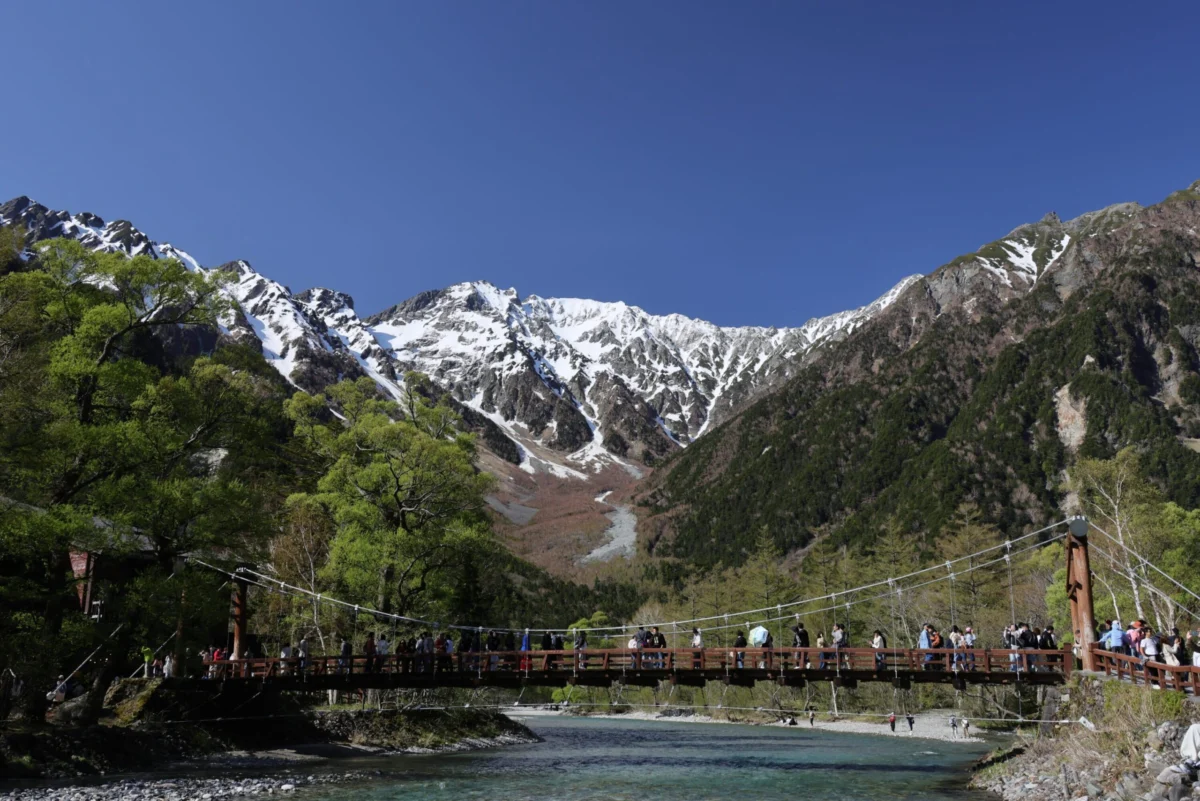
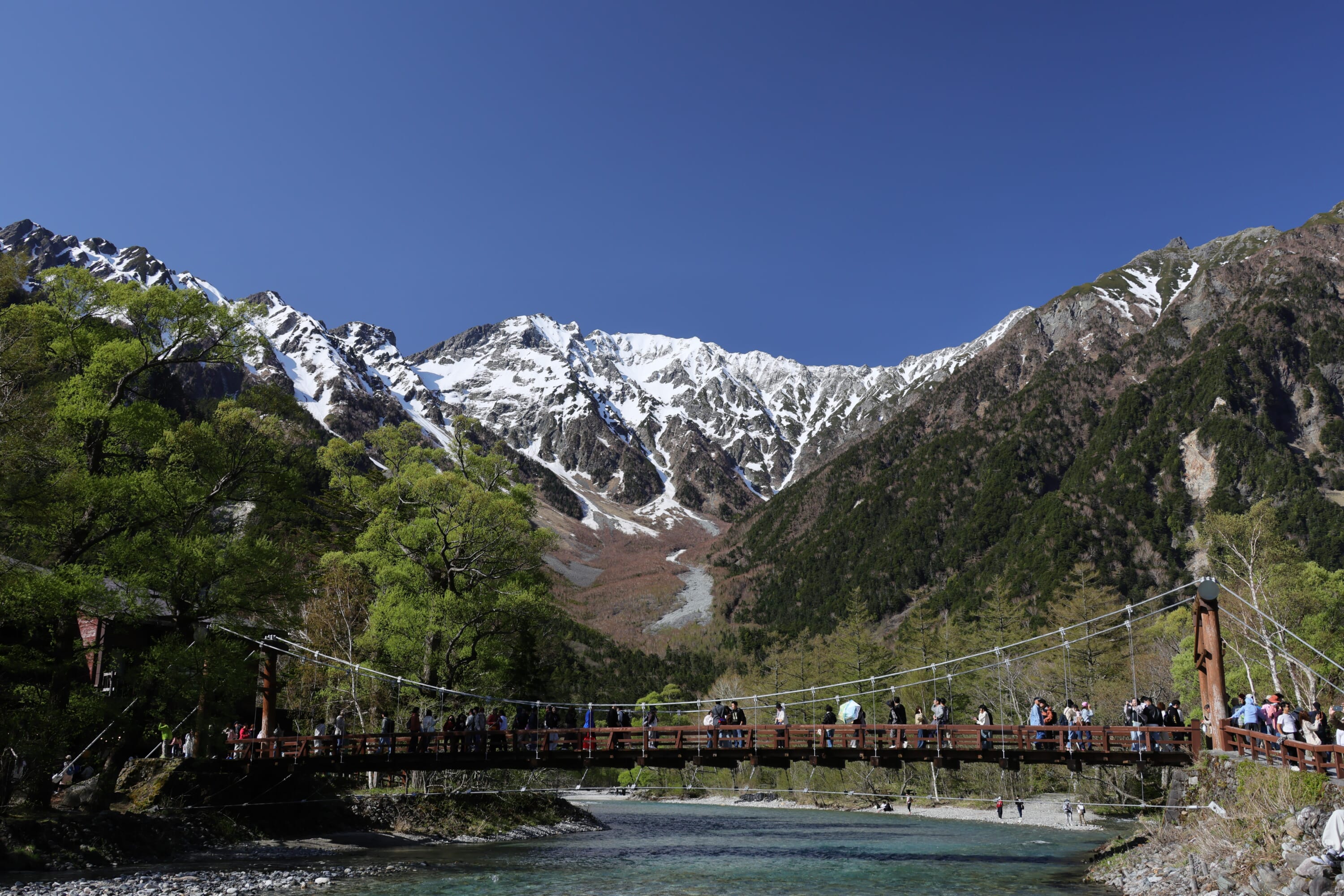
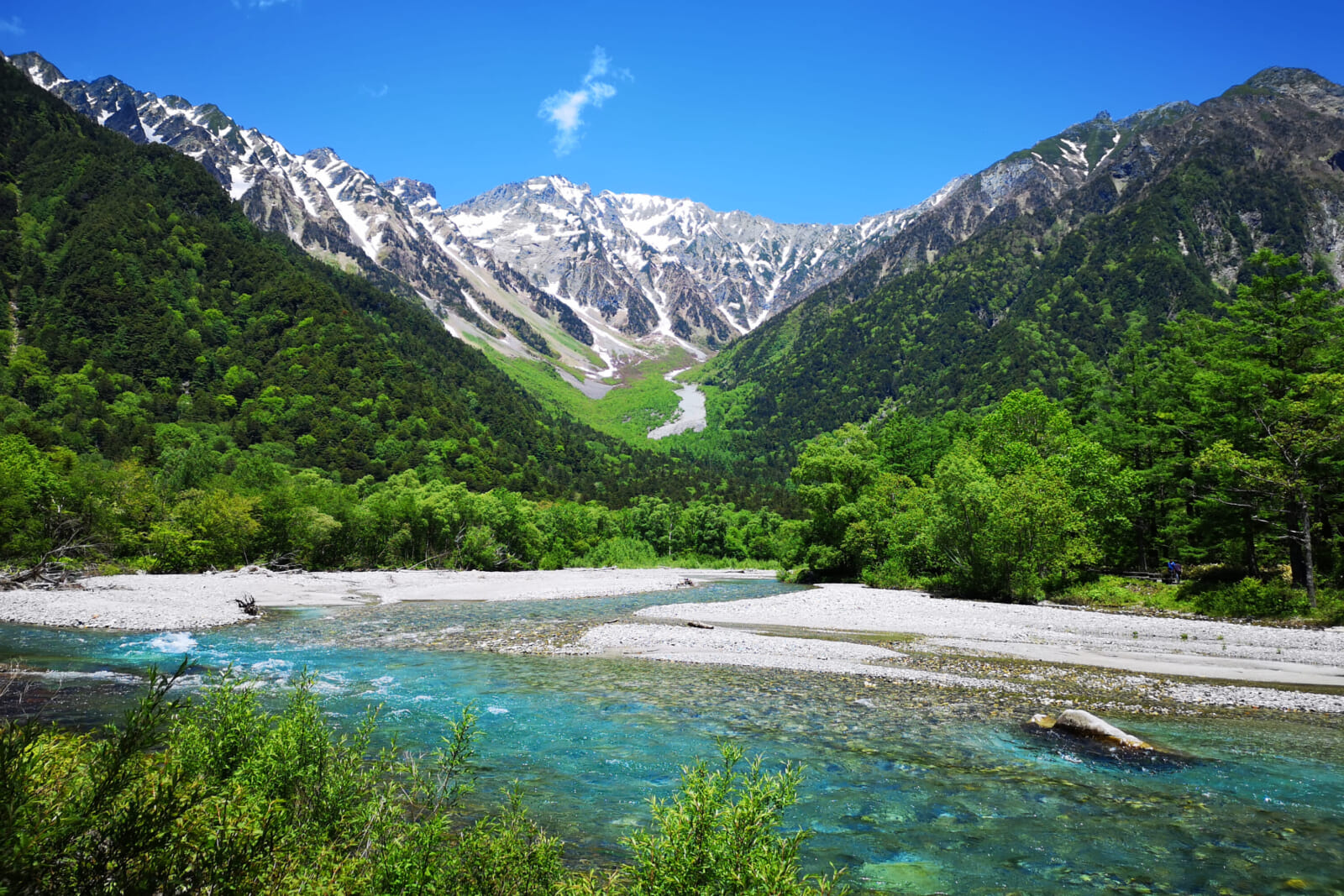
For decades, Kamikochi has stood as the crown jewel of the Northern Japan Alps. With the crystal-clear waters of the Azusa River snaking beneath the jagged, snow-dusted peaks of the Hotaka Range, this high-altitude valley in Nagano Prefecture has long been a sanctuary for mountaineers, nature photographers, and those seeking an escape from the frantic pace of Japan’s urban centers. However, this pristine landscape is currently facing an existential challenge: the weight of its own popularity.
As the post-pandemic tourism surge continues to reshape the Japanese archipelago, the city of Matsumoto is officially moving to implement a visitor fee for those entering the Kamikochi valley. The proposed levy, which could take effect as early as fiscal 2028, represents a critical shift in how Japan manages its most fragile natural wonders. By moving from a model of open access to one of sustainable stewardship, officials hope to fund vital conservation efforts, improve emergency response capabilities, and mitigate the environmental degradation caused by record-breaking foot traffic.
A Destination Under Duress: The Surge in Numbers
The decision to implement a visitor charge follows a period of unprecedented growth in tourism. In 2025, Kamikochi saw its visitor numbers swell to approximately 1.66 million, marking the first time the valley has crossed the 1.6-million threshold in over two decades.
The demographic shift is equally significant. Driven by global social media trends and a concerted national effort to promote secondary destinations beyond the "Golden Route" of Tokyo, Kyoto, and Osaka, international interest has skyrocketed. Overnight stays by foreign visitors in the region have effectively doubled since 2017, exceeding 20,000 annually.
While this influx provides a vital economic boost to the local hospitality and transport sectors, the ecological and logistical toll is becoming untenable. At peak times, the iconic Kappa Bridge—the valley’s most recognizable landmark—is often choked with tourists, creating a bottleneck that complicates both pedestrian flow and emergency access.
Chronology of a Crisis
The path toward a visitor fee did not happen overnight; it is the culmination of years of escalating friction between tourism capacity and environmental reality.
- 2017–2019: Kamikochi experiences a steady rise in popularity as Japan’s inbound tourism policy reaches a pre-pandemic zenith.
- 2020–2022: The COVID-19 pandemic forces a temporary reprieve, allowing local flora and fauna a period of relative recovery.
- 2023–2024: As borders reopen, the "revenge travel" phenomenon brings record crowds back to the valley, exposing the fragility of the existing infrastructure.
- March 2026: A city-appointed study panel, comprised of local innkeepers, transport operators, and environmental experts, delivers a formal proposal to the Mayor of Matsumoto. The report emphasizes that existing funding models are insufficient to cover the costs of waste management, trail maintenance, and wildlife conflict mitigation.
- June 2026: Matsumoto city officials confirm that they are in the active planning stages of a visitor fee system, with a target implementation date of fiscal 2028.
The Ecological and Safety Toll
The physical impact of 1.6 million visitors on a high-altitude ecosystem is multifaceted. Waste management has become a primary concern; despite strict "carry-in, carry-out" policies, the volume of litter exceeds the capacity of cleanup crews, threatening the valley’s delicate biodiversity.
Furthermore, the surge in visitors has brought an influx of travelers who are poorly equipped for alpine conditions. The valley, situated at an elevation of approximately 1,500 meters, serves as a gateway for serious mountaineering, yet many day-trippers treat it as a casual park. This has led to a rise in search-and-rescue operations for lost or injured hikers.
Simultaneously, the wildlife balance has been disrupted. An expanding sika deer population is overgrazing rare alpine plants, while the presence of bears—increasingly attracted to human-discarded food waste—has raised significant safety alarms. The proposed fee would, in theory, provide the capital necessary to create a dedicated management organization, capable of deploying park rangers, improving signage, and enforcing stricter environmental guidelines.
Official Proposals and Logistical Hurdles
The current discussions suggest a fee ranging between ¥1,000 and ¥2,000 per visitor. While no final decision has been reached, the city is exploring efficient collection methods. Because private vehicles are already banned from entering the valley—with tourists required to switch to shuttle buses or taxis at the gate—the city plans to integrate the fee into the transport network.
"The goal is not to discourage visitors, but to ensure that those who come can contribute to the preservation of the landscape they enjoy," says a spokesperson for the city’s tourism board. Potential technological solutions include a smartphone application that would allow for seamless payment, though the city remains sensitive to the needs of elderly travelers and those without constant internet access.
A National Paradigm Shift: Japan’s New Tourism Policy
Matsumoto is by no means acting in isolation. Across Japan, the "overtourism" narrative has forced local governments to rethink the sustainability of their most iconic sites. The most prominent example remains Mount Fuji, which has become the benchmark for aggressive conservation funding.
In 2024, Yamanashi Prefecture introduced a ¥2,000 toll for hikers on the Yoshida Trail, alongside a daily cap of 4,000 climbers. By the 2025 season, the prefecture doubled that fee to ¥4,000. Neighboring Shizuoka Prefecture has followed suit, implementing a similar charge on three other routes. Furthermore, both prefectures have introduced overnight trail closures to curb the dangerous practice of "bullet climbing"—the attempt to reach the summit without adequate rest or proper gear.
The trend is expanding across the nation:
- Okinawa Prefecture: Beginning in fiscal 2026, a 2% accommodation tax (capped at ¥2,000 per night) will be implemented to generate an estimated ¥7.8 billion annually for regional conservation.
- Oze National Park: Authorities in Gunma Prefecture are actively debating a visitor fee to manage the heavy traffic through its protected wetlands.
This shift mirrors global strategies seen in destinations like Venice, which has implemented entry fees for day-trippers to manage crowd density. It reflects a growing consensus that the traditional model of "free access" is incompatible with the preservation of world-class heritage sites in the age of global tourism.
Implications for the Future
The move to charge for entry into Kamikochi will have profound implications for the travel industry in Nagano. Proponents argue that the fee will act as a "quality filter," encouraging longer, more meaningful stays rather than short, high-impact day trips. By professionalizing the management of the park, the region can potentially shift its focus from quantity of visitors to the value of the visitor experience.
However, critics warn that such fees could disproportionately affect lower-income travelers and might lead to a "Disneyfication" of national parks, where natural access is contingent on one’s ability to pay. There is also the challenge of cross-jurisdictional cooperation; as a part of the Chubu Sangaku National Park, any changes to Kamikochi must navigate complex layers of national, prefectural, and local government bureaucracy.
Conclusion: A New Era for the Alps
As the 2028 target date approaches, all eyes will be on Matsumoto. The success or failure of the Kamikochi fee will likely serve as a blueprint for other regional parks across Japan.
Kamikochi remains one of the most breathtaking examples of Japan’s natural heritage—a place where the grandeur of the Alps meets the tranquility of the Azusa River. If this valley is to remain a sanctuary for future generations, the transition toward a sustainable, fee-based management system appears not just prudent, but necessary. The challenge for officials will be to find the delicate balance between keeping the gates open to the world and ensuring that the world does not love this unique valley to death.


 Neng Nana
 Asro
Asro