Nana Wu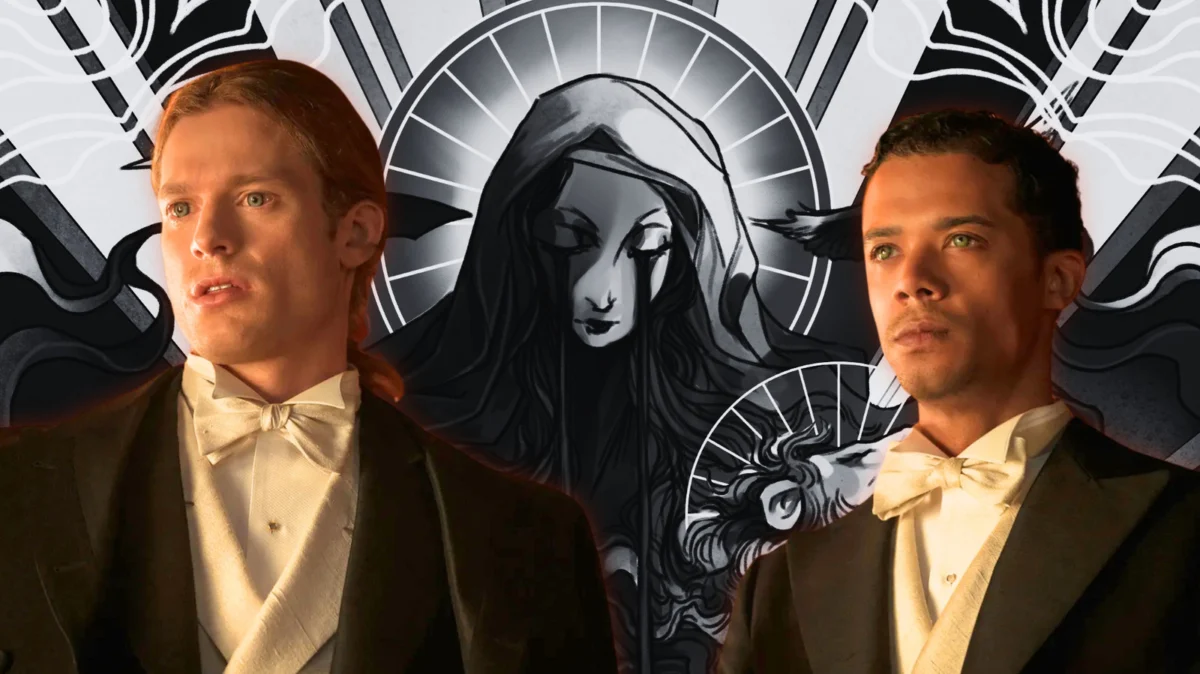
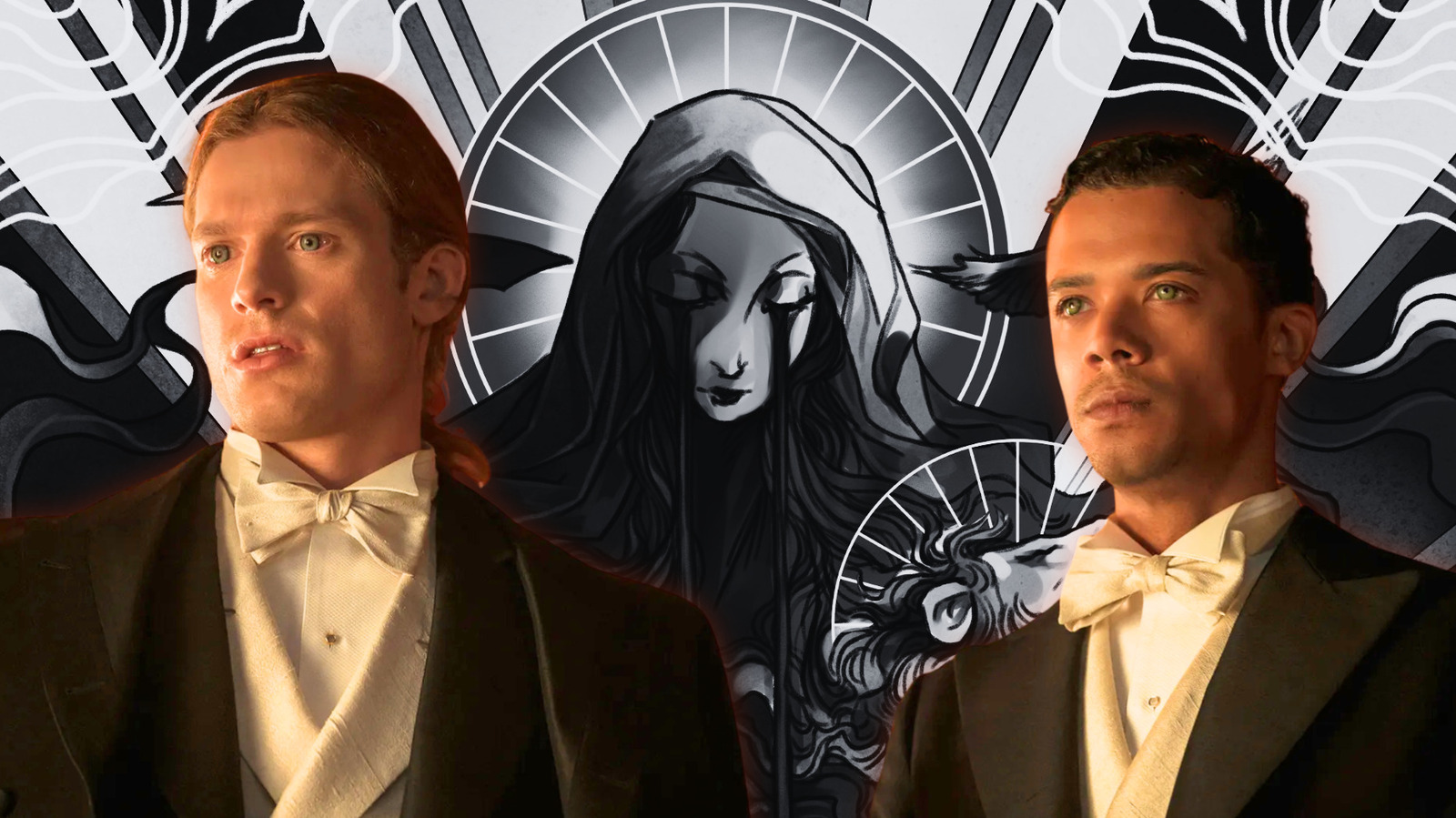
For generations, the cultural landscape of vampire fiction has been dominated by the singular, magnetic gravity of Anne Rice. With the ongoing success of AMC’s Interview with the Vampire—now rebranded as The Vampire Lestat—the thirst for gothic romance, morally gray protagonists, and the philosophical weight of immortality has reached a fever pitch. Showrunner Rolin Jones has signaled an ambitious intent to adapt all 13 volumes of the Vampire Chronicles, keeping the faithful tethered to New Orleans’ most infamous bloodsuckers.
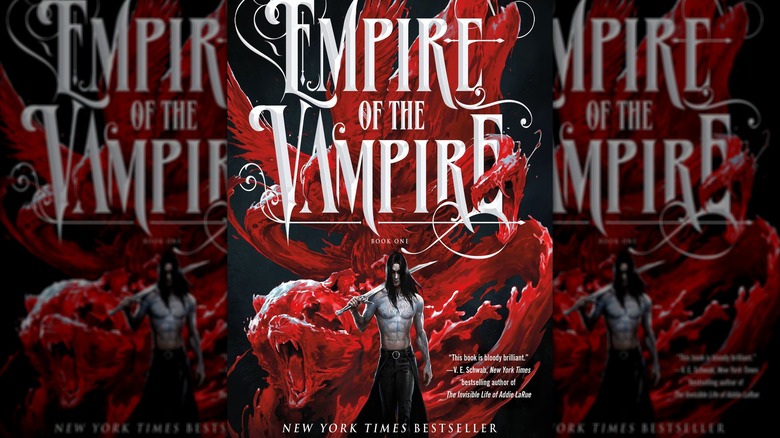
However, for readers who have exhausted Rice’s bibliography and find themselves craving a more visceral, high-stakes evolution of the genre, a new titan has emerged. Jay Kristoff’s Empire of the Vampire trilogy, which concluded in 2025 with the epic finale Empire of the Dawn, is not merely a "vampire book"—it is a masterful deconstruction of the genre that stands toe-to-toe with the legends.
A Chronology of Darkness: From Rice to Kristoff
The lineage of the vampire in literature is vast, stretching from Bram Stoker’s aristocratic Count to the more contemporary, introspective figures popularized by Rice. Where Rice focused on the internal existential dread of being a creature of the night, Kristoff shifts the paradigm.
The Empire of the Vampire saga begins in the fractured realm of Elidaen. Unlike the hidden, clandestine vampire societies found in traditional gothic horror, Kristoff’s world is one where the sun stopped rising centuries ago—a cataclysmic event known as "Daysdeath." Without the tyranny of the solar cycle, vampires have ceased to be hidden predators; they have become the ruling class, the conquerors, and the architects of a dark, oppressive civilization.
The trilogy’s timeline is defined by this shift in power. Readers follow the life of Gabriel de Leon, a "Paleblood" or dhampir—the offspring of a human mother and a vampire father. Gabriel is a member of the Silversaint order, a holy brotherhood sworn to protect humanity. By the time the reader first meets him, however, the glory days of the order are long dead. Gabriel is a prisoner in the dungeon of the vampire empress Margot Chastain, coerced into recounting his life story to her servant, Jean-François. This framing device acts as a narrative bridge, echoing the intimate, conversational structure that made Interview with the Vampire a seminal work of the 20th century.
The Mechanics of Horror: Supporting Data and World-Building
What sets Empire of the Vampire apart from its contemporaries is the rigorous, almost scientific attention to the "rules" of its supernatural creatures. Kristoff classifies his vampires into four distinct "bloodlines," each possessing unique physiological and psychological traits that dictate their role in the hierarchy:
- The Chastain: Masters of animal control, they command the wild and the feral.
- The Dyvok: Possessing immense physical strength and savage speed, they serve as the front-line soldiers of the vampire nobility.
- The Ilon: Sophisticated manipulators of human emotion, they play upon the psyche, making them perhaps the most dangerous to the human resistance.
- The Voss: The ultimate apex predators, characterized by their iron-hard skin and telepathic dominance.
This categorization provides a tactical depth that is often absent in romanticized vampire fiction. The horror is tangible. In the second installment, Empire of the Damned, Kristoff takes the reader inside the stronghold of the Dyvok siblings, Nikita and Lilidh. The depiction of human "chattel" processing centers is unflinching, designed to evoke a visceral reaction that challenges the reader’s empathy for the vampiric characters.
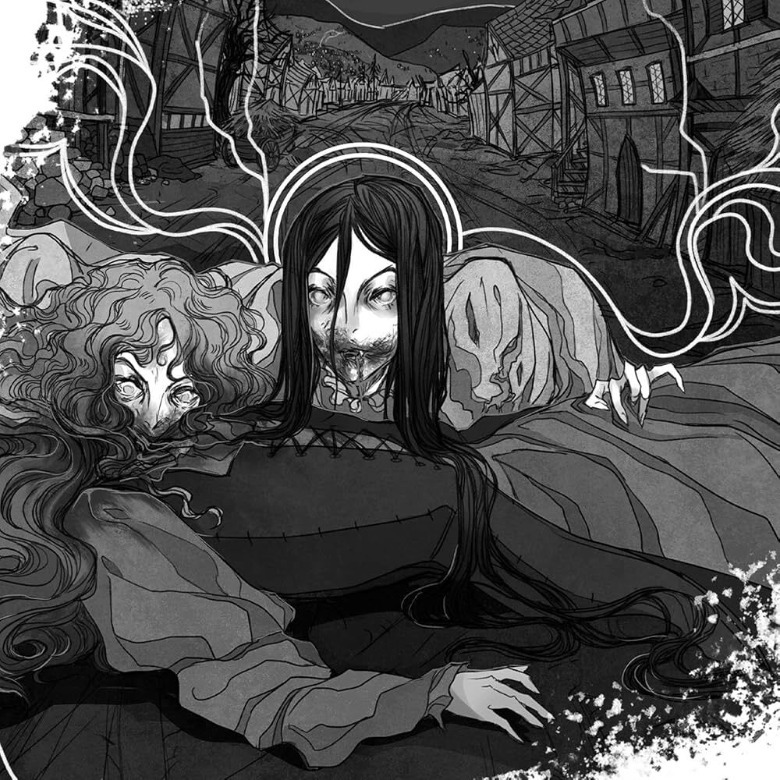
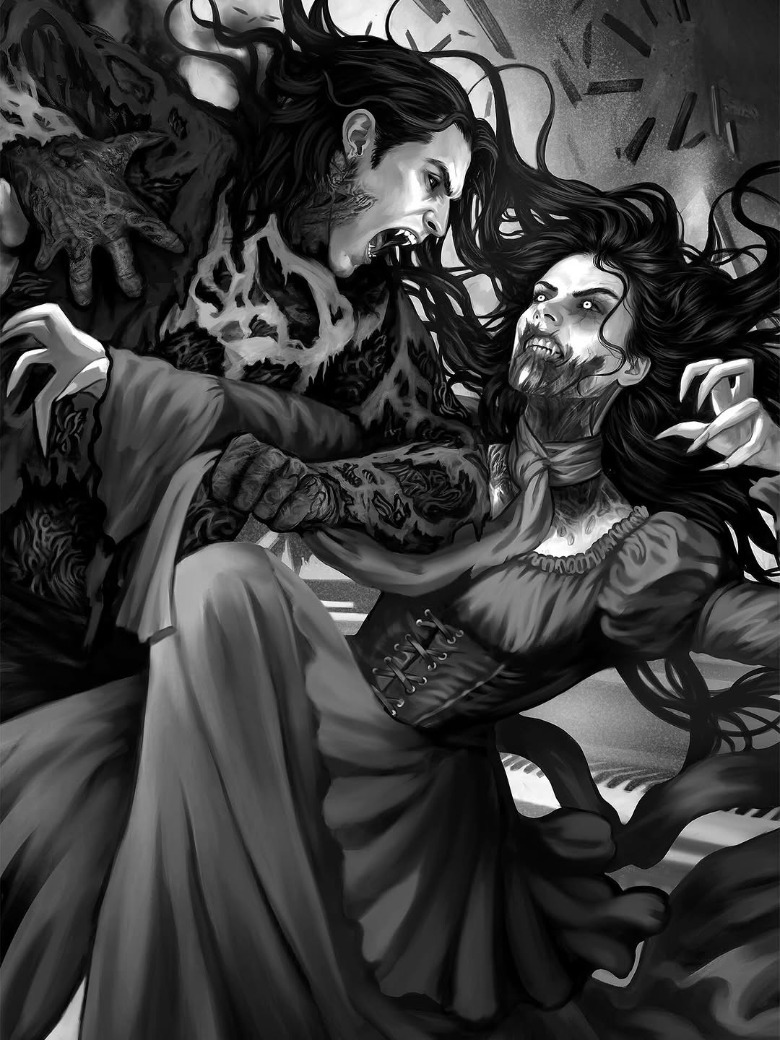
The prose itself is unapologetically "lascivious," leaning into the dark, flowery, and baroque sensibilities of classic gothic literature while maintaining the pacing of a modern thriller. Spanning roughly 700 pages per volume, the books are remarkably dense, yet they maintain a breakneck momentum that justifies their length. Furthermore, the inclusion of illustrations—ranging from stained-glass-inspired art by Bon Orthwick to the stark photorealism of Gonzalo Mendiverry in the final book—provides a visual anchor that enhances the immersive experience.
The Intersection of Faith and Fangs
The thematic resonance of Empire of the Vampire is deeply tied to religious iconography, echoing the Catholic undercurrents of European vampire lore. In Elidaen, the human resistance—the Silversaints—utilizes a substance called "Sanctum" or "Sacrament," a powder derived from blood that helps them stave off their own vampiric impulses.
This mirrors the theological concept of transubstantiation, where the wine becomes the blood of the savior. Kristoff plays with this duality throughout the series, constantly questioning whether the line between the holy and the monstrous is as thin as a razor’s edge.
The introduction of Dior, a young girl with white hair whose blood is rumored to have healing properties, shifts the narrative into the realm of the "messianic quest." Much like the journey of Joel and Ellie in The Last of Us, the relationship between the broken, cynical Gabriel and the hopeful, powerful Dior becomes the emotional core of the trilogy. It is a story about a weary warrior who has lost everything, now willing to set the world on fire to protect a single, fragile life.
Implications for the Genre
The success of Empire of the Vampire suggests a shifting tide in dark fantasy. Readers are no longer satisfied with the "tragic lover" archetype popularized by Rice; they are seeking a blend of high-fantasy world-building and the gritty, realistic stakes of survival horror.
While George R. R. Martin’s Fevre Dream remains a fan favorite—and many, including the author himself, have pushed for a Guillermo del Toro adaptation—Kristoff’s work proves that the "vampire epic" can be successfully modernized. The reliance on the unreliable narrator—a hallmark of Rice’s work—is refined here. Because Gabriel is telling his story to his captors, the reader is forced to constantly interrogate the truth of his words. Memories shift, biases harden, and by the time the reader reaches the final pages of Empire of the Dawn, the act of rereading the trilogy becomes a necessity to catch the subtle manipulations of the protagonist’s narrative.
A Legacy of Dark Fantasy
For fans of AMC’s Interview with the Vampire, transitioning to Kristoff’s work may initially feel like a departure in tone, but the thematic DNA is shared. Both series explore the burden of centuries, the subjectivity of truth, and the horrific beauty of a world that feeds on the blood of the living.
Kristoff’s assertion that he "does not believe in happy endings" adds a layer of genuine tension to the reading experience. In an era where many fantasy series offer predictable resolutions, Empire of the Vampire leans into the brutality of its world. Yet, as the final pages reveal, even in a world of endless night, the stories we tell have the power to define our humanity.
Whether you are a devotee of the Vampire Chronicles or a newcomer to the genre, the Empire of the Vampire trilogy offers a rare experience: a series that honors the history of the vampire while carving out a devastating, beautiful, and entirely original space within it. It is, without question, the essential dark fantasy read of the decade.


 Sagoh
Sagoh