

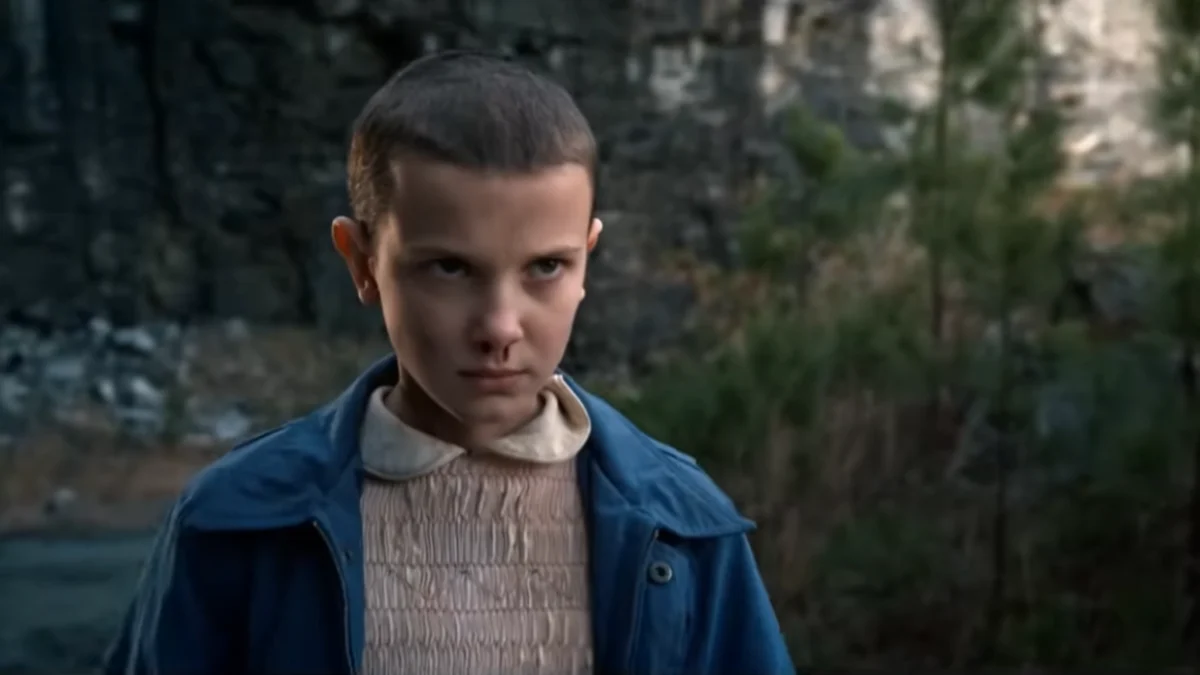
When Netflix first unveiled Stranger Things in 2016, it was marketed as a chilling, nostalgia-soaked mystery—a love letter to the supernatural thrillers of the 1980s. Audiences expected a relentless, high-stakes drama that would mirror the intensity of Stephen King or the dread of Poltergeist. Yet, as the show progressed, it morphed into something far more complex: a genre-bending tapestry that balanced heart-pounding horror with genuine, laugh-out-loud comedy.
It turns out, this signature "Hawkins charm" wasn’t entirely present in the original blueprint. A recent revelation from the show’s editorial suite has confirmed that the very DNA of Stranger Things was fundamentally altered during the post-production of its debut season, thanks to a daring decision made by editor Dean Zimmerman.
The Original Vision: A Darker, Grittier Hawkins
To understand the magnitude of this shift, one must consider the Duffer brothers’ original intent. Matt and Ross Duffer, the architects of the series, approached the first season with a rigid, meticulous focus on dramatic stakes. According to industry reports and internal production insights, the initial scripts for Season 1 were designed to be "very tight" and overwhelmingly intense.
The show was meant to keep viewers on the edge of their seats, trapped in a continuous cycle of suspense. In those early iterations, there was little room for the lighthearted banter or the comedic character dynamics that have since become the show’s hallmark. The Duffer brothers were, by all accounts, deeply invested in maintaining a singular, somber tone. Had they stayed that course, Stranger Things might have been remembered today as a singular, gritty cult classic rather than the multi-generational, comedic-horror juggernaut it eventually became.
The "Fix It in Post" Moment: A Creative Intervention
The turning point occurred in the quiet, sterile environment of the cutting room. During a recent "Fix It in Post" panel at Netflix’s FYSEE LA festival, editor Dean Zimmerman provided a rare behind-the-scenes look at how the series’ tone was recalibrated on the fly.
Zimmerman, who has been an integral part of the Stranger Things creative team since its inception, recalled the specific moment he decided to challenge the show’s established rhythm. He chose to take a pivotal scene—intended by the writers to be a high-stakes dramatic beat—and re-edit it entirely as a comedic sequence.
When the Duffer brothers saw the re-cut scene, their initial reaction was one of shock. "They freaked out and didn’t know what to do," Zimmerman shared during the panel. The editors had effectively stripped away the tension, replacing it with a levity that the writers hadn’t explicitly scripted. However, once the initial surprise subsided, the brothers realized the profound potential of what they were seeing.
The decision was immediate and transformative: they had to go back and rewrite the remaining scripts to infuse the entire season with this newfound sense of humor.
The Strategy of Levity: Why Comedy Makes Horror Scarier
Zimmerman’s intervention was not merely an aesthetic choice; it was rooted in a deep understanding of narrative pacing. As he explained to the Duffer brothers, the human psyche requires moments of release.
"You need to have those moments of levity, and you need to have those moments where you can let the audience sit back before you punch them in the face with something super scary," Zimmerman noted. This "rollercoaster" philosophy—the deliberate alternation between levity and terror—is exactly what makes Stranger Things effective. Without the comedic relief provided by characters like Dustin Henderson or the sarcastic wit of Erica Sinclair, the show’s more horrifying sequences would likely have led to audience fatigue. By grounding the characters in humor, the stakes become more personal, making the eventual supernatural threats feel even more dangerous.
Chronology of a Tonal Shift
The evolution of the show can be broken down into three distinct phases following this editorial breakthrough:
- The Pre-Edit Phase (Early 2016): The Duffer brothers finalize scripts focused on pure drama. The tone is somber, and the pacing is relentless.
- The Editorial Intervention (Mid-2016): Zimmerman cuts a scene for comedy. The Duffer brothers undergo a "tonal epiphany," realizing that the show requires a more balanced emotional spectrum.
- The Rewriting Process (Late 2016): The production team pivots, incorporating more "breathable" moments into the remaining episodes of Season 1. This establishes the formula that would define Seasons 2 through 5.
Supporting Data: From "The Monster" to "The Scoops Troop"
The implications of this shift are visible in the show’s most beloved character arcs. Consider the trajectory of Steve Harrington. In the pilot, Steve was positioned to be a stereotypical, antagonistic high-school bully—a common trope in 80s horror. However, as the writers embraced the need for comedic levity, Steve’s role evolved.
His unexpected friendship with Dustin Henderson became the show’s comedic anchor. By the time the show reached the "Scoops Troop" era in later seasons, the humor was no longer an afterthought; it was a fundamental pillar of the storytelling. The banter between Steve, Dustin, and Erica Sinclair provided the warmth that allowed the audience to survive the increasingly dark and grotesque threats posed by the Upside Down.
Official Responses and Creative Flexibility
The Duffer brothers have historically been praised for their willingness to collaborate, and the "Fix It in Post" panel served to highlight the symbiotic relationship between a showrunner’s vision and an editor’s perspective.
Zimmerman’s comments suggest that the Duffer brothers are "very specific on how they want their tones," but that they also recognize the value of the editorial process. This flexibility—the ability to create something "completely different than what’s on the page"—is a hallmark of a healthy production environment. It underscores the fact that great television is rarely the result of a single vision; rather, it is a collaborative alchemy that occurs when writers, directors, and editors trust one another enough to pivot when the narrative demands it.
The Long-Term Implications: A Blueprint for Success
The ripple effect of that single, spontaneous edit cannot be overstated. By leaning into comedy, the show secured its place in the cultural zeitgeist. It transformed from a niche thriller into a show about friendship, coming-of-age, and the absurdity of growing up in the 80s—all while fighting interdimensional monsters.
This tonal shift has influenced how modern streaming series are constructed. Today, many shows attempting to capture the "genre-bending" success of Stranger Things explicitly aim for that same balance. They understand that to keep an audience engaged for multiple seasons, one must provide more than just scares; one must provide a world that the audience wants to spend time in, populated by characters who feel real, flawed, and occasionally hilarious.
Conclusion: The Unseen Architect
As fans look back on five seasons of Stranger Things, the series stands as a masterclass in tone management. While the Duffer brothers deserve the acclaim for their world-building and narrative scope, the quiet contribution of Dean Zimmerman stands as a reminder of the power of the edit.
The story of the "comedy pivot" is a testament to the idea that some of the best creative decisions happen when the pressure is on. It serves as a reminder that even the most "tightly written" scripts are living documents, capable of evolving into something much greater when the right person is in the chair to recognize a missed opportunity. Without that moment of levity, Hawkins might have remained a place of pure darkness; instead, it became a home to some of the most memorable friendships in television history.











No comments yet. Be the first to join the conversation!