Rifan Muazin
REDWOOD CITY, CA – [Current Date] – The long-anticipated and already contentious Marketplace for The Sims 4, featuring a new premium currency called "Moola" for user-created content (UCC) and some official "Kits," has officially rolled out to PlayStation and Xbox consoles. This expansion comes just over a month after its initial debut on PC, extending a monetization strategy that has been met with significant criticism from the dedicated Sims community. The move brings console players into the fold of a system that has already prompted a partial policy reversal for PC users, raising questions about parity and future monetization strategies for the beloved life simulation franchise.
The console launch means that Sims 4 players on PlayStation and Xbox can now access a curated selection of paid mods and other community-made creations, purchased exclusively through the newly introduced Moola currency. While Maxis and Electronic Arts (EA) tout this as a way to empower creators and enrich the game, the implementation has ignited a familiar debate within the gaming world regarding paid user-generated content, premium currencies, and publisher monetization practices.
Main Facts
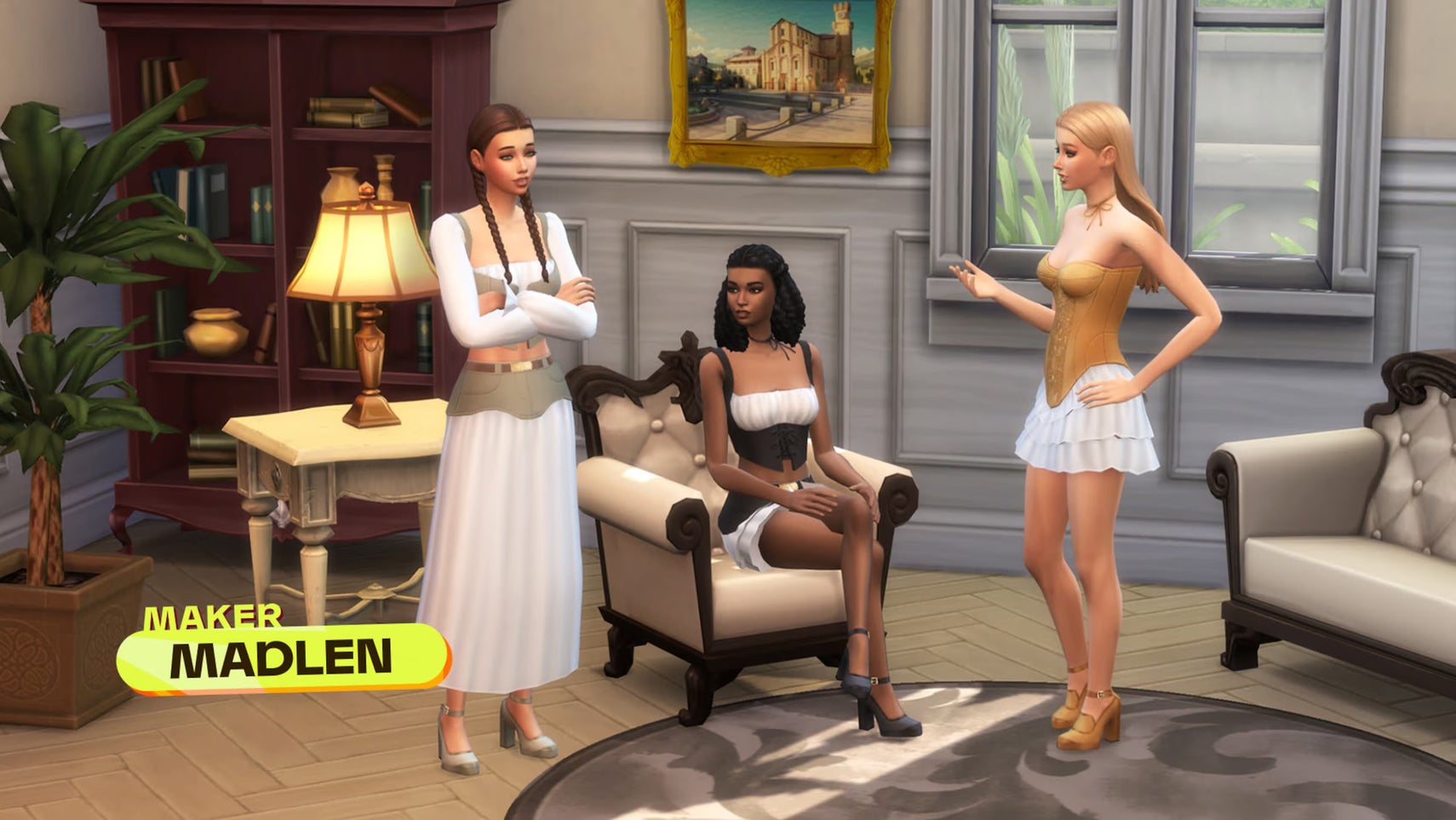
The core of this development lies in the introduction of The Sims 4 Marketplace across all major platforms, now including consoles. This digital storefront serves as a central hub where players can discover and acquire a variety of content, ranging from custom clothing and furniture to entirely new gameplay mechanics, all crafted by community creators participating in the official Maker Program.
The Moola Economy: Central to the controversy is "Moola," a new premium in-game currency. Players must purchase Moola with real-world money, and this currency is the sole medium for transactions within the Marketplace. As is common with such systems across the gaming industry, Moola is sold in fixed denominations that rarely align perfectly with the cost of in-game items. This often results in players needing to purchase more Moola than necessary for a specific item, leaving them with leftover currency that encourages further spending or simply goes unused. Critics argue this system intentionally obfuscates the true monetary value of items, making it harder for players to gauge the fairness of prices and potentially leading to overspending.
Kits Transition to Moola-Only: A significant shift accompanies the Marketplace’s arrival: The Sims 4 "Kits" – smaller, themed content packs – are no longer available for direct purchase with real money through the PlayStation and Microsoft stores on consoles. Instead, console players must first acquire Moola to then purchase these Kits. While larger content offerings like Expansion Packs, Game Packs, and Stuff Packs retain their direct real-money purchase options, the relegation of Kits to the Moola-only economy has been a major point of contention. It represents a further step into a premium currency ecosystem for official, first-party content, blurring the lines between publisher-created DLC and community-made modifications.
The Broader Paid Mod Debate: The concept of paid mods has historically been a volatile topic in gaming. From early attempts on platforms like Steam Workshop to more recent initiatives like Bethesda’s Creation Club, efforts to monetize user-generated content have frequently met with strong community backlash. Concerns typically revolve around fair revenue splits for creators, quality control, the perceived commercialization of a previously free community activity, and the potential for publishers to profit excessively from community labor. The Sims community, with its long and vibrant history of free custom content, is particularly sensitive to these issues.
Chronology
The rollout of The Sims 4 Marketplace and its associated monetization changes has unfolded in distinct phases, revealing a reactive development strategy by EA/Maxis.
Early 2024: PC Launch and Initial Backlash: The Marketplace made its initial debut on PC platforms (EA App and Steam) in early March. Almost immediately, the introduction of Moola and the decision to move Kits to a Moola-exclusive purchase model were met with widespread negative feedback from the PC player base. Players expressed frustration over the opaque pricing of Moola, the inconvenience of needing an intermediary currency, and the fundamental shift in how they acquired official content that had previously been available for direct cash purchase. Many felt that a system designed primarily for community-made content was being unceremoniously extended to official, albeit smaller, DLC.
April 2024: Console Rollout and Policy Disparity: Approximately a month after the PC launch, The Sims 4 Marketplace officially arrived on PlayStation and Xbox consoles. As announced by Maxis, the console version mirrors the PC implementation, including the Moola currency system and the requirement to purchase Kits using Moola rather than direct real-money transactions on platform storefronts. This meant console players would experience the same contentious monetization structure that had already drawn criticism on PC.
Mid-April 2024: The Leaked Memo and PC Reversal: Shortly after the console launch, a significant development emerged via a leaked internal memo, first reported by SimsCommunity. This memo indicated that EA had reconsidered its stance on Kits for PC players. According to the leak, the publisher intended to revert Kits back to being purchasable directly with real money on both the EA App and Steam. The change reportedly took effect almost immediately on the EA App, with Steam following suit by April 20th. This swift reversal on PC underscored the intensity of the community’s negative reaction and EA’s willingness to adjust its strategy in response to player sentiment, at least for one platform.
Ongoing: Console Uncertainty: Crucially, the leaked memo and subsequent PC policy reversal did not extend to consoles. Maxis’s official blog post announcing the console launch explicitly stated that Kits would require Moola on PlayStation and Xbox. This creates a disparity where PC players can now choose between Moola and direct cash for Kits, while console players are restricted to Moola. The prevailing sentiment is that EA may be observing the console market’s reception to the new system before deciding whether to implement a similar reversal on those platforms. This "wait and see" approach has left console players feeling like second-class citizens, subject to a monetization experiment that PC users have already successfully pushed back against.
Supporting Data
The current situation surrounding The Sims 4 Marketplace is not an isolated incident but rather a confluence of several prevalent trends in the gaming industry: the evolution of user-generated content monetization, the psychology behind premium currencies, and the unique history of The Sims‘ modding community.
The Contentious History of Paid Mods: The concept of paid mods has a troubled past. One of the most notable early controversies involved Valve’s attempt to introduce paid mods to Skyrim via the Steam Workshop in 2015. This initiative quickly collapsed due to widespread community backlash, primarily concerning revenue splits (modders received only 25%), concerns over quality control, intellectual property theft, and the perceived commercialization of a thriving, free modding scene. Bethesda later re-entered this space with its "Creation Club" for Skyrim and Fallout 4, offering curated, paid content created by approved modders. While more structured, it still faced criticism for its pricing, its nature as official, albeit externally developed, DLC, and the continued existence of a robust free modding community. The Sims 4 Marketplace, particularly with its integration of official Kits into the Moola economy, echoes these past debates, reigniting questions about the line between community contribution and corporate monetization.
The Sims’ Unique Modding Culture: The Sims franchise boasts one of the most prolific and dedicated modding communities in gaming history. For decades, players have created thousands upon thousands of free custom content (CC) items – from clothing and hairstyles to furniture, architectural pieces, and even gameplay overhauls. This vibrant ecosystem of free content is deeply ingrained in the Sims experience, with many players considering CC essential to their gameplay. The introduction of an official paid marketplace, especially one that uses a new premium currency, directly challenges this established culture. While it offers a pathway for some creators to monetize their work, it also risks fracturing the community and potentially devaluing the vast amount of free content already available. The success of The Sims has long been tied to its accessibility and the freedom it offers players, including the freedom to customize extensively with free mods.
The Psychology of Premium Currencies: Moola, like many other premium currencies in games (e.g., V-Bucks in Fortnite, Apex Coins in Apex Legends, FIFA Points), is designed to create a psychological distance between the player’s real money and the in-game purchase. By forcing players to convert real currency into an abstract in-game equivalent, the perceived value of items can become distorted. The common practice of selling these currencies in bundles that don’t perfectly match item prices further encourages players to buy more than they need, leaving them with "breakage" – small amounts of leftover currency that can only be spent on more items, thus driving further engagement and spending. This monetization model is highly effective for free-to-play and live-service games, but its application to a game like The Sims 4, which already has numerous paid expansions and a free-to-play base game, has been met with skepticism regarding its necessity and fairness.
Kits as a Product Category: The Sims 4 Kits were introduced as smaller, more focused content packs, designed to offer players specific themes or item sets at a lower price point than traditional Stuff Packs, Game Packs, or Expansion Packs. Their initial appeal was their affordability and ability to add niche content without a significant investment. By moving Kits to a Moola-only purchase model on consoles, EA has effectively removed the option for a direct, transparent cash transaction for these smaller DLCs. This move positions Kits more akin to microtransactions within the new Marketplace ecosystem, rather than standalone DLC, further entangling official content with the mechanics of paid community creations.
Official Responses
Maxis and EA’s communication regarding the Marketplace and its monetization has been framed around empowering creators and enhancing player choice, though their actions have also demonstrated a reactive stance to community feedback.
Stated Goals for the Marketplace: In their official announcements and blog posts leading up to the Marketplace launch, Maxis and EA emphasized the program’s intent to "empower talented Sims community creators" by providing a platform for them to monetize their work. The Maker Program, which allows selected creators to sell their content, was presented as an opportunity to foster innovation and offer players even more diverse content. The introduction of Moola was ostensibly part of this new ecosystem, providing a standardized currency for these transactions. The narrative focused on expanding player options and supporting the creative community.
The Console Launch Announcement: The blog post detailing the console launch reiterated that the experience would be "similar to what PC players have seen." This included the confirmation that Kits would no longer be available for direct purchase with real money on PlayStation and Microsoft Stores, requiring Moola instead. The announcement highlighted the continued availability of larger packs (Expansion, Game, and Stuff Packs) for direct purchase, attempting to delineate between different tiers of content monetization.
The Unofficial PC Reversal: The most telling "official response" came indirectly through the leaked memo and subsequent observable changes on PC platforms. While EA did not issue a public press release specifically addressing the Moola requirement for Kits on PC, the internal communication and the swift return of direct cash purchase options for Kits on the EA App (and soon Steam) serve as a clear, albeit implicit, acknowledgment of the strong negative sentiment from the PC community. This swift course correction suggests that the initial implementation for Kits was deemed unsustainable or too damaging to player goodwill on PC.

Silence on Console Parity: As of now, there has been no official statement from EA or Maxis regarding the possibility of extending the PC’s Kit purchasing flexibility to console players. The silence suggests a deliberate strategy to monitor the console market’s reaction. This could be interpreted in several ways: perhaps console players are perceived as less vocal or less resistant to premium currencies, or EA might be gathering data to assess the financial impact of the Moola-only model on consoles before making a decision. The lack of a unified policy, however, risks alienating console players and fostering a sense of inequity within the overall Sims 4 community.
Implications
The rollout of The Sims 4 Marketplace and its associated policies carries significant implications for various stakeholders: console players, mod creators, EA/Maxis’s brand reputation, and potentially the future direction of the entire Sims franchise.
For Console Players: A Disparate Experience: The most immediate implication is the creation of a disparate player experience between PC and console. While PC players now have the choice to purchase Kits directly with real money or via Moola, console players are locked into the Moola-only system for these official content packs. This not only adds an extra, often inconvenient, step to purchasing content but also subjects them to the psychological effects of premium currency pricing, potentially leading to overspending or feeling pressured to buy Moola bundles that don’t perfectly align with their needs. This disparity could breed resentment among console players, who might perceive themselves as being treated as a testing ground for monetization strategies that PC players successfully rejected.
For Mod Creators: Opportunities and Challenges: For creators participating in the Maker Program, the Marketplace offers a formalized avenue to monetize their passion. This could incentivize the creation of high-quality content and provide a sustainable income stream for talented individuals. However, challenges remain. The revenue split with EA, the visibility of their content among potentially thousands of submissions, and the need to navigate the Moola economy for their customers are all factors. Furthermore, the existence of a paid marketplace might inadvertently create a schism with the long-standing free modding community, potentially leading to debates about content quality, ethics, and community fragmentation. Creators who choose not to participate in the official program might find their free content overshadowed or devalued by the new official offerings.
For EA/Maxis: Reputation and Trust: The handling of the Marketplace and its monetization, particularly the swift PC reversal contrasted with the console’s ongoing Moola-only policy for Kits, has direct implications for EA/Maxis’s reputation. While responsiveness to community feedback (as seen on PC) can be positive, inconsistency across platforms can erode player trust and foster accusations of unfairness or exploitative practices. The perception that The Sims 4 is increasingly relying on complex monetization schemes, even for smaller content packs, could lead to player fatigue and a diminished sense of value for money, especially for a game that already has a vast catalog of paid DLC. Maintaining a balance between commercial viability and community goodwill is crucial for a franchise built on player creativity and engagement.
Future of The Sims Franchise: Project Rene and Beyond: The lessons learned from The Sims 4 Marketplace experiment will undoubtedly inform the development and monetization strategies for the next generation of The Sims, currently known as "Project Rene." If the Moola system proves financially successful on consoles, or if the initial backlash subsides, it could pave the way for similar premium currency models to be integrated from the ground up in future Sims titles. Conversely, significant and sustained negative feedback, particularly on consoles, might lead to a re-evaluation of how user-generated content and smaller DLC are sold. The broader industry trend is towards live-service games with diverse monetization, and The Sims franchise, as a long-running live-service title, is clearly exploring how to best fit into this evolving landscape.
Broader Industry Trends: UGC Monetization: The Sims 4 Marketplace reflects a wider industry trend where publishers are increasingly looking to monetize user-generated content. As games become more platform-like, the content created by players becomes a valuable asset. The challenge lies in creating a system that is fair to creators, acceptable to players, and profitable for the publisher. The Sims 4 situation is a live case study in navigating this complex ecosystem, highlighting the delicate balance required to integrate community creativity into a commercial model without alienating the very players who drive the game’s longevity and success.
In conclusion, the expansion of The Sims 4 Marketplace to consoles marks a significant step in the franchise’s monetization journey, but it is one fraught with challenges and community skepticism. While offering new opportunities for creators, the Moola currency and the differential treatment of Kits between PC and console players have ignited a renewed debate about fair pricing, transparency, and player equity in the ever-evolving landscape of video game monetization. The coming months will reveal whether console players will accept this new economic model or if EA will once again be prompted to adjust its strategy in response to its passionate global community.


 Lina Irawan
 Sagoh
Sagoh