Muslim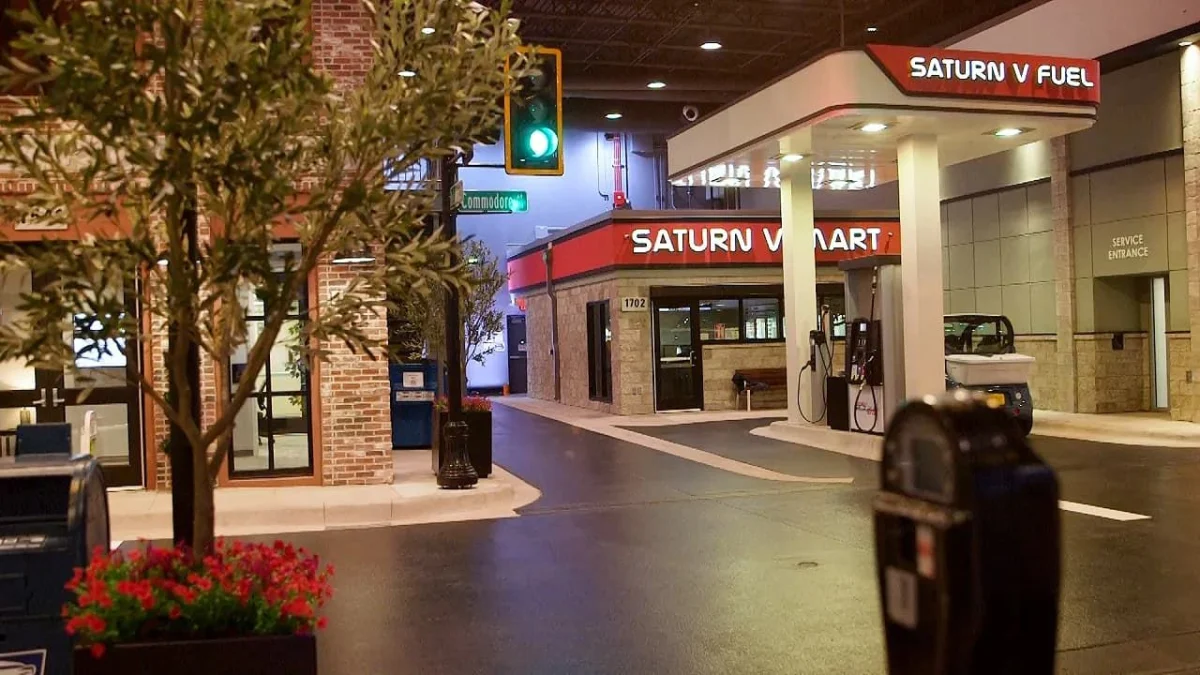
In the clandestine, high-stakes arena of global cybersecurity, the battle between law enforcement and sophisticated threat actors has traditionally been fought in sterile server rooms and cramped classrooms. However, as cybercriminals grow more audacious, leveraging advanced persistent threats (APTs) and complex social engineering to infiltrate critical infrastructure, the Federal Bureau of Investigation (FBI) has shifted its pedagogical strategy from the theoretical to the visceral.
The Bureau’s response is the "Kinetic Cyber Range," a sprawling, 22,000-square-foot facility located within a massive hangar at the FBI’s training campus in Huntsville, Alabama. This isn’t a digital simulation displayed on a screen; it is a full-scale, physical replica of an American town, designed to bridge the widening gap between abstract coding exercises and the chaotic reality of field investigations.
The Physicality of Cyberwarfare: A Town Under Glass
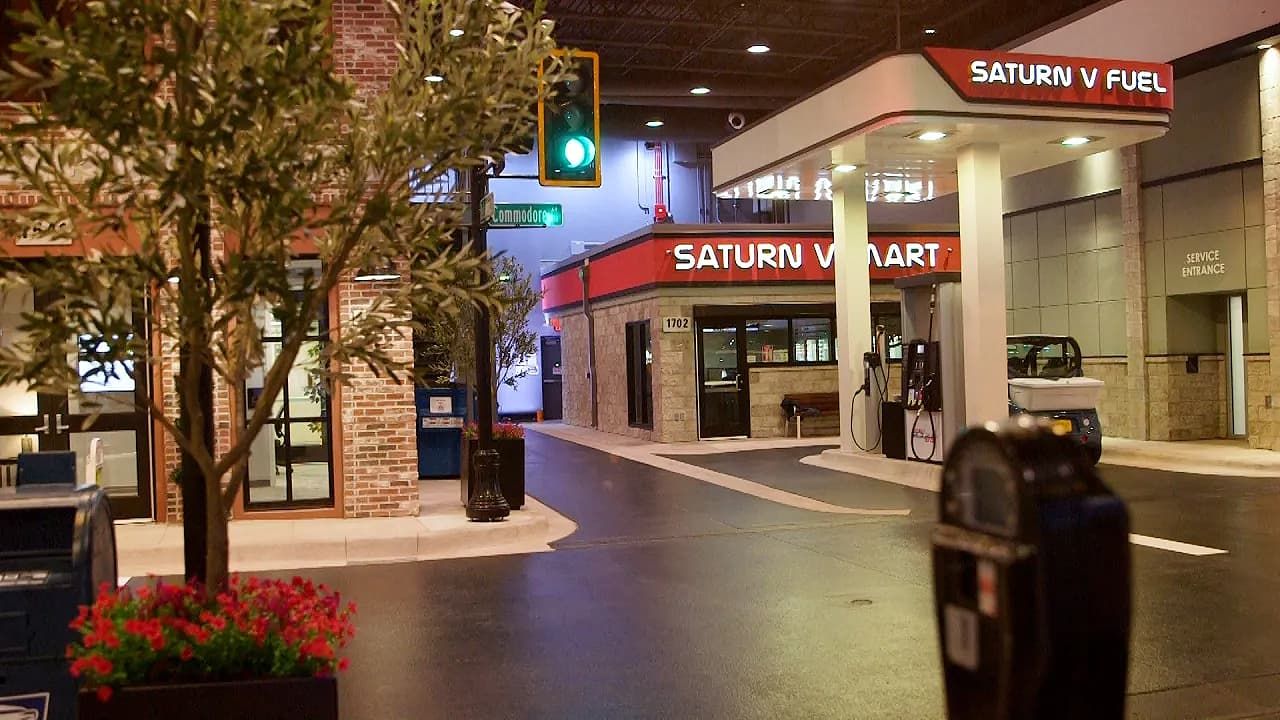
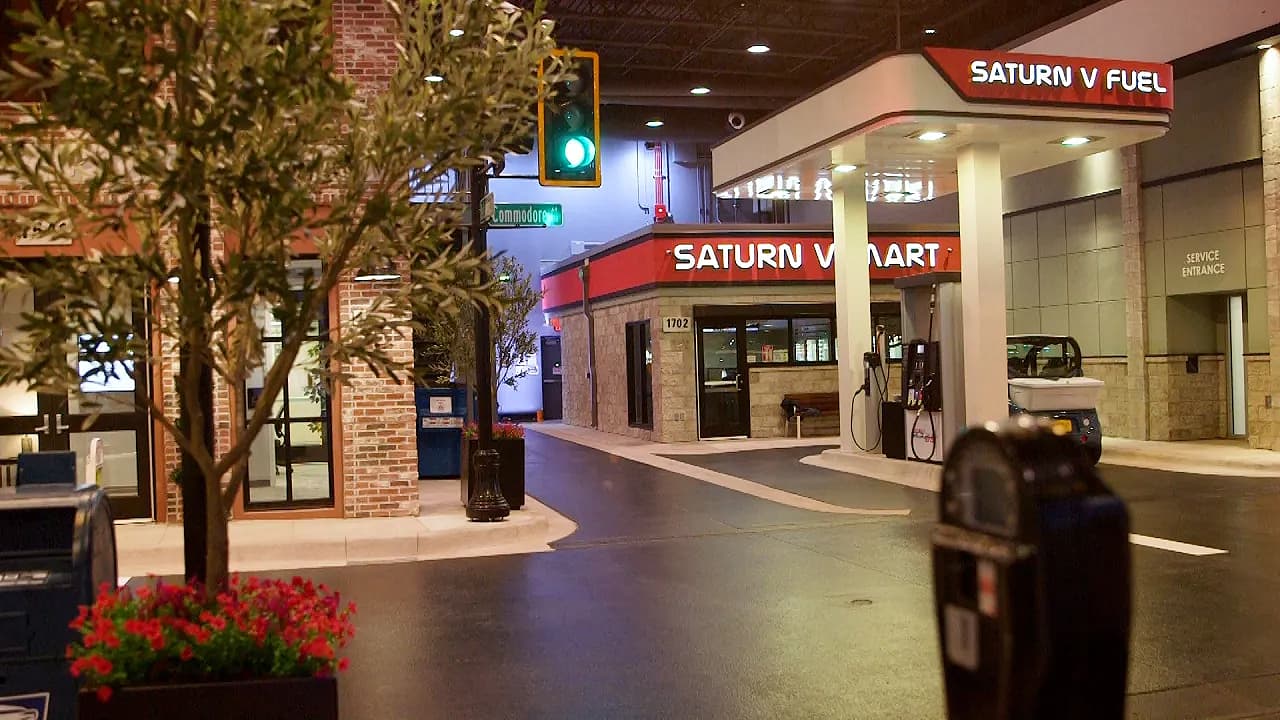
The Kinetic Cyber Range is, by any standard, an architectural feat of specialized training. Inside the hangar, the FBI has constructed a functioning, hyper-realistic urban environment consisting of 11 distinct facilities. This ersatz community includes everything one would expect in a typical American municipality: a hotel, a convenience store, a residential house, a data center, and even a gaming arcade.
The facility’s brilliance lies in its duality. It serves as both a physical training ground and a high-fidelity digital network environment. Every device within these buildings—from the smart thermostats in the hotel to the security cameras in the convenience store—is connected to a live, monitored network that can be intentionally compromised.
By creating a "kinetic" environment—a term referring to physical-world effects caused by cyber interventions—the FBI allows agents to see the real-world consequences of a digital attack. When a student executes a command to hack a system, they don’t just see a line of code execute; they might witness the physical lights of a building flicker, the locks on a door disengage, or the HVAC system in a server room fail. This immersive approach ensures that the next generation of cyber-investigators understands that modern crime rarely stays confined to a laptop screen.
Chronology of Development: From Concept to Command
The necessity for such a facility became clear as the landscape of cyber-investigation shifted. For decades, the FBI relied on tabletop exercises and static labs. However, as the "Internet of Things" (IoT) began to permeate every aspect of civilian life, the bureau recognized a dangerous blind spot: the intersection of physical safety and digital security.
- Pre-2020: The FBI identifies a growing need for "integrated" training, where agents can practice digital forensics in environments that mimic real-world infrastructure rather than isolated lab equipment.
- 2020-2023: Planning and construction of the Huntsville facility take place, integrating advanced networking hardware capable of simulating large-scale municipal digital architecture.
- February 2025: The Kinetic Cyber Range officially opens for training operations.
- 2025-Present: The facility begins welcoming not just FBI agents, but a coalition of partners including NASA, the U.S. Army, and local law enforcement, fostering a collaborative ecosystem to combat cross-sector threats.
Since its inauguration in early 2025, the range has hosted over 1,400 students, each moving through intensive cycles of offensive and defensive operations.
Supporting Data and Technical Scope
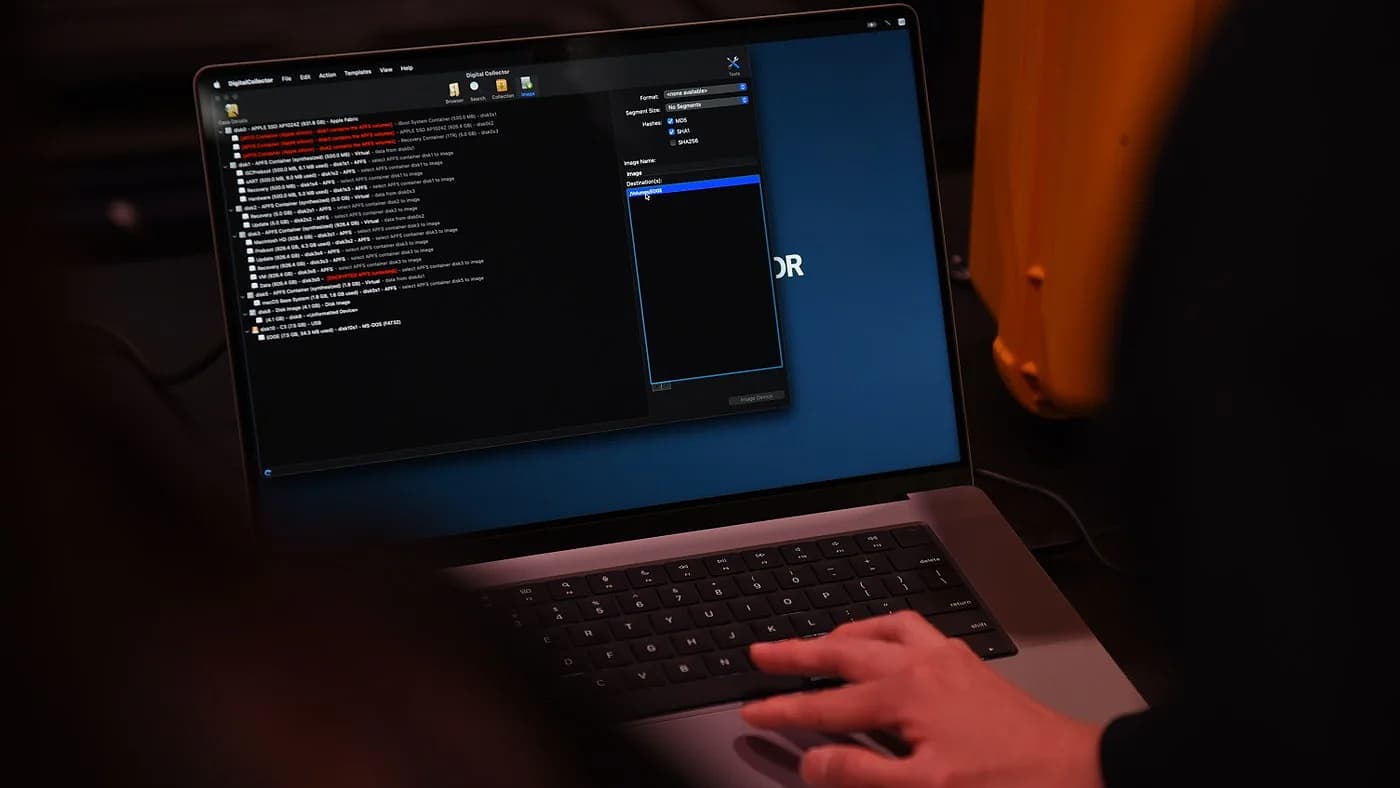
The technical infrastructure of the range is designed to mirror the "wild" internet while maintaining a strictly "air-gapped" security posture to prevent any accidental leakage of malicious code. The network includes:
- Enterprise-Grade Infrastructure: Firewalls, load balancers, and file directory systems that mimic large corporate and municipal networks.
- IoT Diversity: A wide array of smart devices, including drones, vehicle forensics hardware, and industrial control systems (ICS).
- Forensic Replicas: Systems are periodically wiped and re-imaged with "live" forensic data, allowing students to practice evidence collection on "fresh" crime scenes.
The focus is not merely on the initial intrusion but on the entire lifecycle of an incident. Students are trained to handle "dwell time"—the period during which an attacker remains hidden in a network—and to trace movements across disparate systems that shouldn’t logically be connected, a common hallmark of modern ransomware attacks.
Official Perspectives: "As Real As It Gets"
David Beachboard, the Program Manager for the Kinetic Cyber Range, has been vocal about the facility’s unique position in the global training landscape. Speaking on the official FBI YouTube channel, Beachboard emphasized that the facility is truly "one of a kind."
"There is no facility like this in the world," Beachboard noted. "This is about as real as it’s going to get before people go out in the field."
The FBI leadership views the range as a critical investment in the "human element" of cybersecurity. While automated tools and AI-driven defense systems are essential, they are only as effective as the agents who operate them. By forcing agents to navigate the stress of a high-pressure environment, the FBI aims to reduce the "reaction lag" that occurs when an investigator encounters a novel, sophisticated threat for the first time.
Beyond the Keyboard: The Roleplay Element
Perhaps the most innovative aspect of the Kinetic Cyber Range is its emphasis on the "soft skills" required during a cyber incident. Digital investigations are rarely performed in a vacuum; they involve high-stakes interactions with victims, corporate leadership, and first responders.
The FBI incorporates complex roleplay scenarios into the training. A student might be tasked with:
- Executive Interviews: Conducting a sensitive interview with a business owner whose company has just been crippled by a ransomware attack.
- Crisis Management: Coordinating with medical staff in a hospital scenario where a cyberattack has threatened patient safety or equipment integrity.
- Public Relations and Policy: Communicating the status of a breach to stakeholders who are, understandably, panicked about the loss of data or the disruption of service.
These scenarios are notoriously difficult to replicate in a classroom. In the range, the tension is palpable. The student must balance the technical demands of the investigation—such as preserving logs and blocking unauthorized access—with the human demands of a situation spiraling out of control.
Implications for Future Cybersecurity
The implications of the Kinetic Cyber Range extend far beyond the training of FBI agents. As threat actors continue to target "soft targets" like local government, small businesses, and utility providers, the ability of federal agencies to provide collaborative training is vital.
1. The Proliferation of Multi-Agency Defense
By opening the facility to partners like NASA and the U.S. Army, the FBI is fostering a standardized language and protocol for cyber-incident response. When a major cyber-event occurs, it rarely impacts just one entity. Having personnel from various agencies who have trained together in the same "town" significantly improves inter-agency coordination.
2. Adaptation to Emerging Threats
The threat landscape is fluid. In 2025, the focus may be on AI-powered phishing and ransomware; in 2026, it may shift to the exploitation of space-based satellite communications or deep-fake-driven social engineering. The modular nature of the Kinetic Cyber Range allows the FBI to constantly update the "town’s" digital profile to reflect the latest threat intelligence, ensuring that training never becomes obsolete.
3. The Deterrence Factor
While the range is a training facility, it acts as a silent form of deterrence. By refining the speed and efficiency with which agents can detect, trace, and neutralize threats, the FBI raises the "cost of entry" for hackers. If a criminal group knows that federal agents are being trained in environments that perfectly mirror their own targets, they are forced to reconsider the viability of their attacks.
Conclusion: A Proactive Stance
The Kinetic Cyber Range represents a sophisticated, necessary evolution in the Bureau’s approach to law enforcement. By marrying the digital world of cyber-threats with the physical reality of a municipal environment, the FBI is acknowledging a fundamental truth: modern crime is ubiquitous, borderless, and deeply invasive.

As the cyber-industry continues to offer lucrative rewards for illicit activity, the divide between the hunter and the hunted will only narrow. With the Kinetic Cyber Range, the FBI has ensured that when the next major digital assault occurs, their agents won’t just be reading about it in a manual—they will have already lived through it, navigated it, and successfully defended against it in the heart of their own simulated town. The facility is a testament to the idea that in the digital age, preparedness is not just about having the best software; it’s about having the best-trained human minds, ready to act when the screen goes dark.

 Jia Lissa
 Asro
Asro