Evan Lee Salim
In the high-stakes, unforgiving landscape of Gray Zone Warfare, the line between a tactical simulation and a chaotic shooter is thin. Since the release of the landmark 0.4.0 patch, developer Madfinger Games has been forced to grapple with an unintended consequence of the game’s growing popularity: a degradation of the "tactical" identity that first drew players to its brutal, PvE-first vision.
As the player base surged, Combat Outposts (COPs)—meant to be strategic footholds—transformed into arenas of endless, low-stakes respawn loops. With Update 0.4.5.0, Madfinger Games has implemented a suite of sweeping changes designed to curb this "Call of Duty-fication" of the game’s PvP, forcing players to prioritize survival over the convenience of a quick return to the fray.
The Crisis of Combat Outposts: A Chronology of Chaos
To understand why the 0.4.5.0 update is so vital, one must look at the state of the game following the 0.4.0 patch. Initially, Gray Zone Warfare was designed as a deliberate, slow-burn experience where every life held weight. However, the 0.4.0 update inadvertently introduced an "arcade" dynamic to the map’s most contested sectors.
The Era of "The Naked Dash"
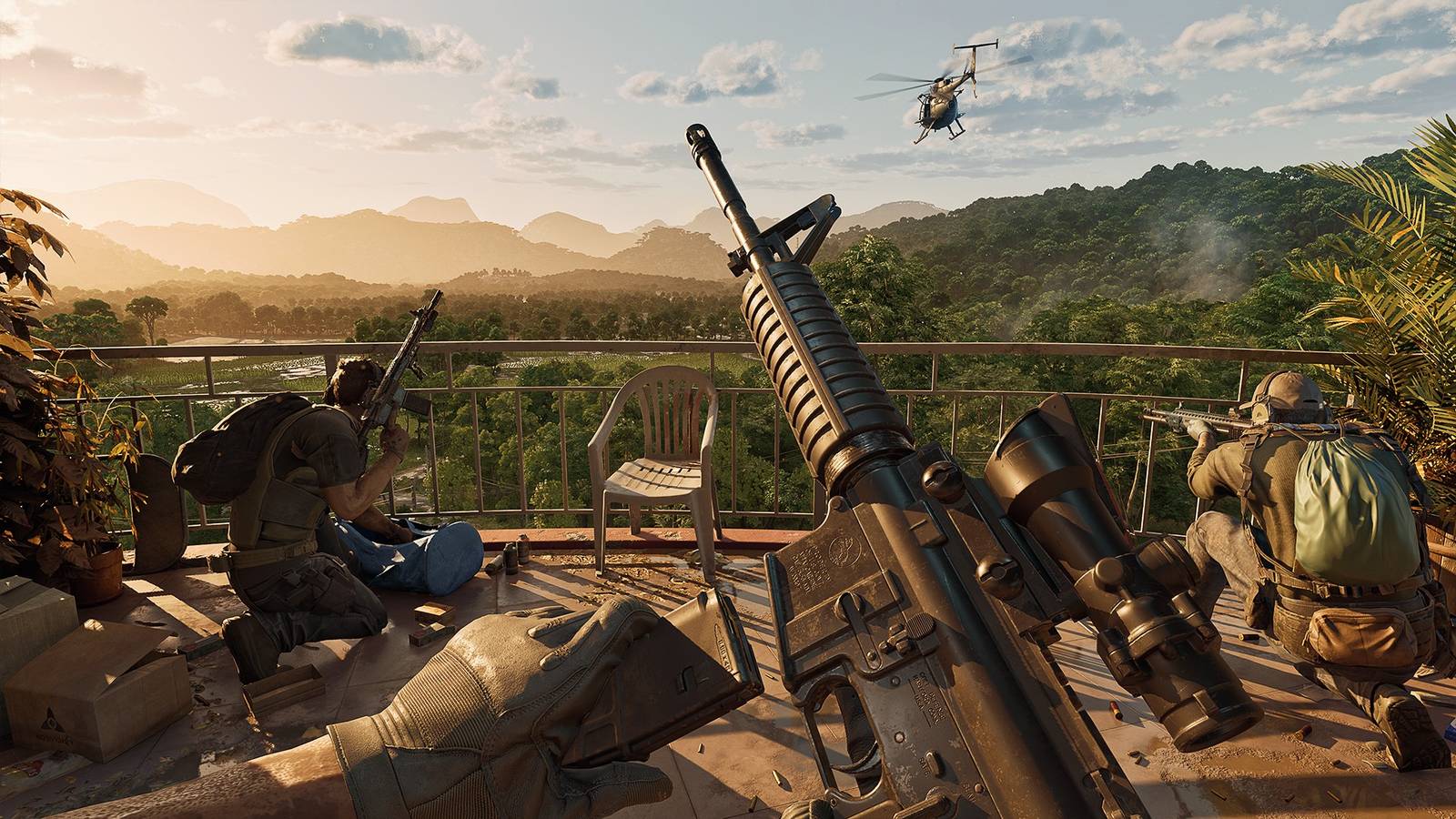
Following the 0.4.0 rollout, players discovered that Combat Outposts offered near-unrestricted respawn capabilities. If a squad was pushed out of a COP, they didn’t retreat or rethink their strategy. Instead, they would respawn at the nearest available point, often discarding their gear for a "naked run" with nothing but a knife and sheer momentum.
This created a cycle where outposts would swap hands every few minutes. The strategic depth of clearing a room, holding a flank, and managing resources was replaced by a mindless "meat grinder" meta. This frustrated veteran players who had invested in the game’s promise of a realistic military sim, leading to a loud, vocal push for the developers to intervene.
The Shift to 0.4.5.0
Recognizing the erosion of the core experience, Madfinger Games prioritized a systemic overhaul. The 0.4.5.0 update arrived as a corrective measure, focusing on three specific pillars: increasing the barrier to entry for reclaiming territory, punishing reckless play, and restoring the fog of war that makes long-range engagements meaningful.

The New Rules of Engagement: Strategic Implications
The core philosophy behind the latest update is that tactical failure should carry consequences. Madfinger Games has moved away from the "infinite wave" approach, forcing players to treat every encounter with the weight it deserves.
1. The 30-Minute Cooldown
The most significant change to the landscape is the implementation of a 30-minute cooldown period for captured outposts. Previously, losing a COP meant a temporary inconvenience. Now, once a faction successfully secures a location, it remains under their control for a substantial duration. This doesn’t prevent enemy factions from attacking or infiltrating the perimeter, but it fundamentally shifts the incentive structure: it is no longer about flipping a flag; it is about holding ground.
2. Death and the End of "Human Waves"
Perhaps the most controversial, yet necessary, change involves respawn logic within PvP zones. If a player dies within a designated PvP sector, they are now strictly prohibited from respawning at a COP after their first death. This effectively kills the "human wave" strategy. If you lose a firefight, you are out of the immediate vicinity. You must regroup, re-equip, and plan a deliberate counter-offensive rather than simply spawning in and sprinting back to the body pile.
3. Reimagining the PvP Zone Marker
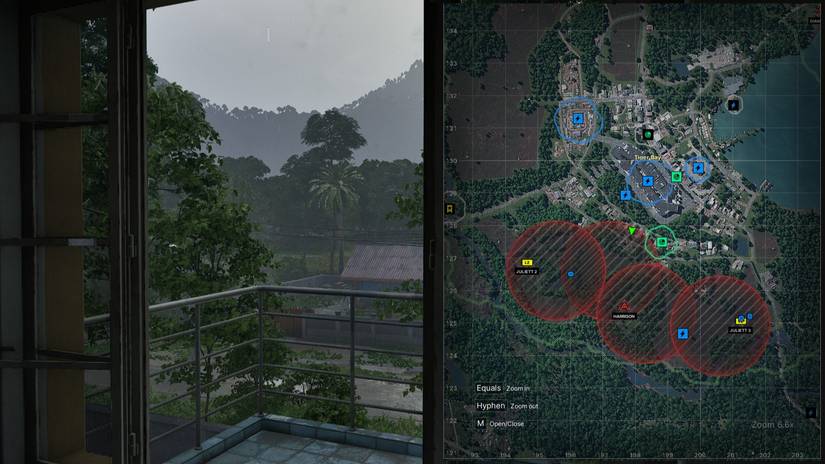
One of the most persistent complaints regarding Gray Zone Warfare’s PvP was the "magical" nature of the UI. When combat was initiated, the game would generate a 200-meter radius circle on the map, centered between the attacker and the defender. While intended to help players find the fight, it acted as a crutch that stripped the defender of any chance to reposition or escape.
The 0.4.5.0 update has expanded this circle to a 400-meter diameter and, crucially, centered it on the target rather than the midpoint. This change is subtle but profound. It alerts a player that they are being engaged by another human, but it offers no hint as to the origin of the fire. This restoration of uncertainty is a win for marksmen and scout-class players, who can once again utilize camouflage and terrain to dictate the flow of combat.
Technical Performance: The Role of DLSS 4.5
While gameplay balance was the primary focus of the community discussion, Madfinger Games has not ignored the performance hurdles that have plagued the title since its Early Access launch on April 30, 2024.
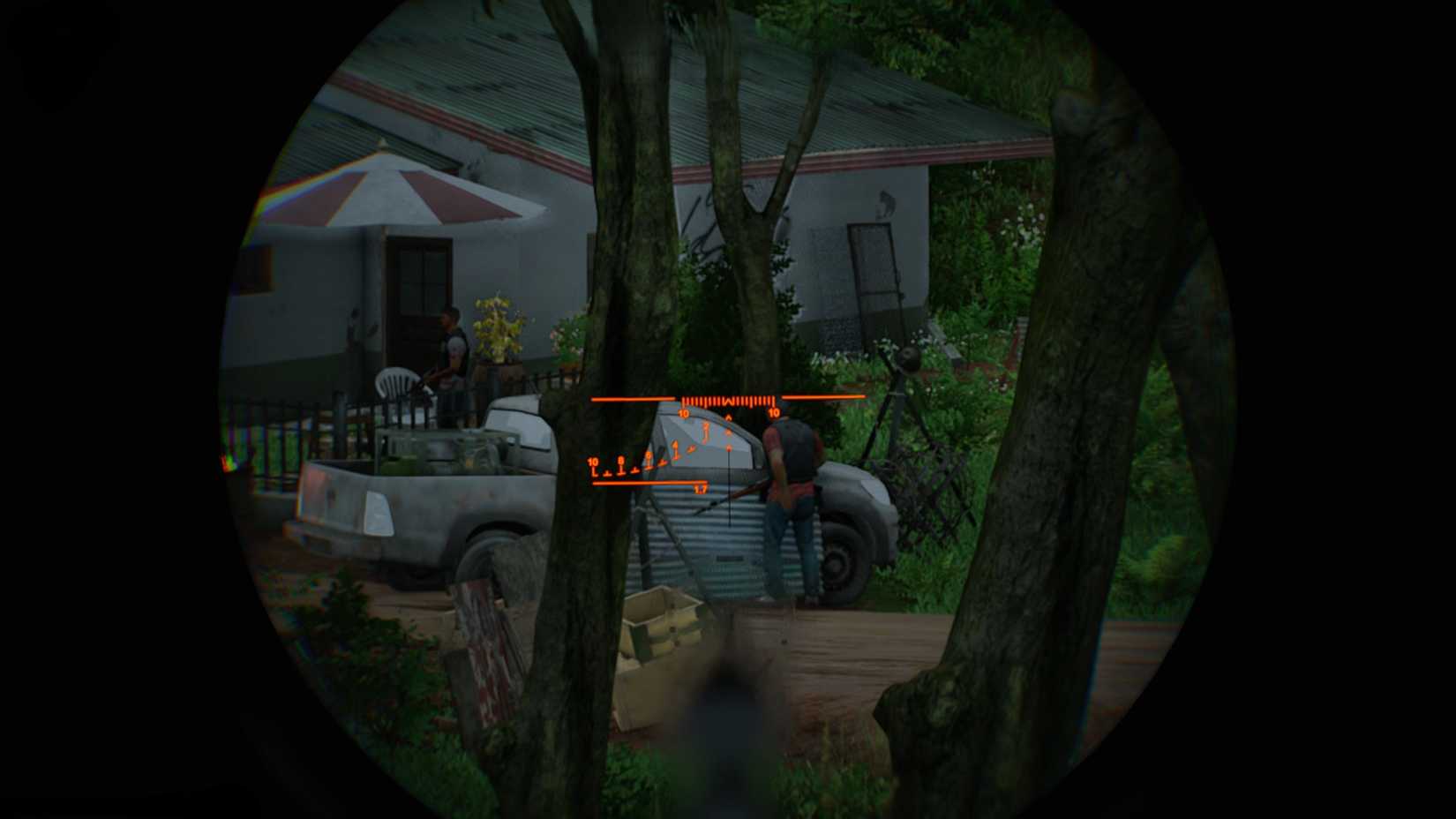
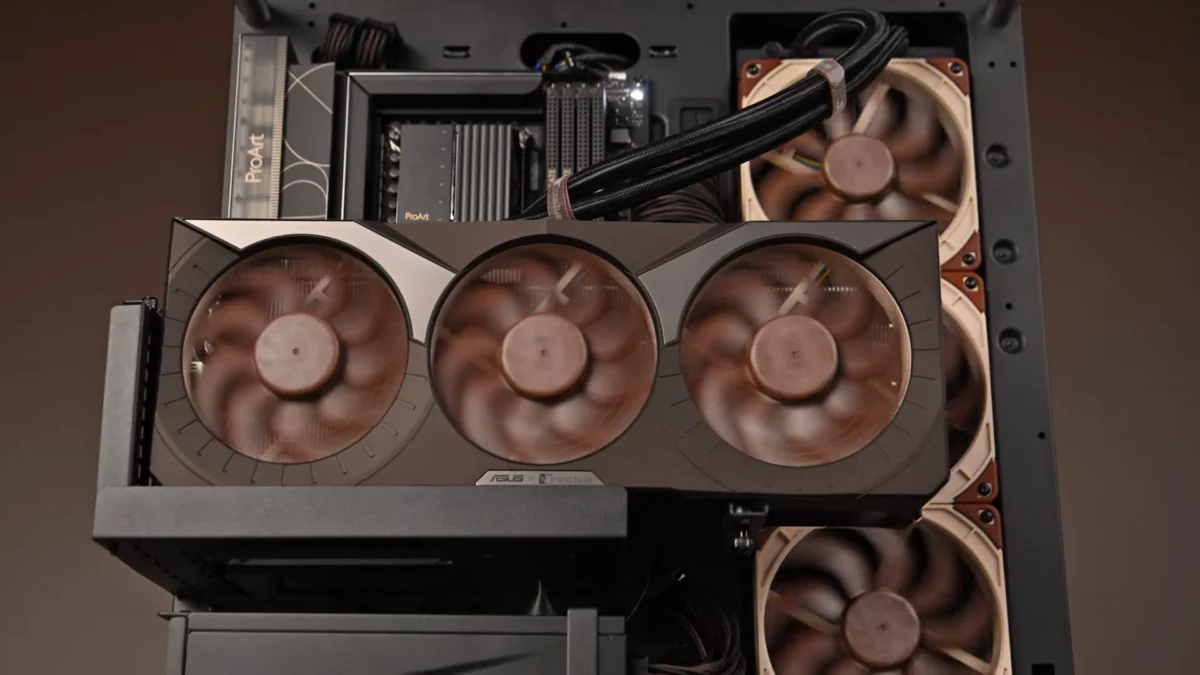
The integration of NVIDIA’s DLSS 4.5 is a critical milestone for the title. Gray Zone Warfare is built on Unreal Engine 5, which, while visually stunning, is notoriously demanding on hardware. For the past two years, the team has been in an iterative race to optimize the game for mid-range systems. With DLSS 4.5, the game has finally reached a state where players on average hardware can maintain high frame rates without sacrificing the fidelity of the dense, foliage-heavy environments of Lamang Island. This performance boost is not just a luxury—it is an accessibility feature, allowing a wider segment of the player base to experience the game as intended.
Supporting Data: A Growing Player Base
Despite the friction caused by balancing updates, the commercial trajectory of Gray Zone Warfare remains remarkably strong.
- Sales Milestones: The game has officially crossed the 1.5 million units sold mark, a significant achievement for an independent studio in the crowded tactical shooter market.
- Concurrent Peak: Even after the initial launch hype, the game hit a post-launch peak of 43,770 concurrent players this year.
- Server Integrity: With a hard cap of 48 players per server and a limit of 16 players per faction, the developers are clearly committed to maintaining a specific "density" of players. They are prioritizing a high-quality, balanced experience over the sheer scale of 100-player battle royales.
Official Stance and Future Outlook
Madfinger Games has maintained a transparent, albeit defensive, posture regarding these changes. Their communication, largely funneled through developer diaries and patch notes, emphasizes that Gray Zone Warfare is not a game designed to accommodate the "fast-paced shooter" crowd.
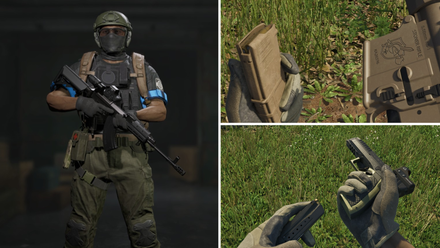
"We are building a simulation of war, not a simulation of a game," one developer representative noted in recent community forums. The move toward longer cooldowns and stricter respawn rules is a clear signal that the studio is willing to risk a dip in player counts to ensure the long-term health of their "hardcore" vision.
The studio’s commitment to this vision is further evidenced by their participation in the Steam Summer Sale, where the game is currently offered at a 33% discount for $26.79. This is a classic "growth phase" tactic: bringing in new players at a lower price point while simultaneously refining the game to ensure those new players encounter the intended "tactical" experience rather than the chaotic, arcade-style version of the game that dominated the 0.4.0 era.
Implications: The Long Road Ahead
What does this mean for the future of the genre? Gray Zone Warfare is effectively becoming a bridge between the hyper-realistic, slow-paced mil-sims like Arma and the more accessible, extraction-based shooters like Escape From Tarkov.
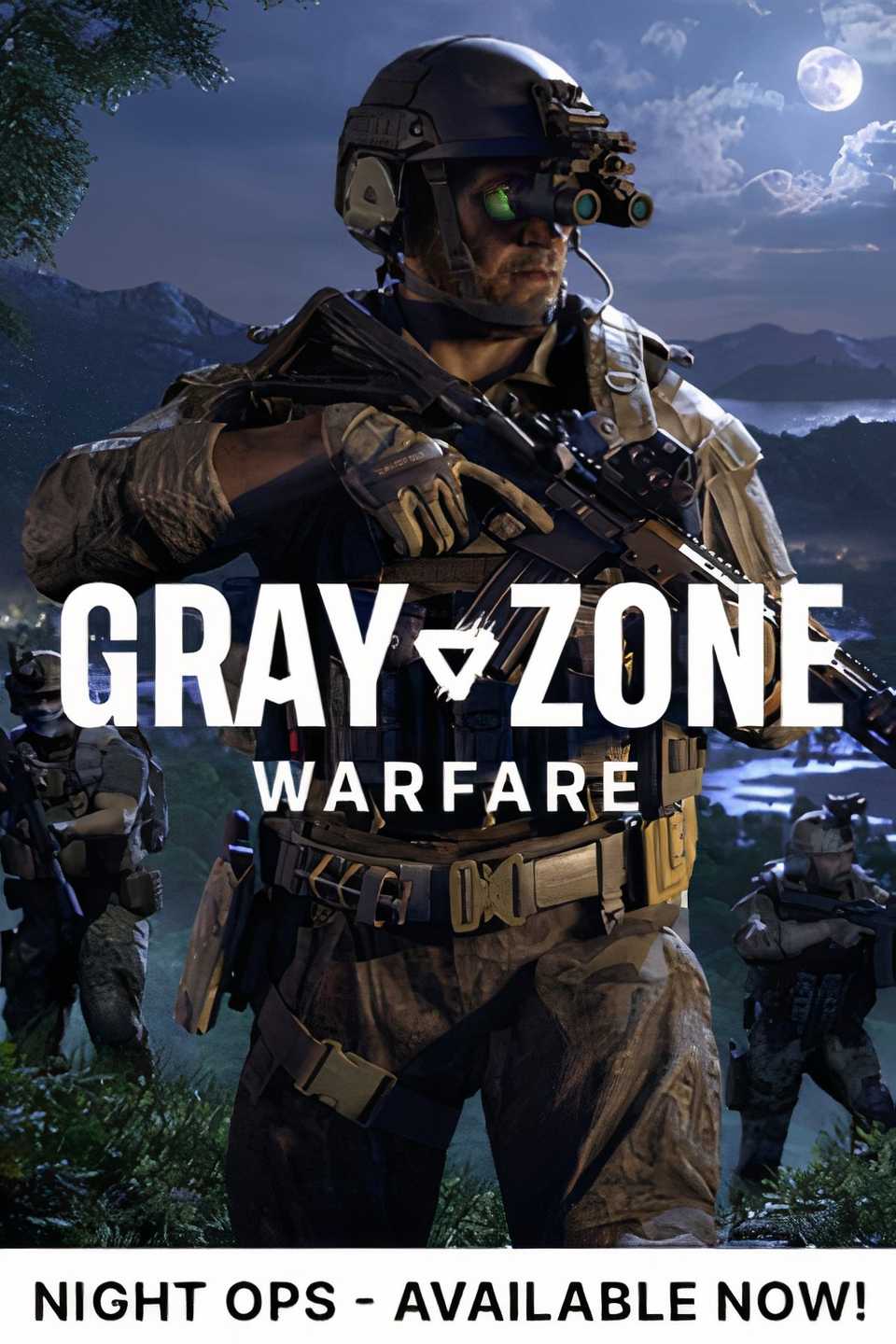
By removing the "magical" map markers and punishing rapid respawns, Madfinger Games is betting that the audience is craving complexity. The implications for the game’s longevity are clear: if they can continue to balance the friction of survival with the reward of tactical victory, they will cement their place in the upper echelon of the genre.
For the player, the takeaway is simple: the era of the "lone wolf" running and gunning through a COP is effectively over. Success in Gray Zone Warfare now requires coordination, patience, and a willingness to accept that, in war, sometimes you have to lose the fight to win the campaign. As the game continues its journey through Early Access, one thing is certain: the developers are listening, and they aren’t afraid to break a few mechanics to ensure their vision stays intact.
Whether you are a seasoned veteran with 500 hours on the clock or a newcomer lured by the Steam Summer sale, the game’s current state is the most refined and challenging it has ever been. It is, quite literally, a new war.


 Asro
Asro
 Muslim