Sagoh
Sagoh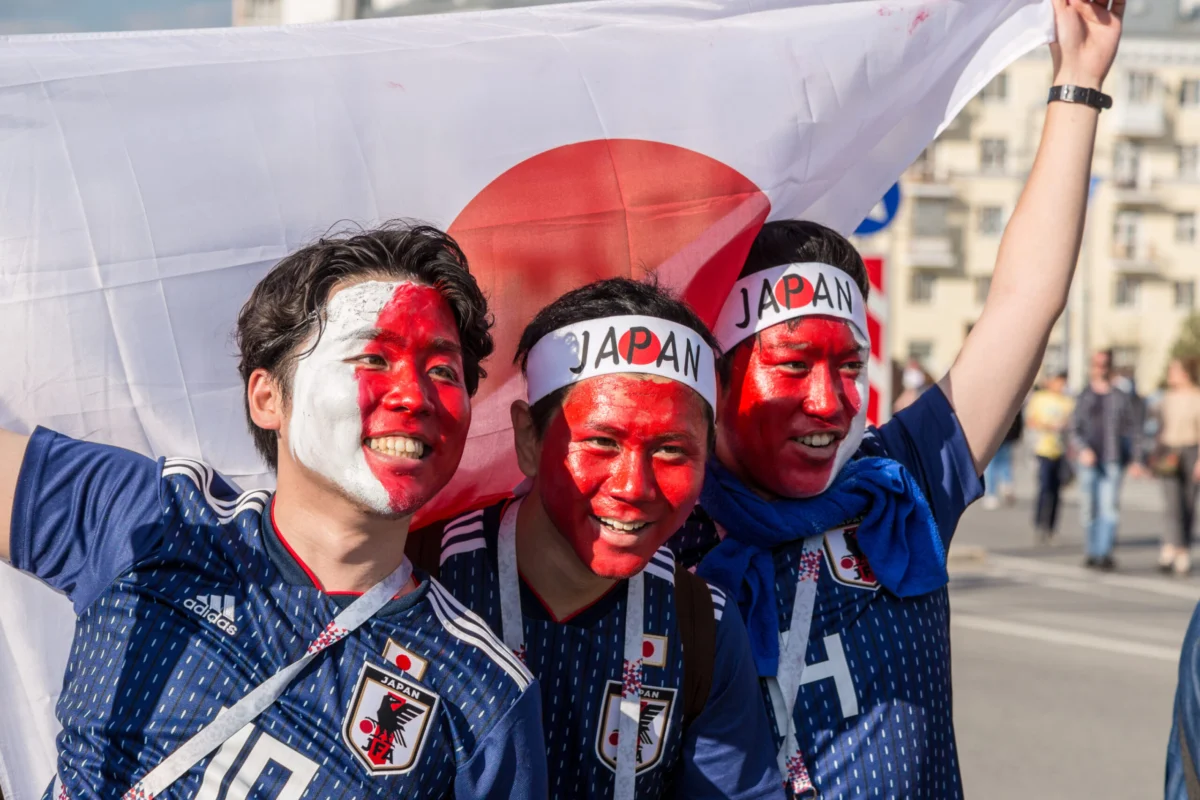
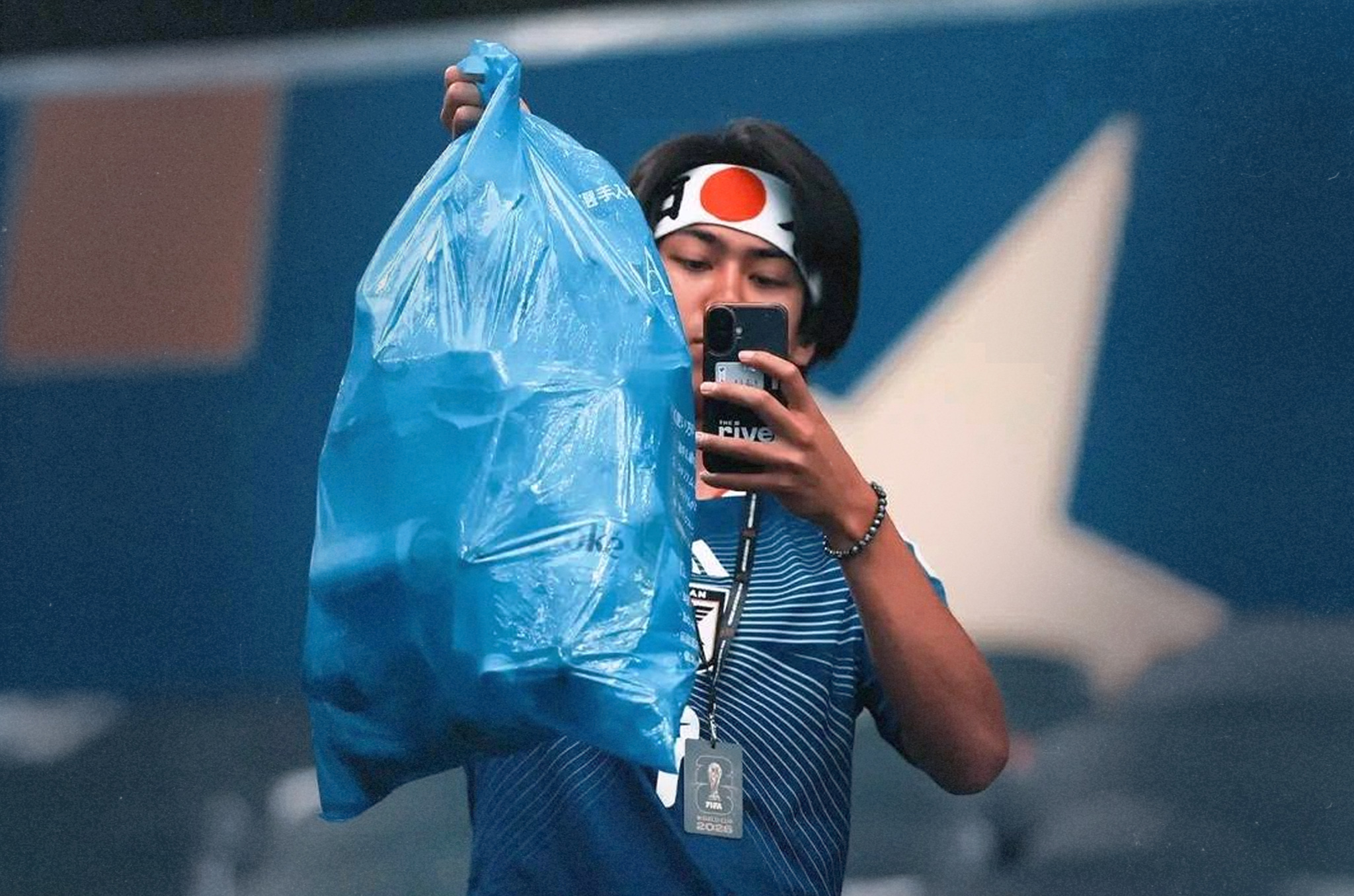
The final whistle had long since blown on Monday’s high-stakes World Cup encounter between Japan and the Netherlands. The scoreboard at the stadium reflected a hard-fought draw, a result punctuated by Daichi Kamada’s dramatic late-game equalizer. While the crowd of thousands began their exodus toward the exits, a dedicated contingent of Japanese supporters remained. They did not leave to celebrate in the streets or commiserate in the concourses; instead, they reached for the signature blue plastic bags they had been waving just minutes prior.
Within moments, the vibrant, noisy atmosphere of the stands shifted into a rhythmic, quiet efficiency. Supporters navigated the rows, methodically collecting discarded food wrappers, beverage containers, and stray confetti. This scene, while increasingly familiar to those who follow international football, remains a profound anomaly in the world of professional sports. It is a ritual that has transcended the role of "fan" and entered the realm of cultural diplomacy.
The Genesis of a Global Ritual: Chronology and Context
The practice of Japanese fans cleaning stadiums is not a spontaneous response to a victory or a defeat; it is a long-standing cultural mandate. The tradition has been a staple of Japan’s presence at FIFA World Cups dating back to at least the 2002 tournament, which Japan co-hosted with South Korea. Over the past two decades, the images have become a recurring feature of the tournament cycle.
Following the draw against the Netherlands, the narrative echoed scenes from the 2018 tournament in Russia and the 2022 tournament in Qatar, where images of Japanese fans cleaning stadiums went viral on social media. However, the phenomenon is not limited to the stands. The Japanese national team, from the players to the coaching staff, has cultivated a parallel reputation for leaving their dressing rooms in pristine condition, often leaving behind origami cranes or handwritten thank-you notes in the host language.
This consistency has turned the act of cleaning into a form of soft power. While other nations might be measured by their trophy count or their star players, Japan is increasingly recognized for its civic discipline. As the tournament progresses toward the upcoming matches against Tunisia and Sweden, the global audience has come to anticipate these post-match cleanups as much as the tactical battles on the grass.
Cultural Roots: "Tatsu Tori Ato Wo Nigosazu"
To understand why thousands of fans choose to spend their post-match energy scrubbing stadium floors, one must look toward the Japanese proverb “Tatsu tori ato wo nigosazu.” Literally translated as “the bird that leaves does not muddy the water,” the phrase conveys a deeper ethos: one should leave a place in the same condition, or better, than they found it.
For many Japanese citizens, this is not a performative act of kindness but a fundamental pillar of social education. Eita Tanaka, a Japanese fan present at Monday’s match, explained to AFP that the behavior is rooted in the formative years of childhood.
"We were told that you have to leave a place tidier than when you arrived," Tanaka said. "For example, at school, we clean our classrooms after ourselves without the teacher telling us. It is not something we think about; it is simply how we exist in a shared space."
This pedagogical approach—known as soji—is a standard component of the Japanese elementary school curriculum. Unlike in many Western education systems where custodial staff are exclusively responsible for school maintenance, Japanese students are responsible for the daily upkeep of their learning environments. By integrating these responsibilities into the daily routine, the society reinforces the idea that an individual is an integral part of the maintenance of the collective environment.
The Anatomy of a Viral Phenomenon
Why does a group of fans picking up litter garner such massive international media attention? In an era defined by aggressive fan tribalism, stadium hooliganism, and the often-volatile intersection of politics and sports, the "Japanese Cleanup" offers a stark, soothing contrast.
The appeal is rooted in its simplicity. Amidst the deafening roar of vuvuzelas, drums, and chants, the sight of fans quietly clearing trash requires no translation. It is a visual shorthand for respect and humility. Psychologists suggest that these images resonate because they challenge the "tragedy of the commons"—the economic theory that individuals acting in their own self-interest will deplete a shared resource. The Japanese fans, conversely, act to preserve that shared resource, signaling a level of social cohesion that many viewers find aspirational.
However, the phenomenon is not without its critics. On social media platforms, skeptics have occasionally dismissed the practice as "virtue signaling" or a performative act intended to garner positive press. Yet, these critiques struggle to find traction because the practice is so deeply embedded in the culture that it occurs regardless of the game’s outcome. Whether Japan wins, loses, or draws—as they did on Monday—the cleaning continues. The persistence of the behavior serves as the ultimate rebuttal to the claim that it is a PR stunt.
Official Responses and Global Implications
The impact of this behavior has reached the highest levels of football governance. FIFA officials have, on numerous occasions, publicly lauded the Japanese supporters for their conduct. In past tournaments, tournament organizers have used these instances to promote a "clean and green" image for the event, highlighting the fans as a standard-bearer for sustainable and respectful sports tourism.
Beyond the governing bodies, sociologists view the behavior as a vital case study in modern global citizenship. In a globalized world where environmental concerns are at the forefront of international discourse, the Japanese fans provide a model for "stadium sustainability." They reduce the burden on host city sanitation crews and minimize the ecological footprint of massive sporting events.
Furthermore, the Japanese national team’s commitment to dressing room hygiene has influenced the culture of other footballing nations. There have been reports of other fan bases and youth teams attempting to emulate the behavior, citing the Japanese example as a catalyst for changing their own post-match rituals.
Looking Ahead: A Sustained Legacy
As the tournament moves toward the group stages against Tunisia and Sweden, the "Cleanup Crew" will undoubtedly remain a focal point of the cameras. But for the fans themselves, the act is not about the cameras. It is about maintaining an identity that they carry with them across borders.
The implications for international sports are significant. As host nations continue to struggle with the enormous logistical and environmental costs of hosting World Cups, the Japanese model offers a blueprint for how fans can take agency over their own experiences. It transforms the stadium from a battlefield into a community space, reminding spectators that the privilege of gathering to watch a match comes with the responsibility of stewardship.
Ultimately, the Japanese fans are proving that the spirit of the game is not limited to the 90 minutes played on the pitch. It is found in the moments before and after, in the way we treat the strangers sitting next to us, and in the way we leave the world when we walk away. As Japan prepares for its next challenge, they do so with the knowledge that their greatest contribution to the World Cup may not be a goal, but the standard of grace they leave behind in the empty stands.


 Basiran
 Ammar Sabilarrohman