Raul Delapena Setiawan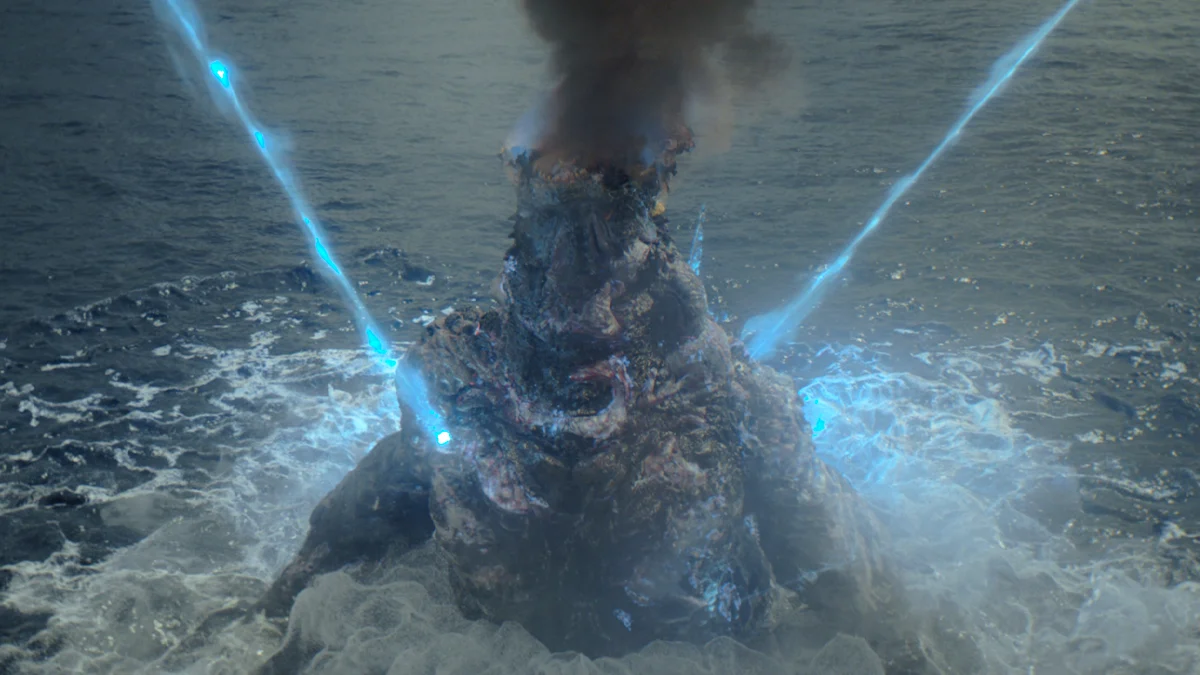
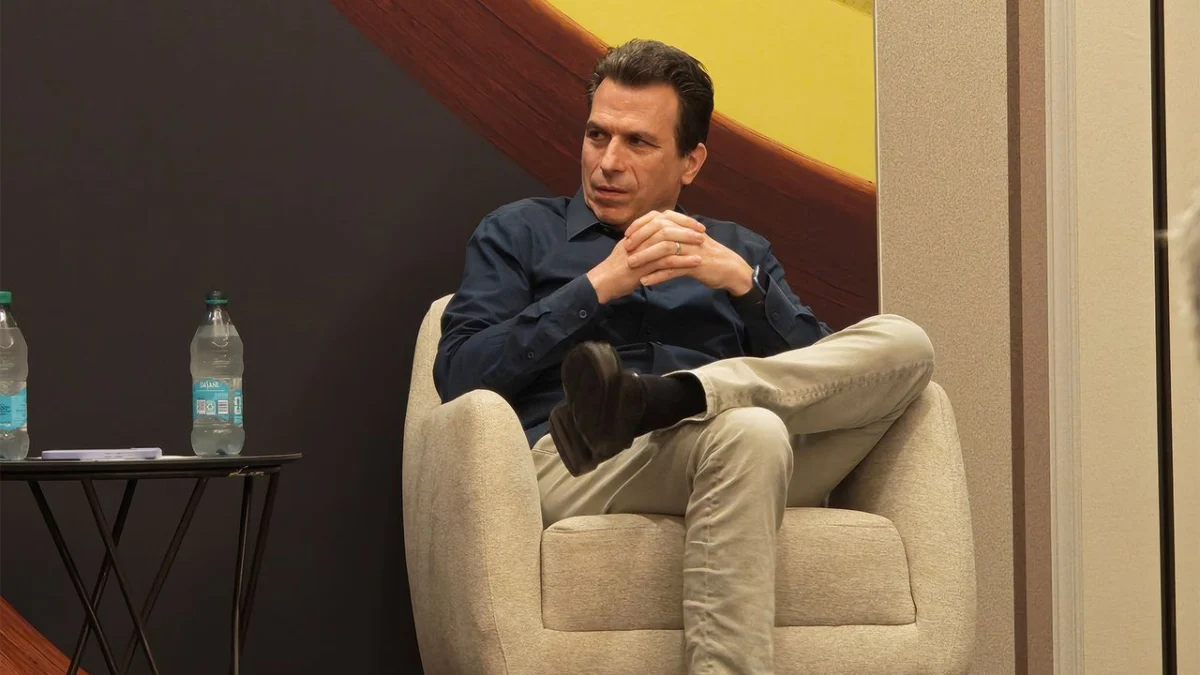
In a landmark dialogue that has sent ripples through the global media landscape, two of Japan’s most influential cinematic visionaries—Hideaki Anno, the architect of the Neon Genesis Evangelion phenomenon, and Takashi Yamazaki, the Academy Award-winning director of Godzilla Minus One—have issued a stark warning regarding the trajectory of the Japanese entertainment industry. While the Japanese government aggressively pursues its "Cool Japan" initiative to turn the nation’s pop culture into a multi-billion dollar export powerhouse, Anno and Yamazaki argue that the industry is neglecting its most vital foundation: the next generation of domestic viewers.
Speaking to Forbes Japan, the two directors critiqued the systemic failures of modern Japanese media, highlighting a critical shortage of high-quality content for children, a lack of historical preservation, and a precarious financial model that treats artistic production as a form of high-stakes gambling.
Main Facts: The "Cool Japan" Ambition vs. Creative Reality
At the heart of the discussion is the Japanese government’s revitalized "Cool Japan" strategy. Launched in 2024, the initiative sets an ambitious target: to triple the country’s overseas media sales from its 2023 record of $38 billion to approximately ¥20 trillion JPY ($131.4 billion USD) by 2033. This strategy positions anime, manga, and video games as central pillars of Japan’s national economy, comparable in export value to the country’s storied steel and automotive industries.
However, Hideaki Anno contends that the government’s focus on monetary figures overlooks the intrinsic value of cultural transmission. Anno argues that Japan’s primary strength lies in its ability to transmit culture globally at a relatively low cost. He posits that the "soft power" generated by media is far more valuable than the raw export data. By making international audiences fall in love with Japanese stories, the nation builds a reservoir of goodwill that translates into a preference for Japanese products and the Japanese people themselves.
Takashi Yamazaki echoed this sentiment, drawing a historical parallel to the post-World War II era. He noted that American television dramas like Father Knows Best fundamentally reshaped Japanese perceptions of Americans, transforming them from "brutal enemies" into a society of "good people" living "wonderful lives." Yamazaki suggests that South Korea has successfully replicated this model in the modern era, using its entertainment sector to elevate its national power and global standing.
Chronology: From the Golden Age to the "Variety Show" Era
To understand the current crisis, Anno and Yamazaki looked back at the developmental years of the Japanese entertainment industry. Both directors are products of a "Golden Age" of Japanese broadcasting, a period spanning the 1960s through the 1980s when prime-time television was dominated by high-quality programming for children.
The Era of Inspiration (1960s–1980s)
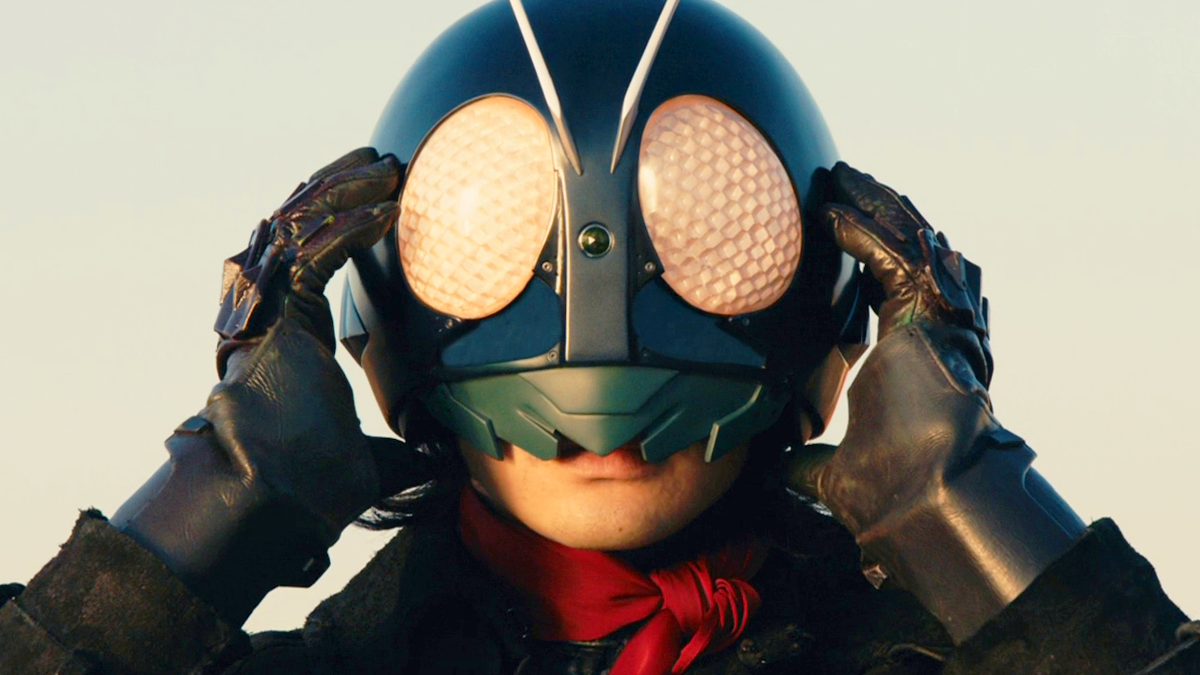
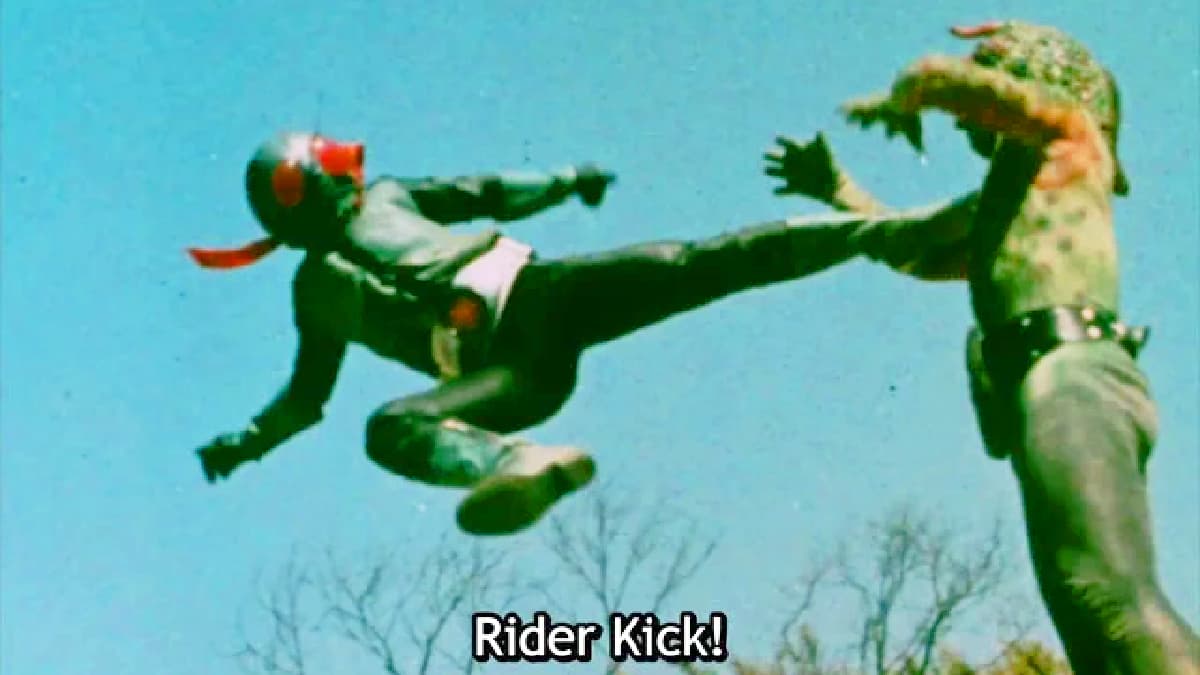
During this period, tokusatsu (special effects) programs like Ultraman and Kamen Rider, alongside burgeoning anime series, were the centerpiece of the cultural diet. These shows were not merely distractions; they were sophisticated narratives that shaped the sensibilities, moral compasses, and creative aspirations of an entire generation. Anno, who recently rebooted these franchises with his Shin film series (Shin Godzilla, Shin Ultraman, Shin Kamen Rider), credits this era with providing the "emotion and inspiration" that drove him to become a creator.
The Shift to "Variety" (1990s–Present)
The directors noted a sharp decline in this type of programming starting in the 1990s. Anno identified a "compound problem" involving the rise of variety shows—low-cost, celebrity-driven talk and game shows—which gradually cannibalized prime-time slots once reserved for children’s anime and live-action dramas. This shift was exacerbated by Japan’s declining birthrate, which led networks and sponsors to view children as a shrinking, less profitable demographic. Consequently, the "educational and inspirational" science and fantasy programs that once defined Japanese TV have largely vanished from the mainstream.
Supporting Data: The Collapse of the Talent Pipeline
The lack of children’s content is not just a social concern; it is a structural threat to the industry’s future. Anno and Yamazaki identified several data points and systemic issues that suggest the industry is "eating its seed corn."
The Apprenticeship Crisis
Historically, the Japanese animation and film industries relied on an informal "apprentice system" where young creators learned the craft under the tutelage of veterans. Anno remarked that this system has "largely collapsed." The intense pressure of modern production schedules, combined with razor-thin profit margins, means that established studios no longer have the "money or labor" to allocate toward training new talent.
The "Tent Pole" Economic Model
Yamazaki introduced the concept of the "tent pole" to describe the industry’s current financial instability. In this model, the vast majority of film and anime projects run at a deficit. The industry only survives because of the occasional "mega-hit" that acts as a central pole supporting the entire "tent" of the entertainment sector. Yamazaki described this as being "close to gambling," noting that when the hits fail to materialize, the entire infrastructure faces catastrophic failure.
Tax Burdens and Production Costs
Anno also highlighted the high tax environment in Japan as a significant hurdle for independent creators and mid-sized studios. Without significant tax credits or state-level support, the "production floor" remains extremely tight, leaving no room for the long-term investment required to develop original IP or cultivate human resources.
Official Responses and the Call for State Intervention
While the Japanese government has expressed a desire to support the "Cool Japan" initiative, Anno and Yamazaki argue that the current approach is too focused on the "end product" and not enough on the "infrastructure of creation."
The Need for a National Archive
Anno has become a vocal advocate for the preservation of media history. He pointed out that while universities have begun to take an interest, there is a lack of "critics with real insight" and a lack of state-led efforts to archive production materials.
"By preserving materials and intermediate production outputs—the sketches, the models, the scripts—from anime, tokusatsu, manga, and games, it connects to the next generation," Anno stated. He believes the state must take the lead because local governments and individual companies lack the resources to maintain comprehensive historical records.
Strategic Financial Support
The directors called for a shift in how the government allocates resources. Rather than simply promoting finished works abroad, they suggest the state should provide:

- Tax Credits: To alleviate the burden on production houses and encourage domestic investment.
- Human Resource Development: Subsidies to rebuild the training systems for animators, directors, and special effects artists.
- Educational Programming: Incentives for broadcasters to produce high-quality, prime-time content specifically aimed at younger audiences.
Implications: A Culture at Risk of Stagnation
The warnings issued by Anno and Yamazaki suggest that Japan’s status as a global cultural superpower is not guaranteed. If the industry continues to prioritize short-term "tent pole" hits over the cultivation of a domestic audience and a new generation of creators, several dire consequences may follow:
1. Cultural Identity Loss
As Japanese media becomes more focused on overseas markets to meet the "Cool Japan" targets, there is a risk that creators will "adjust" their content to suit foreign sensibilities, potentially diluting the unique cultural traits that made Japanese media attractive in the first place.
2. The Talent Vacuum
Without a robust system for training and a domestic childhood audience to inspire future creators, the "brain drain" could accelerate. Younger talent may move into other sectors or be recruited by foreign studios (such as those in China or the West) that offer better pay and more stable career paths.
3. The End of Innovation
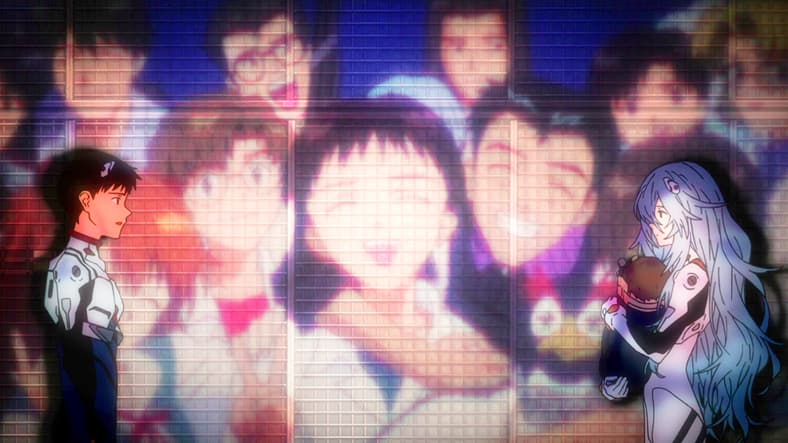
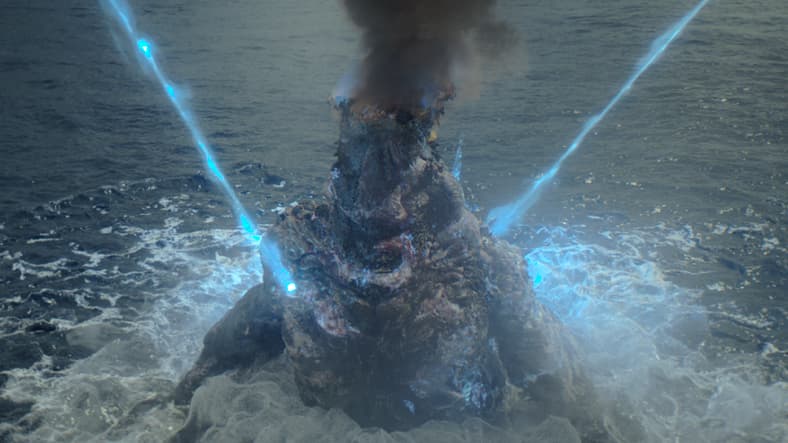
The "gambling" nature of the current production model discourages risk-taking. If studios only feel safe producing established sequels or adaptations of popular manga, the "experimental" spirit that gave birth to works like Neon Genesis Evangelion or the original Godzilla may be lost.
4. Demographic Irrelevance
By neglecting children, the industry is effectively ceding the future. If Japanese children grow up consuming only foreign content or low-effort variety shows, they will lack the cultural literacy and passion required to sustain the domestic industry as either consumers or creators.
Conclusion
The dialogue between Hideaki Anno and Takashi Yamazaki serves as a sobering counter-narrative to the triumphalist rhetoric of the "Cool Japan" initiative. While the world looks to Japan for the next big hit, the masters of the craft are looking inward, worried that the very foundation of their art is crumbling. For Japan to reach its ¥20 trillion goal, it may first need to reinvest in the simple, "low-cost" magic of a child watching a hero on a television screen and thinking, “I want to make something like that too.”


 Iffa Jayyana
 Ammar Sabilarrohman