

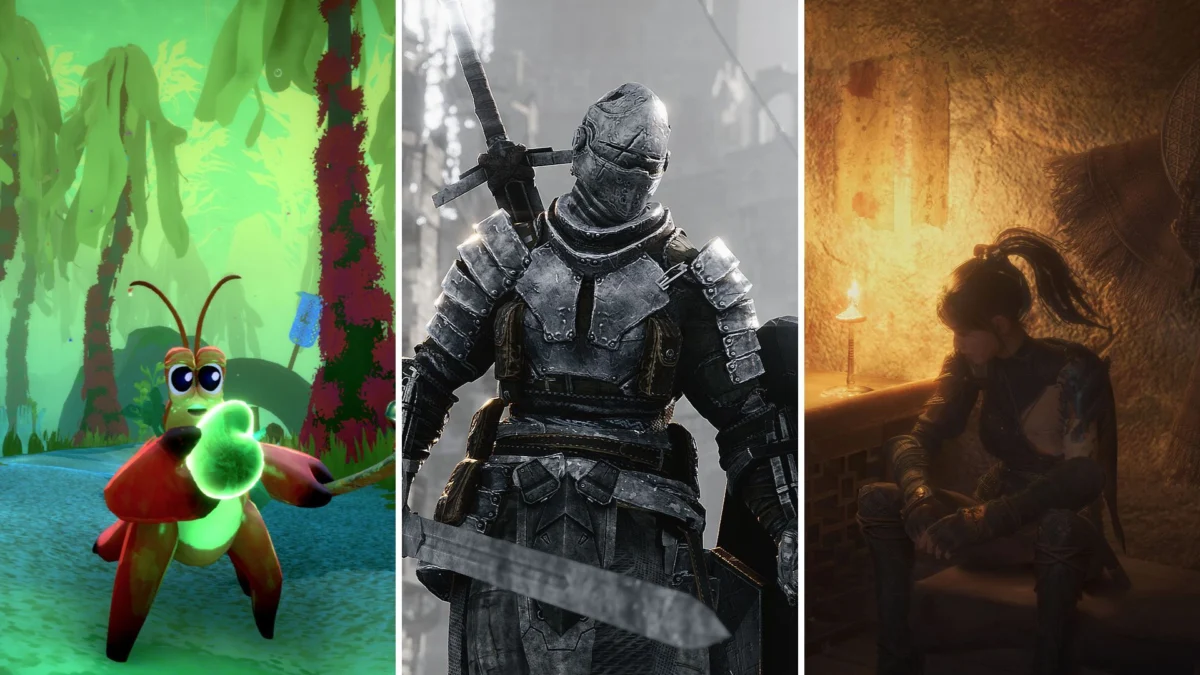
The Soulslike genre has evolved from a niche sub-genre birthed by FromSoftware into a cornerstone of modern gaming. Over the past decade, the industry has seen a tidal wave of developers attempting to capture the "lightning in a bottle" that defines titles like Dark Souls and Bloodborne. While the market has become saturated with derivative works, a select group of titles has risen above the mediocrity, carving out identities that are as challenging as they are compelling.
However, the nature of the industry often leaves these gems stranded—either due to limited initial budgets, experimental designs that lacked refinement, or unforeseen studio circumstances. In this deep dive, we examine 10 exceptional Soulslikes that possess the foundational brilliance to warrant a sequel, excluding those that already have one in active development or official production.
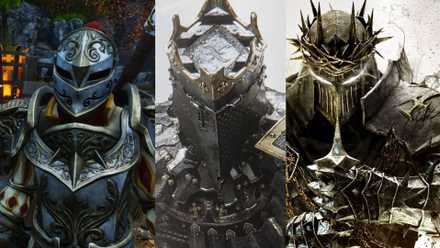
1. Hellpoint: A Refined Sci-Fi Hellscape
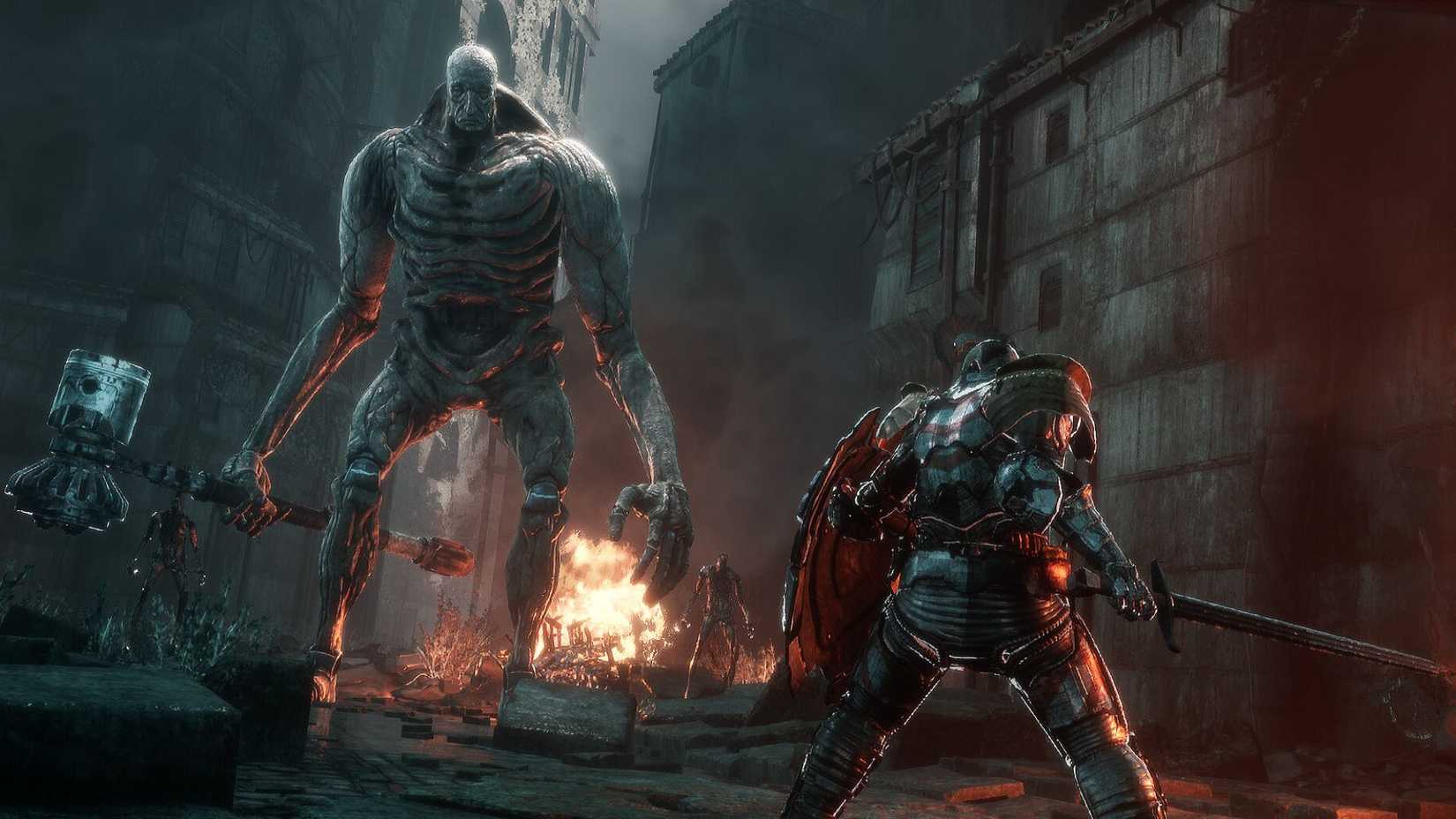
Hellpoint remains one of the most polarizing yet fascinating entries in the genre. Set on the derelict space station Irid Novo, the game presents a unique atmospheric blend of cosmic horror and sci-fi. It leans heavily into the Dark Souls blueprint, offering cryptic narrative delivery and intricate level design.
The Case for a Sequel:
The primary barrier to Hellpoint’s mainstream success was its technical inconsistency. Players often cited clunky platforming and unbalanced combat encounters as detractors. A sequel would provide the perfect opportunity for the developers to polish the engine, refine the precision of combat mechanics, and iterate on the level design. By smoothing out these rough edges, a follow-up could transform Hellpoint from a "cult classic" into a definitive sci-fi action-RPG.
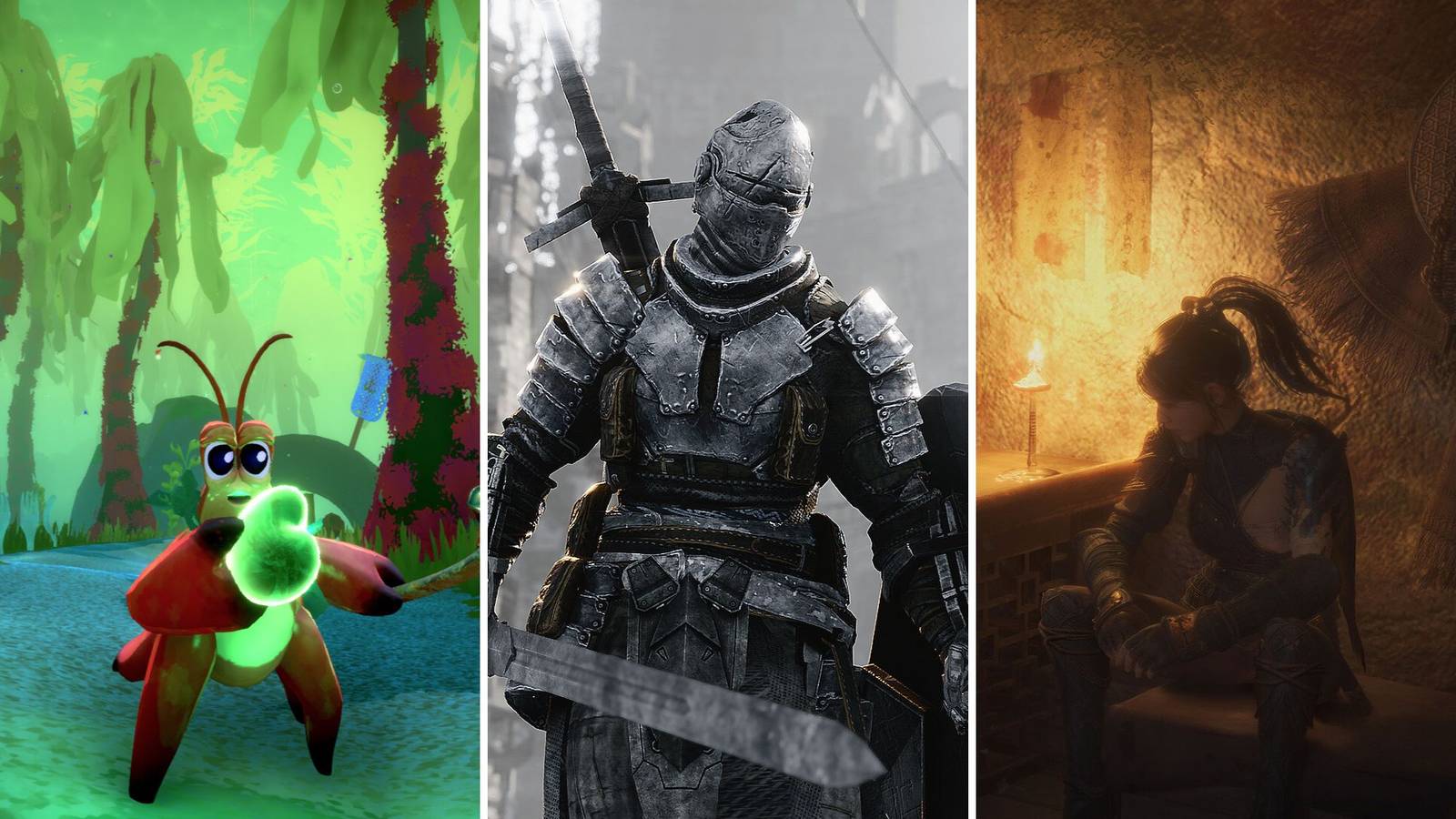
2. Bleak Faith: Forsaken: Revisiting the Dreamlike Void
Created by the ambitious Archangel Studios, Bleak Faith: Forsaken is a testament to the power of indie development. Its world-building is nothing short of breathtaking, offering a sense of isolation and cosmic dread that few AAA titles manage to replicate.
The Case for a Sequel:
While the game’s aesthetic is masterful, the limitations of an indie budget were apparent in the game’s depth. A sequel with a larger scope—specifically focusing on boss variety, expanded narrative, and deeper character progression—would be a monumental event for the genre. With DLC currently in the works, the studio is clearly committed to the IP; a full-scale sequel could solidify Bleak Faith as the standard-bearer for indie-developed cosmic horror.
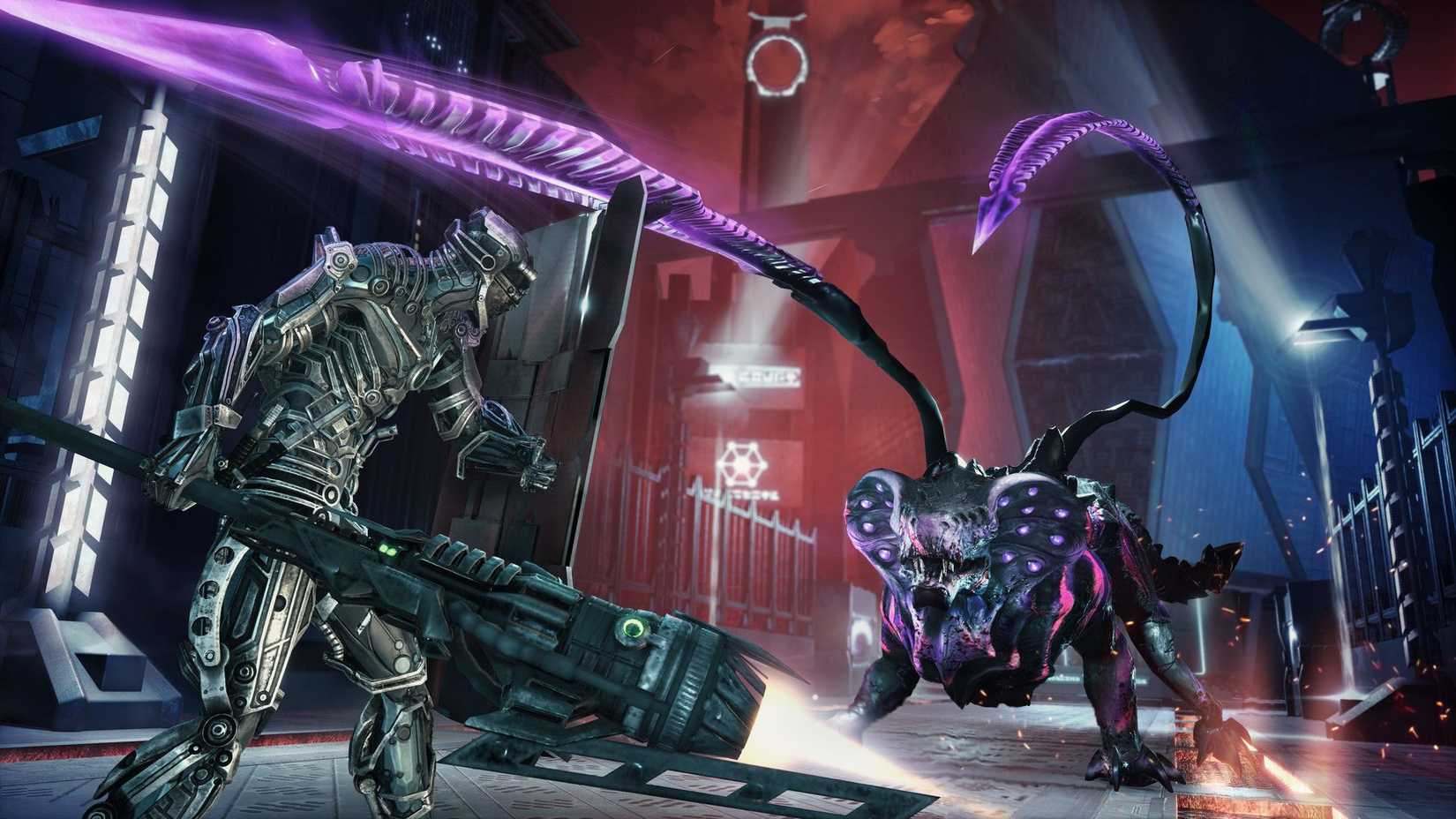
3. Wo Long: Fallen Dynasty: Team Ninja’s Unpolished Gem
Team Ninja has long been a titan of the genre, but Wo Long: Fallen Dynasty took a different approach compared to the Nioh series. By focusing on a rhythmic, parry-heavy combat loop, it offered a more accessible entry point to the "Souls" experience.
The Case for a Sequel:
Paradoxically, its greatest strength—simplicity—was also its greatest weakness. The game suffered from a lack of loot diversity and enemy variety compared to the Nioh franchise. A sequel that maintains the tight parry mechanics of Wo Long while injecting the deep, complex RPG systems and high-end level design found in Team Ninja’s other works would be a masterclass in action-RPG design.
4. Thymesia: From Mediocrity to Mastery
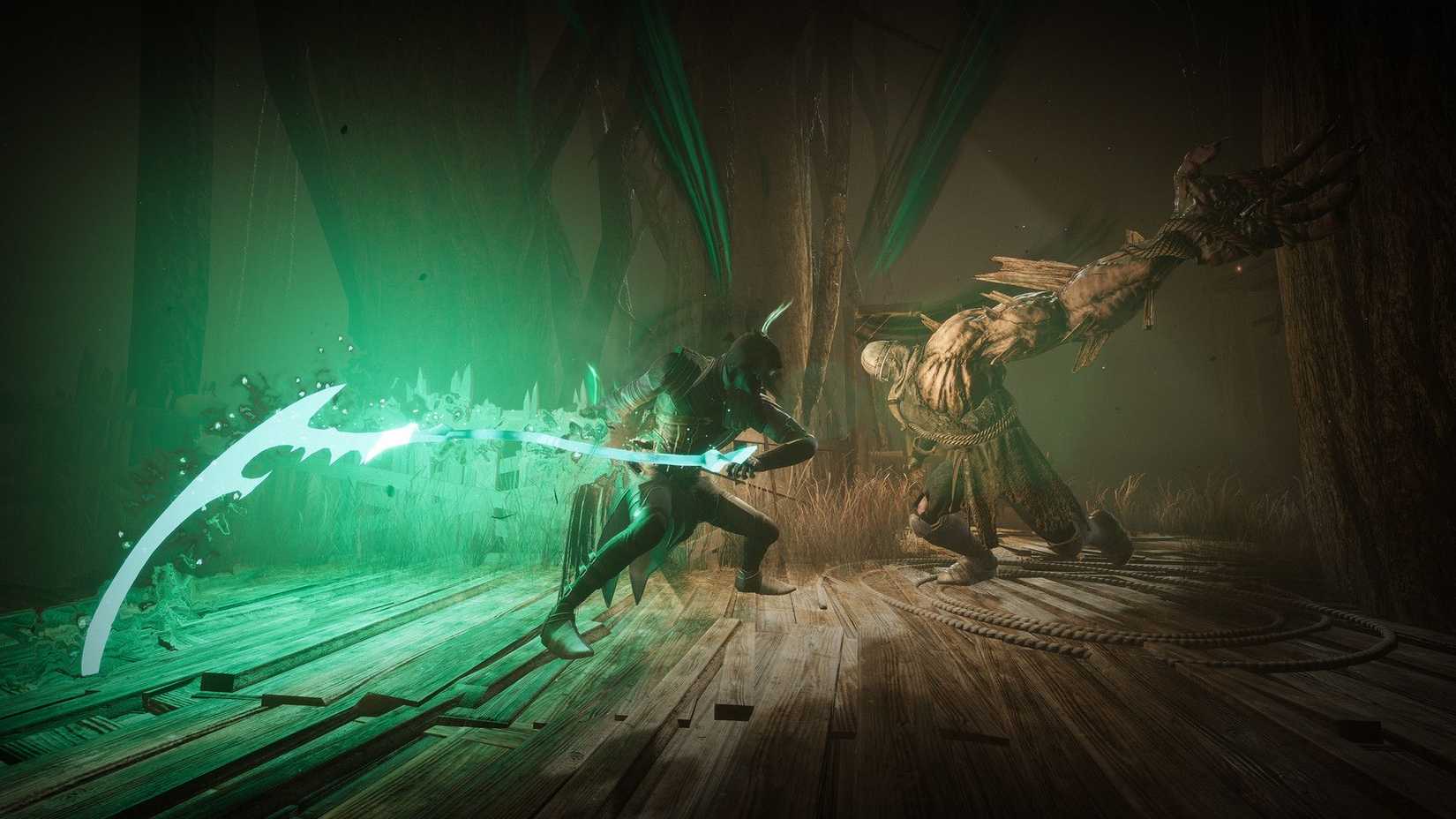
Thymesia faced a difficult launch, characterized by mixed reviews regarding hitboxes and input responsiveness. However, through a dedicated post-launch support cycle, the developers successfully patched the game into a premier experience.
The Case for a Sequel:
The game’s core hook—an aggressive, fast-paced combat system inspired by the speed of Sekiro and the dark atmosphere of Bloodborne—is incredibly addictive. A sequel could expand the world, moving away from linear corridors toward a more interconnected map, while doubling down on the plague-based ability system that made the original so unique.
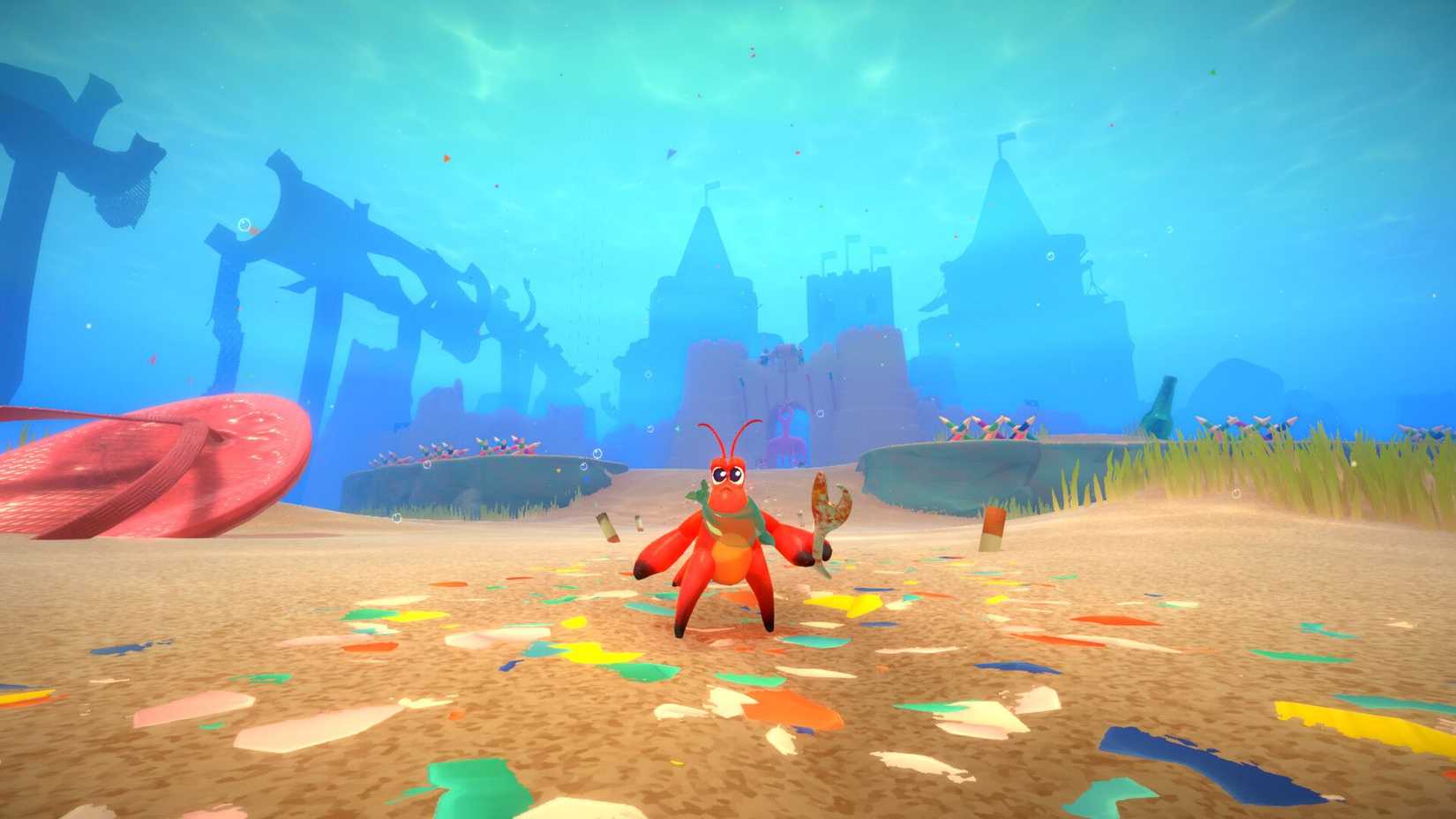
5. Another Crab’s Treasure: The Unexpected Challenger
Few expected a game about a crustacean in a sea of trash to become one of the most beloved Soulslikes of the year. Yet, Another Crab’s Treasure proved that the genre could adopt a comedic, cartoony art style without sacrificing the challenge or the depth of a traditional Soulslike.
The Case for a Sequel:
The title holds a 78 on OpenCritic, proving that the market is hungry for "Soulslites" that offer a lighter tone. A sequel could introduce new environments beyond the ocean floor, expand the shell-based combat system, and further explore the game’s satirical commentary on consumerism, cementing it as a unique franchise within the genre.
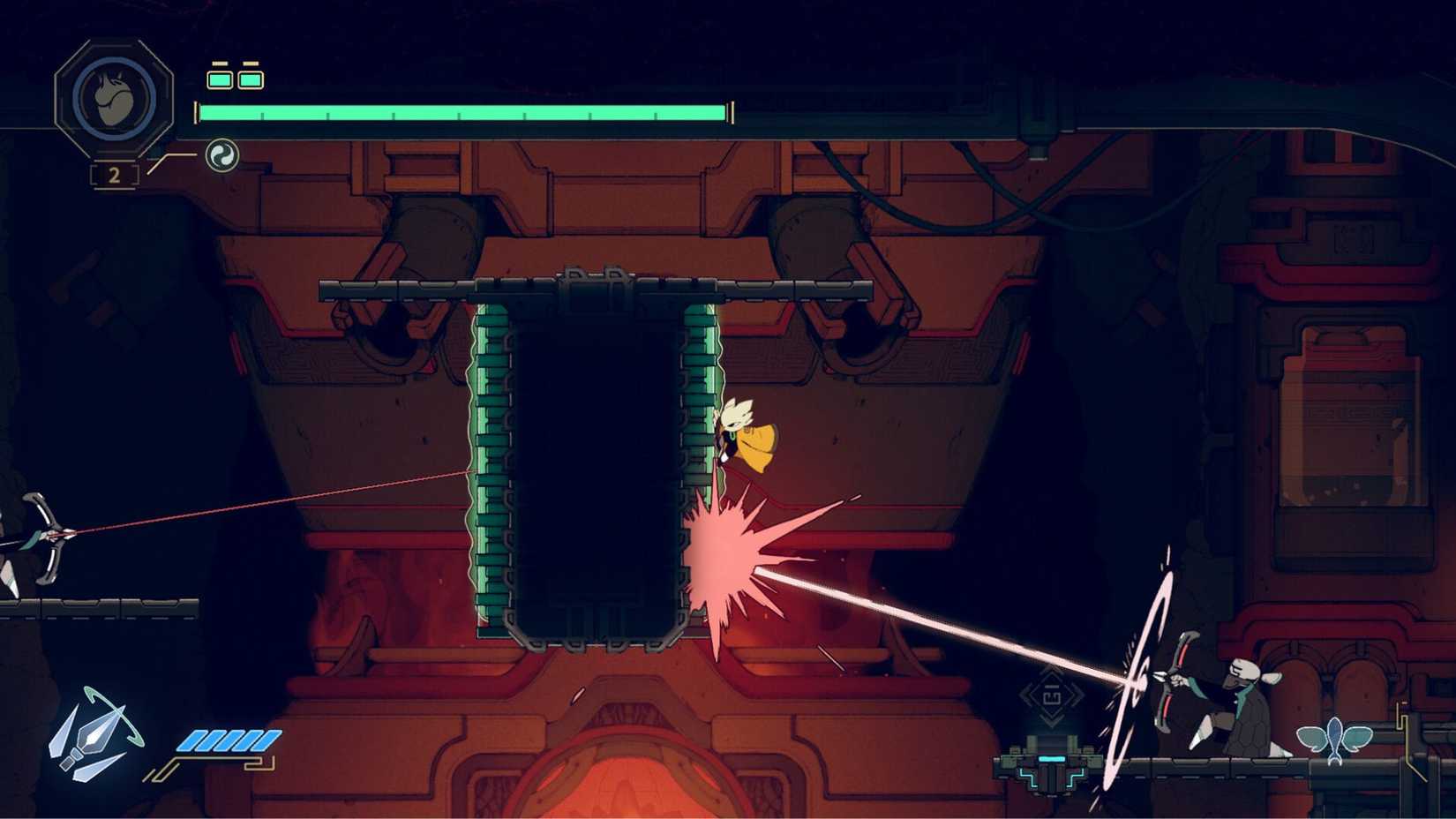
6. Nine Sols: The Pinnacle of 2D Action
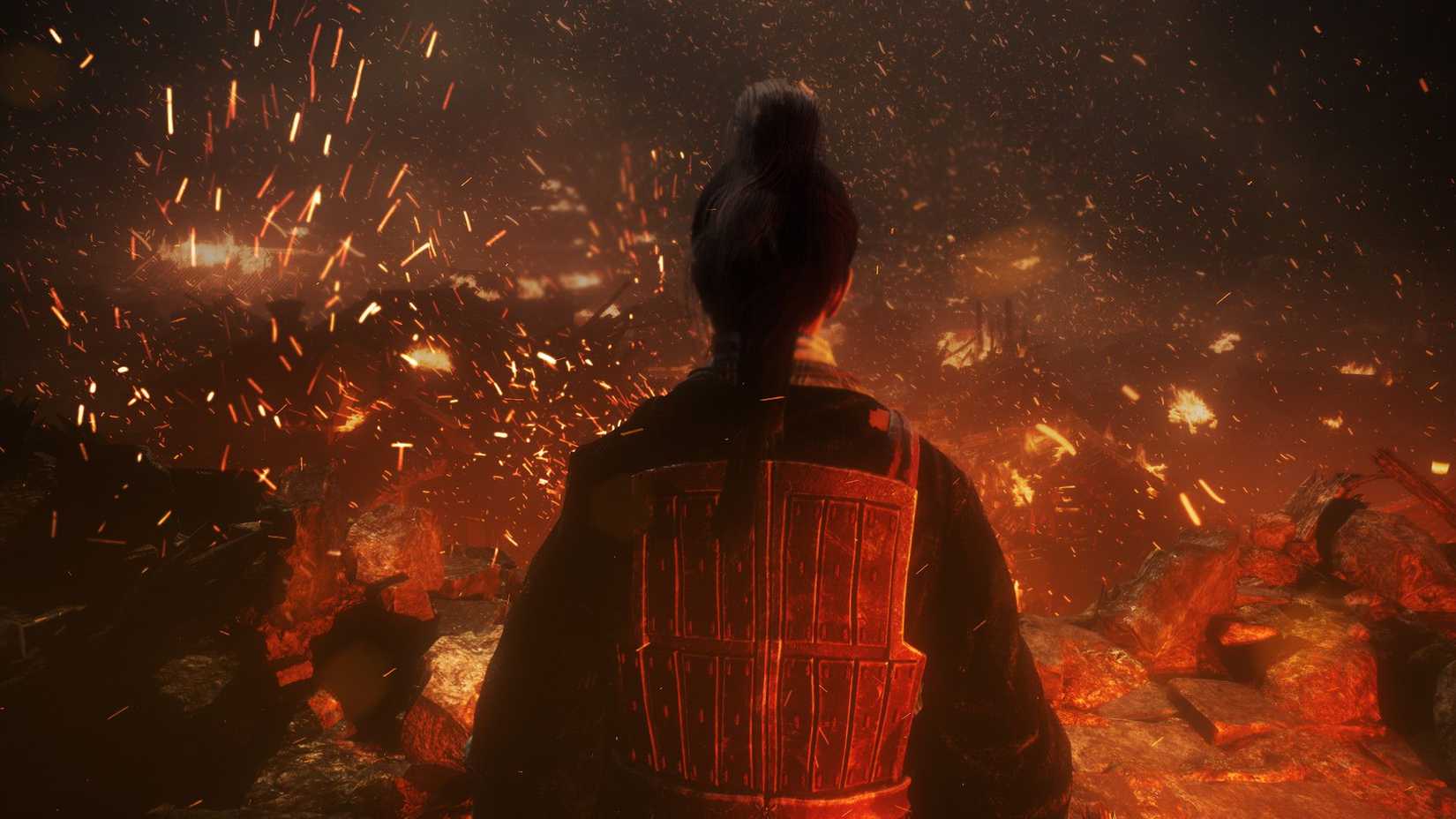
Nine Sols effectively bridged the gap between the Metroidvania genre and the high-stakes combat of Sekiro. Its "Taopunk" aesthetic and precise parry-based combat made it an instant favorite for those seeking 2D excellence.
The Case for a Sequel:
The game is already a triumph, but its structure invites expansion. A larger, more complex map, additional character builds, and even more inventive boss encounters that force players to master the deflection system would turn a great game into a legendary one. It represents the gold standard for how 2D games can translate the Soulslike experience.
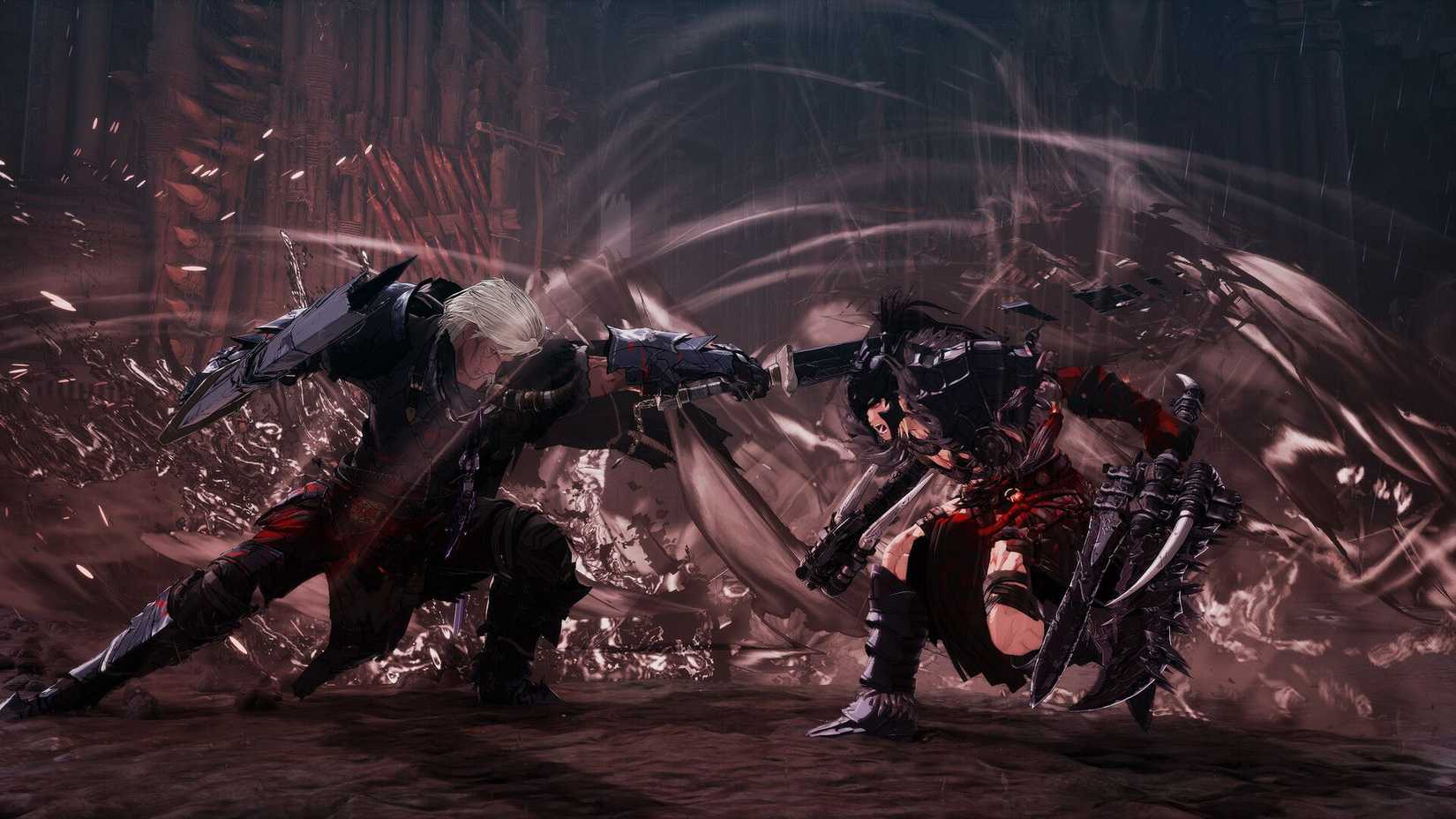
7. The First Berserker: Khazan: A Lesson in Perseverance
Known for its punishingly difficult boss fights, The First Berserker: Khazan is a game that refuses to hold the player’s hand. While the traversal and narrative segments between bosses were often criticized as mediocre, the boss design itself is considered top-tier.
The Case for a Sequel:
Despite the reported poor sales leading to team reassignments, the community’s demand for a "boss-rush" style refinement remains high. A sequel would not need to reinvent the wheel; it would simply need to maintain that brutal, fair challenge while improving the interstitial content, creating an even more cohesive experience.
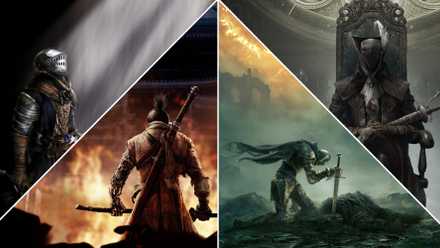
8. Wuchang: Fallen Feathers: The Master of Interconnection
Wuchang: Fallen Feathers captured the feeling of early Dark Souls better than almost any other modern title, specifically in its labyrinthine, interconnected level design.
The Case for a Sequel:
After the closure of Leenzee Games, the IP was acquired by Digital Bros. This acquisition is a critical turning point. It suggests that the new owners see the potential for a franchise. A sequel that builds upon the foundational level design while providing a more stable development cycle could easily become one of the most celebrated action-RPGs of its time.
9. Elden Ring: The Open-World Titan
It is rare to ask for a sequel to a game that already feels like the pinnacle of a medium, but Elden Ring changed the landscape of open-world gaming forever.
The Case for a Sequel:
While Hidetaka Miyazaki has hinted at smaller projects, the potential for an Elden Ring successor—or a direct sequel—is the "holy grail" of the gaming industry. A new entry could iterate on the build variety, introduce even more dynamic environmental storytelling, and refine the open-world map to be even more dense and mysterious. The sheer scale of the community’s engagement ensures that a sequel would be a cultural event.
10. Bloodborne: The Great White Whale
No conversation about Soulslike sequels is complete without mentioning Bloodborne. Often cited as FromSoftware’s magnum opus, it remains trapped on the PlayStation 4 hardware, with fans begging for a sequel or a remake for years.
The Case for a Sequel:
The demand is unprecedented. The game’s Victorian-Gothic atmosphere, its aggressive combat system, and its Lovecraftian lore are unparalleled. However, the path to a sequel is complicated by Sony’s ownership of the IP. Rumors persist that pitches have been made and rejected, but the reality remains that as long as the IP sits in limbo, the "Bloodborne 2" discourse will continue to dominate the genre’s community.
Chronology and Market Implications
The timeline of these games reflects a clear trajectory: from the initial "clone" phase of the early 2010s to the current era of refinement. In the early days, developers focused on copying the mechanics of Dark Souls. Today, as seen in Nine Sols and Another Crab’s Treasure, developers are taking the "Soulslike" DNA and injecting it into genres like Metroidvanias and platformers.
Supporting Data:
Market analysis indicates that Soulslikes consistently maintain higher player retention rates than other action genres. According to engagement metrics from various gaming platforms, players are willing to spend significantly more time in games with high difficulty curves, as the "dopamine hit" of overcoming a boss provides a unique sense of accomplishment that carries high social currency in gaming communities.
Official Responses and Future Outlook
While developers are often tight-lipped about future projects, the shift toward acquisitions (as seen with Wuchang) and the continued release of DLC for titles like Bleak Faith suggests that the industry is beginning to recognize these IPs as long-term assets rather than one-off experiments.
The primary implication of this trend is a move toward quality over quantity. As the market becomes saturated, only those titles that can provide a distinct, polished experience will survive. For the 10 games listed here, a sequel isn’t just a wish—it is a logical step toward maturing the genre. By learning from the failures and capitalizing on the successes of their predecessors, these potential sequels could define the next decade of action gaming.











No comments yet. Be the first to join the conversation!