

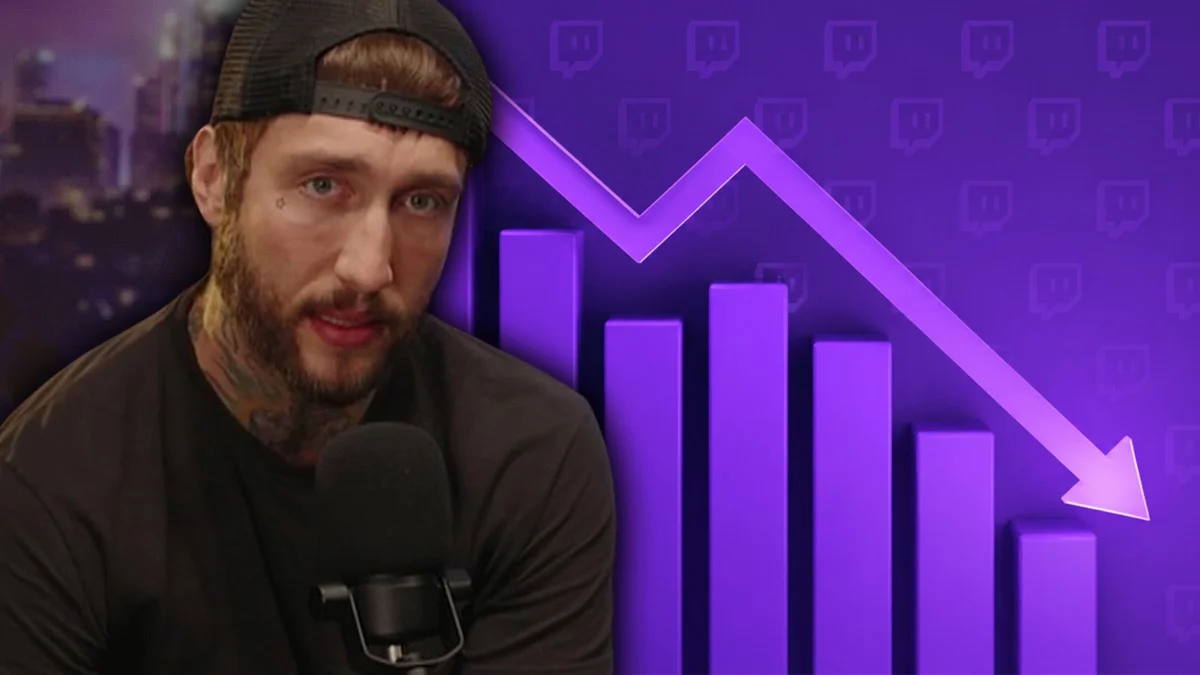
The landscape of live streaming on Twitch underwent a seismic shift in late May 2026. Following an announcement in early May regarding a controversial new policy aimed at curbing the prevalence of "viewbotting"—the use of automated software to artificially inflate viewer counts—the platform has officially begun enforcing strict viewership caps. While the initiative was intended to sanitize the ecosystem and promote fair competition, the immediate aftermath has been characterized by confusion, outrage, and a significant drop in reported metrics for several of the platform’s most prominent creators.
The Policy: Twitch’s War on Artificial Inflation
For years, viewbotting has been an open secret in the streaming industry. By artificially inflating their concurrent viewer counts, unscrupulous broadcasters could climb higher in the site’s directory, theoretically gaining an edge in discoverability and attracting unsuspecting viewers.
In early May 2026, Twitch announced its intent to combat this by introducing algorithmic viewership caps. Under this new protocol, channels flagged by internal automated systems as suspected of utilizing botting services would have their public-facing viewer counts restricted to what the platform deems "authentic" traffic levels. As of May 29, the implementation of these measures became fully operational, and the impact was immediate. Industry analytics firm Streams Charts quickly highlighted a stark disparity in data, revealing that some of the platform’s biggest names had seen their numbers slashed overnight.
Chronology of the Fallout: May 2026
The rollout of the anti-botting measures has been anything but smooth, leading to a series of high-profile reactions from streamers caught in the crosshairs.
The "Emergency Meeting" of FaZe Banks
On May 28, FaZe Banks returned to the platform for his first broadcast in over a week. Known for his massive following, Banks found himself at the center of the controversy when his stream, titled "Emergency Meeting," failed to reflect his usual engagement levels. According to Streams Charts, Banks, who typically maintains an average viewership in the tens of thousands, saw his peak numbers drop from 49,000 to a mere 2,293. The stream lasted less than 40 minutes, with Banks appearing briefly to assure his audience that despite the technical hurdles and the optics of the situation, he remained fully committed to his new podcast project, Market Bubble.
Cyr and Mitch Jones: Caught in the Crossfire
FaZe Banks was not the only casualty of the new algorithm. OTK’s Cyr experienced a notable decline, with his average viewership sliding from the 2,000–4,000 range down to approximately 1,200. Perhaps the most vocal response, however, came from longtime broadcaster Mitch Jones. Jones, who reported an average of 12,000 viewers on May 27, saw his numbers plummet to under 3,000 the following day.
The Human Cost: Streamers Speak Out
The frustration among those affected is palpable. Mitch Jones, in particular, has become the face of the opposition to the new policy, utilizing his platform to rail against the lack of transparency in Twitch’s enforcement process.

"I’m being f**ked here," Jones stated during a May 28 broadcast. "They capped me at 3K. I have more than 3K! This is ridiculous."
Jones’s concerns extend beyond the current impact on his metrics; he argues that the policy creates a perverse incentive for bad actors. "This incentivizes people that don’t like me to just viewbot me so I get f**king capped," he explained. "I know for a fact everything I’ve been doing is legit."
The psychological toll of being labeled a "botter" by the platform—whether accurate or not—has led Jones to publicly consider migrating to a different streaming service. "I honestly might switch platforms," he continued. "Why am I being used as a guinea pig?"
The Technical Dilemma: Who Decides What’s Authentic?
The central issue facing Twitch is the inherent lack of transparency regarding its detection methodology. Twitch has explicitly stated that it will not disclose the internal heuristics used to identify and cap botting activity. This "black box" approach has created a significant trust deficit between the platform and its creators.
Industry experts point out that the nature of botting is inherently deceptive. Malicious actors have long been known to "attack" rival streamers by sending thousands of bots to their channels, effectively framing them for a violation of the platform’s Terms of Service. If Twitch’s new system cannot distinguish between a streamer buying bots and a streamer being targeted by a malicious "bot-raid," the policy risks punishing the victims of harassment.
This concern is shared by those in the wider streaming community who fear that a rigid, automated system could inadvertently destroy the reputations of legitimate creators who have no control over the traffic directed at their channels.
Industry Implications and Competitive Responses
The implementation of these caps has triggered a wider debate about platform governance. Kick, a direct competitor to Twitch, has been quick to capitalize on the sentiment of disenfranchised streamers.

Bijan Tehrani, co-founder of Kick, publicly weighed in on the situation. Rather than implementing hard caps, which he believes penalizes growth and suppresses the platform’s ecosystem, Tehrani urged Twitch to rethink its strategy. He suggested that instead of capping viewership, Twitch should focus on "killing discoverability" for suspected channels—removing them from the front page or recommendation algorithms—without artificially altering the numbers displayed to the public.
Tehrani’s argument centers on the idea that hard-capping metrics creates a false reality that serves neither the audience nor the creator, whereas removing a channel from the discovery queue is a more surgical and less misleading punishment for genuine violators.
Official Stance: The CEO’s Defense
Twitch CEO Dan Clancy has attempted to mitigate the backlash by addressing the broader impact of botting on the platform’s hierarchy. In recent communications, Clancy argued that viewbots do not provide the material benefit that many creators assume they do.
Clancy’s position is that viewbots do not successfully "game" the system in a way that translates to meaningful discoverability or sustainable growth. By downplaying the effectiveness of botting, Twitch hopes to alleviate the anxiety of smaller, organic streamers who have long felt that their path to success was being blocked by artificially inflated channels. However, this rhetoric has done little to soothe the anger of top-tier streamers who feel their personal brands and livelihoods are currently being threatened by the platform’s sweeping algorithmic changes.
Looking Ahead: The Future of Viewer Integrity
The situation remains fluid. As of late May 2026, Twitch has yet to announce any modifications to its new enforcement strategy, despite the growing chorus of criticism. The platform is currently at a crossroads: it must decide whether the goal of cleansing the ecosystem of artificial inflation is worth the potential collateral damage to its top talent.
For the streaming industry, this represents a critical test of platform management. The shift from reactive banning of individual accounts to proactive, systemic viewer capping is a fundamental change in how Twitch operates. While the long-term goal of an "honest" Twitch directory is an attractive prospect for advertisers and viewers alike, the immediate path forward is fraught with technical, ethical, and PR hurdles.
As streamers like Mitch Jones and FaZe Banks navigate this new reality, the eyes of the digital world are fixed on Twitch. Whether this policy will ultimately foster a more equitable streaming environment or simply drive top creators toward competitors remains to be seen. One thing is certain: the era of "automated viewership" is facing its most significant challenge to date, and the ripples are being felt across the entire internet landscape.











No comments yet. Be the first to join the conversation!