Reynand Wu
For many homeowners, the dishwasher is the unsung hero of the kitchen. It works tirelessly, day in and day out, to sanitize our plates, cutlery, and glassware. However, it is also one of the most neglected appliances in the home. While we focus on the exterior finish or the energy efficiency of the latest models, the interior environment of a dishwasher often becomes a breeding ground for unsavory guests: food residue, grease, soap scum, and—most concerningly—mold.
Even if you own one of the market’s top-rated dishwashers, routine maintenance is not merely a suggestion; it is a necessity. Failing to perform a deep clean can lead to more than just bad odors; it can impact the hygiene of your dinnerware and, in extreme cases, affect the longevity of the appliance itself.
The Hidden Culprits: What’s Really Growing in Your Machine?
The unsightly, dark buildup that often appears within the rubber door gasket or deep inside the appliance’s crevices is more than just "gunk." Research indicates that this substance is frequently composed of various yeast strains and fungal colonies. These microorganisms thrive in the warm, damp, and nutrient-rich environment of a dishwasher.
These colonies are typically attracted to the rubber door seal, which is prone to small micro-tears or structural defects over time. As these seals degrade, they trap moisture and food particles, creating a permanent home for bacteria and mold. If you’ve noticed a lingering "musty" smell when you open the door after a cycle, you are likely smelling the byproducts of these biological occupants.
The Problem with Traditional Cleaning Methods
For years, the default household response to mold has been bleach. While bleach is undoubtedly a potent disinfectant capable of killing surface-level germs, its use in a dishwasher is increasingly discouraged by experts for several critical reasons:
- Toxicity and Chemical Reactions: Bleach is a harsh chemical that can be dangerous if mishandled. It should never be mixed with other common household cleaners, particularly acidic substances like white vinegar, as this combination releases toxic chlorine gas.
- Material Degradation: The internal components of a dishwasher, including seals, gaskets, and even certain metal coatings, are not designed to withstand frequent exposure to concentrated bleach. Over time, this can lead to the drying and cracking of rubber seals, ultimately causing leaks.
- Cross-Contamination: The prospect of using a volatile, toxic chemical in the very space where you sanitize your eating utensils is unappealing to many. Residue from harsh cleaners could potentially transfer to your dishes during the next wash cycle.
A Natural, Effective Alternative: The Power of Hydrogen Peroxide
Fortunately, there is a safer, highly effective alternative that is readily available in most medicine cabinets: hydrogen peroxide.
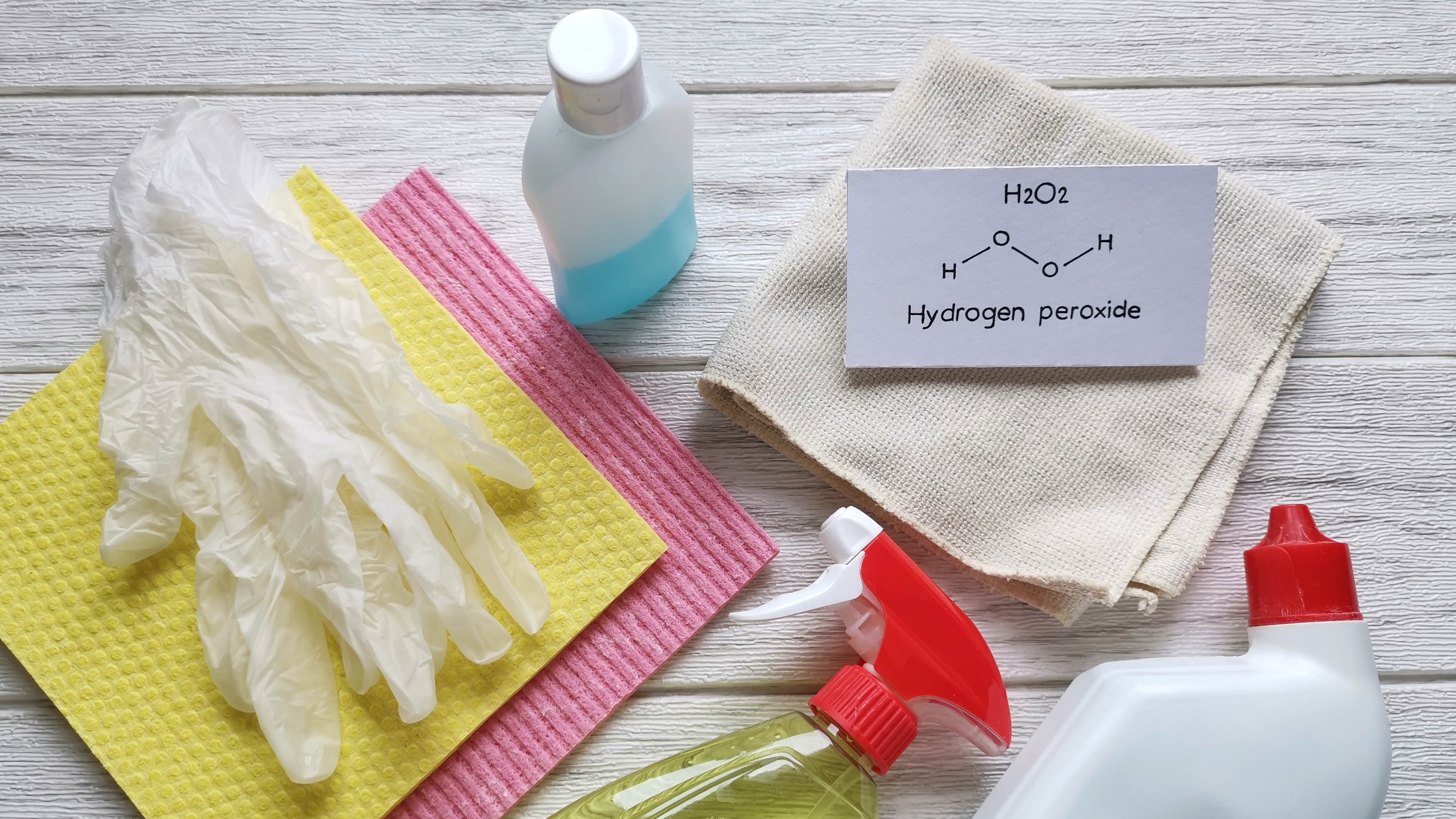
Hydrogen peroxide (H2O2) is an oxidizing agent that is particularly effective at breaking down the proteins and cell walls of mold spores. When applied to a mold-infested area, it begins to "fizz" as it reacts with the organic matter, effectively destroying the spores at a molecular level. Unlike bleach, it breaks down into simple water and oxygen, leaving no toxic residue behind.
Step-by-Step: How to Use Hydrogen Peroxide
To effectively sanitize your machine using this method, follow these professional guidelines:
- Preparation: Purchase a standard 3% hydrogen peroxide solution. This concentration is safe for household use. Fill a clean spray bottle with the solution.
- Application: Target the areas where mold is visible—primarily the rubber door gasket, the filter housing, and the spray arm nozzles. Liberally spray the solution and allow it to sit for at least 15 minutes. This dwell time is critical for the chemical to fully penetrate and destroy the fungal proteins.
- Mechanical Removal: After the dwell time, use an old toothbrush or a small nylon-bristled brush to scrub the crevices. You will find that the grime lifts away much more easily after being softened by the peroxide.
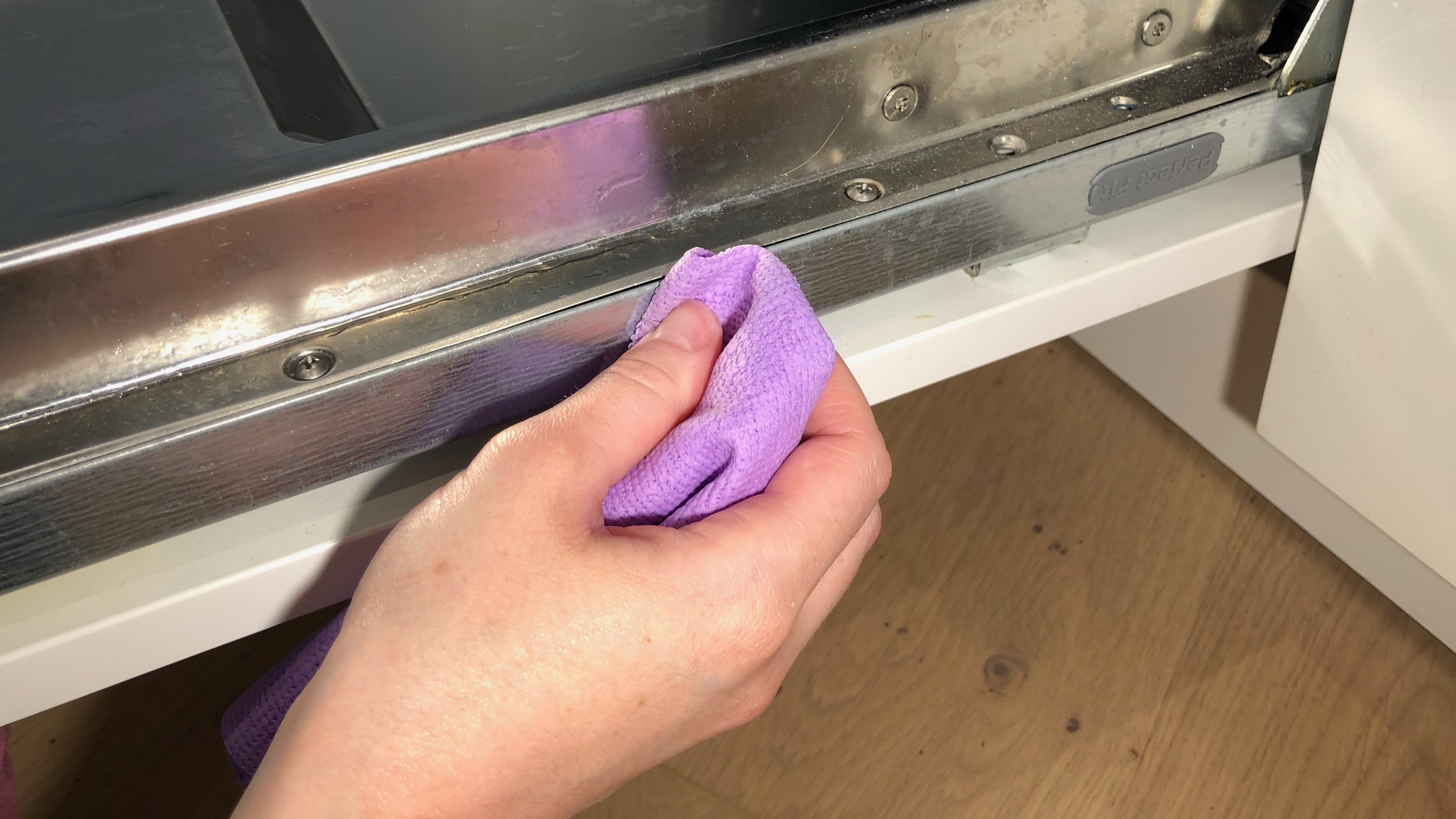
- Final Rinse: Once the visible mold is removed, wipe the area clean with a fresh microfiber cloth.
Advanced Maintenance: The DIY Deep-Clean Solution
For a more comprehensive deep clean that tackles both mineral deposits and biological buildup, you can create a custom, non-toxic cleaning solution using kitchen staples.
The Ingredients:
- Two cups of water: To serve as the base.
- ½ cup of 3% hydrogen peroxide: The primary disinfectant.
- ¼ cup of fresh lemon juice: The citric acid helps break down hard water deposits and leaves a pleasant, natural scent.
The Procedure:
- Dismantle the Interior: For the deepest clean, remove the dishwasher racks, the spray arms, and the primary filter.
- Targeted Scrubbing: Dip a stiff-bristled brush into your homemade solution and scrub the interior walls, the base, and the underside of the door.
- Filter Maintenance: The filter is the "heart" of your dishwasher’s cleaning system. If this is clogged with grease and food, the water will simply recirculate the mess throughout the machine. Remove it, rinse it under hot running water, and use your cleaning solution to scrub away any trapped debris.
- Reassembly and Cycle: Once every component is scrubbed, reassemble the machine. Before running a load of dishes, perform a "dry run" on the hottest possible setting (often labeled as "sanitize" or "pots and pans"). The high heat, combined with the lingering residue of your cleaning solution, will ensure that the internal plumbing is flushed clean.
Implications for Appliance Longevity
Ignoring these maintenance tasks carries long-term consequences. Beyond the hygiene factor, a dishwasher that is clogged with soap scum and mineral deposits is an inefficient machine. The heating element may struggle to reach the necessary temperatures, and the drainage pump may work harder than it should to clear water through a obstructed filter.
Regular deep cleaning—ideally once a month—prevents these issues from compounding. It also provides an opportunity to inspect the appliance for signs of wear and tear. If you notice the door gasket is permanently misshapen or cracking, this is your warning sign to replace it before it leads to a kitchen floor flood.
Expert Tips for Daily Prevention
While deep cleaning is essential, prevention is the key to maintaining a pristine machine.

- Scrape, Don’t Pre-rinse: Modern dishwashers are designed to work better when they have some organic matter to interact with (the enzymes in detergent need the food particles to activate). However, do not leave large chunks of food on plates, as these will inevitably clog the filter.
- Run Hot Cycles: If you only use "eco" or "short" cycles, you may not be reaching temperatures high enough to kill bacteria. Periodically run a long, high-temperature cycle to keep the internal pipes clear of grease.
- Leave the Door Ajar: After a cycle is finished, leave the door slightly cracked for an hour or two. This allows the residual moisture to evaporate, robbing mold of the damp environment it requires to survive.
Conclusion
Maintaining a dishwasher does not have to be a daunting or toxic endeavor. By moving away from harsh chemicals like bleach and embracing the simplicity of hydrogen peroxide, you can ensure your kitchen remains a safe, sanitary space.
Your dishwasher is a powerful tool, but it requires periodic care to function at its peak. By integrating these simple, natural cleaning steps into your monthly household routine, you will extend the life of your appliance, eliminate unpleasant odors, and, most importantly, ensure that your dinnerware is truly clean every single time you press "Start."
For more home maintenance tips, expert reviews, and the latest in household technology, follow Tom’s Guide on Google News, YouTube, and TikTok. For exclusive deals on cleaning supplies and home essentials, visit the Tom’s Guide Savings Squad hub.


 Azzam Bilal Chamdy
 Layla Zulfa