Dwi Wanna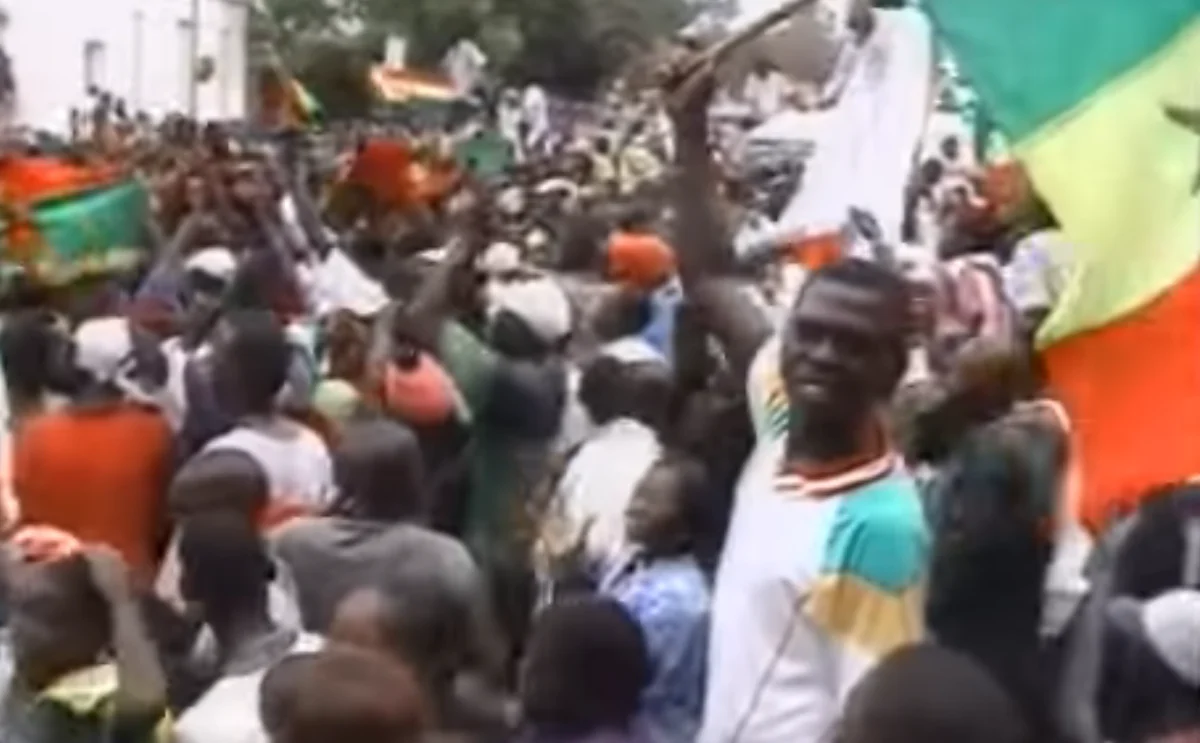
By Alfredo Federico Robelo
June 16, 2026
Soccer is more than a sport; it is a global religion that binds nations together in a collective experience of agony and ecstasy. When a team achieves the pinnacle of success—be it a World Cup trophy or a historic underdog title—the result often spills off the pitch and into the streets, transforming entire countries into theaters of jubilant, often chaotic, public expression. These moments of mass celebration represent the intersection of sports culture, national identity, and the raw, unbridled power of community.

As we look back at the most iconic celebrations in soccer history, it becomes clear that these events are not just parties; they are defining cultural markers that leave an indelible impact on the societies that host them.
The Anatomy of a Global Celebration
The psychological driver behind these massive gatherings is simple yet profound. A soccer match is a shared narrative. When the final whistle blows on a victory, that narrative reaches its climax, and the energy generated by the match must be released. For the average fan, the stadium is only the first point of contact. The true catharsis occurs when millions of like-minded individuals occupy public spaces, effectively reclaiming their cities from the mundanity of daily life.

These events are characterized by their unpredictability. From the spontaneous "Red Tide" in South Korea to the massive street takeovers in Buenos Aires, these celebrations demonstrate that when the pride of a nation is on the line, the boundaries between the private individual and the collective mass dissolve.
Chronology of Euphoria: A Historical Retrospective
1986: The Maradona Era in Argentina
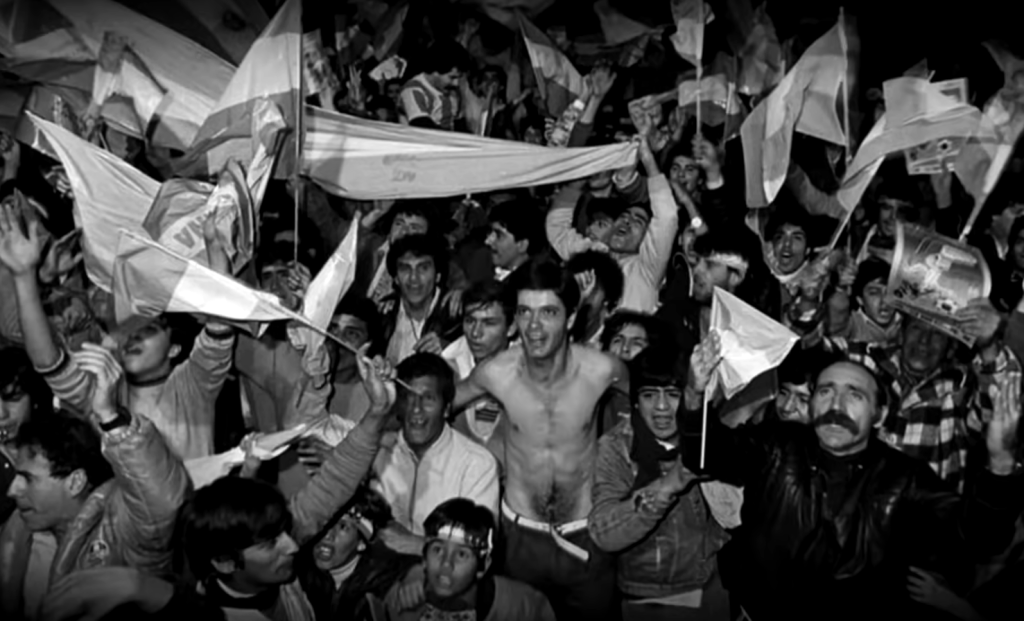
The legend of Diego Maradona was cemented in 1986. After Argentina’s victory in Mexico, the country experienced a seismic shift in morale. The celebrations were not merely about a trophy; they were about a national identity reclaimed through the singular genius of one man. It remains the baseline against which all subsequent Argentine celebrations are measured.
1998: France’s "Black-Blanc-Beur" Summer
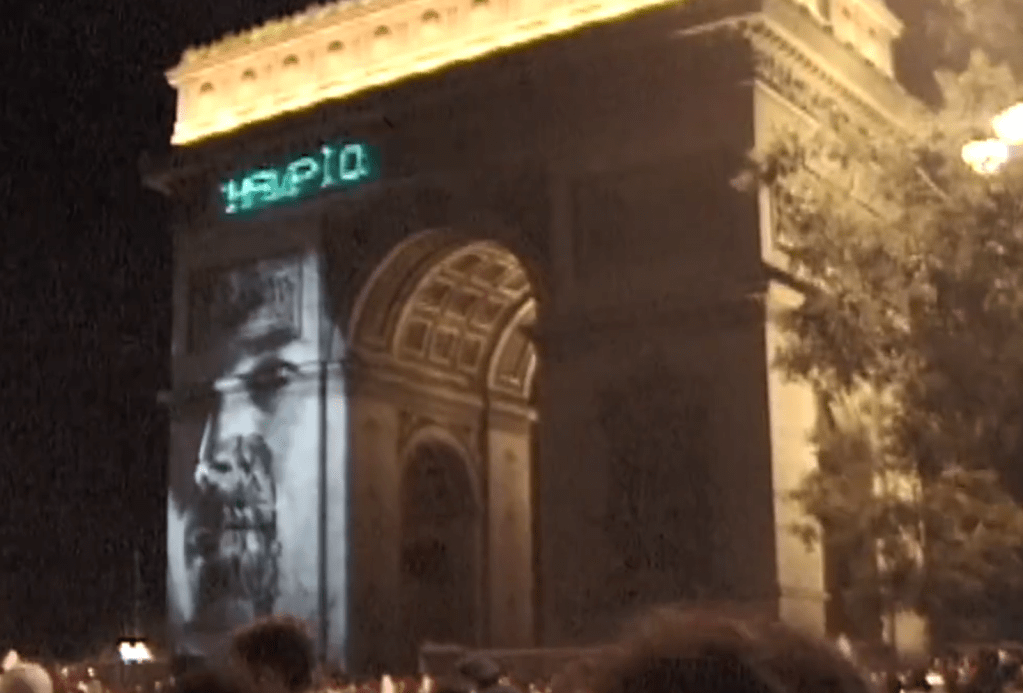
When France won its first World Cup on home soil, the Champs-Élysées became the epicenter of a new French identity. The celebrations were widely seen as a symbol of unity in a multicultural nation, with millions descending upon Paris in an explosion of joy that transcended social and ethnic divides.
2002: A Watershed Year for Global Soccer
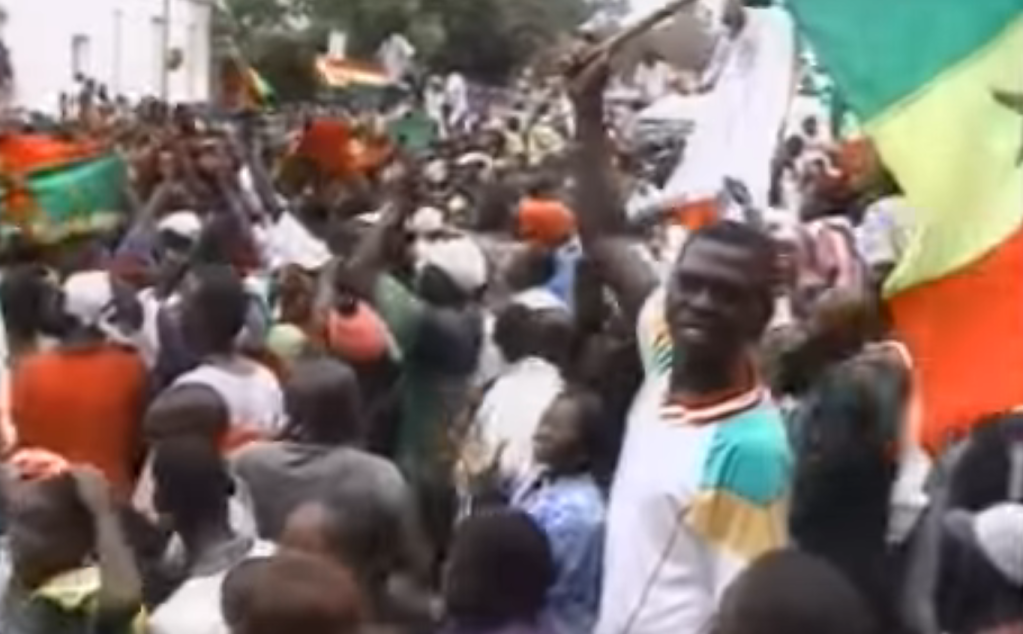
The 2002 World Cup was a milestone for global fandom. Brazil’s fifth title ignited celebrations from the favelas of Rio to the corporate hubs of São Paulo, showcasing the "Yellow Fever" that defines the Brazilian spirit. Simultaneously, South Korea’s miraculous run to the semifinals created the "Red Tide," where millions of fans clad in red transformed city centers into massive, synchronized hubs of support. In the same tournament, Senegal’s historic quarterfinals run proved that the passion for soccer was not limited to traditional powerhouses, sparking massive street parties across West Africa.
2004: The Greek Miracle
Few predicted Greece would win Euro 2004. Their victory was a tactical masterclass, but the ensuing celebrations in Athens were a masterclass in pure, unadulterated shock and delight. It remains one of the most improbable underdog stories in the history of international sports.
2010: Spain’s Long-Awaited Triumph
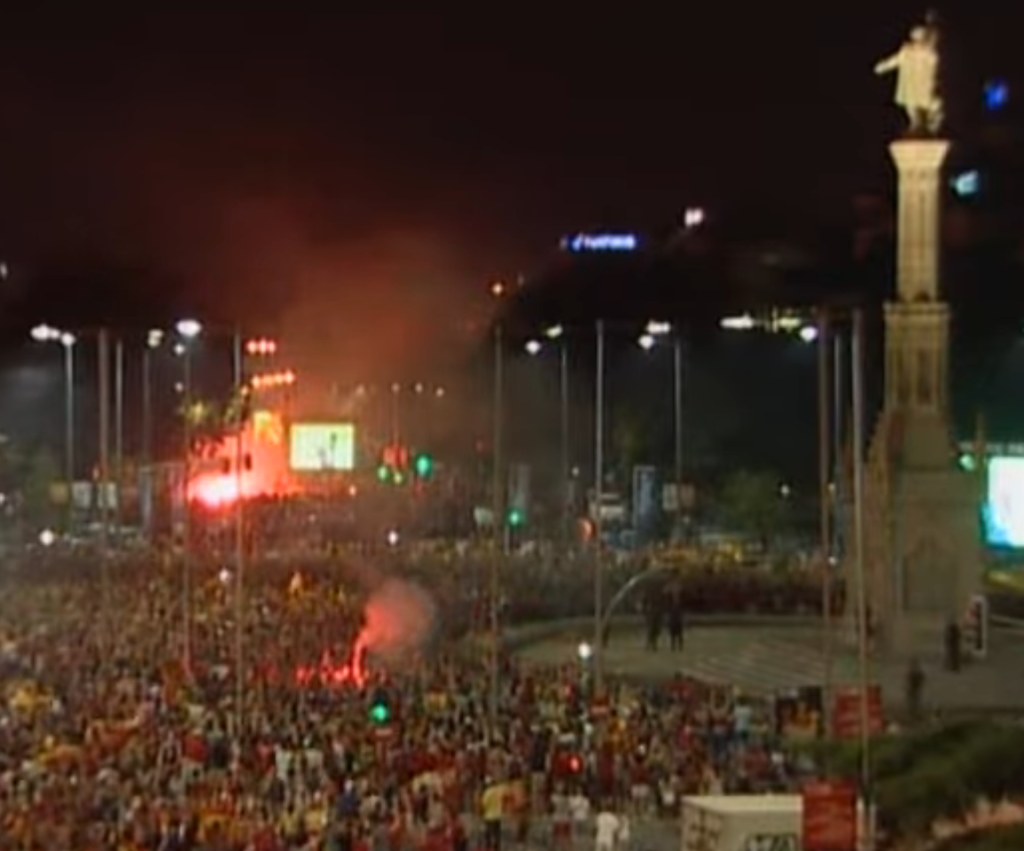
After generations of heartbreak, Spain’s 2010 World Cup victory in South Africa felt like a liberation. The celebrations in Madrid lasted for days, with the Spanish capital effectively shutting down as a nation finally claimed the crown it felt it had long deserved.
2014: Germany’s Dominance
The 2014 victory was marked by the weight of history. After the historic 7-1 demolition of Brazil in the semifinals, the German public arrived at the final with an expectation of greatness. The gathering at the Brandenburg Gate was a display of precision-engineered joy, a stark contrast to the more chaotic celebrations seen elsewhere.
2016: The Leicester City Miracle
While international tournaments capture the world’s eye, Leicester City’s 2016 Premier League title remains the ultimate club-level celebration. It was a victory for the underdog, a small-city club that defied 5000-1 odds to conquer the English giants. The party in Leicester lasted for weeks, turning a mid-sized city into the center of the sporting universe.
2020: The Euro 2020 Fever
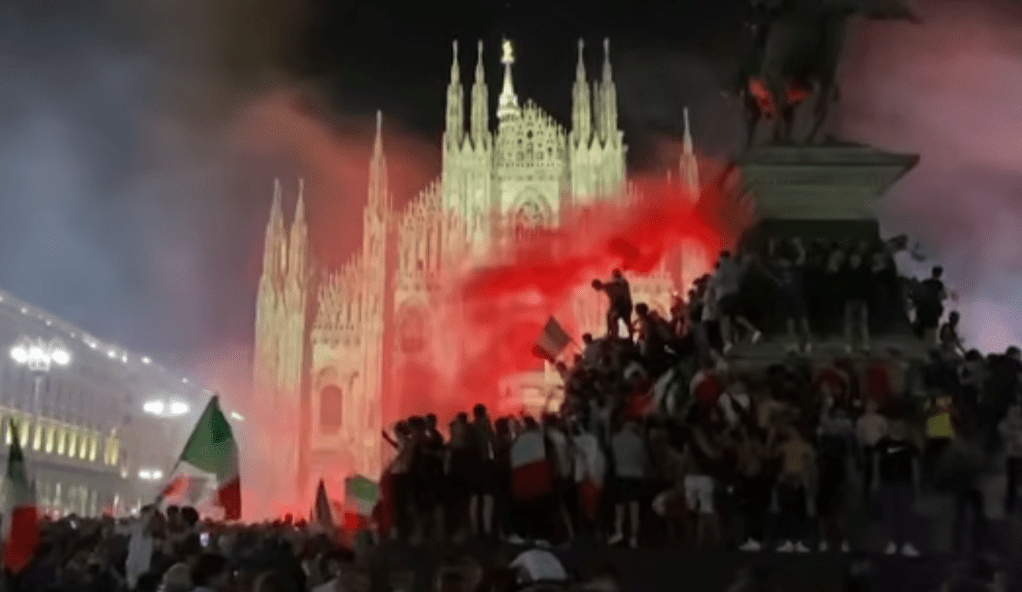
Italy’s victory over England at Wembley sparked a continental resurgence. Italian fans, having endured difficult times, reclaimed their piazzas. The scene was one of total urban occupation—monuments climbed, flags draped over ancient statues, and city centers turned into all-night festivals of sound and color.
2022: The Argentina Street Takeover
The 2022 World Cup final in Qatar was arguably the greatest match ever played. Upon the team’s return to Buenos Aires, the scale of the celebration was so vast that it surpassed all logistical planning. Millions of people effectively brought the city to a standstill, forcing the authorities to transition the parade from ground-based vehicles to helicopters to ensure the safety of the players.
Supporting Data: The Logistics of Joy
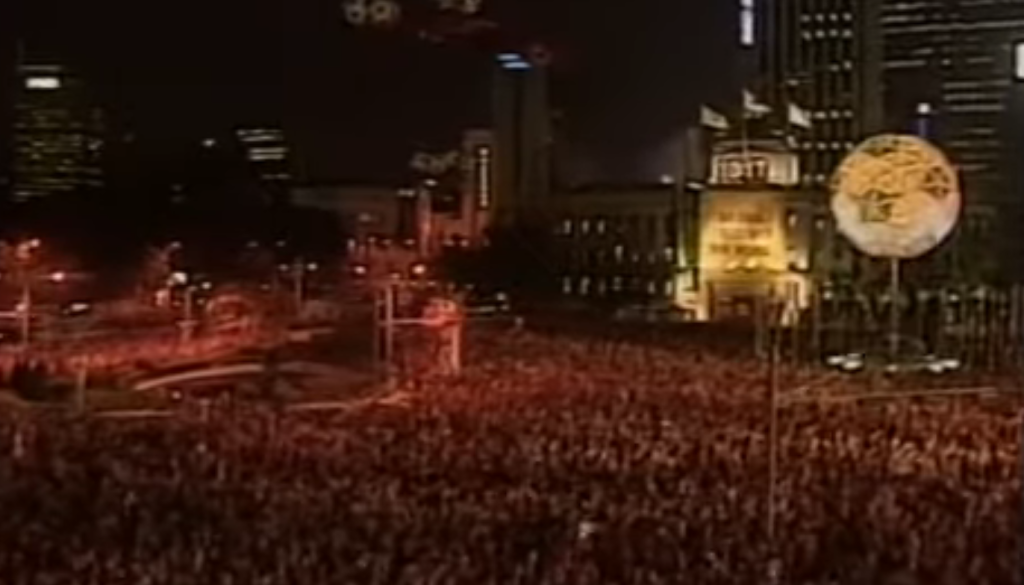
The sheer scale of these events often poses significant challenges for urban infrastructure. For instance, during the 2022 Argentine victory parade, the density of the crowd—estimated at over four million people—reached a level that made traditional law enforcement impossible.
Data from previous celebrations suggest that these events result in:
- Economic Surges: Massive spikes in hospitality and retail spending in the days following a victory.
- Infrastructure Strain: Significant pressure on public transport and sanitation services, often requiring days of cleanup.
- Public Safety Hurdles: The need for extensive collaboration between national police and local municipalities to prevent crowd-crush incidents.
Official Responses and Security Implications
Governments often find themselves in a precarious position during these celebrations. On one hand, the victory is a massive political asset that boosts national morale. On the other, the physical safety of millions of citizens is at stake.
In the wake of the 2022 Argentine celebrations, the Argentine government faced criticism for the lack of a clear security protocol, despite the obvious potential for massive turnout. Conversely, Germany’s 2014 celebrations at the Brandenburg Gate demonstrated a more coordinated approach, with designated "Fan Miles" that allowed for controlled, safe, and massive gatherings.
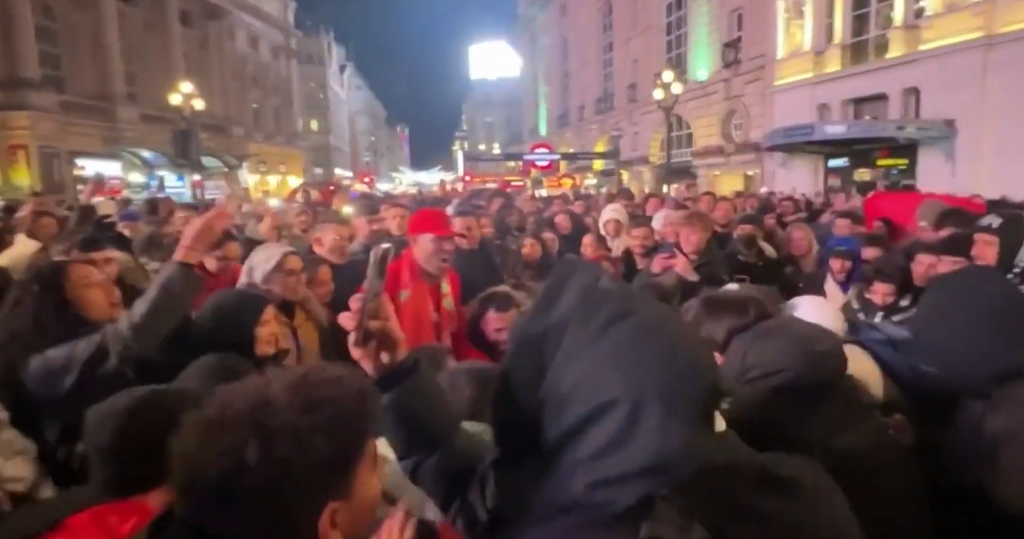
"It is a balancing act," says sports sociologist Dr. Elena Vance. "Authorities want to encourage the spirit of celebration because it’s a powerful tool for social cohesion. However, the ‘craziest’ celebrations are often those that are unplanned. When you try to over-regulate passion, you risk diluting the very thing that makes these moments historic."
The Broader Implications: A Cultural Phenomenon
What does this tell us about the state of the world in 2026? Soccer remains one of the few remaining platforms for genuine, unscripted, and mass-scale public expression. In an era of digital isolation, these celebrations serve as a vital reminder of the human need for physical proximity and collective purpose.

Whether it is the "Red Tide" in Seoul or the sea of blue and white in Buenos Aires, these moments are not just about the final score. They are about the stories we tell ourselves about who we are and what we can achieve. As long as the ball continues to roll, the world will continue to stop, stare, and celebrate, proving that even in the most divided times, a single goal can bring a nation to its feet.
As we look toward the remainder of the 2026 World Cup, one thing is certain: if a team manages to capture the trophy, the world should prepare for the streets to once again become the stage for the greatest show on earth.


 Siti Muinah