Jia Lissa
The Hellraiser franchise has always operated under a singular, uncompromising philosophy: you must never seek the truth unless you are prepared to have your body and mind shattered by it. At the heart of this truth lies a perverse duality—that pain and pleasure are not opposites, but sisters. While this ethos has defined the series since Clive Barker’s 1987 directorial debut, it was a striking surprise to see it so unflinchingly realized during the Summer Game Fest 2026 demo of the upcoming title, Clive Barker’s Hellraiser: Revival.
Developed by the seasoned team at Saber Interactive, Revival is a survival-horror "torture-shooter" that rejects the sanitized tropes often found in licensed horror gaming. In an industry where major franchises often shy away from the grotesque, Revival leans into the visceral, unctuous, and profoundly uncomfortable nature of Barker’s original vision.

The Core Concept: A Descent into the Labyrinth
Clive Barker’s Hellraiser: Revival follows the journey of Aidan, a man desperate to rescue his partner, Sunny, from the clutches of Hell. Sunny, disillusioned by the banalities of earthly life—bored by superficial intimacy and the grind of modern existence—made the fatal error of solving a mysterious puzzle box. In doing so, she unwittingly banished herself to the Labyrinth, a dimension of eternal torment where the Cenobites reside.
The demo places players directly into the chaotic middle of this rescue mission. The narrative is not merely a "save the princess" story; it is an exploration of obsession, self-destruction, and the masochistic tendencies that drive people to open the box in the first place.

Chronology of the Demo Experience
My time with the Revival demo at Summer Game Fest followed a harrowing trajectory that mirrored the protagonist’s descent into madness:
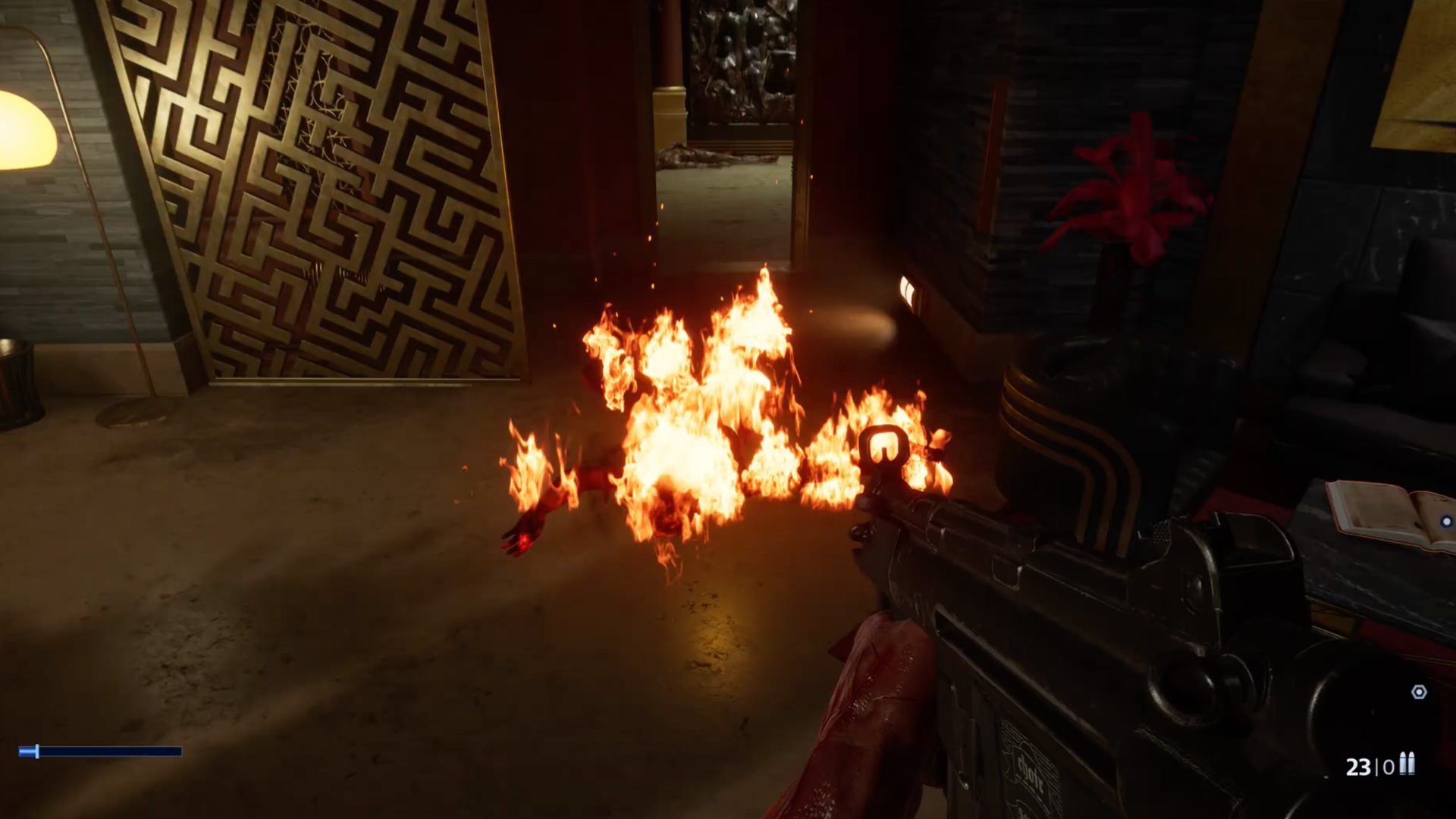
- The Incinerator Clubhouse: The opening segment finds Aidan navigating a "pleathery" environment, a surreal clubhouse-like structure that feels both intimate and alien. Here, the primary mechanic involves the "Genesis Configuration." Unlike the classic Lament Configuration, which opens portals to dimensions of suffering, the Genesis Configuration acts as a weaponized puzzle—a device capable of harvesting light and fire from the environment to cremate encroaching Cenobite cultists.
- The Miscalculation of Power: The gameplay requires tactical precision. During my demo, I learned the hard way that the Genesis Configuration does not distinguish between hostiles and the player. A mismanaged blast resulted in the player character sustaining horrific, visceral damage. The feedback—the sound of sizzling flesh and the visual of glowing holes in the character’s arms—was a testament to the game’s uncompromising commitment to immersion.
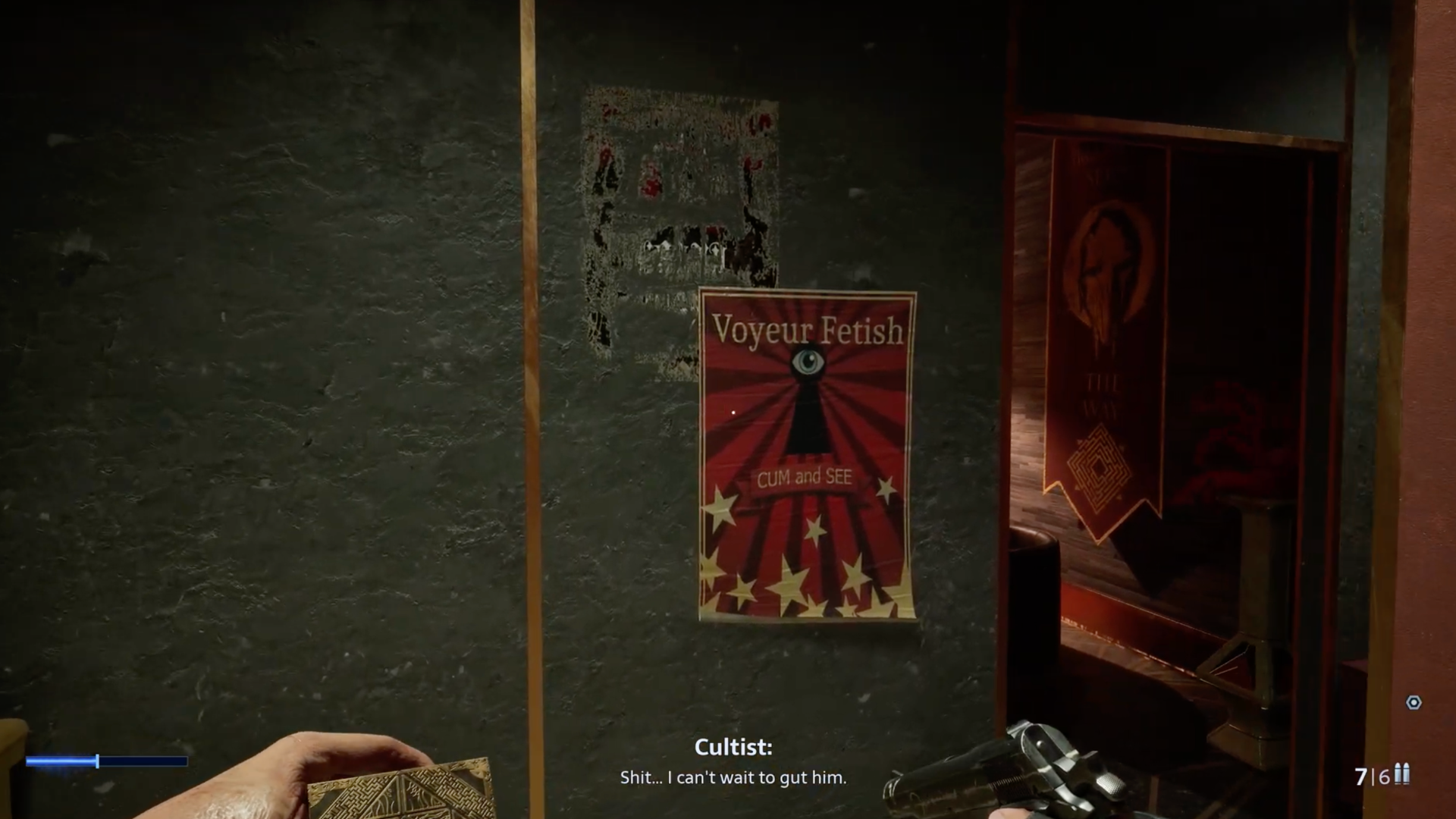
- The Fetish Corridor: As the demo progressed, the game transitioned into the "Voyeur Fetish" segment. Here, the narrative shifts from simple survival to a psychological examination of desire. Surrounded by posters and environmental storytelling that hint at a culture of extreme masochism, Aidan is confronted with visions of his own past and potential future as a servant of the Cenobites.
- The Final Confrontation: The demo concludes in an unsettling domestic space. Aidan finds Sunny, or a manifestation of her, hogtied in their bed. The imagery is profoundly disturbing, focusing on the remnants of their self-destructive relationship. The encounter forces the player to face the consequences of their actions—the needles, the blood, and the literal and metaphorical stripping away of the self.
Supporting Data and Mechanical Depth
Saber Interactive has been vocal about the extreme nature of this project. Developers Vid Rajin and Danira Karović-Lačević noted that during earlier playtesting sessions, some participants required physical assistance—including the provision of "vomit bags"—due to the intensity of the game’s opening sequences.

The mechanics are built around this intensity. The game utilizes a sophisticated inventory system reminiscent of Resident Evil, forcing players to manage limited resources while carrying weapons like a serrated sword used for close-quarters dismemberment. The game’s commitment to "artful" shock value is evident in its utilization of anatomical horror—genitals, exposed organs, and skeletal remains are presented as central aesthetic pillars rather than mere background decoration.
Official Perspectives and Creative Direction
The development team at Saber Interactive emphasized that Revival is not intended to be a "fun" game in the traditional sense. It is an experience meant to mirror the tone of Barker’s written work and filmography. By reintroducing Doug Bradley as the iconic voice of Pinhead, the studio has signaled a deep reverence for the source material.

"We wanted to bridge the gap between the 1987 film and the modern era of PC shooters," said a spokesperson for the development team. "The goal was never to soften the edges, but to sharpen them. If the player doesn’t feel a sense of dread, or even a moment of physical repulsion, then we haven’t successfully adapted the world of the Cenobites."
Implications: A New Standard for Horror Gaming?
The implications of Clive Barker’s Hellraiser: Revival are significant for the horror genre. By leaning into the taboo, the game challenges the industry-wide trend of self-censorship in licensed titles.
Psychological Resonance
The game asks a difficult question: why do we crave the dark? The protagonist’s journey into the Labyrinth is a reflection of the player’s own curiosity. In a society where we are often pressured to appear "lovely" or "lovable," Revival provides a space to occupy the "dirty and unwanted" corners of the psyche. It positions the horror game not just as a test of skill, but as a mirror for the player’s own darker impulses.
Visual and Narrative Fidelity
The use of high-fidelity graphics to render "yellow fat, crushed skulls, and sex magic" is a bold stylistic choice. While critics may debate the merits of such extreme imagery, it is clear that Saber Interactive is using these elements to build a coherent, cynical, and deeply thematic world. The game suggests that while we may attempt to eviscerate ourselves through the pursuit of extreme experiences, the soul remains—crying out, perhaps, but fundamentally present.
Technical Specifications
- Developer: Saber Interactive
- Platforms: PlayStation 5, Xbox Series X|S, PC (via Steam)
- Anticipated Release: October 8, 2026
Conclusion: Are You Ready to Receive?
As I left the Summer Game Fest demo station, I found myself in a state of strange, quiet contemplation. The desire to engage in something mundane—like making a bowl of oatmeal—felt like a desperate attempt to ground myself in reality after experiencing the surreal, jagged fantasy of the Labyrinth.
Clive Barker’s Hellraiser: Revival is poised to be more than just a horror shooter; it is an invitation to inhabit the muck. It is an unapologetic, visceral, and deeply philosophical project that dares the player to see what happens when the box is opened. For those who find comfort in the shadows, or who are simply curious about the limits of the medium, the release in October 2026 will be an event of legendary proportions. The Cenobites are waiting, and they have many more lessons to teach.


 Nana Wu
 Layla Zulfa