Laily UPN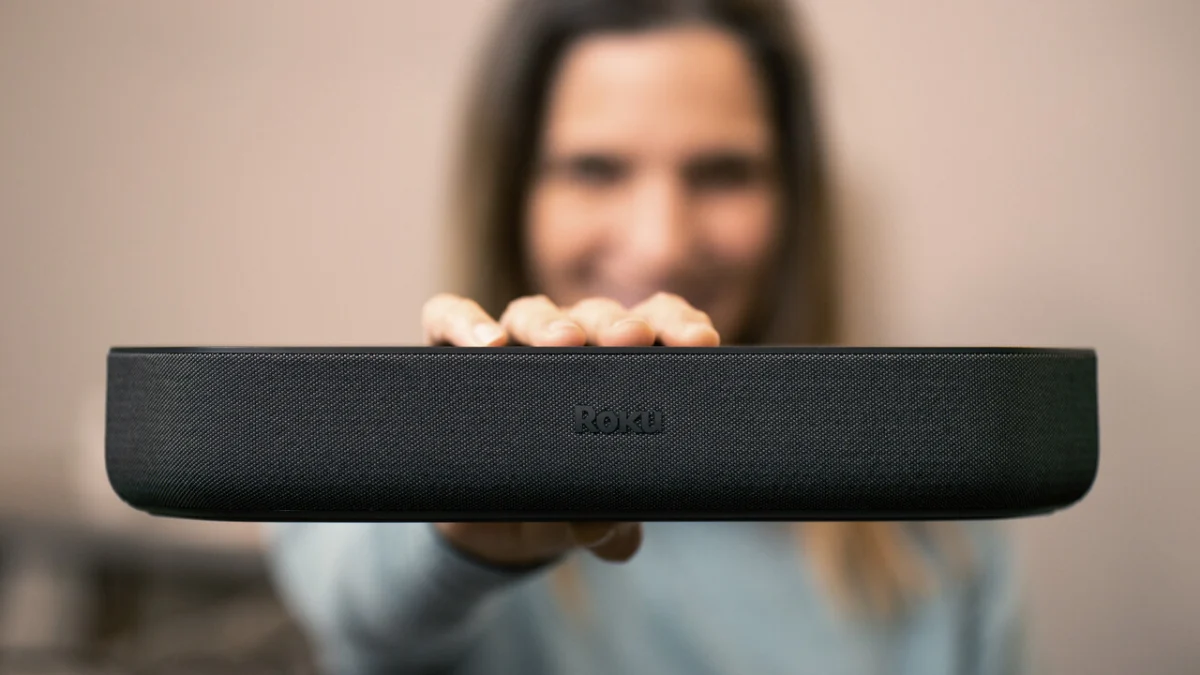
In a landmark move that promises to reshape the landscape of digital media and television, the Fox Corporation has officially announced its intent to acquire the streaming powerhouse Roku. The deal, valued at approximately $22 billion, represents one of the most significant consolidations in the history of the entertainment industry. Under the terms of the agreement, Fox will purchase all outstanding shares of Roku at a price of $160 per share.
The acquisition is not merely a purchase of hardware; it is a strategic marriage between traditional broadcast legacy and the future of connected TV (CTV). As the boundaries between linear television and streaming continue to blur, Fox is betting heavily that owning the "gateway" to the living room is essential for its long-term survival and dominance in an increasingly fragmented market.
The Core Facts: A Strategic Pivot
The deal, which was confirmed by both parties earlier this week, is slated to close in the first half of 2027. This long lead time reflects the complexity of the integration and the anticipated regulatory scrutiny that such a massive merger will undoubtedly face.
Fox, a media titan known for its massive footprint in news (Fox News Media), sports (Fox Sports), and entertainment (Fox Entertainment and Fox Television Stations), is looking to modernize its distribution strategy. By acquiring Roku, Fox gains control over one of the most widely used streaming operating systems (Roku OS) and a massive user base that relies on Roku’s hardware—from streaming sticks to integrated smart TVs—to consume content.
For Fox, the move is a direct attempt to bridge the gap between its traditional broadcast assets and its existing digital efforts, such as the ad-supported streaming service Tubi. By integrating Roku, Fox aims to create a more cohesive ecosystem where its high-value live sports and news content can be surfaced more effectively to a digital-first audience.
Chronology of a Mega-Deal
While the formal announcement occurred this week, the path to this acquisition has been paved by years of shifting market dynamics.
- 2020–2022: The Streaming Surge: During the pandemic, Roku saw its valuation skyrocket as cord-cutting accelerated. However, as the market cooled in 2023 and 2024, Roku faced challenges related to hardware margins and increasing competition from Amazon’s Fire TV and Google TV.
- Late 2025: Secret Negotiations: Reports indicate that discussions between Fox and Roku executives began in late 2025, as Fox looked for ways to secure its distribution future in a post-cable world.
- Q1 2026: Financial Due Diligence: The two companies spent several months analyzing the financial viability of the merger, with Fox securing a $12 billion financing package to cover the bulk of the transaction.
- Current Status: With the agreement now signed, both companies are preparing for a rigorous regulatory review process. The 2027 closing date provides a generous window for navigating antitrust concerns in both the United States and international markets.
Supporting Data and Financial Strategy
The scale of the $22 billion acquisition is supported by a robust financial structure. Fox has disclosed that it has already secured $12 billion in committed financing. The remainder of the deal will be settled through a combination of existing cash reserves and the issuance of new debt.
Fox leadership has been quick to point out the synergy potential. The company expects to realize approximately $400 million in annual cost synergies. These savings are expected to come from streamlining operational expenses, consolidating R&D efforts, and leveraging Fox’s existing advertising sales infrastructure to boost Roku’s monetization of its ad-supported "The Roku Channel."
The financial math is clear: Fox is not just buying a platform; it is buying an advertising engine. Roku’s ability to target ads to millions of households is a goldmine for a company that relies heavily on sports broadcasting—where live, targeted advertising commands a premium price.
Official Responses and Governance
In a joint statement, the companies emphasized continuity. Anthony Wood, the founder and CEO of Roku, has played a pivotal role in these negotiations. According to the terms, Wood will remain involved in the business post-acquisition and is slated to join the Board of Directors of the Fox Corporation. This move is designed to reassure investors that the "Roku spirit"—the user-centric, platform-agnostic approach—will be preserved.
"We are committed to keeping Roku an open, partner-friendly platform," said a Fox spokesperson in a press conference. This is a crucial point for investors and content partners alike. Roku’s value lies in its neutrality; if it were to become a "walled garden" that exclusively prioritized Fox content, it would likely alienate users and lose its competitive edge against Amazon and Google.
Implications for the Media Landscape
The implications of this merger are profound, touching upon consumer experience, market competition, and the future of advertising.
1. The Death of the "Neutral" Platform?
One of the most significant concerns for regulators will be the potential for anti-competitive behavior. If Fox owns both the content and the platform, will it manipulate search algorithms to prioritize Fox News or Fox Sports? Fox has pledged that Roku will remain open, but critics argue that the temptation to favor one’s own content is inherently built into such a business model.
2. Impact on Competitors
Companies like Disney, NBCUniversal, and Warner Bros. Discovery—all of whom have their own streaming apps on Roku—will be watching this deal very closely. They are now, in essence, competing against their landlord. This could lead to a wave of renegotiated carriage agreements, or perhaps even a migration of users toward other platforms like Apple TV or specialized smart TV interfaces if they feel the "Fox-owned" Roku ecosystem is being tilted in favor of the parent company.
3. The Future of Advertising
For advertisers, the deal is a game-changer. By combining the vast datasets of Roku (which knows what users watch and when) with the live-event power of Fox Sports, the merged entity will offer a level of precision advertising that is currently difficult to match in the linear TV space. This could force other media conglomerates to seek their own platform acquisitions or partnerships.
4. Consumer Experience
For the end user, the immediate impact may be minimal. Roku’s interface is unlikely to change overnight. However, in the long term, users might see a deeper integration of Fox-related content, exclusive bundles, or perhaps "smart" features that make it easier to jump into live sports events. The risk, of course, is a more cluttered home screen, as Roku has already faced backlash for its attempts to inject more advertising into its OS.
A Long Road to 2027
The timeline for this deal is intentionally long, likely to accommodate the deep-dive investigations that the Department of Justice and the Federal Trade Commission are expected to launch. The media industry is currently in a state of hyper-consolidation, and regulators are increasingly sensitive to the idea of a few massive conglomerates owning both the "pipes" (the streaming platform) and the "water" (the content).
The integration process will be a monumental task. Merging the corporate cultures of a traditional broadcast giant like Fox with a Silicon Valley-born tech company like Roku will require careful management. Anthony Wood’s presence on the Fox board will be a critical bridge, but the success of this acquisition will ultimately depend on whether Fox can maintain the technical agility that made Roku a market leader in the first place.
As the industry looks toward 2027, the "Fox-Roku" deal serves as a clear signal: the era of the neutral streaming platform is coming to an end. The future belongs to those who control the entire vertical—from the moment a viewer picks up the remote to the moment the final ad is served. Whether this benefits the consumer or simply creates a more concentrated media landscape remains the central question of the coming decade.

 Azzam Bilal Chamdy
 Sagoh
Sagoh