Iffa Jayyana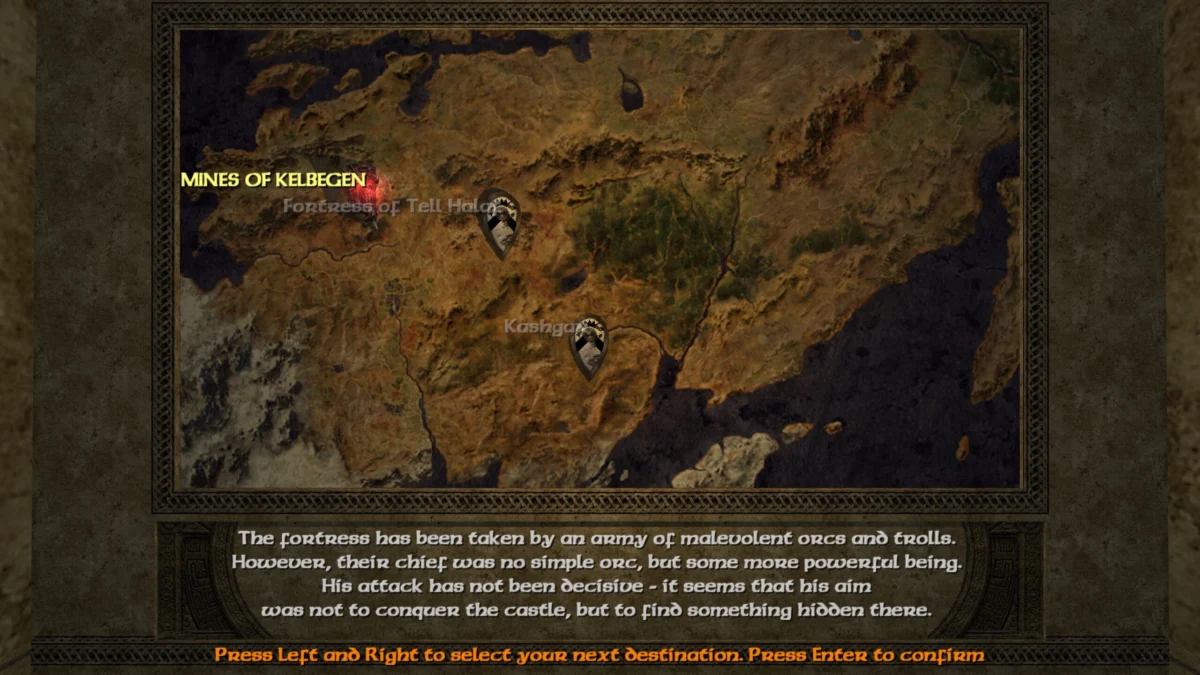
Main Facts: A Genre-Defining Rebirth
In the landscape of modern gaming, where "Souls-like" has become a shorthand for punishing difficulty and intricate melee combat, it is easy to forget the pioneers who laid the foundation. Blade of Darkness (formerly Severance: Blade of Darkness), originally released in 2001 by Rebel Act Studio, has returned. Thanks to publisher SNEG, this long-lost relic of the early 3D era is now available on Steam, modernized for current hardware.
Priced at an accessible £7.49, the game serves as a bridge between the classic hack-‘n’-slash titles of the 90s and the sophisticated, stamina-driven combat systems that dominate the industry today. With its visceral limb-lopping, atmospheric lighting, and uncompromising challenge, it remains a masterclass in design that, despite a two-decade slumber on abandonware forums, feels startlingly relevant.
Chronology: From Obscurity to Renaissance
The Dawn of Brutality (2001)
At the turn of the millennium, Severance: Blade of Darkness arrived with an ambition that arguably outpaced the market’s appetite. Developed by the Spanish team at Rebel Act Studio, the game was a technological marvel, utilizing a sophisticated dynamic lighting engine that remains impressive even by today’s standards. However, despite critical acclaim for its innovative combat, it suffered from a poor commercial launch, consigning it to the annals of "hidden gems."
The Lost Years (2002–2020)
For twenty years, the game lived on only through the dedication of a niche community. It became a staple of "abandonware" websites—a digital ghost town where legacy code goes to survive. While the gaming world moved on to high-fidelity sequels and live-service models, Blade of Darkness remained a quiet influence, often cited by developers as a formative experience for the modern dark-fantasy action genre.
The SNEG Revival (2021–Present)
The turning point arrived when publisher SNEG acquired the rights to the IP. Recognizing the latent demand for a re-release, SNEG performed the necessary technical surgery to ensure the game functions on Windows 10 and 11, adding support for high-definition resolutions and widescreen monitors. This effort effectively rescued a significant piece of gaming history, re-introducing it to a generation of players accustomed to Dark Souls and Elden Ring.
Supporting Data: Character Archetypes and Gameplay Mechanics
The core of Blade of Darkness lies in its distinct character classes, each offering a fundamentally different tactical approach to the game’s 18 total levels.
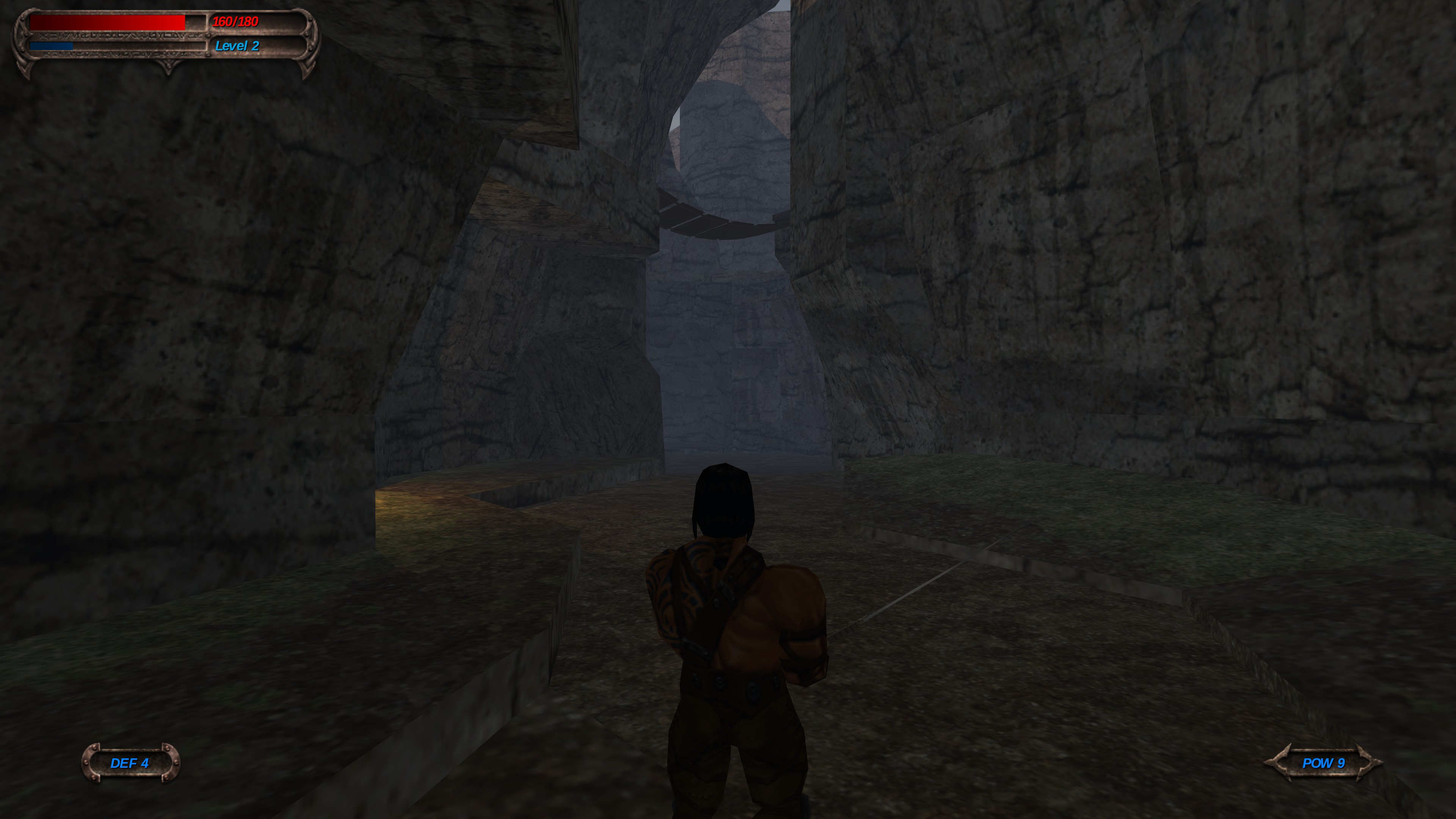
- Sargon the Knight: The balanced choice. With high proficiency in sword-and-shield combat, he is the ideal entry point for players who value defense and stability. His campaign begins in a besieged castle, emphasizing the game’s penchant for claustrophobic, high-stakes environments.
- Naglfar the Dwarf: Often considered the most difficult to master, Naglfar offers a unique but punishing playstyle that rewards patience and tactical positioning over brute force.
- Zoe the Amazon: Representing the agility-focused archetype, Zoe relies on spears and polearms. Her ability to dance around opponents and avoid damage through superior footwork provides a high-skill ceiling for veterans.
- Turkaram the Barbarian: The spiritual mascot of the game. His campaign, focused on the cursed burial grounds of his ancestors, leans heavily into the Robert E. Howard Conan aesthetic. His combat style is raw, aggressive, and perfectly encapsulates the game’s brutal ethos.
The Combat Engine
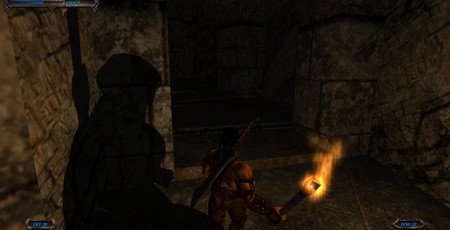
Unlike modern "button-mashers," Blade of Darkness requires deliberate inputs. Players must master timing, distance management, and directional dodging. Weapons have durability, shields shatter under sustained pressure, and environmental hazards—such as narrow ledges or poorly lit corridors—are just as dangerous as the enemies themselves. The game features a robust special-move system, where leveling up unlocks specific, weapon-dependent abilities that add layers of complexity to the rhythmic, visceral combat.
Official Perspectives and Critical Analysis
While the original release was criticized for its minimalist narrative, modern critics argue that this was a deliberate design choice rather than a deficiency. The world-building is environmental, delivered through the architecture of decaying temples and the cryptic history of the enemies one faces.
"The storytelling isn’t told to you; it’s experienced," notes one retrospective on the game’s atmosphere. The game trusts the player to piece together the history of a crumbling world through the placement of a skeleton or the oppressive gloom of a torch-lit dungeon.
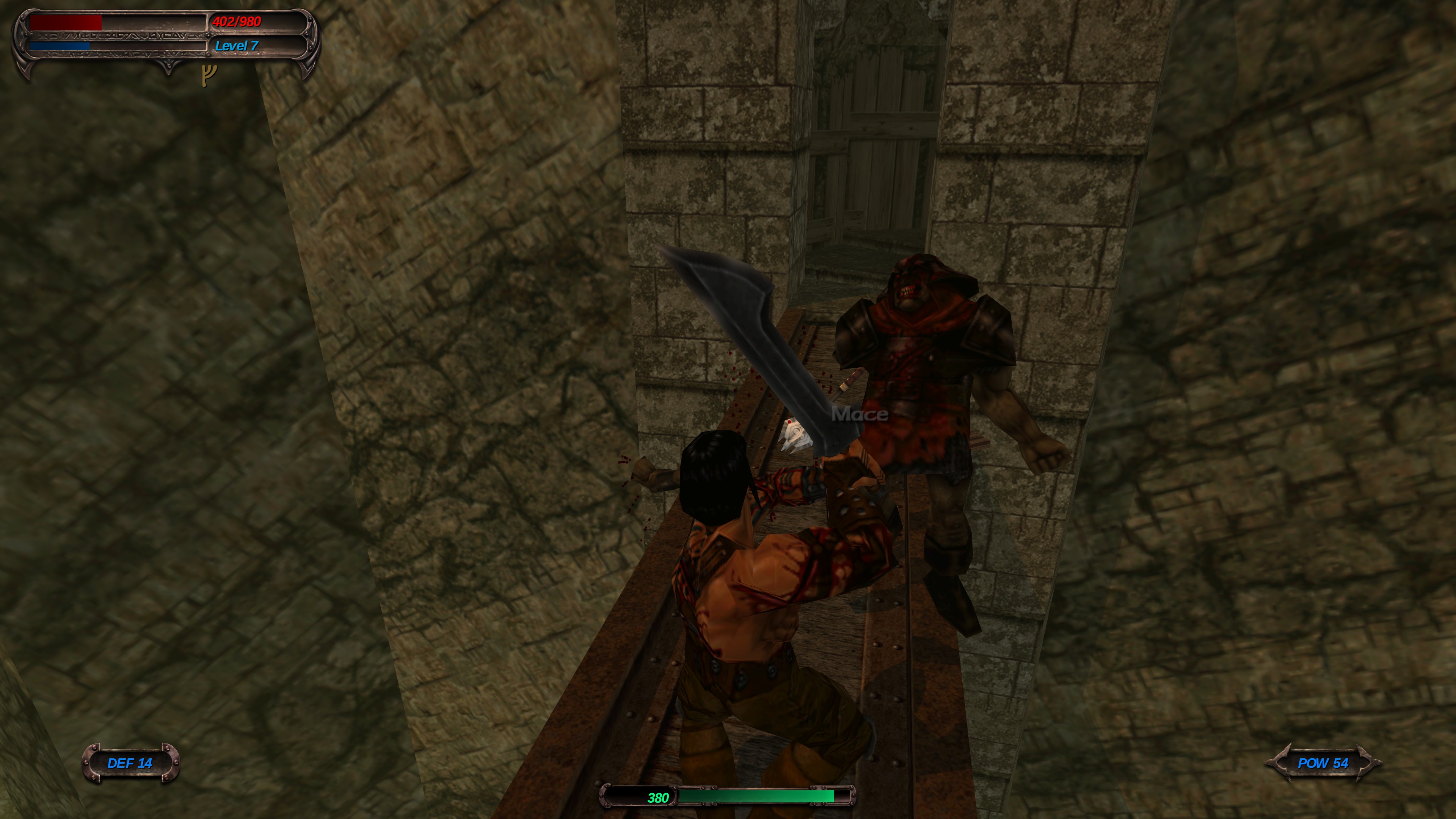
However, the game is not without its flaws. The platforming—a frequent point of contention in early 3D titles—has aged poorly. Precision jumping in Blade of Darkness can feel clunky, and the camera, while revolutionary in 2001, occasionally struggles with the geometry of narrow spaces. Despite these mechanical hiccups, the consensus remains: the "jank" is a small price to pay for the unparalleled satisfaction of the combat.
Implications: The ‘Souls-like’ Connection
There is an inevitable comparison between Blade of Darkness and the Souls series. While From Software’s seminal work emerged seven years after Blade, the DNA is clearly shared. Both titles prioritize a sense of dread, the importance of environmental awareness, and a combat system where every swing of the sword carries consequences.
The revival of Blade of Darkness carries significant implications for the preservation of gaming history. It proves that there is a viable market for "archaeological gaming"—the restoration of titles that were ahead of their time. By making these games accessible on platforms like Steam, publishers like SNEG are not just selling a product; they are preserving a lineage.
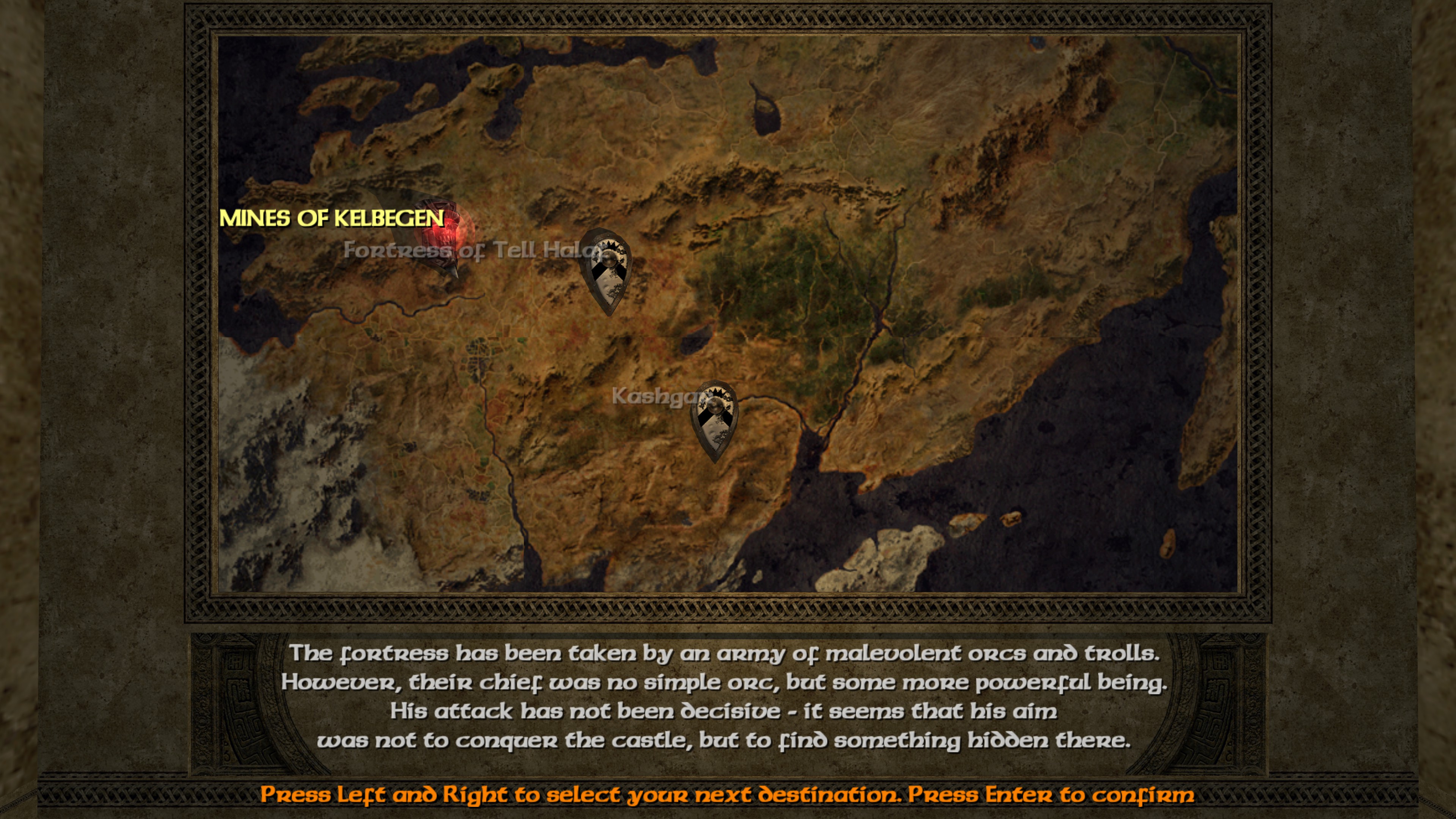
For the modern player, Blade of Darkness is a rigorous, rewarding, and often startlingly beautiful experience. It stands as a testament to the fact that good game design—defined by tight mechanics and a cohesive, oppressive atmosphere—is timeless.
Final Verdict
If you consider yourself a fan of action RPGs, you owe it to yourself to experience Blade of Darkness. It is a game that does not hold your hand, does not shower you with quest markers, and does not apologize for its difficulty. It asks only for your focus, your patience, and your willingness to step into a dark, crumbling world where the only thing between you and oblivion is your skill with a blade.
At a price point of £7.49, it is not merely a purchase; it is an invitation to explore one of the most influential, yet underappreciated, chapters in the history of interactive entertainment. Whether you are seeking a challenge or a history lesson, Blade of Darkness remains a vital, beating heart of the action-RPG genre. It is time to pick up your sword, light your torch, and descend into the dark once more.


 Layla Zulfa
 Nana Muazin