Nana Wu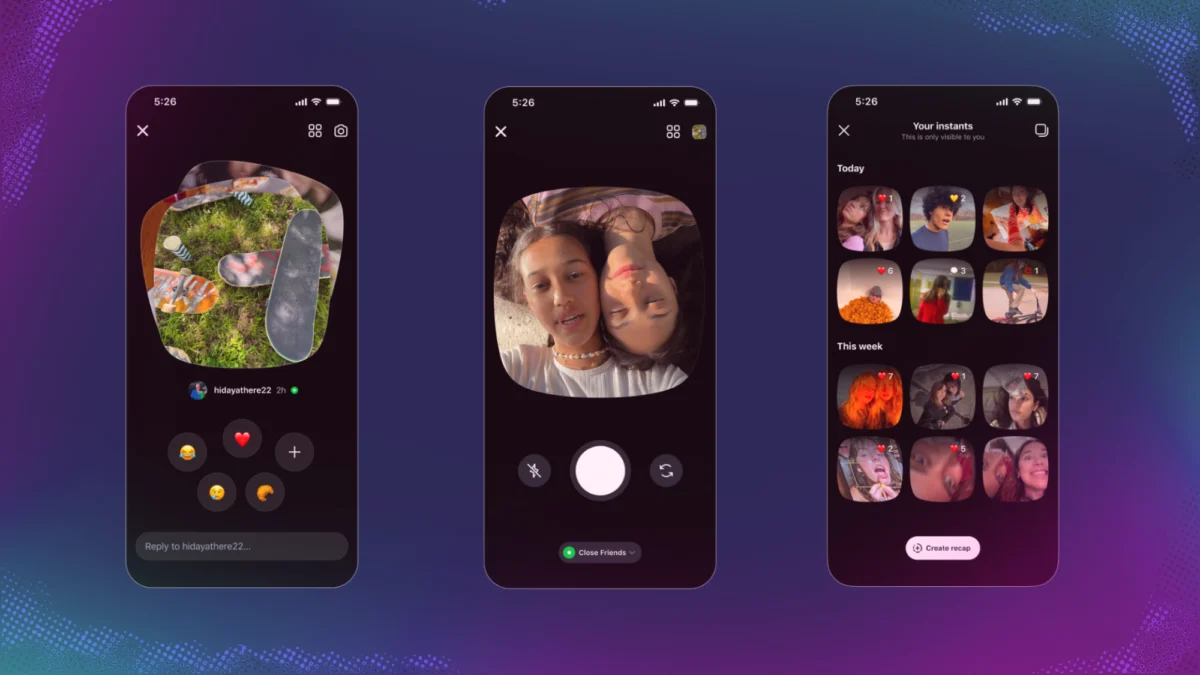
In an era defined by the curated perfection of the "grid," Instagram has long struggled with the tension between polished aestheticism and the growing user demand for raw, authentic connection. On Wednesday, the Meta-owned social media giant took a definitive step toward bridging that gap with the launch of "Instants," a new messaging tool designed to facilitate the exchange of unedited, ephemeral photo dumps between friends.
While the feature promises to return a sense of spontaneity to a platform often criticized for its performative nature, it has also sparked a flurry of questions regarding privacy, data security, and the evolving ethics of digital communication.
The Mechanics of Instants: What You Need to Know
At its core, Instants is a streamlined, high-velocity photo-sharing tool integrated directly into Instagram’s Direct Message (DM) ecosystem. Unlike traditional posts or even ephemeral Stories, Instants are designed for rapid-fire, low-stakes interaction.
When a user initiates an Instant, they are prompted to select a batch of photos from their camera roll. The platform intentionally restricts editing capabilities—users cannot apply filters, adjust contrast, or utilize the standard suite of creative tools that have defined the Instagram experience for over a decade. While captions are permitted to provide context, the raw nature of the imagery is the intended focal point.
Once sent, these images appear in the recipient’s inbox as a stacked "pile" of photos. The ephemeral nature of the feature is its most defining characteristic: the content vanishes immediately after it is viewed by the recipient. If left unopened, the photos are set to expire automatically after 24 hours. For those prone to "send-regret," Instagram has included an undo button, allowing users to retract content before the recipient has had the chance to view it.
For the sender, there is a dedicated, private folder where sent Instants are archived. This allows the creator to retain a personal record of their "dump," with the option to repurpose these candid shots for their public Stories later on, should they choose to do so.
A Chronology of Ephemerality: How We Got Here
The introduction of Instants does not exist in a vacuum. It is the latest evolution in a long-standing industry trend toward "disappearing" content—a paradigm shift that began in earnest with the rise of Snapchat in the early 2010s.
- 2013-2016: The Rise of the Story. After failing to acquire Snapchat, Meta (then Facebook) aggressively pivoted. The introduction of Instagram Stories in 2016 was a turning point that effectively challenged the dominance of permanent, feed-based content.
- 2017-2020: The Standardization of Disappearing DMs. As users became more privacy-conscious, platforms like Signal, WhatsApp, and Telegram standardized "disappearing messages" as a baseline feature. Instagram followed suit, integrating self-destructing text and media options into its DMs to match the industry standard.
- 2021-2023: The "Anti-Instagram" Movement. With the meteoric rise of BeReal, which incentivized users to post unedited, unfiltered content at random intervals, the social media landscape shifted. Instagram’s "Instants" is clearly a direct response to this cultural hunger for authenticity.
- 2024: The Launch of Instants. By formalizing the "photo dump"—a trend that previously required manual curation and feed management—into a native, ephemeral tool, Instagram is attempting to capture the casual, intimate energy that defined early social media, all while keeping users within the Meta ecosystem.
Supporting Data and User Behavior
Industry analysts suggest that the shift toward ephemeral, private messaging is a response to "social fatigue." According to recent data from social media market research firms, engagement on public-facing feeds has seen a steady decline as younger demographics (Gen Z and Alpha) gravitate toward smaller, "Close Friends" circles.
The data indicates that users are 40% more likely to share content in a private, group-chat setting than they are to post to a public feed. This "Dark Social" behavior—where sharing happens in DMs rather than public comments—represents a massive shift in how platforms monetize and retain users. By turning the "photo dump" into an ephemeral, recurring cycle of engagement, Instagram is effectively creating a "loop" of interaction: send, view, react, repeat.
The Important Caveats: A Reality Check
Despite the promise of "disappearing" content, the technical and legal reality of Instants is far more nuanced than a simple "delete" button.

The Illusion of Privacy
The most critical caveat is one that applies to all ephemeral messaging tools: a screenshot is not the only way to save an image. While Instagram has implemented safeguards to block traditional screenshotting on mobile devices, there is no technological barrier that can prevent a user from using a second device (a camera or another phone) to capture the screen.
Furthermore, users must remember that Instagram’s infrastructure remains a public-facing platform. Even if a message is intended to disappear, the underlying data passes through Meta’s servers.
The Illusion of Anonymity
Many users mistakenly assume that "Close Friends" or ephemeral messaging acts as a form of "incognito mode." This is a significant misunderstanding. Instagram continues to monitor content shared via Close Friends and DMs for compliance with their Community Guidelines. If a user sends content that violates the platform’s policies on hate speech, harassment, or non-consensual imagery, the ephemeral nature of the tool provides no immunity from content moderation or account suspension.
The Encryption Dilemma
Perhaps the most contentious aspect of this launch is the status of user security. Recently, Meta announced that it has moved away from end-to-end encryption (E2E) for the majority of its DM traffic, opting instead for standard encryption protocols. This means that while your photos are "disappearing" from the recipient’s view, they are not necessarily protected by the robust, private-key encryption that privacy advocates demand. For users who prioritize true digital sovereignty, this is a significant departure from the security standards found on platforms like Signal.
Implications: The Ethics of "Raw" Content
The launch of Instants brings to light broader ethical questions regarding the moderation of "private" spaces. Instagram is currently navigating a difficult path between protecting its users and maintaining a reputation as a safe, family-friendly platform.
The nudity guidelines, in particular, remain a sticking point. Because Instants are unedited and intended for personal use, there is an inherent friction between the user’s desire for personal expression and the platform’s rigid, algorithm-driven censorship policies. Critics have argued that these policies often lean into over-censorship, particularly when applied to art, breastfeeding, or body-positive content. As Instants grows in popularity, Meta will likely face increased pressure to refine how it handles content that exists in this "gray area" of the internet.
Looking Ahead: The Future of the DM
Instagram’s move to formalize the photo dump reflects a deeper understanding of the modern digital psyche: we are tired of the "perfect" life. We want the messy, the blurry, and the mundane, but we want it to happen in a space where it won’t haunt us five years down the road.
As the platform continues to evolve, the success of Instants will likely be measured not by how many photos are sent, but by how much time users spend within the "DM ecosystem" versus the public feed. For Meta, the goal is clear: they want to be the home for every kind of connection—from the highly curated influencer post to the fleeting, unedited glimpse into a friend’s day.
However, as we embrace these tools, it is vital to remain digitally literate. Ephemeral, in the world of big tech, does not mean invisible. It means "hidden from immediate view." As you start trading "Instants" with your friends, remember the fundamental rule of the internet: if you aren’t comfortable with it potentially resurfacing, don’t press send.
Mashable has reached out to Instagram for further clarification on the long-term storage of these "hidden" folders and how they interact with Meta’s broader data-mining operations. We will provide updates as more information becomes available.

 Ammar Sabilarrohman
 Rifan Muazin