Raul Delapena Setiawan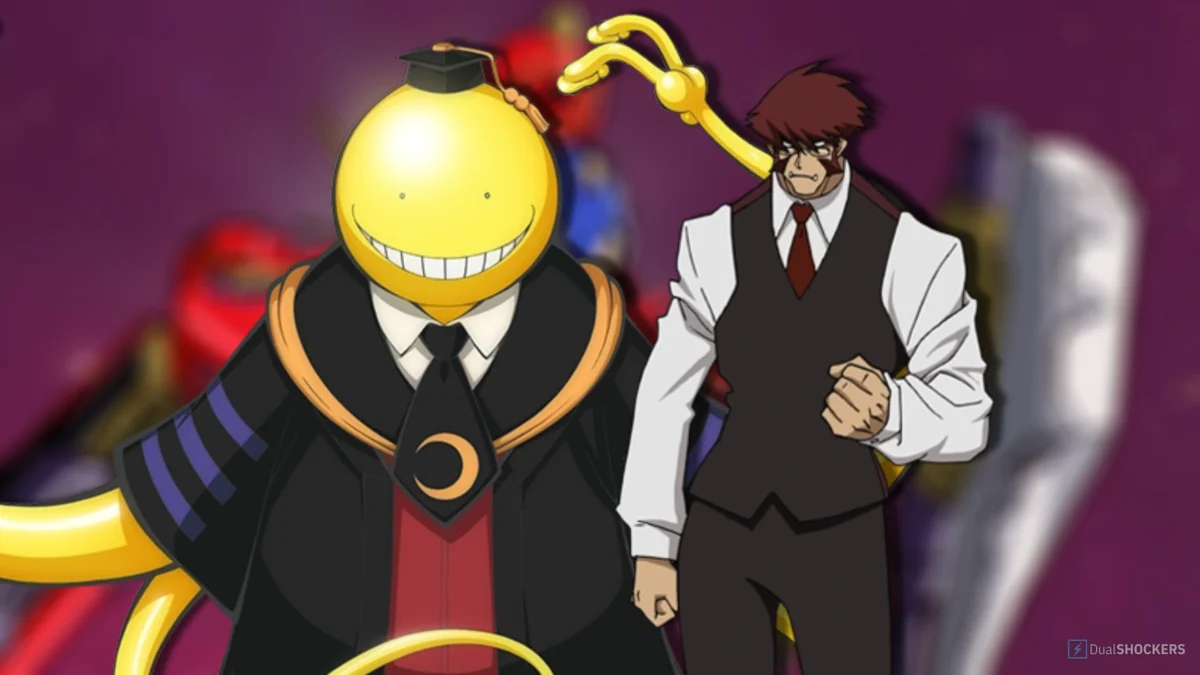
The modern anime landscape is characterized by a relentless pace of production. Driven by the global expansion of streaming platforms and the continued dominance of high-profile Shonen Jump adaptations, the sheer volume of content hitting the airwaves annually is unprecedented. However, this "Golden Age" of accessibility comes with a significant trade-off: the phenomenon of oversaturation.
In such a crowded market, even critically acclaimed series often struggle to maintain a foothold in the public consciousness once their season concludes. As seasonal hype cycles shift, many brilliant, unique, and emotionally resonant shows are relegated to the archives, effectively "forgotten" by the mainstream audience. To counter this, we are revisiting ten standout titles that, despite their initial success or cult following, deserve to be reclaimed and celebrated by a new generation of viewers.

The Chronology of Underrated Masterpieces
The history of anime is littered with shows that were ahead of their time or simply victims of poor scheduling. Looking back, we find a treasure trove of storytelling that ranges from the late 90s to the mid-2010s—an era that helped define the transition of anime into a global medium.
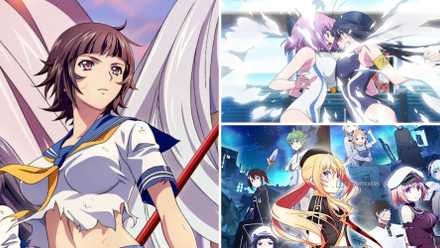
10. Daily Lives of High School Boys (2012)
- Studio: Sunrise
- Episodes: 12
- The Hook: A masterclass in "nothing happens" comedy.
- Implications: This series serves as the definitive antithesis to high-stakes action. It focuses entirely on the mundane, idiotic, and relatable absurdity of teenage male friendship. By eschewing a central plot, it allows for pure, character-driven humor that has turned many of its scenes into permanent fixtures of internet meme culture.
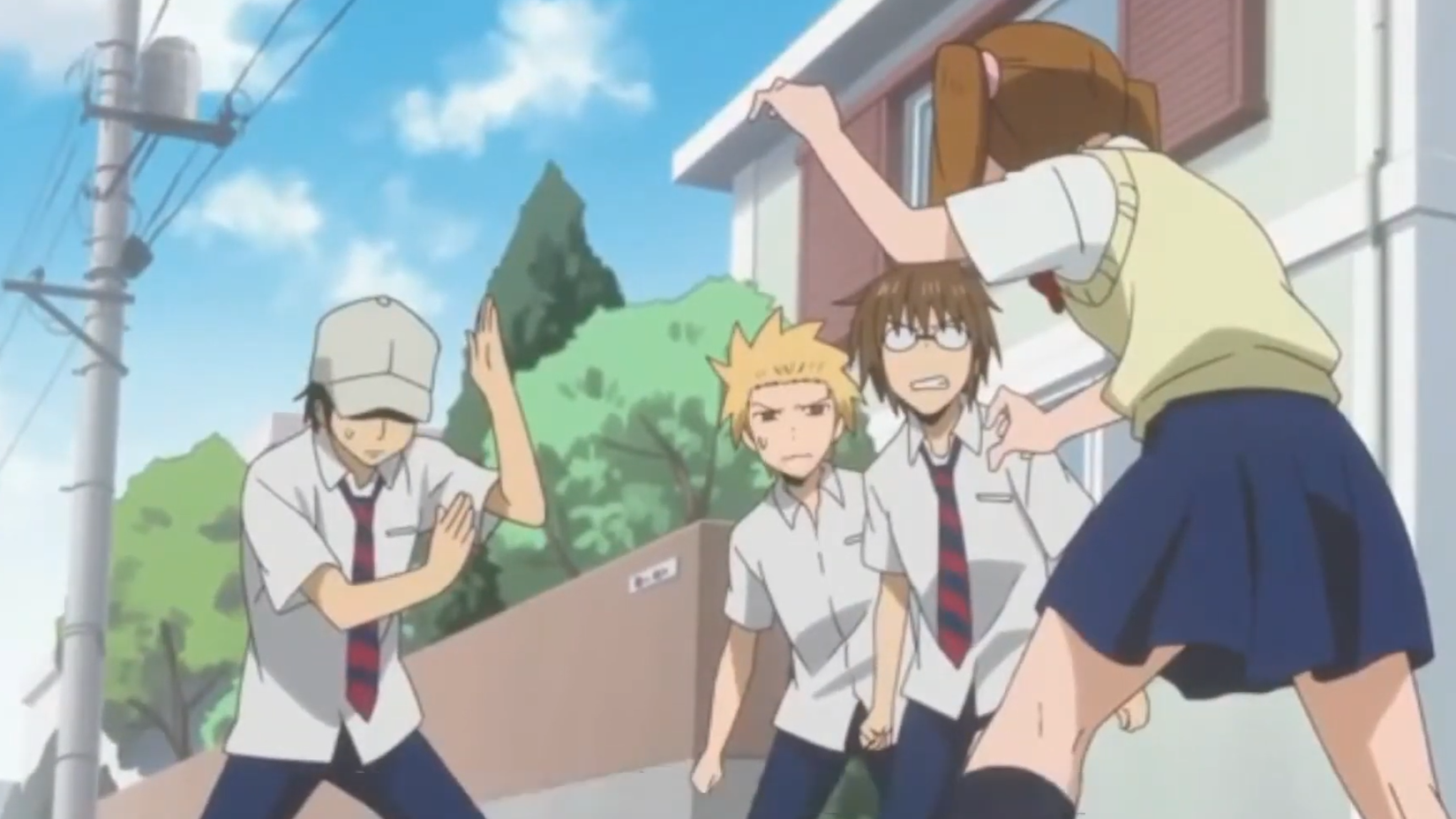
9. Kokoro Connect (2012)
- Genre: Drama/Supernatural
- The Hook: Supernatural experimentation as a proxy for teenage insecurity.
- Supporting Data: While it boasts a strong narrative core, its production was marred by behind-the-scenes controversies, which unfortunately overshadowed the series’ deep exploration of human psychology. It remains a profound look at how radical honesty—forced upon characters by an external entity—can both heal and shatter interpersonal bonds.
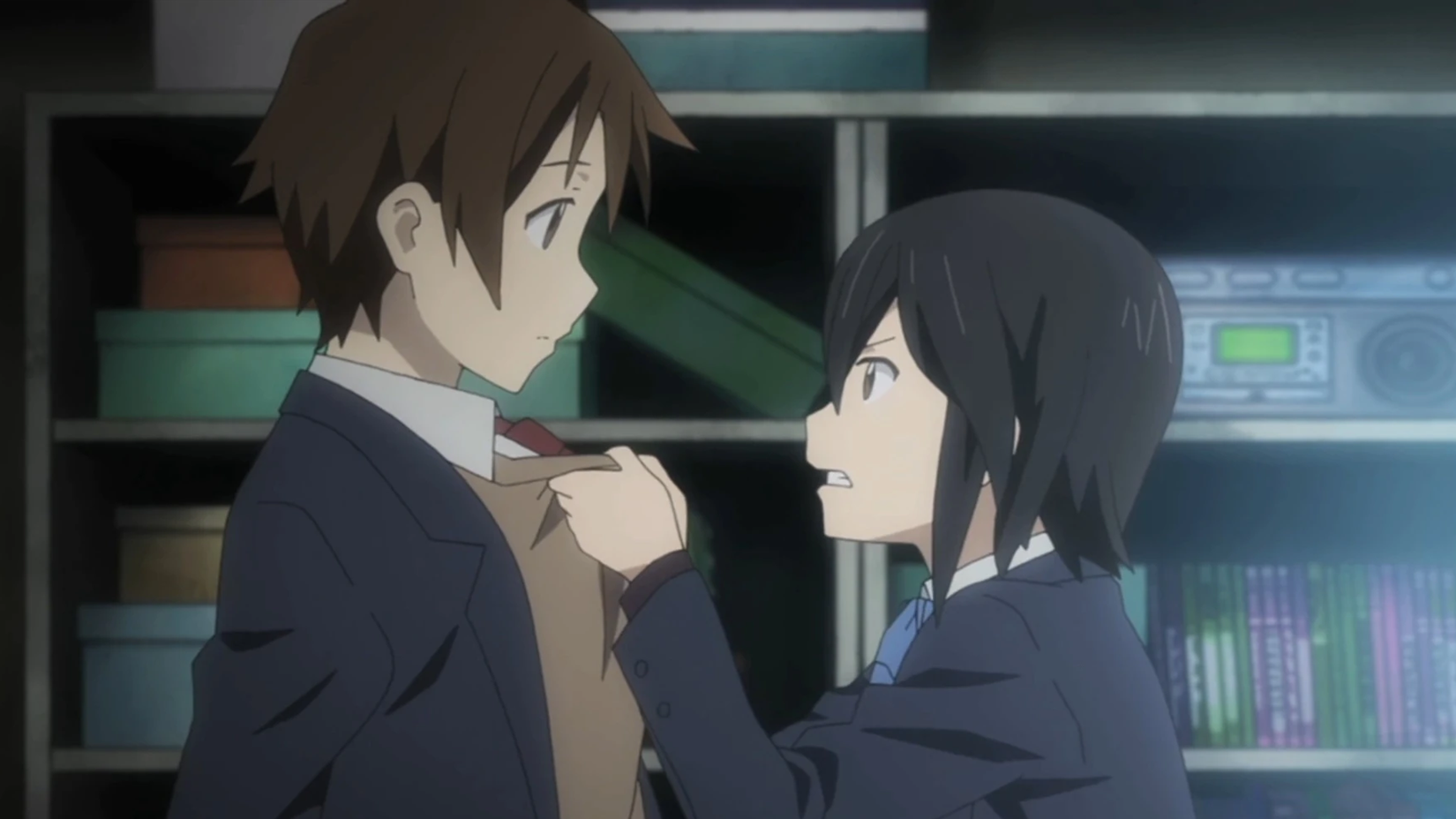
8. Outlaw Star (1998)
- Studio: Sunrise
- The Hook: The gritty, pulpy cousin of Cowboy Bebop.
- Official Context: As a pillar of the original Toonami era, Outlaw Star introduced a generation of Western fans to the "space western" aesthetic. Its blend of high-fantasy magic and gritty sci-fi technology created a unique world-building framework that still feels distinct from its contemporaries.
7. Space Dandy (2014)
- Studio: Bones
- The Hook: An episodic, experimental playground directed by Shinichiro Watanabe.
- Implications: Space Dandy was a bold experiment in international collaboration, airing in the U.S. before Japan. Its refusal to stick to a single art style or narrative tone made it a cult classic that prioritized creativity and surrealism over a linear, easy-to-digest plot.
6. Servant x Service (2013)
- Genre: Workplace Comedy
- The Hook: A grounded, relatable, and sometimes bizarre look at local government life.
- Supporting Data: Created by the author of Working!!, this series captures the specific, dry humor of the Japanese civil service. It is a rare workplace anime that balances the boredom of a 9-to-5 with genuine character growth and the quirks of eccentric coworkers.
5. Mushishi (2005)
- Studio: Artland
- The Hook: An atmospheric, philosophical, and meditative take on supernatural folklore.
- Implications: Mushishi is an anomaly in the industry. It treats the supernatural not as a battleground, but as a facet of nature to be studied. It remains the gold standard for "Iyashikei" (healing) anime, offering a quiet, introspective experience that provides a stark contrast to the high-energy action of modern hits.
4. Welcome to the NHK! (2006)
- Studio: Gonzo
- The Hook: A harrowing, unflinching look at the hikikomori (shut-in) lifestyle.
- Official Context: Dealing with depression, social isolation, and paranoia, Welcome to the NHK! is perhaps more relevant today than at the time of its release. It is a rare psychological drama that dares to make its protagonist deeply flawed and difficult to like, ultimately rewarding the viewer with a profound message about human connection.
3. Kids on the Slope (2012)
- Studio: MAPPA, Tezuka Productions
- The Hook: A vibrant, jazz-fueled coming-of-age story.
- Supporting Data: Directed by Shinichiro Watanabe, the series showcases a meticulous love for music. The jazz sessions are not merely background noise; they are the narrative heartbeat of the show, illustrating the changing social landscape of 1960s Japan through the improvisational language of jazz.
2. Blood Blockade Battlefront (2015)
- Studio: Bones
- The Hook: The ultimate "Rule of Cool" urban fantasy.
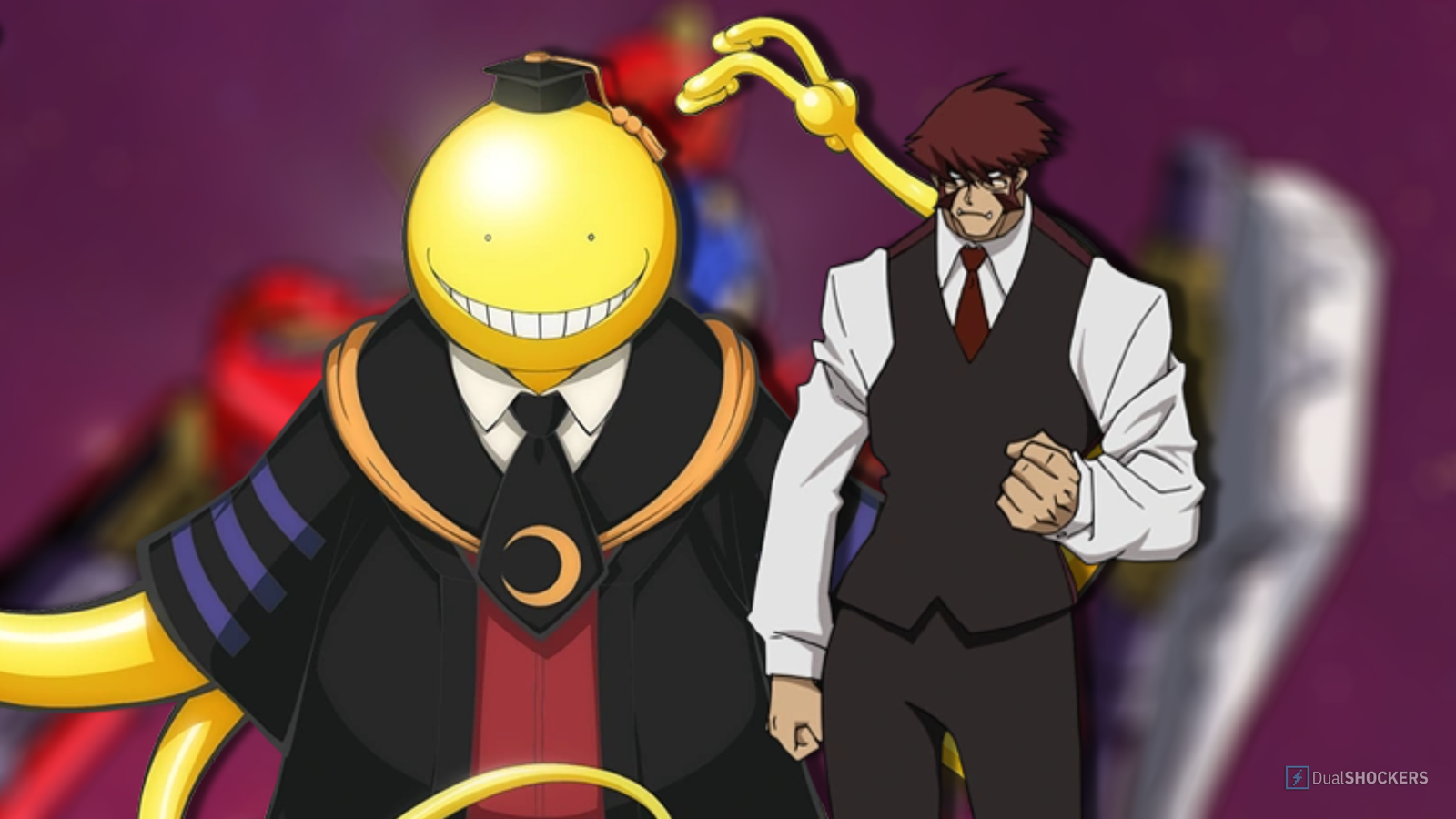
- Implications: Created by Yasuhiro Nightow (Trigun), this series is a visual and auditory feast. It manages to make the chaos of a monster-infested New York City feel lived-in and surprisingly charming. Its strength lies in its ability to balance high-stakes action with the quiet, daily lives of the citizens living in Hellsalem’s Lot.
1. Assassination Classroom (2015)
- Studio: Lerche
- The Hook: The most heartfelt teacher-student dynamic in modern Shonen.
- Official Context: While it achieved significant popularity, it is often overshadowed in retrospect by the "big three" style powerhouses. Assassination Classroom excels because it uses its absurd premise—a class tasked with killing their alien teacher—to build a deeply emotional story about mentorship, academic failure, and the value of every student.
Implications of "Forgotten" Media
The "forgetting" of these series carries broader implications for the industry. When a show is consumed as a seasonal product rather than a piece of art, it loses its potential for long-term cultural impact. Many of these shows offer structural lessons that modern productions ignore—such as the power of the episodic format (Mushishi), the value of contained character studies (Welcome to the NHK!), and the necessity of artistic risk-taking (Space Dandy).
For the viewer, revisiting these titles is an act of curation. By digging into the archives, audiences can diversify their viewing habits, moving beyond the algorithm-driven recommendations of major streaming platforms. These shows have aged remarkably well, not because they rely on flashy production values, but because they are rooted in timeless themes of friendship, loneliness, and the search for purpose.
Conclusion: A Call to Revisit
The cycle of hype is inevitable, but it does not have to be the sole arbiter of quality. The titles listed above remain just as compelling today as they were upon their release. Whether you are looking for the meditative calm of Ginko’s travels in Mushishi, the high-octane weirdness of Blood Blockade Battlefront, or the poignant mentorship found in Assassination Classroom, there is a wealth of depth waiting to be rediscovered.
In a world where we are constantly told to "keep up" with the latest release, perhaps the most radical thing an anime fan can do is look backward, hit play on a show that time forgot, and experience the timeless quality that made these series great in the first place.


 Jia Lissa