Reynand Wu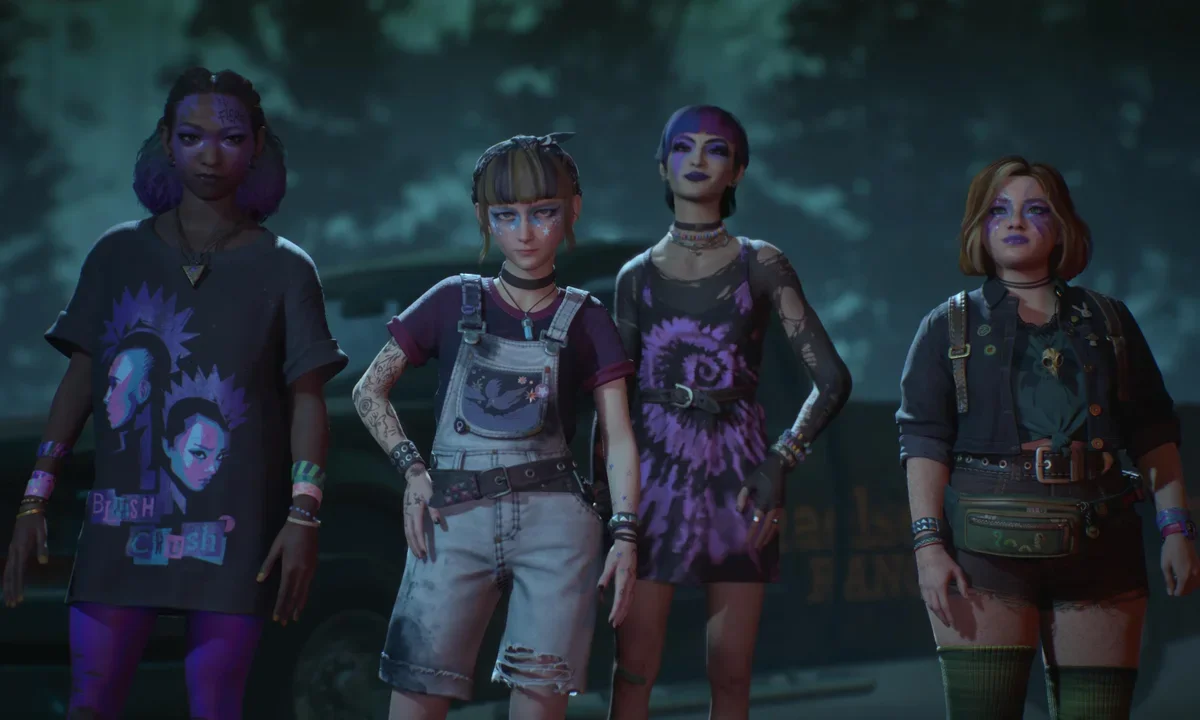
French game developer Don’t Nod, the studio critically acclaimed for its narrative-driven titles, finds itself at a precarious crossroads. A recent audit report has unveiled that the company could exhaust its cash reserves by November 2026, triggering an urgent scramble for capital that has so far proven unsuccessful. As the studio grapples with a tightening market and the cooling of interest from its largest stakeholder, the future of the firm—and its upcoming slate of projects—hangs in the balance.
The Impending Crisis: A Company on the Brink
The revelation of Don’t Nod’s financial fragility stems from an official auditor’s report, which was recently brought to light by industry observers. The document highlights a sobering reality: as of April 13, 2026, the studio held only approximately €8.8 million in cash. Given the high operational costs associated with modern AAA and mid-tier game development, this liquidity is insufficient to sustain the company through the end of the year.
Oskar Guilbert, the chair of the board at Don’t Nod, has been engaged in a multi-month search for emergency funding. Despite his efforts, the company remains without a safety net. The firm, which has historically been a pillar of the French independent development scene, is now forced to confront the reality that its current burn rate is outpacing its incoming revenue.
A Strained Relationship: The Tencent Factor
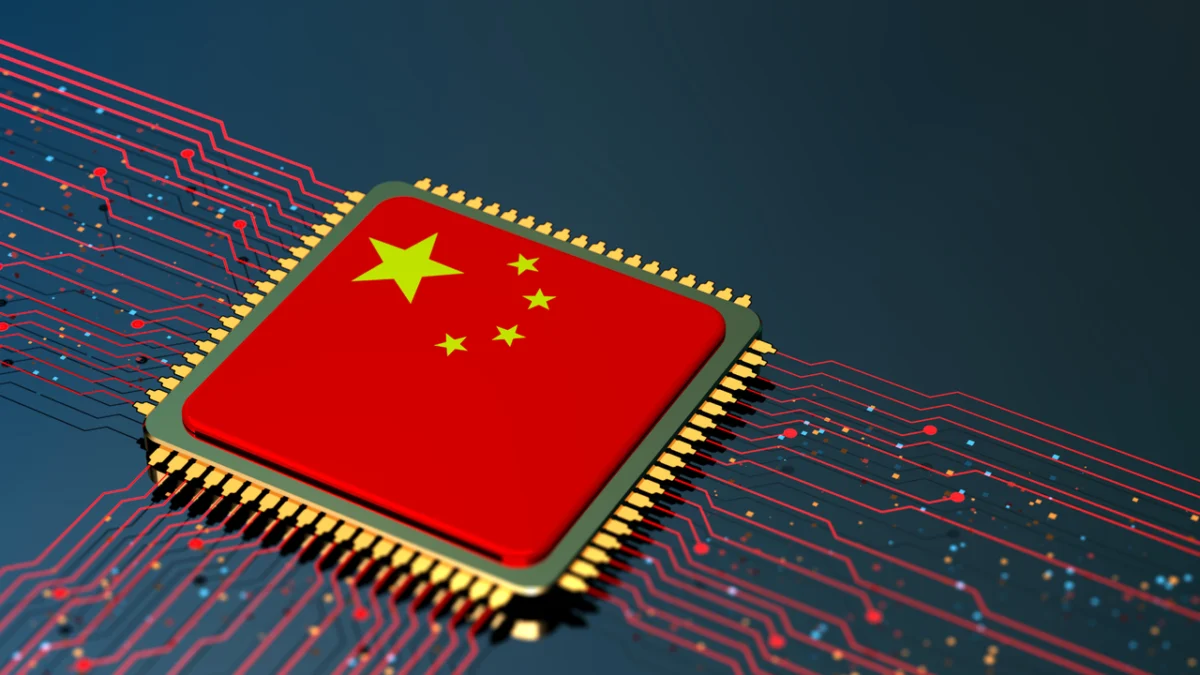
At the heart of the crisis is the evolving relationship between Don’t Nod and Tencent. The Chinese technology giant, which holds a significant 41.9% stake in the company and controls 33.5% of its voting rights as of late 2025, has become a focal point for the studio’s recovery strategy.
Don’t Nod’s leadership specifically approached Tencent for a short-term capital injection to bridge the current funding gap. However, the proposal was met with a lack of interest from the conglomerate. Furthermore, Don’t Nod’s attempts to secure project-specific financing—essentially seeking co-production agreements where Tencent would help underwrite the cost of individual game development—have been rebuffed.
This refusal signals a potential shift in Tencent’s broader investment philosophy. Having spent years aggressively acquiring and funding western studios, the Chinese titan appears to be adopting a more defensive posture, opting to prioritize its internal projects and high-performing assets over propping up struggling partners.
Chronology of a Restructuring
To understand how Don’t Nod reached this inflection point, one must look back at the strategic pivots the company has attempted over the past two years.
- 2024: Strategic Realignment: In an effort to streamline operations, Don’t Nod announced a major restructuring effort. The goal was to focus exclusively on three core pillars: RPGs, narrative adventures, and action-adventure titles. This was intended to reduce complexity and allow the studio to play to its creative strengths.
- 2025: Workforce Reductions: Despite the strategic shift, the market landscape for mid-sized developers proved unforgiving. In 2025, the company was forced to lay off an undisclosed number of employees. This "non-insignificant" reduction in staff was a clear indicator that the studio’s financial health was deteriorating despite its efforts to pivot.
- Early 2026: The Search for Partners: As cash reserves dipped toward the €8.8 million mark, the board intensified discussions with "major industry players." The goal was to secure a partnership by May 2026 to ensure the continuity of its current project pipeline. As of mid-2026, these negotiations have not yielded a tangible deal.
The Weight of the Portfolio
Don’t Nod is not a company lacking in pedigree. Best known for the cultural phenomenon Life is Strange, the studio has consistently produced high-quality, emotionally resonant games. In recent years, they have attempted to diversify their portfolio with new intellectual properties, including Lost Records: Bloom and Rage and Aphelion.
However, the games industry has moved into a period of extreme volatility. Investors are increasingly risk-averse, and the mid-market space—the "AA" tier where Don’t Nod operates—has been hit particularly hard. While narrative-driven games have a dedicated fan base, they are notoriously difficult to monetize at the scale required by modern shareholders who are accustomed to the "live service" model of explosive growth.
Broader Industry Implications: The Cooling of Chinese Investment
The struggles at Don’t Nod are not occurring in a vacuum. They are symptomatic of a broader trend: the retrenchment of Chinese gaming conglomerates from the international stage.
For years, companies like Tencent and NetEase acted as the primary financiers for mid-to-large-sized studios in North America and Europe. This "gold rush" era of investment enabled many studios to expand rapidly. However, that era is effectively over. NetEase, for instance, has been actively divesting from several studios it previously founded or funded, such as Fantastic Pixel Castle.
This withdrawal leaves many independent developers stranded. Without the deep pockets of a conglomerate to act as a backstop, studios like Don’t Nod are finding that traditional venture capital or private equity is far less interested in the long, uncertain development cycles of narrative games. The result is a shrinking ecosystem where only the most "guaranteed" hits receive funding, leaving mid-sized, creatively ambitious firms fighting for survival.
The Path Ahead: What Happens Next?
As November 2026 approaches, the pressure on Oskar Guilbert and his board will intensify. If no external financing is found, the company faces several difficult scenarios:
- Fire Sales of IP: Don’t Nod may be forced to sell the rights to its beloved franchises, such as Life is Strange or its newer IPs, to raise immediate cash.
- Radical Downsizing: If project financing is not secured, the studio may be forced to halt development on non-essential projects, leading to further layoffs and a significant reduction in the company’s size.
- Insolvency Proceedings: In the worst-case scenario, if liquidity runs dry and no investor is willing to gamble on the studio’s future, the company could be forced into a court-supervised restructuring or liquidation.
For the moment, the gaming industry watches with bated breath. GamesIndustry.biz has reached out to both Don’t Nod and Tencent for comment on the matter, but neither party has provided clarity on whether a last-minute deal is on the horizon.
For fans of Don’t Nod’s work, the situation is a sobering reminder of the fragility of the creative economy. Even a studio with a strong brand, a dedicated fan base, and a history of critical success is not immune to the cold, unforgiving mathematics of modern corporate finance. As the calendar edges toward the end of the year, the question is no longer just about the next game release, but about the very survival of one of the industry’s most distinct creative voices.

 Raul Delapena Setiawan
 Asro
Asro