Siti Muinah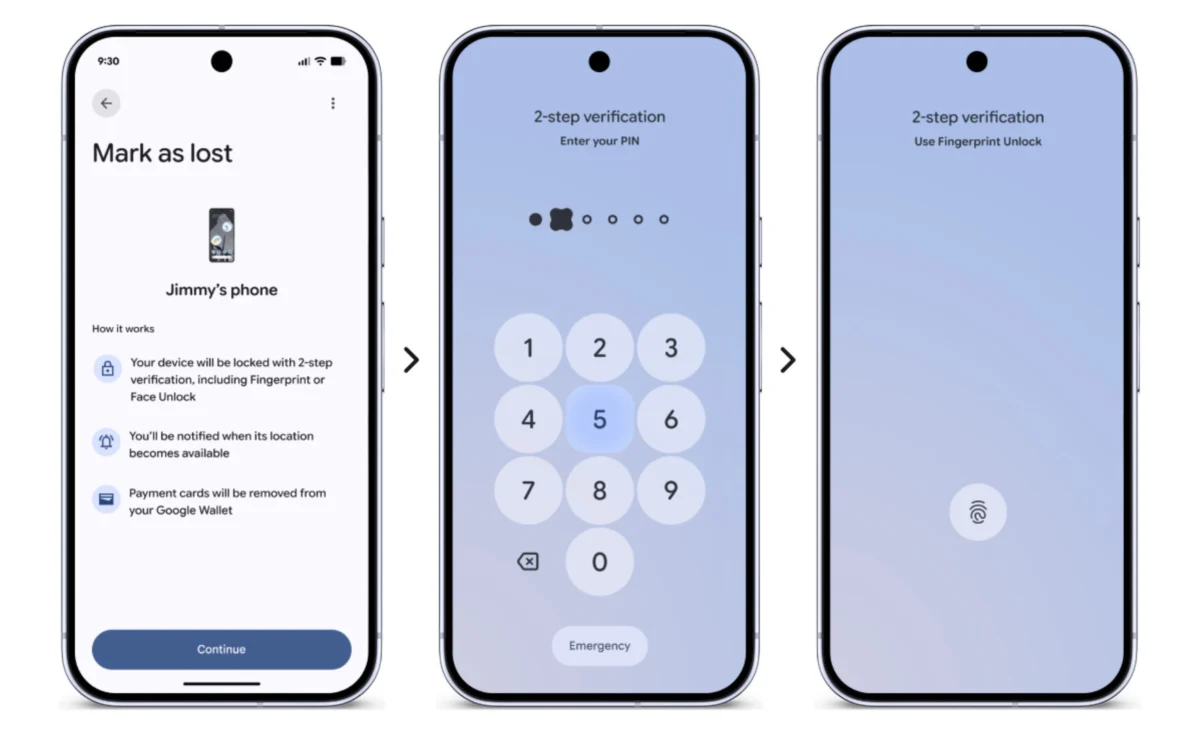
Google has officially commenced the rollout of Android 17, marking a pivotal transition in the evolution of mobile operating systems. Starting with the Pixel 6 and extending to all subsequent flagship devices, this update is far more than a routine version bump. It signals the beginning of Google’s "Gemini Intelligence" vision—an ambitious project that aims to transform the smartphone from a static collection of apps into a proactive, agentic assistant capable of independent decision-making and task execution.
Coinciding with this platform-wide release is a substantial Pixel Feature Drop, which brings immediate enhancements to the Google hardware ecosystem, effectively bridging the gap between current user habits and the future of AI-driven computing.
The Core Facts: Android 17 at a Glance
The release of Android 17 fulfills the promises made during Google I/O earlier this year. As of today, the update is available via an Over-the-Air (OTA) download for users of the Pixel 6, 6 Pro, and newer models.

Key System Advancements:
- Multitasking Bubbles: Users can now transform any application into a compact, floating window. By long-pressing an app icon, the application persists over other active windows, with devices featuring larger displays utilizing a dedicated "Bubble Bar" at the bottom of the screen.
- Enhanced Screen Reactions: Leveraging the selfie camera, users can now record video responses to on-screen content in real-time, integrating the user’s reaction directly into screen recordings and annotated clips.
- Foldable-Specific Gaming: A new 50/50 split-screen mode for foldables allows for an immersive gaming experience, dedicating half the display to the game itself and the other half to a virtual, customizable controller.
- System Optimization: Google has implemented a more efficient memory management system, which the company claims will significantly boost frame rates and reduce jitter across the OS.
Chronology: From Beta 1 to Final Release
The path to Android 17 has been marked by strategic anticipation. When Google first released the Beta 1 iteration in February, it set the tone for a focus on security and hardware-software integration.
- February (Beta 1): The initial public look at Android 17 showcased a refined security architecture and hinted at the "Agentic" OS capabilities that would define the final release.
- May (Developer Previews): Google detailed the underlying infrastructure for Gemini Intelligence, emphasizing privacy-first AI processing.
- Late Summer (Current Release): The stable version arrives alongside the Pixel Feature Drop, ensuring that both software foundations and hardware-specific optimizations are deployed simultaneously.
- Upcoming (Gemini Intelligence): While the framework is present, the full "Agentic" capabilities are slated for a phased rollout to selected devices later this summer.
The Paradigm Shift: Gemini Intelligence as an Agent
Perhaps the most significant aspect of Android 17 is the forthcoming integration of Gemini Intelligence. Unlike traditional chatbots, which function on a request-response loop, a true AI agent acts as a proxy for the user.
What is an "Agentic" Operating System?
An AI agent possesses the agency to:

- Track Goals: Instead of just finding a flight, an agent can manage the booking process, handle calendar invites, and suggest transit options based on real-time traffic.
- Execute Actions: By interacting with system APIs, the agent can navigate through different apps to complete a multi-step task without constant user intervention.
- Contextual Awareness: The agent maintains a persistent understanding of the user’s preferences, information environment, and digital habits.
Google’s vision is to reduce the "app friction" that currently plagues mobile usage. By allowing the OS to act on the user’s behalf, Google hopes to transform the smartphone from a tool you use into a partner that assists.
Security and Privacy: Hardening the Perimeter
With increased intelligence comes the necessity for increased security. Android 17 introduces several critical safeguards designed to protect user data as the OS takes on more autonomous roles.
Enhanced Privacy Protocols:
- Granular Permissions: Apps can now be granted temporary access to location data, and users can selectively share individual contacts rather than granting access to their entire address book.
- The Find Hub: A revamped security center provides centralized control over biometric data and remote device management.
- Threat Detection: Google has deployed a real-time, on-device threat detection system that identifies malicious app behavior and potential phishing attempts before they reach the user.
- Anti-Theft Measures: In response to physical security concerns, the number of allowed PIN attempts has been reduced, and the mandatory waiting period between failed attempts has been significantly extended.
Pixel Feature Drop: Closing the Gap
The current Pixel Feature Drop serves as a showcase for the new OS capabilities while introducing exclusive features for hardware owners.

Key Highlights for Pixel Users:
- Multimodal AI: In the United States, Gemini Omni now supports video editing capabilities. In Europe, users gain access to advanced music composition tools.
- Global Expansion: The "Record Message" feature—which provides real-time text transcripts of incoming voicemails—is expanding to more markets.
- Custom Greetings: Users can now record personalized, AI-enhanced outgoing messages, providing a warmer, more professional experience for callers when the user is unavailable.
- Voice-Based Photo Editing: Available now in the UK, Germany, France, Spain, and Italy, Google Photos allows users to perform complex edits using natural language (e.g., "Remove the glare from this window").
- Emergency Integration: Noteworthy for safety, the Emergency Sharing feature is now integrated directly into the core emergency detection suite, which includes crash, fall, and pulse-loss detection. If an emergency occurs, the phone automatically notifies pre-selected contacts and emergency services.
Implications: The Future of Mobile Computing
The release of Android 17 represents a fundamental shift in how we conceive of a smartphone. For years, mobile operating systems have been "passive," waiting for user input to perform specific tasks. With the integration of Gemini Intelligence, Google is moving toward an "active" model.
Competitive Landscape
This shift puts pressure on competitors like Apple and Samsung to accelerate their own AI-agent development. As Google deepens the integration of its AI directly into the system’s kernel, the barrier to entry for third-party AI assistants becomes significantly higher.
User Experience
For the average user, these changes will likely manifest as a quieter, more efficient device. Instead of jumping between five different apps to organize a dinner reservation, the user might simply tell their device their intent, and the device will navigate the necessary apps to finish the job. However, this level of automation brings significant questions regarding data transparency and control. Google’s commitment to on-device processing and the new, stricter permission settings suggest that the company is keenly aware of the need to earn user trust as it introduces these autonomous features.

A Note on Hardware
The decision to limit the most advanced features to the Pixel 6 and newer emphasizes the role of the Tensor chip in executing these AI tasks. As the requirements for "agentic" capabilities grow, we are likely to see a widening performance gap between flagship devices and mid-range handsets, potentially shortening the expected lifecycle of hardware that lacks dedicated AI processing power.
Conclusion
Android 17 is a milestone. By combining deep-system UI improvements—like the Multitasking Bubbles and the 50/50 gaming mode—with the promise of a proactive AI agent, Google has set a new trajectory for the mobile industry. While the true power of the "Agentic OS" remains to be seen in the coming months, the foundation laid today is clear: the smartphone is evolving, and the age of the intelligent, autonomous device has officially begun.


 Layla Zulfa
 Nana Muazin