Suro Senen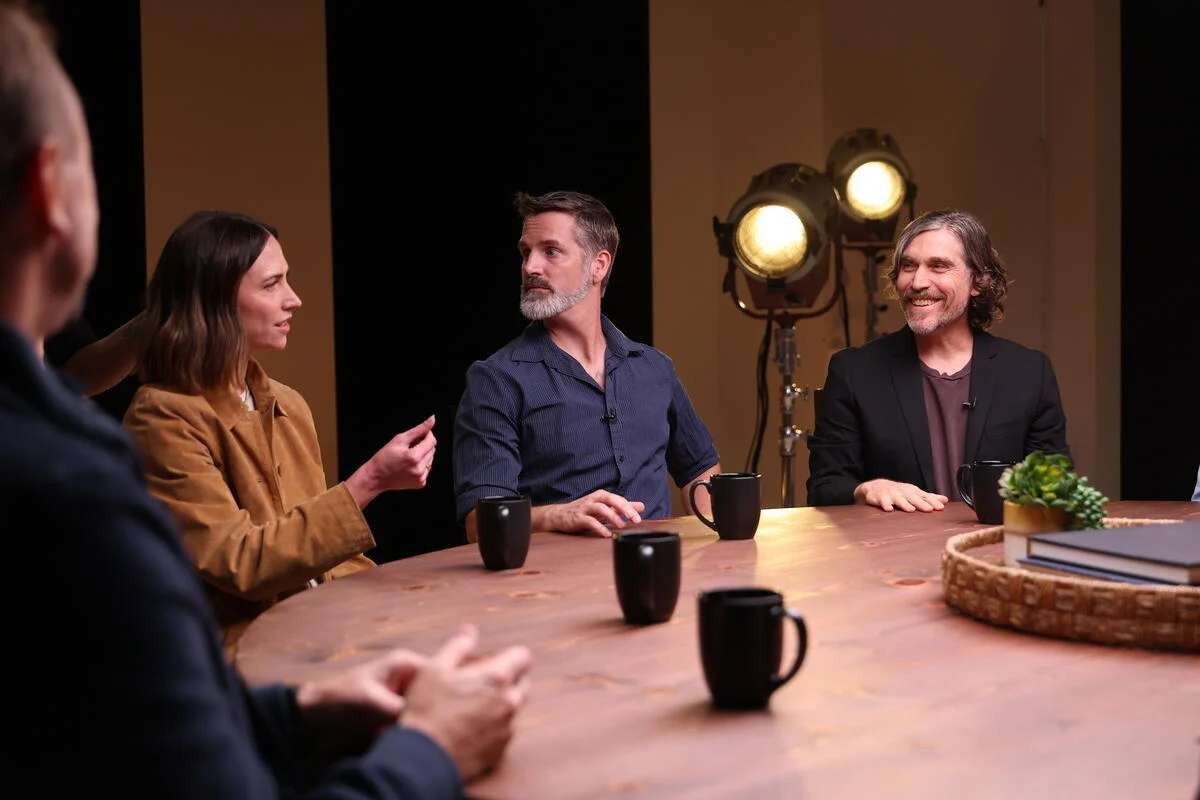
"Editing is the craft that shapes performing, pacing, and storytelling in television," said IndieWire’s Jim Hemphill as he opened the 2026 Craft Roundtables panel dedicated to the art of the cut. "It’s where picture and emotion come together, often in ways that the audience never sees but always feels."
This sentiment served as the North Star for a wide-ranging discussion featuring some of the industry’s most acclaimed editors. The roundtable, which brought together talent behind a diverse array of television programming—from the high-stakes tension of medical dramas to the nuanced, improvised beats of modern comedy—explored the invisible labor that defines the current golden age of television. While their projects vary wildly in tone and genre, the consensus among the panelists was clear: the essence of great storytelling lies in the meticulous, often microscopic decisions made in the edit suite.
The Panelists: A Cross-Section of Modern TV
The 2026 panel featured a cohort of editors responsible for defining the visual language of the year’s most discussed shows. The lineup included:
- Shane Reid: John Candy: I Like Me
- Christian Hoffman: Jury Duty Presents: Company Retreat
- Laura Zempel & Lauren Connelly: Beef
- James Renfroe: Shrinking
- Mark Strand: The Pitt
- Jon Philpot: Hacks
By gathering creators from such disparate projects, the roundtable highlighted how the "language" of editing transcends genre. Whether cutting a documentary about a legendary comedic icon or the sharp, witty dialogue of a hit sitcom, the core mission remains the same: curating the truth of the narrative.
Chronology of the Craft: From Raw Footage to Final Cut
The discussion moved through the lifecycle of a production, beginning with the initial ingestion of footage. For many of the editors, the process begins long before the "final" version is locked. It starts with a philosophy of observation.
For editors like Mark Strand, the early stages of a project are about establishing boundaries. On a series like The Pitt, where the stakes are inherently high, the temptation to lean into melodramatic tropes is constant. Strand noted that the editorial team acts as the show’s primary guardrail. By choosing when to cut away from a character’s reaction or when to hold a shot just a second longer than the script might suggest, the editor dictates the emotional temperature of the scene.
As the discussion progressed, the panelists explored how their role shifts from technician to narrative architect. In the case of Beef, Zempel and Connelly emphasized the importance of collaboration with the show’s creator, Lee Sung Jin. They described the edit as a "living process" where the initial vision is often refined by the rhythm of the actors’ performances. If a performance suggests a darker or lighter tone than what was on the page, the editor has the unique power—and responsibility—to pivot the entire scene’s intent.

The Balancing Act: Avoiding the Melodramatic Trap
A central theme of the panel was the delicate art of tonal balance. In an era where audiences are increasingly savvy, "melodrama" is often viewed as a shortcut to emotional manipulation. The panelists discussed how they actively fight against this by prioritizing grounded, human moments.
Mark Strand’s approach to The Pitt is a masterclass in restraint. "It would be so easy to do [melodrama]," Strand explained. "There are so many shows out there where that’s the bread and butter, and that’s what they’re cashing in on. Trying to ground it in reality, as all these shows do, is of the utmost importance."
For Strand, grounding the show means ensuring that even the most heightened medical emergencies are anchored in the specific, recognizable behaviors of the characters. When the editing feels "too big" or overly stylized, it risks pulling the viewer out of the narrative. By trimming the fat and focusing on the small, granular reactions, the editor maintains the integrity of the show’s realism.
Lauren Connelly echoed this sentiment when discussing Beef. She argued that the secret to avoiding melodrama is humor—even in the darkest of circumstances. "One thing that drew me to Beef was that I love to laugh in the darkest of moments," Connelly said. "For me, when I’m telling a serious story about my own life, I will crack a joke. And I think that’s something that Beef and Sung Jin do incredibly well. That, tonally, keeps it out of melodrama."
Supporting Data: The Impact of Editorial Choices
While the audience rarely sees the "edit," the data confirms that pacing is one of the primary drivers of viewer retention. Industry trends show that modern audiences have lower tolerances for static, poorly paced sequences. The editors discussed the use of "rhythmic editing," where the frequency of cuts is adjusted to match the internal psychological state of the characters.
For a show like Hacks, edited by Jon Philpot, the pacing is dictated by the rapid-fire wit of the dialogue. Here, the "data" is the rhythm of the comedy. If an edit occurs a frame too late, the joke loses its punchline. The precision required for high-end comedy is, in many ways, more demanding than drama because it relies on a measurable audience reaction—the laugh.
Similarly, in Jury Duty Presents: Company Retreat, Christian Hoffman had to navigate the unpredictable nature of improvised comedy. In such shows, the editor acts as the primary writer. Because there is no fixed script, the editor must construct the narrative structure from hours of raw, unscripted interaction, effectively "finding" the story in the chaos.

Implications for the Future of Television
As television continues to evolve, the role of the editor is becoming increasingly central to the prestige of the medium. The panelists agreed that we are moving toward a future where the distinction between "filmmaking" and "television" is effectively obsolete.
The implications of this shift are twofold:
- Elevated Expectations: As editors are given more creative agency, the quality of television storytelling is reaching new heights. The ability to weave complex, non-linear narratives or maintain strict tonal discipline is now a requirement, not a luxury.
- The Rise of the "Auteur Editor": Increasingly, editors are being recognized as primary creative voices. The success of shows like Beef or Shrinking is as much a testament to the editors’ structural decisions as it is to the writing or directing.
Conclusion: The Unseen Force
The IndieWire Craft Roundtables panel served as a vital reminder that while actors and directors often receive the spotlight, the true architecture of television takes place in a dark, quiet room, illuminated only by a monitor.
"It’s where picture and emotion come together," Hemphill concluded, and the testimonies of Reid, Hoffman, Zempel, Connelly, Renfroe, Strand, and Philpot proved it. Whether it is the subtle insertion of a comedic beat in a dark drama or the careful pruning of a scene to maintain realism, these editors are the unsung heroes of the screen.
The full conversation, which offers a rare, deep-dive look into the technical and creative challenges faced by these professionals, is now available for viewing. As the industry continues to push the boundaries of what television can be, one thing remains certain: the editor will continue to be the force that turns raw, scattered footage into the stories that define our culture.
IndieWire’s TV Craft Roundtables are currently streaming on @PBSSoCal, via the PBS App, and are available to watch on IndieWire.com and our social media channels.

 Nana Wu
 Layla Zulfa