


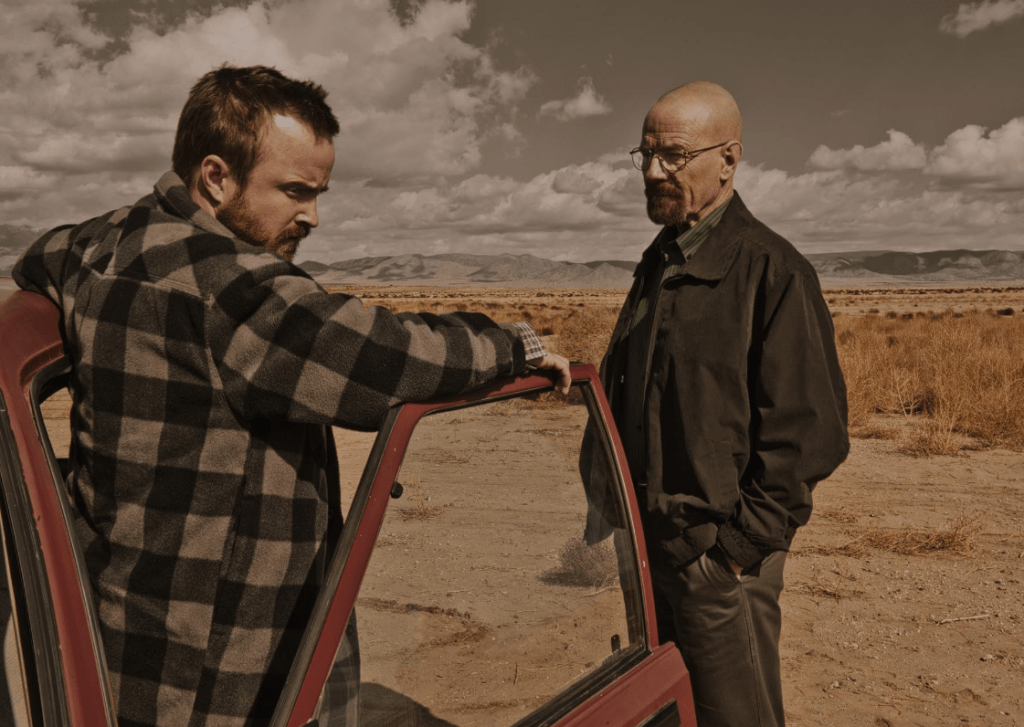
For decades, audiences have sat in darkened theaters or watched streaming services from the comfort of their homes, observing a curious cinematic phenomenon. As soon as the setting shifts to Mexico—or even the American borderlands—the screen undergoes a dramatic transformation. The vibrant colors of reality are stripped away, replaced by a pervasive, dusty, sepia-drenched yellow tint. This visual shorthand, often jokingly referred to by critics and cinephiles as the “Mexico Filter,” has become one of Hollywood’s most persistent and controversial aesthetic tropes.
While filmmakers often defend the technique as a narrative tool for geographic orientation or atmospheric temperature, the repetitive nature of this choice has invited scrutiny. Is it a legitimate stylistic decision, or a lazy, problematic trope that reduces a complex, diverse nation to a singular, sun-bleached caricature of danger and disorder?

The Anatomy of the Myth: Why Yellow?
The justification provided by directors and colorists usually centers on two primary pillars: geography and mood. The theory suggests that by bathing a frame in warm, golden, or amber tones, the audience is subconsciously signaled that the scene takes place in a hot, arid climate.
However, this logic crumbles under basic scrutiny. When films shift between different states within the United States—moving from a temperate New York to the sweltering humidity of Miami or the desert heat of Arizona—they rarely, if ever, apply such heavy-handed, region-specific color grading. Toronto, despite its often-freezing climate, is not routinely subjected to a "Blue Filter" to signal its northern latitude.

The application of the "Mexico Filter" is almost exclusively reserved for depictions of our southern neighbor. It creates a visual boundary that separates the "clean," "cool," and "safe" United States from a "dirty," "dangerous," and "chaotic" Mexico. In doing so, the filter acts as more than just a lighting choice; it functions as an ideological marker, reinforcing stereotypes of the borderlands as a lawless, sun-baked wasteland.
A Chronology of the "Mexico Filter" in Cinema
The saturation of the "Mexico Filter" is not a recent development, but it has certainly become more pronounced in the era of digital intermediate color grading.
The Foundation of the Trope (1990s–2000s)
In the 1990s and early 2000s, action and crime thrillers began to lean heavily into stylized cinematography to distinguish between international settings.
- Clear and Present Danger (1994): While technically dealing with conflict in Colombia, the film set a precedent for using warm, yellow-tinted hues to denote a "hostile" Latin American environment.
- Desperado (1995): Robert Rodriguez, a filmmaker known for his hyper-stylized aesthetic, leaned into a gritty, yellow-tinted look. While this was arguably a deliberate artistic homage to Spaghetti Westerns, it nonetheless codified the "gritty Mexico" aesthetic.
- Traffic (2000): Steven Soderbergh’s Oscar-winning masterpiece is perhaps the most cited example. By using a distinct, high-contrast yellow tint for all sequences set in Mexico, he created a visual dichotomy that separated the "drug war" south of the border from the procedural "cleanliness" of the Ohio-based legal scenes.
The Modern Saturation (2010s–Present)
As digital post-production became more sophisticated, the "Mexico Filter" became even more aggressive.

- Man on Fire (2004): Tony Scott’s frantic, high-energy style utilized extreme color saturation. His version of Mexico was a visceral, fever-dream landscape drenched in heat and instability.
- Sicario (2015): Denis Villeneuve and cinematographer Roger Deakins used a harsh, desaturated yellow to evoke the brutalist, unforgiving nature of the border. While aesthetically stunning, it solidified the link between the desert sun and the inherent danger of the cartel landscape.
- Spectre (2015): Even big-budget franchises like James Bond fell victim to the trope. The opening sequence in Mexico City, despite being a vibrant, colorful celebration of the Day of the Dead, was nonetheless filtered through a heavy, golden-amber lens to distinguish it from the London-based scenes.
Supporting Data and Thematic Trends
The ubiquity of this trope is not limited to a specific genre. It permeates crime dramas, action blockbusters, and even horror films like Saw X. When we analyze the usage of this filter, a pattern emerges:
- Violence and Criminality: The yellow tint is almost exclusively applied to scenes involving cartels, prisons, or law enforcement operations.
- Environmental Determinism: The filter suggests that the environment itself is responsible for the chaos. The "dusty" look implies that the setting is neglected, impoverished, or beyond the reach of "modern" civilization.
- Audience Conditioning: Through consistent exposure, viewers have been trained to assume that a yellow-tinted scene equals a dangerous, foreign environment. This creates a psychological barrier where the audience expects violence the moment the color temperature shifts.
Official Responses and Creative Justification
When pressed, cinematographers and directors rarely admit to bias. Instead, they frame the choice in technical terms. Many argue that they are attempting to convey the "emotional truth" of the location.

"The light in Mexico is different," is a common refrain. While it is true that latitude and atmospheric conditions can alter the quality of light, this argument fails to explain why the same light is never captured in a neutral, cinematic way. Filmmakers like Robert Rodriguez have previously defended their stylized choices as a means of expressing a "pulp" aesthetic, arguing that their work is an intentional exaggeration rather than an attempt at documentary realism.
However, critics argue that "artistic intent" does not exist in a vacuum. When dozens of major studio films over three decades repeat the exact same visual shorthand, the result is a systemic flattening of a culture. As one industry analyst noted, "It’s not just one director’s choice; it’s an industry-wide habit of looking at a complex country and choosing the most convenient, stereotypical lens available."

The Societal Implications: Why Representation Matters
The implications of the "Mexico Filter" go beyond cinematography; they touch upon the power of visual media to shape public perception. By consistently depicting Mexico through a lens of heat, decay, and danger, Hollywood reinforces a "gaze" that alienates the region.
The Erasure of Modernity
The filter ignores the reality of modern Mexico—its bustling metropolises, its diverse climate, its architectural achievements, and its vibrant, everyday life. When the screen is permanently tinted yellow, it is impossible for the audience to see the country as anything other than a "frontier" or a "problem zone."

The "Othering" Effect
Cinema is one of the most powerful tools for fostering empathy. By visually "othering" Mexico, Hollywood creates a subtle, subconscious psychological distance between the viewer and the subject. If a place looks fundamentally different—if it is visually coded as "foreign" or "hostile"—the audience is less likely to engage with the humanity of the people living there. They become props in an action movie rather than people in a functioning society.
A Call for Visual Diversity
In recent years, a new generation of filmmakers, including those from Latin American backgrounds, have begun to challenge these tropes. By utilizing natural lighting, color palettes that reflect the true vibrancy of the country, and focusing on character-driven narratives that don’t rely on "cartel-chic" aesthetics, they are reclaiming the visual identity of the nation.
Conclusion: Turning Down the Saturation
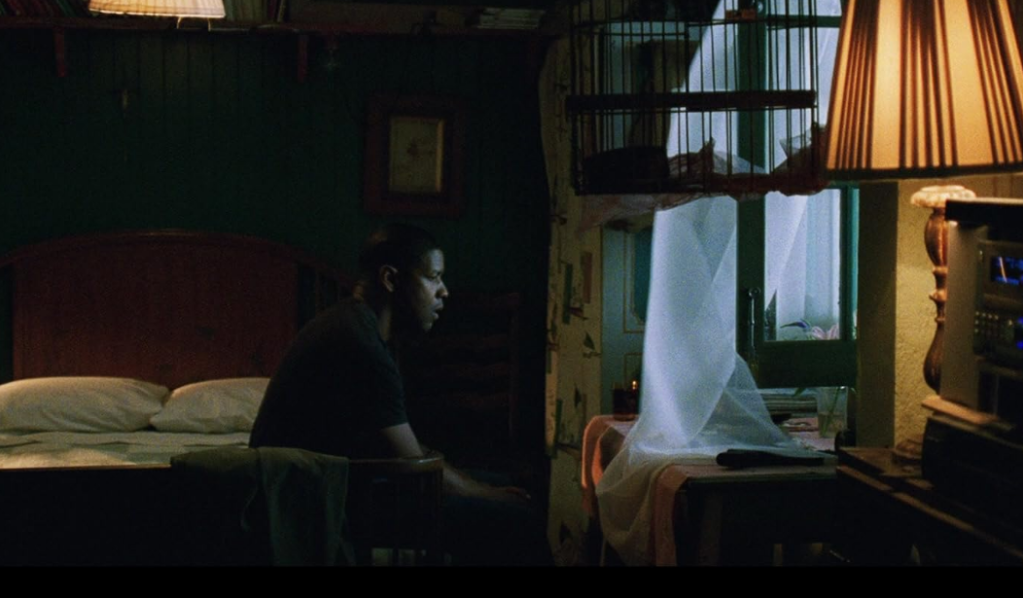
The "Mexico Filter" is a relic of a lazier era of filmmaking. While it may have once served as a crude shorthand to keep audiences oriented in a complex narrative, its continued use in modern cinema is increasingly indefensible. It relies on outdated stereotypes that serve to distort reality and minimize the complexities of a major international neighbor.
As audiences become more media-literate and the demand for authentic, nuanced storytelling grows, the industry must move beyond these tired visual crutches. It is time for Hollywood to stop looking at Mexico through a yellow-tinted lens and start seeing it as it actually is: a multifaceted, vibrant, and essential part of the global community. The era of the "Mexico Filter" should, ideally, be left in the dust—not because the desert is yellow, but because the story is much, much larger than that.











No comments yet. Be the first to join the conversation!