Rifan Muazin
As Aichi Prefecture prepares to welcome the world for the 2026 Asian Games, the historic pottery town of Tokoname is undergoing a quiet but profound culinary transformation. Beyond its famed ceramic legacy, the city is positioning itself as a premier destination for international travelers by prioritizing dietary inclusivity. From vibrant vegan plates to Muslim-friendly dining options, Tokoname is proving that traditional Japanese culture can evolve to embrace a diverse global palate.
The Foundation of Inclusivity: A New Vision for Tokoname
In anticipation of the 2026 Asian Games, local restaurateurs and tourism boards have identified food as the primary bridge for cross-cultural communication. Tokoname, a city historically known for its "Pottery Footpath" and rich fermentation culture, is leveraging its deep-rooted history to cater to modern dietary needs.
The local culinary scene has shifted from a one-size-fits-all approach to a more thoughtful, curated experience. This feature explores how eateries, from renovated traditional houses to airport-side institutions, are redefining what it means to dine in Aichi. By integrating local seasonal produce, plant-based proteins, and strict attention to ingredient sourcing, the city is ensuring that visitors with restricted diets—whether for ethical, religious, or health reasons—can enjoy the full breadth of Japanese hospitality.
Understanding the Categories
To facilitate a seamless travel experience, the city has categorized dining options based on common dietary requirements:
- Vegan-Friendly: Menus strictly free of animal products, including meat, seafood, eggs, dairy, and honey.
- Vegetarian-Friendly: Dishes that exclude meat and seafood, focusing on vegetables and grains.
- Muslim-Friendly: Offerings that strictly avoid pork and alcohol. While these establishments may not hold official Halal certification, they demonstrate transparency regarding kitchen practices and ingredient sourcing to provide peace of mind to Muslim guests.
Note: As practices vary by establishment, travelers are strongly encouraged to contact restaurants in advance to verify specific menu components.

Chronology of the Culinary Shift
The push for a more inclusive Tokoname did not happen overnight. The timeline reflects a strategic, long-term commitment:
- Pre-2024: Tokoname establishes itself as a hub for local, organic, and fermented foods, laying the groundwork for plant-based experimentation.
- 2025: Local businesses begin direct collaboration with tourism authorities to standardize labeling for vegan and Muslim-friendly menu items.
- June 2026: Official launch of the "Inclusive Dining Initiative" across the Chita Peninsula, aimed at accommodating the influx of athletes and fans for the upcoming Asian Games.
- Future Outlook: Continuous integration of upcycled ingredients and farm-to-table practices to align with global sustainability trends.
Case Study: Traditional Houses, Modern Flavors
The heartbeat of Tokoname’s culinary evolution can be found in renovated old houses that double as community hubs.
Traditional Japanese House Space "Imawo"
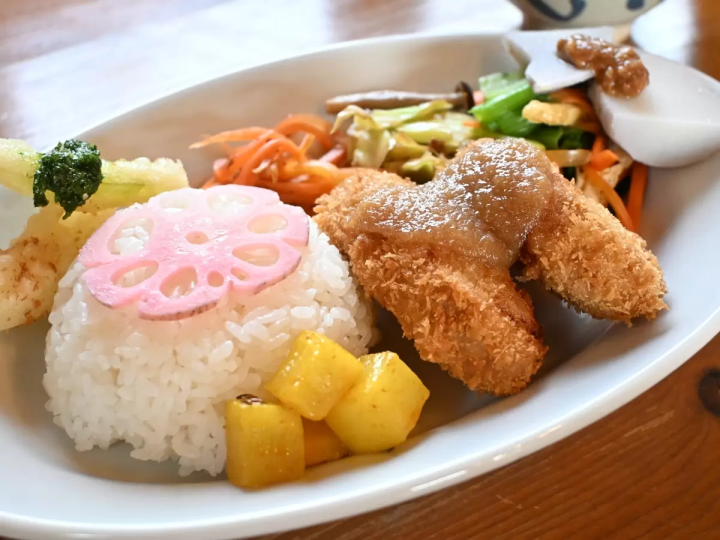
"Imawo" represents the pinnacle of this movement. Located on the Pottery Footpath, it serves as more than just a café; it is a laboratory for sustainable living. By upcycling resources and focusing on animal welfare, the space provides a unique dining experience.
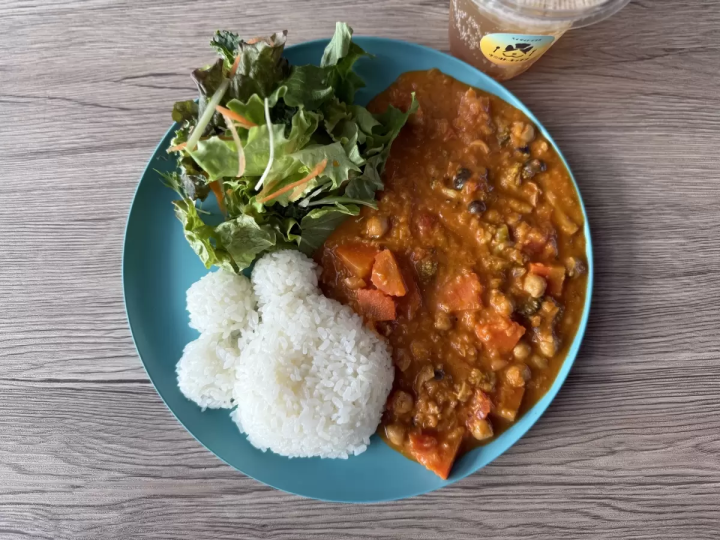
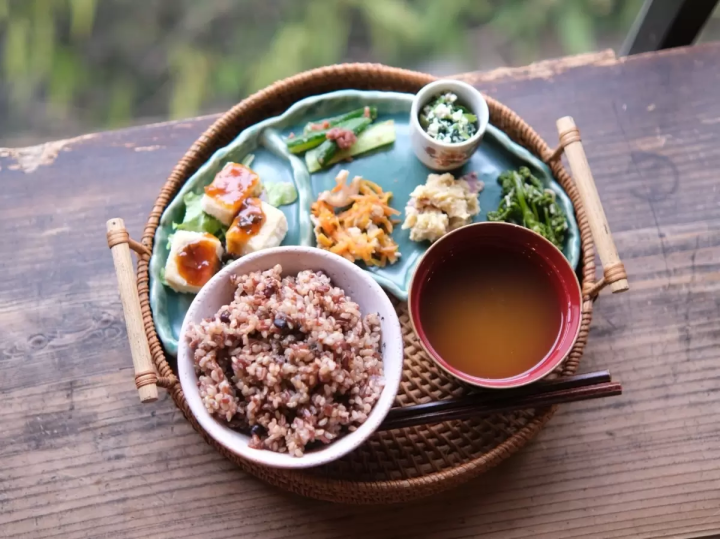
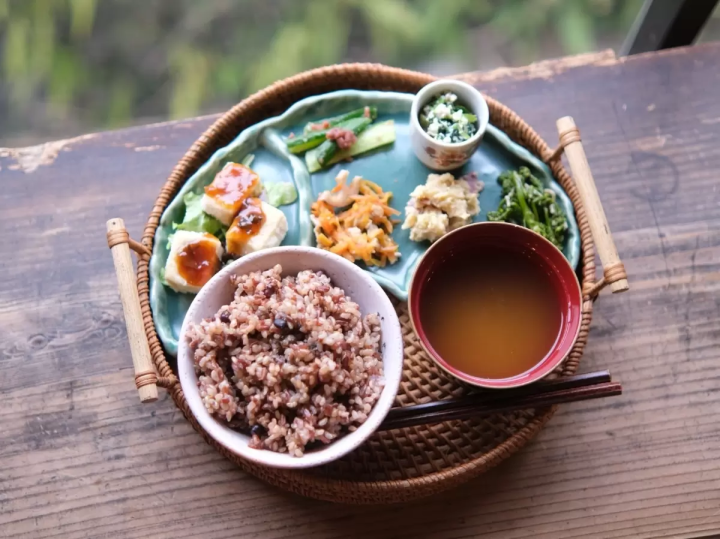
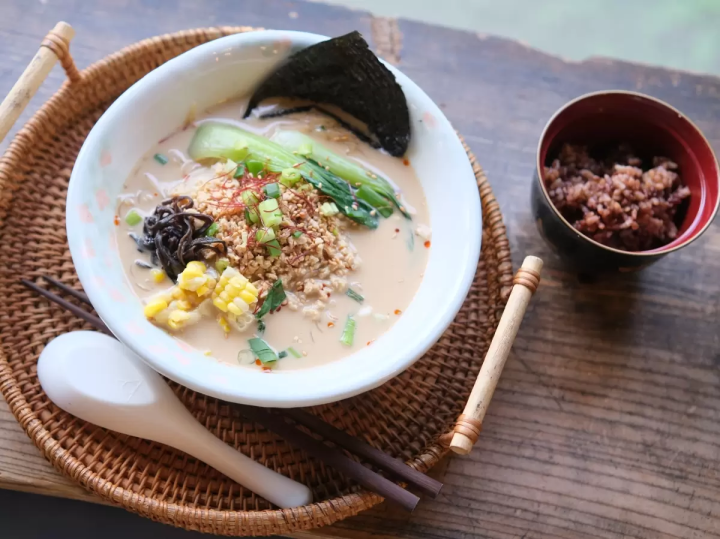
Their "Rotating Vegetable Plate" is a masterclass in plant-based culinary art. Using organic rice from the Chita Peninsula and seasonal vegetables from the nearby "Vegetable Village," the menu changes daily. The signature "Tofu Yurinchi" is a testament to how local fermented condiments—such as soy sauce, tamari, and miso—can elevate plant-based ingredients to mimic the depth of traditional Japanese cuisine.

The Art of Fermentation and Dessert
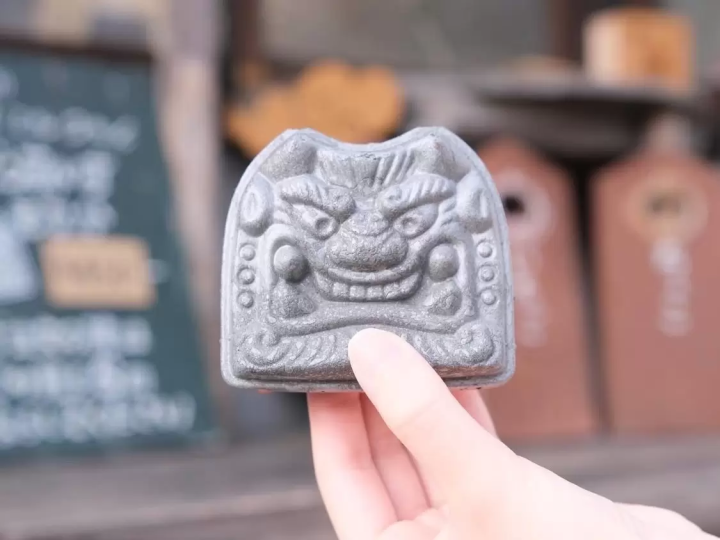
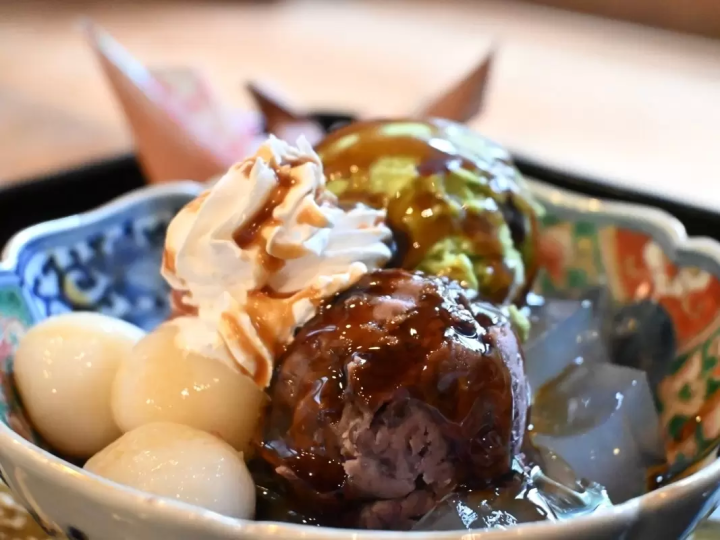
Imawo also challenges the misconception that vegan desserts lack the indulgence of their dairy-based counterparts. Their fermented vegan ice cream, crafted from an amazake (sweet rice wine) base and served in a bamboo charcoal-infused monaka wafer, is designed to be a playful experience for visitors strolling through the pottery district.

Scaling for Growth: The Airport Advantage
As the gateway to the region, Chubu Centrair International Airport has become a vital component of this culinary strategy. The airport management has curated a list of participating restaurants that offer dedicated menus for international travelers, ensuring that the first and last meals in Aichi are accessible to all.
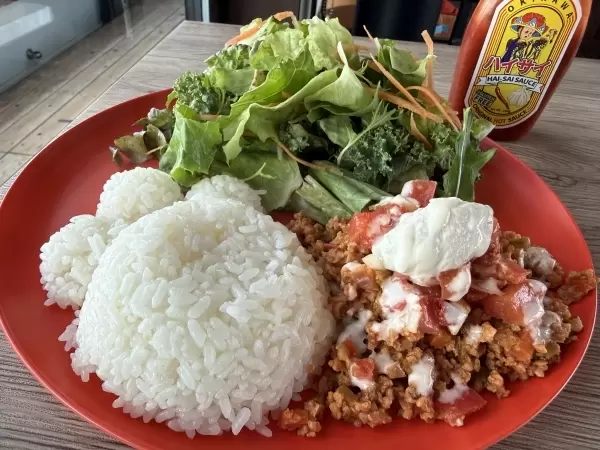
For guests staying at the Chubu Centrair International Airport Hotel, the commitment extends to breakfast. The hotel has introduced a comprehensive vegan breakfast menu that includes plant-based bolognese, pizza, and soy-meat-based dishes like mapo tofu. This ensures that even in the high-paced environment of international travel, comfort and dietary compliance are maintained.
Official Responses and Strategic Implications
The municipal government of Tokoname views these culinary efforts as a fundamental aspect of their "Asian Games Readiness Program." According to local tourism officials, the goal is not merely to "offer a vegan dish," but to "create an atmosphere where everyone can eat at the same table."
"By de-stigmatizing dietary restrictions and presenting them as standard, high-quality options, we are not just accommodating guests—we are inviting them to participate in the local culture," says a spokesperson for the regional hospitality board.

Economic and Cultural Implications
The decision to invest in inclusive dining has several key implications:
- Economic Competitiveness: By lowering the barrier to entry for international tourists, Tokoname creates a unique value proposition that differentiates it from other Japanese cities.
- Sustainability: The focus on local, seasonal produce and fermented ingredients supports local farmers and reduces the carbon footprint of the hospitality industry.
- Social Awareness: Establishments like Imawo use their platforms to educate diners on social issues, such as animal welfare and resource management, turning a simple lunch into a meaningful cultural exchange.
Supporting Data: Diverse Dining Options
The following table summarizes the varied culinary approaches found within the region:
| Establishment | Primary Dietary Focus | Key Features |
|---|---|---|
| Imawo | Vegan / Vegetarian | Fermented seasonings, local Chita rice, upcycled space. |
| Ono Town Kyoya | Vegetarian / Plant-forward | Traditional Taisho-era architecture, locally sourced ingredients. |
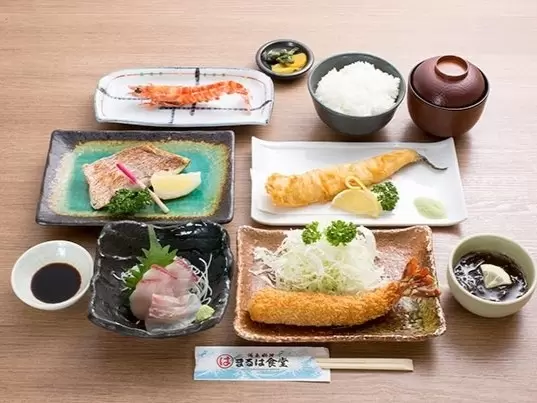
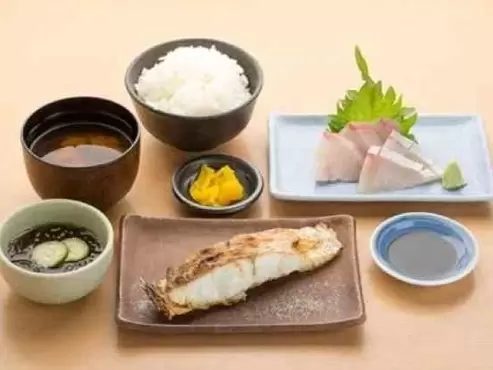
| Maruha Shokudo | Seafood / Traditional | Famous jumbo fried shrimp, fresh sashimi (Traditional focus). |
| Centrair Airport | Diverse / Inclusive | Designated vegan/halal-friendly menus in select terminal outlets. |
Addressing Potential Challenges
While the progress is significant, the industry acknowledges that challenges remain. The primary concern for travelers is the "cross-contamination" issue in traditional Japanese kitchens.
"We want our guests to be safe," explains one restaurant owner. "While we do not use animal products in our vegan dishes, we handle other ingredients in the same space. We provide full transparency to our customers so they can make informed decisions based on their own comfort levels."
This level of honesty is a cornerstone of the Tokoname hospitality standard. It moves away from the rigid, often misleading, "Halal/Vegan-certified" labeling toward a model based on clear communication and mutual trust.
Conclusion: A Model for Future Tourism
As 2026 approaches, Tokoname is setting a high bar for Japanese tourism. By blending the old-world charm of its pottery heritage with a progressive, inclusive approach to food, the city is preparing for a future where diversity is the norm. Whether you are a vegan, a vegetarian, a Muslim, or simply a traveler looking for the finest local ingredients, Tokoname’s table is open.
The message for the upcoming Asian Games is clear: in Tokoname, the beauty of the region is not just in the ceramics you see, but in the shared, inclusive experience of the food you eat. Travelers are encouraged to explore these options, engage with the local staff, and discover a side of Aichi that is as welcoming as it is delicious.


 Neng Nana
 Asro
Asro