Sagoh
Sagoh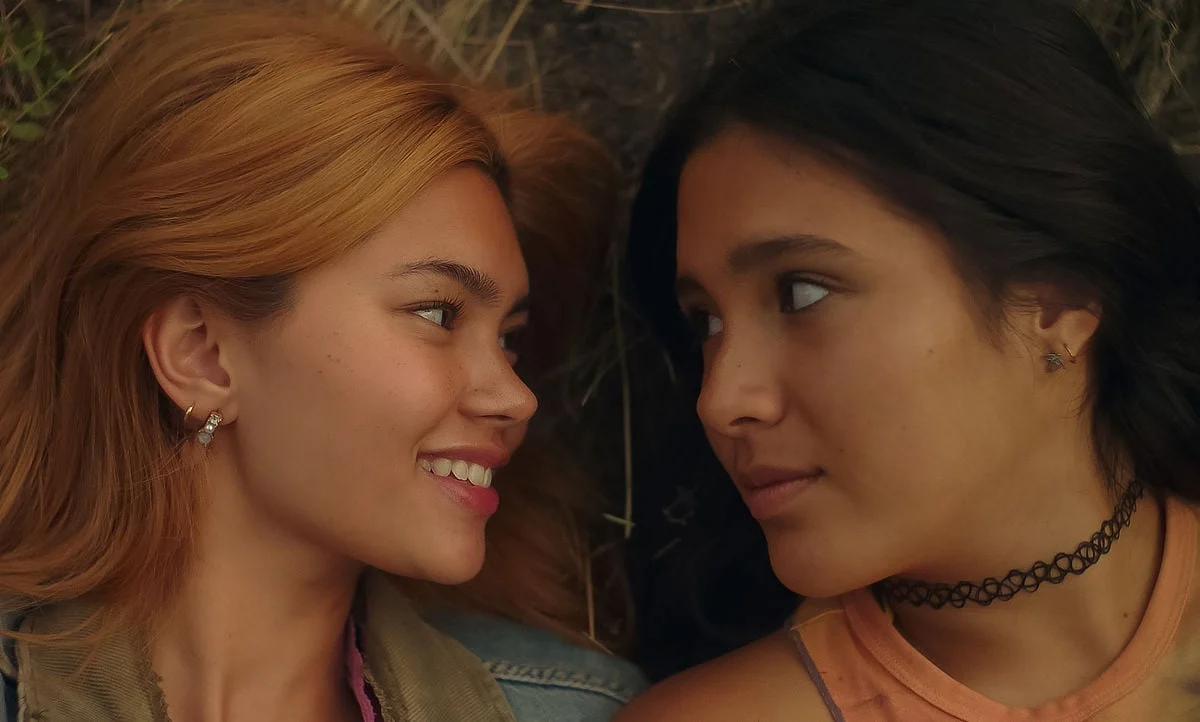
Ten years ago, pop culture witnessed a seismic shift in how queer teenage desire was portrayed on screen. When singer-songwriter Hayley Kiyoko released her breakout single "Girls Like Girls" in 2015, the song—and its accompanying music video—did more than climb the charts; it provided a generation of LGBTQ+ youth with a visual language for their own lived experiences. Now, a decade later, that fleeting five-minute narrative has been meticulously expanded into a feature-length film, marking a triumphant directorial debut for Kiyoko and offering a poignant, sun-drenched meditation on the complexities of first love.
A Decade in the Making: The Creative Chronology
The trajectory of "Girls Like Girls" is a rarity in the entertainment industry. Following the 2015 release of the hyper-catchy anthem—a song that brought the bold, plainly stated lyric "girls like girls like boys do" into the mainstream—Kiyoko found herself at the center of a cultural movement. The original music video, which she co-directed, was celebrated for its empathetic storytelling and artful execution. It resonated so deeply with fans that it catalyzed a creative ripple effect: first, a Young Adult novel that fleshed out the lives of protagonists Coley and Sonya, and finally, the feature film.
The film, released ten years after the song’s debut, serves as an "eon" in pop music terms, yet it arrives with a freshness that feels entirely contemporary. By opting to set the film in the early 2000s, Kiyoko and her co-writers—Chloe Okuno (known for Watcher) and Stefanie Scott (who starred in the original music video)—have created a bridge between generations. The setting, characterized by desktop instant messaging rather than modern texting, serves as a poignant reminder of a pre-smartphone era, grounding the story in a specific type of millennial nostalgia while highlighting how drastically queer visibility has evolved since that time.
Narrative Depth: A Story Beyond the "Coming Out" Trope
At its core, Girls Like Girls resists the traditional trappings of the "coming-out" narrative. Instead, it offers a more nuanced look at the quiet, internal landscapes of adolescence. The film follows 17-year-old Coley (Maya da Costa), who has recently moved to a new town following the death of her mother. She lives with a father she barely knows—played with grounded subtlety by Zach Braff—and navigates the social isolation of a new high school.
Coley is not struggling with her sexuality; she is simply waiting for the right person to share it with. This lack of internal shame is a refreshing departure from standard LGBTQ+ cinema. Her summer unfolds in a haze of "magic-hour" sunlight, beautifully captured by cinematographer Sonja Tsypin, until she meets the outgoing, magnetic Sonya (Myra Molloy).
The chemistry between da Costa and Molloy is the film’s heartbeat. Kiyoko’s direction excels in the small, almost microscopic details of nascent desire: the lending of a jacket, the nervous drafting of an instant message, and the tentative, electric touch of a knee in the back of a car. As the two girls navigate the blurry line between best friendship and romantic longing, the film captures the "dizzy, obsessive ecstasy" of being young and in love.
Supporting Data and Production Context
The film’s success is anchored by the performances of its two leads. Maya da Costa portrays Coley with a depth that balances vulnerability with a surprising, quiet maturity. Conversely, Myra Molloy brings a "compelling, casually volatile" energy to Sonya, a character who is outwardly poised but internally grappling with her own insecurities regarding her sexuality.
Kiyoko’s transition from pop star to director is nothing short of seamless. She demonstrates a keen eye for framing and a sensitive ear for pacing. By collaborating with veterans like Chloe Okuno, Kiyoko ensures the film is not just a vanity project for a musician, but a standalone piece of cinema that could comfortably exist independently of its source material. The production design and the deliberate choice of a 2000s backdrop serve as a "cultural touchstone," allowing older queer audiences—who grew up without the normalizing influence of shows like Heartstopper—to look back at their own formative years with a sense of validation.
Official Responses and Creative Intent
In interviews surrounding the film’s release, Kiyoko has emphasized the importance of storytelling that validates the queer experience without making it solely about trauma. The film, she suggests, is an "open-hearted" exploration of emotional purity. By choosing to revisit the story of Coley and Sonya, she intended to honor the original fans of the song while introducing these characters to a new audience who may not have been aware of the music video’s origins.
The film’s second half, while arguably more conventional than its atmospheric, mood-piece beginning, retains its emotional gravity. Critics have noted that while the "will-they-won’t-they" tension leads to some expected narrative beats, the film remains "moving and rewarding." It is a testament to the fact that the most impactful stories are often the most personal ones, delivered with a sense of sincerity that transcends genre.
Implications: The Legacy of "Girls Like Girls"
The implications of this film extend far beyond the box office. By adapting a decade-old pop song into a full-length feature, Kiyoko has proven that queer narratives are not just "trends" but enduring stories that deserve space to grow.
- Changing Visibility: The film highlights the stark contrast between the isolation felt by many queer teens in the early 2000s and the relative community available to them today. It serves as an artifact for those who remember the "hidden" nature of early 21st-century queer life.
- The "Kiyoko Effect": By successfully helming a feature film, Kiyoko has established herself as a multi-hyphenate artist capable of handling complex character studies. Her ability to translate the "bodily itch" of teenage attraction onto the screen suggests a bright future in filmmaking.
- Generational Bridging: Perhaps the most vital implication is the film’s ability to bridge the gap between Gen Z and Millennials. It offers a space for shared experience, where the feelings of first love—intense, unwieldy, and transformative—are universal, regardless of the era in which they occur.
As the credits roll, accompanied by a new, slowed-down, "blissed-out" version of the original anthem, the viewer is left with a powerful message. The line, "We will be everything that we’d ever need," once a giddy expression of teenage idealism, now takes on a more profound meaning. It is a reflection from a thirty-something artist who has lived through the struggle, survived the uncertainty, and come out the other side to tell a story of hope.
Girls Like Girls is more than just an adaptation; it is a love letter to the awkward, painful, and beautiful process of self-discovery. It reminds us that while the landscape of queer culture may shift, the core of the experience—the yearning, the risk, and the eventual arrival at self-acceptance—remains as constant as a summer sunset. Whether or not you are familiar with the song that started it all, the film stands as a poignant reminder that we are, ultimately, the architects of our own identities.

 Suro Senen
 Raul Delapena Setiawan