Ali Ikhwan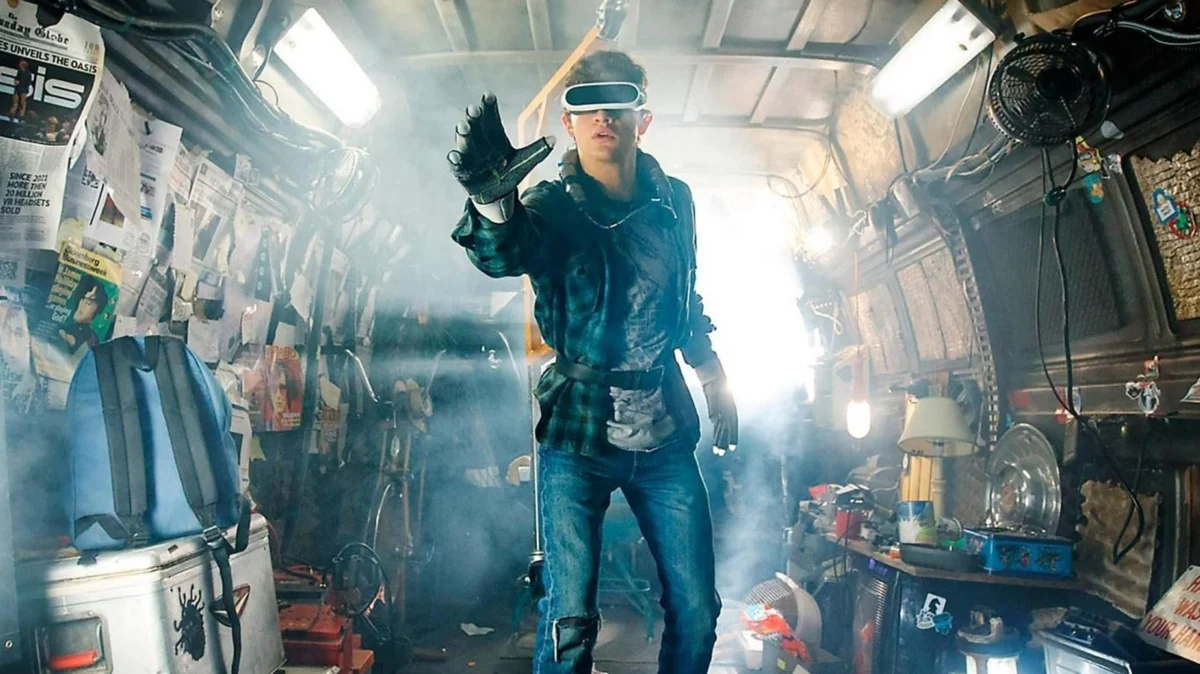
Steven Spielberg is not merely a filmmaker; he is the architect of the modern cinematic experience. From the sun-drenched beaches of Amity Island in Jaws to the sprawling, historical weight of Schindler’s List, his career is a testament to unparalleled versatility. However, beneath the prestige dramas and the swashbuckling adventures lies a consistent, gravity-defying truth: when Spielberg turns his lens toward the future, the stars align at the box office.
As the highest-grossing director in the history of cinema, Spielberg’s financial dominance is not a byproduct of chance, but a result of a five-decade-long dialogue with the science fiction genre. While his filmography spans every conceivable genre, an analysis of his top-performing theatrical releases reveals a singular, inescapable pattern: his biggest commercial successes are almost exclusively rooted in speculative fiction.
The Foundation of a Franchise Architect
To understand Spielberg’s grip on the global imagination, one must look at the data. His six highest-grossing films—the titans that define his commercial legacy—all occupy the sci-fi umbrella. This trend is not a recent phenomenon but a foundational element of his career.
While Jaws (1975) effectively invented the modern summer blockbuster, it was his subsequent pivot into the extraterrestrial and the impossible that solidified his status as an industry juggernaut. From the wonder-filled Close Encounters of the Third Kind (1977) to the high-concept technological caution of A.I. Artificial Intelligence (2001), Spielberg has utilized science fiction as a sandbox to test the limits of visual effects, emotional storytelling, and audience engagement.
A Chronology of Speculative Success
The trajectory of Spielberg’s sci-fi journey is marked by milestones that redefined the medium.
- 1977 – Close Encounters of the Third Kind: Proving that sci-fi could be intimate and philosophical rather than just B-movie exploitation, this film grossed $340 million worldwide. In today’s economy, adjusted for inflation, that figure eclipses $1.8 billion, demonstrating that the appetite for high-concept sci-fi has been ravenous for nearly half a century.
- 1982 – E.T. the Extra-Terrestrial: This film didn’t just perform well; it fundamentally altered the culture. By holding the number one spot at the box office for a record-breaking duration, it became the highest-grossing movie of its time, cementing Spielberg’s ability to weave profound human emotion into the fabric of science fiction.
- 1993 – Jurassic Park: This remains the crown jewel of his theatrical career. It was the first film in his portfolio to cross the $1 billion threshold (bolstered by subsequent re-releases). By pioneering the integration of photorealistic CGI with practical animatronics, Spielberg changed how audiences perceive the "impossible" on screen.
- 2005 – War of the Worlds: Even amidst intense media scrutiny surrounding his lead actor, Tom Cruise, the sheer gravitational pull of the Spielberg brand turned this H.G. Wells adaptation into a global behemoth.
- 2008 – Indiana Jones and the Kingdom of the Crystal Skull: While often polarized by critics and long-time fans, the film serves as a fascinating case study in commercial viability. By introducing extraterrestrial elements into an established adventure franchise, Spielberg leveraged the sci-fi "draw" to secure the film’s position as one of his top three lifetime earners.
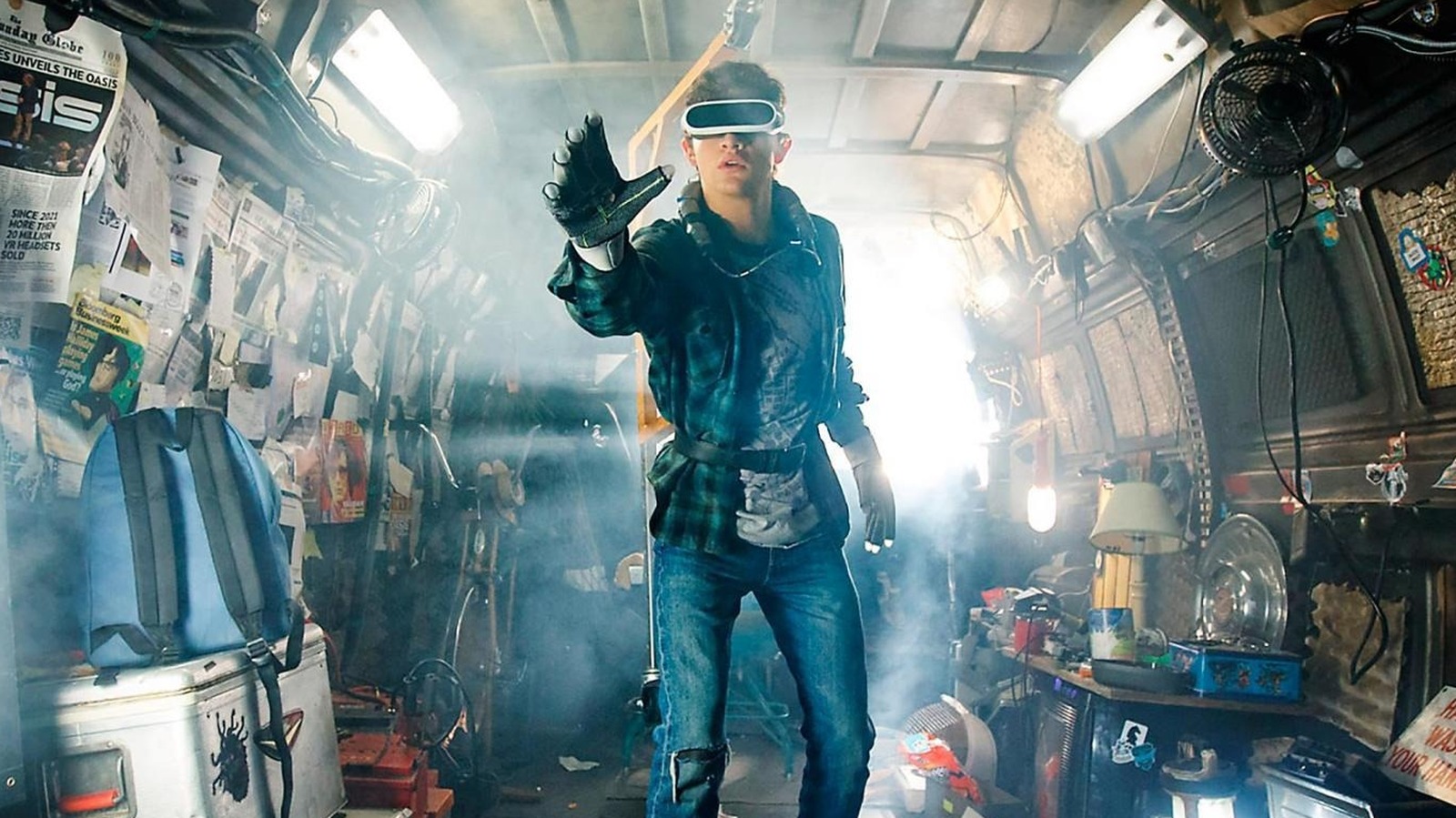
- 2018 – Ready Player One: Proving his relevance in the digital age, this virtual-reality odyssey raked in over $600 million globally, thriving in an era where streaming and on-demand content often cannibalize theatrical attendance.
Supporting Data: The Synergy of Vision and Sound
The mathematical consistency of Spielberg’s success is further amplified by his long-standing collaboration with legendary composer John Williams. Of his top five box office hits, four feature scores by Williams. This creative partnership highlights a crucial element of the "Spielberg Effect": the marriage of visionary sci-fi storytelling with a grand, emotional musical language that makes the fantastic feel tangible.
When we examine the data, we see that science fiction acts as a multiplier for Spielberg’s other strengths. His penchant for "everyman" protagonists (a trope found in Close Encounters and War of the Worlds) provides an anchor for the audience. As viewers, we are not just watching robots or dinosaurs; we are watching a family struggle to survive or a child seeking connection. This emotional grounding is the reason his sci-fi films transcend the niche appeal often associated with the genre.
Official Responses and Industry Context
Industry analysts have long noted that Spielberg’s approach to production—specifically his willingness to innovate with technology—is what keeps his sci-fi films relevant. Unlike many directors who use sci-fi as a vehicle for spectacle alone, Spielberg uses it as a vehicle for inquiry.
"Spielberg’s genius," notes one industry analyst, "is his refusal to let the spectacle overshadow the soul." This is supported by his extensive career as a producer. By shepherding franchises like Jurassic World, Transformers, and Back to the Future, Spielberg has built an empire of intellectual property that relies on the same core principles: high-stakes adventure, technological marvels, and the preservation of human wonder.
While some critics point to A.I. Artificial Intelligence as a rare example of a "lesser" commercial performer, its legacy has grown significantly in the streaming era. Even his "failures" in the genre have a higher artistic and cultural shelf-life than many of his peers’ greatest successes.
The Implications: Why It Matters
The implication of this trend is clear: science fiction is the language in which Steven Spielberg communicates most effectively with the global audience. It allows him to explore the "what if" scenarios that define his curiosity as a filmmaker.
Furthermore, the longevity of these films proves that the public’s desire for high-quality, big-budget science fiction is insatiable. Spielberg’s success is not simply because he makes movies; it is because he understands that the audience craves a mirror to their own existence, even if that mirror is distorted by aliens, time travel, or genetic resurrection.

As we look toward the future of the industry, Spielberg’s reliance on the genre serves as a blueprint for success. He has demonstrated that while trends in cinema shift—moving from practical effects to digital, from theater-only releases to hybrid streaming—the fundamental human desire to look at the stars and wonder remains the most bankable commodity in Hollywood.
Whether he is directing an alien encounter or a journey through a digital metaverse, Spielberg has proven that the genre is not a limitation, but a limitless horizon. For a filmmaker who has spent five decades defining the language of film, science fiction remains the most powerful tool in his lexicon.


 Suro Senen
 Raul Delapena Setiawan