Ali Ikhwan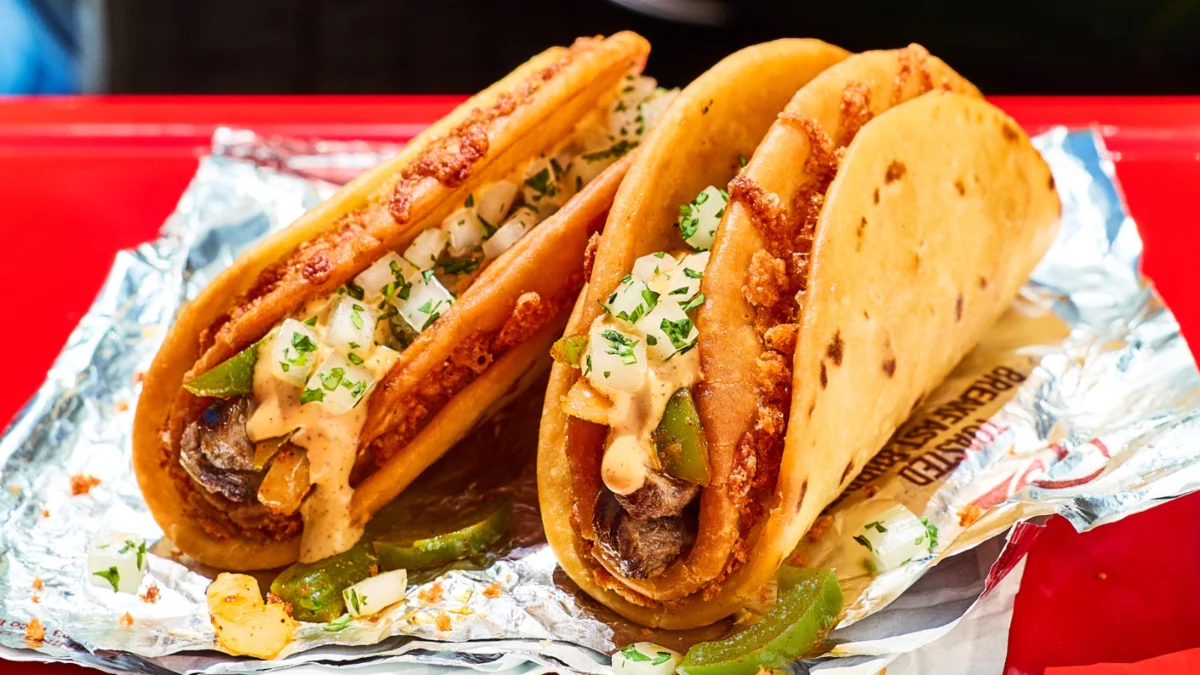
In a move designed to satisfy a decades-long craving among its most loyal fanbase, Taco Bell has officially announced the return of fajita-inspired flavors to its national menu. Beginning June 18, the quick-service giant is rolling out two brand-new, limited-time offerings: the Fajita Street Chalupas and Chicken Fajita Nacho Fries.
This launch represents a strategic evolution for the brand, marking the first time in its history that the signature blend of sautéed peppers and onions has been integrated into these specific, high-demand menu formats. By fusing the nostalgic essence of 1980s-era fajita offerings with modern, fast-casual textures, Taco Bell is positioning itself to capture both the sentimental market and the demographic of younger diners who prioritize bold, complex flavor profiles.
The Core Offering: A Deeper Look at the New Menu
The centerpiece of this rollout, the Fajita Street Chalupas, arrives as a two-pack priced competitively at under $6. These chalupas utilize the chain’s popular "Street Chalupa" shell—noted for its unique, cheese-infused architecture—as a vessel for a robust filling of marinated steak or slow-roasted chicken. The proteins are topped with a vibrant medley of seasoned peppers and onions, a signature Creamy Jalapeño sauce, and a fresh onion-cilantro blend, mirroring the street-style authenticity often found in higher-end taco trucks.
Complementing the chalupas are the Chicken Fajita Nacho Fries. This dish takes the brand’s iconic, spice-dusted fries and transforms them into a loaded entrée. The fries are smothered in slow-roasted chicken, the new fajita-blend peppers and onions, nacho cheese sauce, reduced-fat sour cream, and the Creamy Jalapeño sauce. The result is a high-calorie, high-flavor experience that emphasizes the "comfort food" aspect of Taco Bell’s marketing strategy.
A Chronology of Flavor: From the 80s to Today
To understand the significance of this launch, one must look at the historical trajectory of the Taco Bell menu. In the 1980s, the chain experimented with fajita-themed offerings that laid the groundwork for its current identity. While those early iterations focused on traditional flour tortilla wraps, the current evolution reflects a shift toward the "craveable" formats that define the modern Taco Bell experience.
- 1980s – 1990s: Taco Bell introduces the "Fajita Pita," a staple of the era that solidified the brand’s association with bell peppers and onions.
- Early 2000s: The menu shifts focus toward the Cantina and Burrito-heavy models, eventually phasing out the specific fajita line as consumer preferences leaned toward customization and speed.
- 2020 – 2023: Through the Taco Bell Rewards app and social media listening, the company identifies a recurring request from fans to "bring back the fajita flavor."
- June 2024: The company finalizes the integration of peppers and onions into the Street Chalupa and Nacho Fry product lines, marking a major milestone in menu R&D.
The decision to reintroduce these elements was not made in a vacuum. It was the result of extensive data analytics, where the brand observed that mentions of "fajitas" remained high in social media sentiment analysis, even years after the original items were retired.
Supporting Data: Why Fajitas Matter to Modern Fast Food
The modern quick-service restaurant (QSR) landscape is driven by "flavor-forward" innovation. According to industry analysis, consumers are increasingly seeking vegetable-forward components in their fast food, provided they are seasoned aggressively. The inclusion of peppers and onions serves two purposes: it adds nutritional variety and satisfies the demand for a "fresh-cooked" sensory experience without the actual live-fire cooking process.
The pricing strategy for these items—keeping the Street Chalupas under the $6 price point—is a calculated move to combat "menu fatigue" and inflation-driven price sensitivity. By offering a high-value, high-flavor item, Taco Bell aims to incentivize daily traffic during the summer months.
Market research indicates that "limited-time offers" (LTOs) are the primary driver of foot traffic for major QSR chains. By positioning the Fajita line as an LTO, Taco Bell creates a "fear of missing out" (FOMO) dynamic. This is further bolstered by the partnership with boutique jewelry brand Ian Charms, which elevates the menu launch from a simple food release to a lifestyle event.
Official Perspectives: The Strategy Behind the Sizzle
In a statement regarding the launch, Luis Restrepo, Chief Marketing Officer at Taco Bell, highlighted the importance of translating the "fajita experience" for the modern consumer.
"Fajitas have a way of making an impression, and we wanted to bring that same excitement and unmistakable flavor to the menu in a way fans can experience wherever they are," Restrepo stated. "To us, it’s all about centering the savory peppers and onions that make fajitas so iconic and bringing that flavor to formats fans already love, so they get everything they crave without the sizzling spectacle."
This sentiment underscores a broader trend in the industry: "deconstruction." Rather than forcing the customer to order a traditional, hot-plate fajita set, the brand is deconstructing the flavor profile and applying it to existing, proven platforms like Nacho Fries and Chalupas. This reduces friction in the kitchen and allows for faster service times, a critical KPI for Taco Bell.
The Lifestyle Integration: Taco Bell x Ian Charms
Perhaps the most unconventional aspect of this campaign is the collaboration with Ian Charms. On June 23, at 2:00 p.m. PT, Taco Bell will drop a limited-edition necklace featuring charms that represent the chain’s brand identity: Street Chalupas, iconic hot sauce packets, Baja Blast cups, the bell logo, and the newly added peppers and onions.
This is not merely a piece of jewelry; it is a branding play aimed at the Gen Z demographic. By integrating the brand into the "charm necklace" trend currently dominating social media fashion, Taco Bell is reinforcing its position as a cultural icon rather than just a restaurant. Only 300 Taco Bell Rewards members will have the opportunity to claim the accessory via the app, creating an exclusive tier of engagement that incentivizes app downloads and long-term customer loyalty.
Implications for the Future of the Brand
The success of this launch could signal a permanent shift in how Taco Bell handles seasonal menu rotations. If the Fajita Street Chalupas and Nacho Fries perform well, the brand may look to expand the "Fajita" category into other items, such as the Crunchwrap Supreme or the Power Menu Bowls.
Furthermore, the focus on "slow-roasted chicken" as a primary protein across both items suggests that Taco Bell is continuing its move toward higher-quality protein sourcing. As consumers become more discerning about the origins and preparation of their food, the brand must ensure that even its "fast food" feels like a culinary choice.
Operational Challenges
The inclusion of fresh peppers and onions presents unique operational challenges. Unlike dry spices or processed cheeses, fresh produce requires strict inventory management and consistent prep cycles to maintain quality. The company’s ability to scale this across thousands of nationwide locations will be the true test of the campaign’s viability. If the produce quality remains consistent, it could pave the way for a more vegetable-rich menu in the future.
Economic Impact
From a financial perspective, the $6 price point for the chalupas is a delicate balance. It must be high enough to cover the labor-intensive preparation of fresh peppers and onions while remaining low enough to be considered an "impulse buy." Should the item prove to be a high-margin success, it will likely become a permanent fixture, potentially replacing lower-performing items in the current rotation.
Conclusion: A Strategic Pivot
Taco Bell’s revival of fajita flavors is more than just a nostalgic nod to the 1980s; it is a sophisticated, data-backed strategy designed to reinvigorate the menu while tapping into contemporary cultural trends. By leveraging the power of their rewards app, high-profile fashion collaborations, and a deep understanding of their customer base’s cravings, the company is demonstrating that it remains at the forefront of QSR innovation.
As the limited-time items hit the shelves this week, the industry will be watching closely. Whether this becomes a short-lived summer trend or a foundational pillar for future menu development, the "sizzle" of the fajita is undoubtedly back at Taco Bell—and it is likely here to make a lasting impression.


 Lina Irawan
 Layla Zulfa