Raul Delapena Setiawan
In the modern era of hyper-curated digital identities, brands spend millions of dollars and countless hours in focus groups attempting to engineer an image of perfection. They seek to define themselves through carefully crafted mission statements, pristine aesthetics, and aggressive reputation management. Yet, some of the most resonant "brand" successes in recent years have come from an entirely different strategy: leaning into the absurdity of being misunderstood.
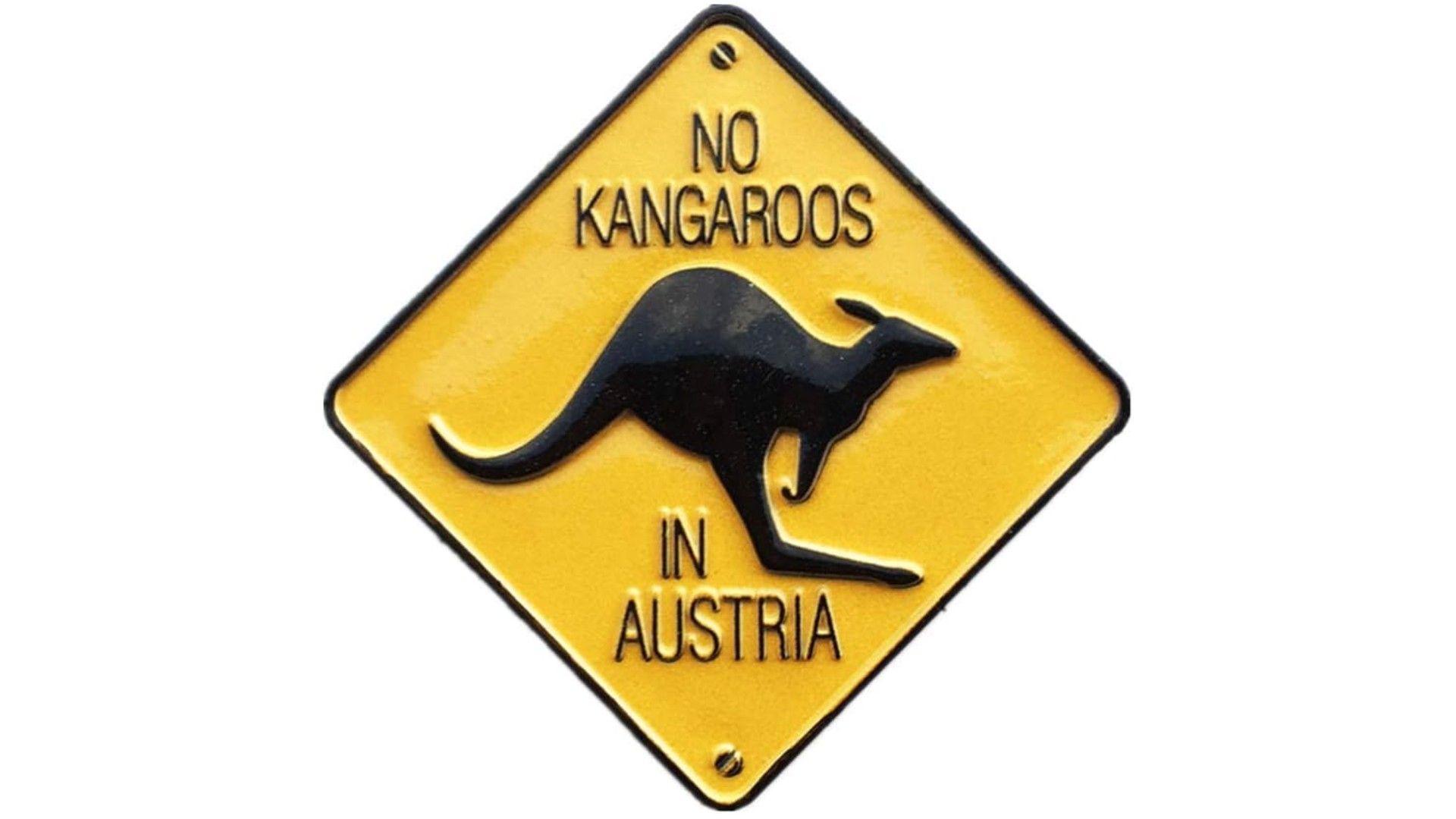
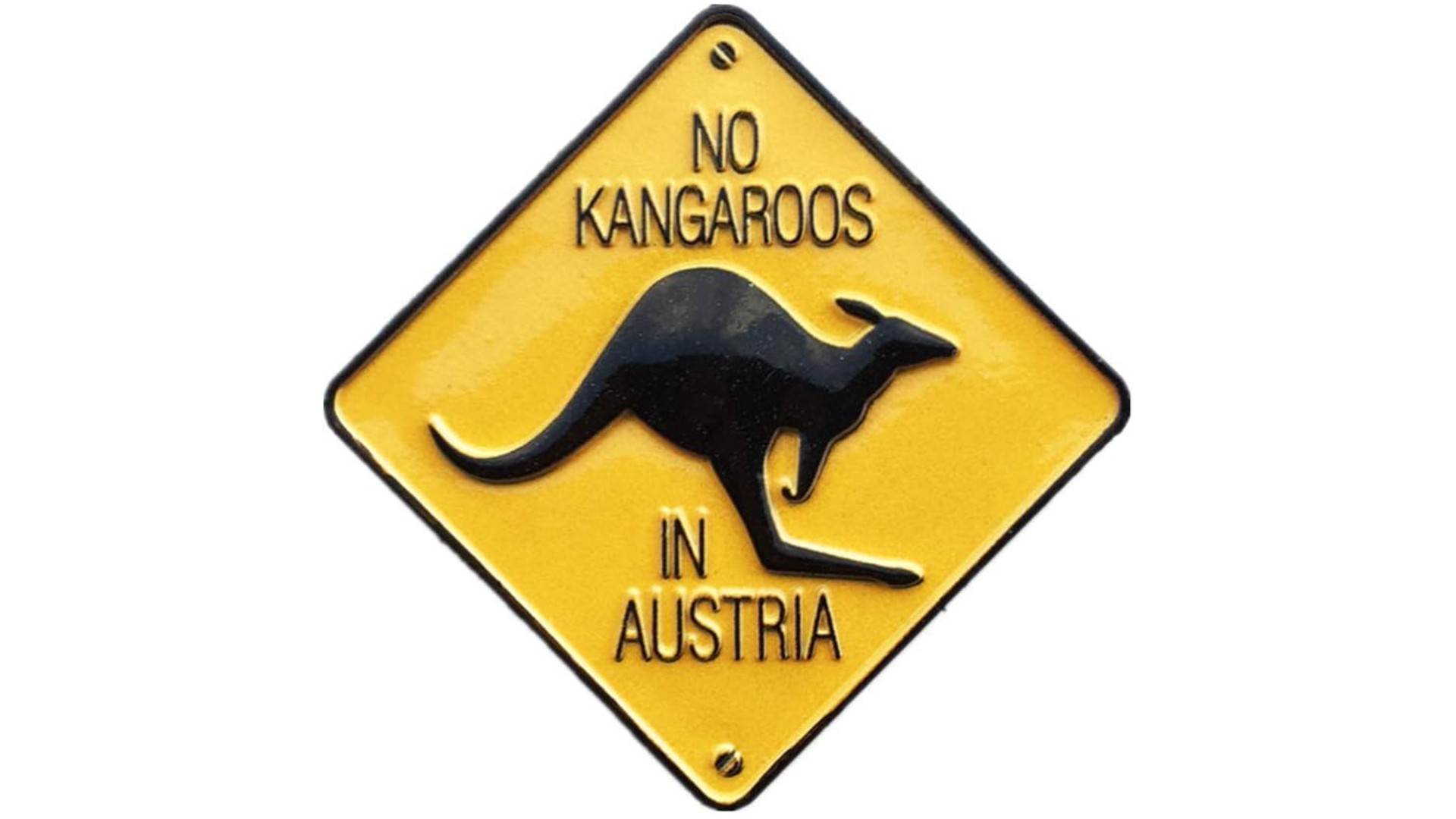
From the iconic "No Kangaroos in Austria" fridge magnets to Vilnius’s bold "G-spot of Europe" campaign, a growing number of destinations are discovering that the most effective way to capture global attention is to stop fighting their public misconceptions and start owning them.
The Anatomy of the Misconception
The phenomenon begins with a fundamental gap between how a nation perceives itself and how the outside world perceives it. The Austria-Australia confusion is perhaps the most famous example. It is a persistent, low-level geographical error that has plagued travelers for decades. Rather than launching dry, expensive "Actually, We Are in Central Europe" awareness campaigns, Austrian entrepreneurs took a more pragmatic approach.
By mass-producing "No Kangaroos in Austria" merchandise, they transformed a source of national frustration into a humorous, self-aware commodity. This strategy works because it effectively breaks the "fourth wall" of tourism marketing. It acknowledges the visitor’s ignorance, laughs with them, and welcomes them into the inside track of the joke. This is no longer just a souvenir; it is a signal of belonging—a badge of honor for the tourist who knows the difference.
A Chronology of Strategic Self-Deprecation
The evolution of "owning the joke" has shifted from accidental discovery to calculated marketing strategy over the last two decades.
- Pre-2000s: The Era of Passive Acceptance. For most of the 20th century, nations treated geographical confusion as a nuisance to be corrected via brochures and formal diplomatic statements.
- 2008: The Rise of the "Panama Hat" Realization. The Panama hat industry serves as a historical case study in accidental branding. Despite the hats being an Ecuadorian craft, the global association with Panama—based on 19th-century shipping logistics—was so cemented that Ecuador largely failed to claim the narrative, allowing Panama to monopolize the prestige.
- 2018: The Vilnius Watershed Moment. The Lithuanian capital changed the game with its "G-spot of Europe" campaign. By comparing its relative obscurity to a physical sensation that "nobody knows where it is, but it’s amazing when you find it," Vilnius moved away from traditional heritage marketing and into the realm of viral, edgy, and highly effective digital storytelling.
- 2024-2025: Global Recognition. By the time the "No Kangaroos in Austria" joke was featured as a central skit at the Eurovision Song Contest, the strategy had fully entered the mainstream. It was no longer a niche gift shop trend; it was a recognized pillar of national identity.
The Data Behind the Charm
While it is easy to dismiss these campaigns as mere humor, the data suggests they provide a significant return on investment. Tourism boards operating in "invisible" or "confused" regions have found that self-deprecation drives higher engagement metrics on social media compared to traditional, visually-driven advertisements.
For instance, Tourism New Zealand’s "#GetNewZealandOnTheMap" campaign, launched in response to the country being omitted from world maps at high-profile events like the Paris Olympics, saw a massive spike in global search volume. By focusing on the "insult" as the hook, the campaign achieved a reach that would have required a multi-million dollar traditional ad buy to replicate.
The mechanism at play is the "Authenticity Dividend." Consumers, particularly Gen Z and Millennials, are highly skeptical of corporate or state-sponsored perfection. When a nation admits to a flaw or a silly misconception, it triggers a psychological response: trust. If a country is confident enough to make fun of its own geographical confusion, it is perceived as more approachable, more human, and ultimately, more worth visiting.
Official Responses and Diplomatic Paradoxes
The approach to these misconceptions varies significantly at the governmental level. In some cases, diplomatic staff are forced to maintain a sense of humor to keep the peace. The oft-cited story of the Austrian and Australian embassies exchanging misdirected mail is a perfect example of a "truth-adjacent" narrative that benefits both parties. It frames the confusion as a quaint, humanizing connection rather than a failure of geography.
However, not all nations are equally adept at this. There is a fine line between "charming self-awareness" and "tacky branding." The success of these campaigns depends entirely on the degree of autonomy given to the creative teams behind them. When tourism boards allow for genuine, biting wit—as seen in the Vilnius example—they succeed. When they attempt to force "edginess" that feels disconnected from the local culture, they risk becoming a meme for the wrong reasons.
Implications for Global Branding
The success of these unconventional strategies has profound implications for how entities—not just nations, but corporations—should view their public image.
1. Transparency as a Competitive Advantage
The traditional model of brand management relies on controlling the narrative. The "Austria/Vilnius" model suggests that in a post-truth, hyper-connected world, you cannot control the narrative. You can only influence your reaction to it. Brands that ignore the "elephant in the room" are viewed as out of touch; brands that point at the elephant and make a joke about it are viewed as leaders.
2. The Power of "In-Group" Knowledge
By acknowledging that the audience knows the "truth" (e.g., that Austria is not Australia), the brand creates an immediate bond with the consumer. It validates the consumer’s intelligence. This transforms the consumer from a passive recipient of information into an active participant in a shared cultural moment.
3. Resilience Against Invisibility
For smaller nations or lesser-known brands, the greatest threat is not being disliked—it is not being noticed at all. By turning a lack of awareness into a creative hook, these entities ensure they remain part of the global conversation. As seen with New Zealand, even a perceived "slight" can be repurposed as a massive marketing opportunity if the response is clever enough.
The Future: Who is Next?
If the formula is to find the misconception, lean into it, and monetize the self-awareness, several nations are currently sitting on untapped "comic gold."

Canada, for example, is consistently defined by its proximity to the United States. A campaign that centers on the "Polite Alternative" could solidify its identity in a way that years of "True North" branding have struggled to do. Similarly, Belgium’s status as the punchline of European jokes provides a ripe opportunity to lean into its eccentricities—perhaps by positioning itself as the "surrealist heart of Europe."
The lesson for creatives, policymakers, and brand strategists is universal: confidence is not the absence of flaws, but the ability to own them. In an increasingly noisy world, the loudest voice isn’t always the one that speaks the most clearly; it is the one that says exactly what everyone else is already thinking, and then sells you the T-shirt to prove it.
Ultimately, the "No Kangaroos in Austria" magnet is not a failure of branding—it is the apex of it. It represents a pivot from defensive identity maintenance to offensive cultural engagement. In the end, the most irresistible entities are those that refuse to take themselves too seriously, because they know that being the smartest, funniest person in the room is worth far more than being the most polished.

 Nana Wu
 Sagoh
Sagoh