Lina Hope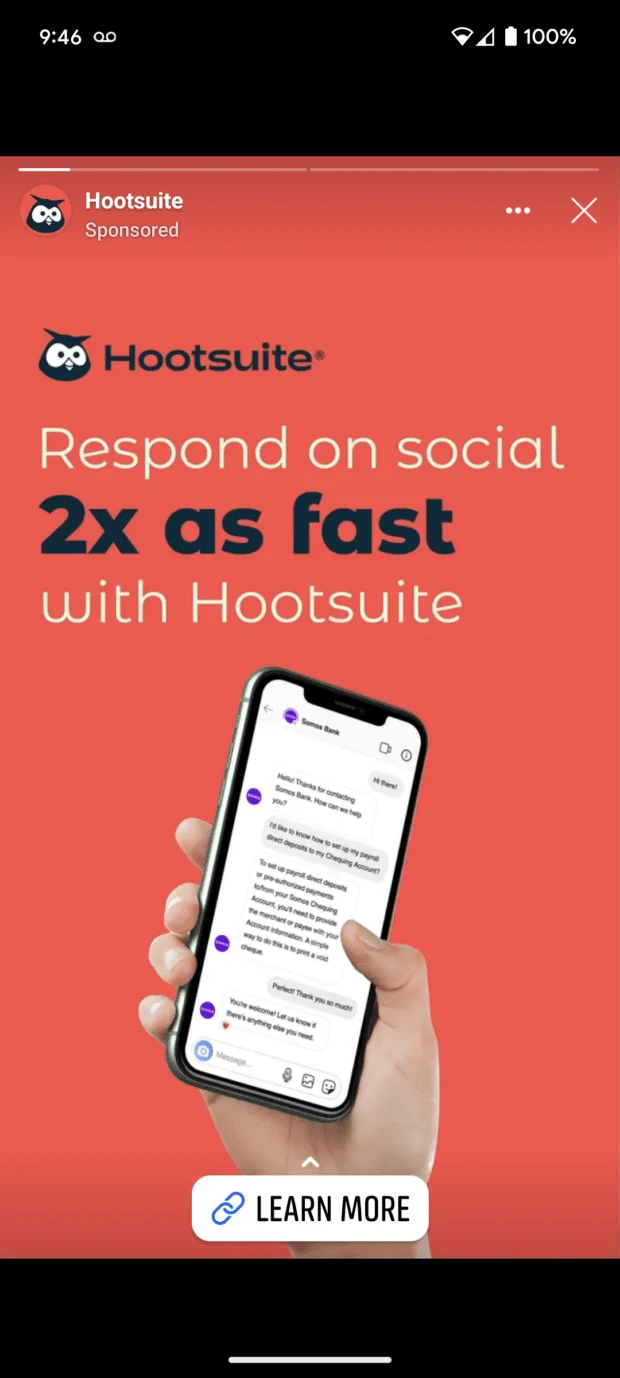
In the rapidly evolving landscape of digital marketing, Facebook advertising remains a cornerstone for businesses of all sizes. Despite the emergence of newer platforms, Meta’s ecosystem—comprising Facebook, Instagram, Messenger, and the Audience Network—continues to offer an unparalleled scale of reach. As we move through 2026, understanding how to leverage these tools effectively is no longer just a "nice-to-have" skill; it is a fundamental requirement for any brand looking to secure a competitive edge.

The Evolution of Facebook Advertising: Core Principles
Facebook advertising is the strategic deployment of paid promotional content across Meta’s vast digital real estate. At its core, the system operates as a sophisticated auction. When a marketer sets up a campaign, they define an objective, a target demographic, and a budget. Meta’s algorithm then evaluates these inputs against the "estimated action rate" and "ad quality," determining which ads to display to specific users.

This mechanism ensures that advertisers do not overpay to win an auction. Instead, the platform prioritizes user experience, matching high-quality, relevant content with the individuals most likely to engage with it. For the modern marketer, this means that success is dictated less by the size of the wallet and more by the precision of the strategy and the quality of the creative assets.
The Cost of Visibility: 2026 Benchmarks
Budgeting for Facebook ads often presents a challenge for newcomers. While there is no "fixed price," industry benchmarks for 2026 provide a clear roadmap. The average Cost Per Click (CPC) currently hovers between $0.50 and $2.00, though this fluctuates based on industry volatility, seasonality, and the specific campaign objective.
| Campaign Objective | Typical CPC | Typical CPM (per 1k) | Typical CPL |
|---|---|---|---|
| Awareness | $0.40 – $0.90 | $5 – $9 | N/A |
| Traffic | $0.50 – $1.50 | $7 – $12 | N/A |
| Engagement | $0.30 – $1.00 | $6 – $10 | N/A |
| Leads | $1.00 – $2.50 | $9 – $15 | $5 – $25 |
| Sales | $0.80 – $2.00 | $10 – $18 | $10 – $40 |
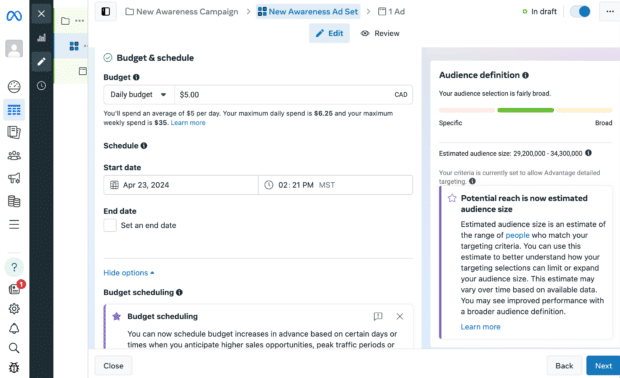
These figures are not fixed costs; they are indicators of market competitiveness. A $5 or $10 daily budget is often sufficient for small-scale testing or local outreach. However, for enterprise-level growth, higher investments are required to provide the algorithm with enough data to optimize effectively.
The Strategic Anatomy of Ad Formats
Selecting the right format is critical to the conversion funnel. Each format serves a distinct purpose:
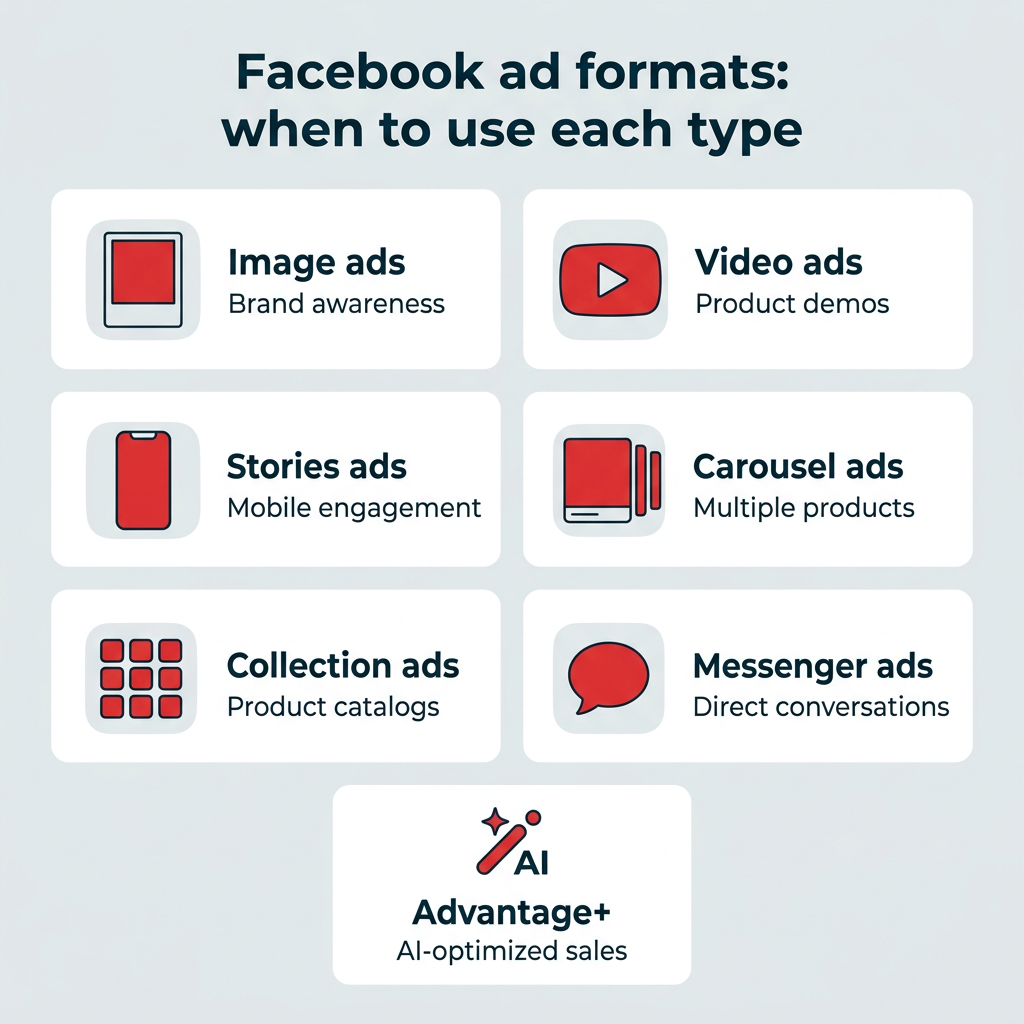
- Image Ads: The bedrock of Facebook advertising. Simple, effective, and perfect for brand awareness or product launches.
- Video Ads: Essential for product demonstrations and storytelling. While production-heavy, they offer higher engagement if kept under 15 seconds.
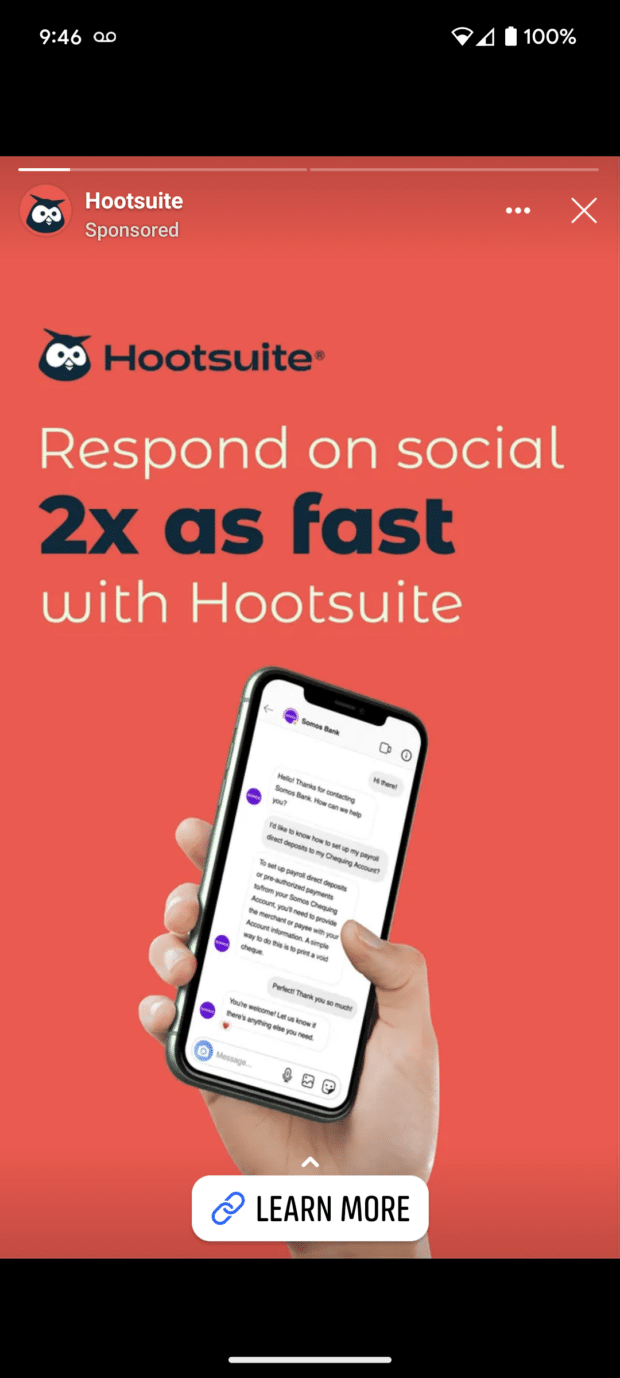
- Stories Ads: Designed for the mobile-first generation. These full-screen, vertical ads offer an immersive experience that commands attention.
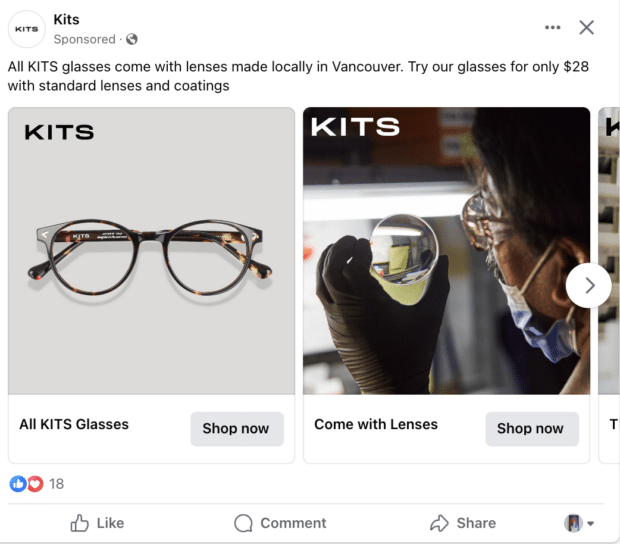
- Carousel Ads: Ideal for showcasing a catalog. By displaying up to ten images or videos, each with its own link, brands can guide users through a multi-product journey.
- Collection Ads: These function as a "mobile storefront." When clicked, they open an Instant Experience, allowing users to browse and purchase without leaving the app.
- Advantage+ Shopping: The pinnacle of Meta’s current AI integration. By automating targeting and creative selection, these campaigns consistently deliver lower costs per result by learning from user behavior in real time.
Setting Up Your Campaign: A Step-by-Step Methodology
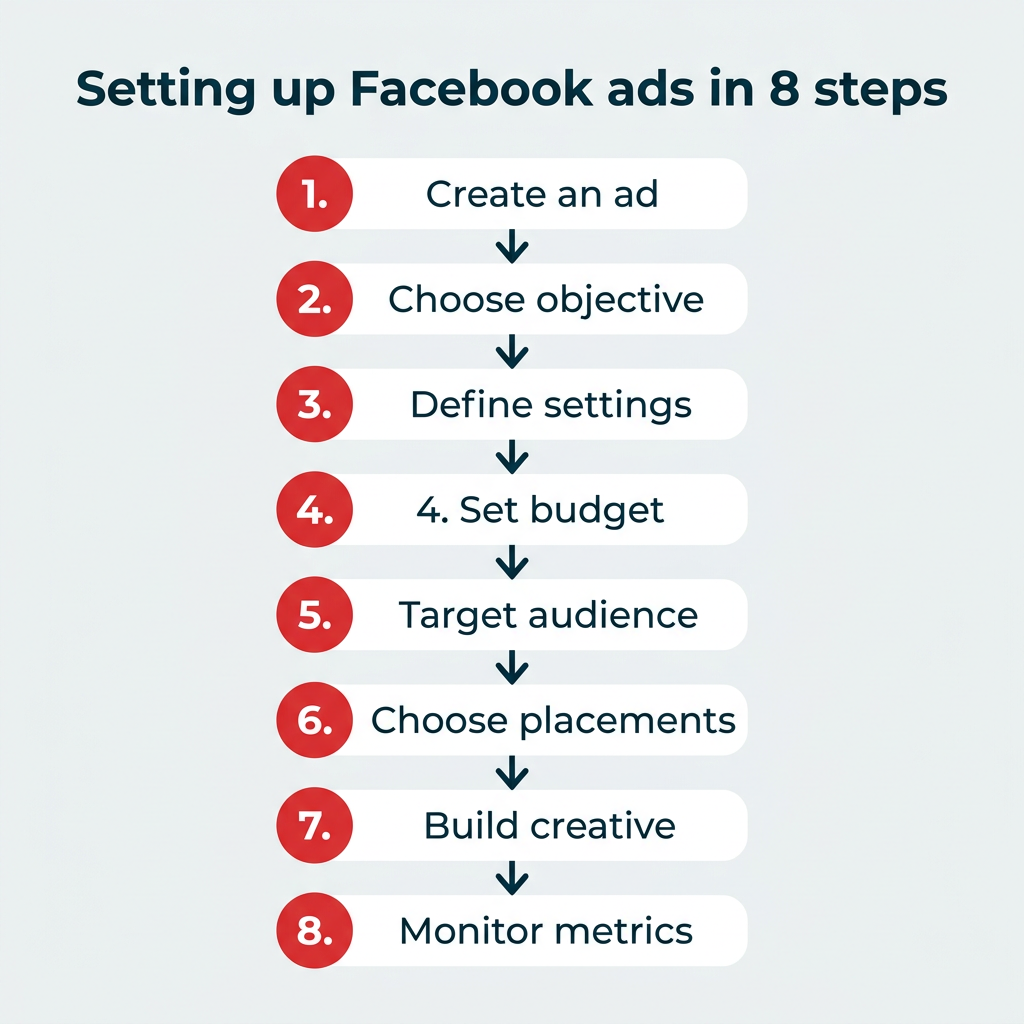
To execute a successful campaign within Meta Ads Manager, follow this eight-step professional workflow:
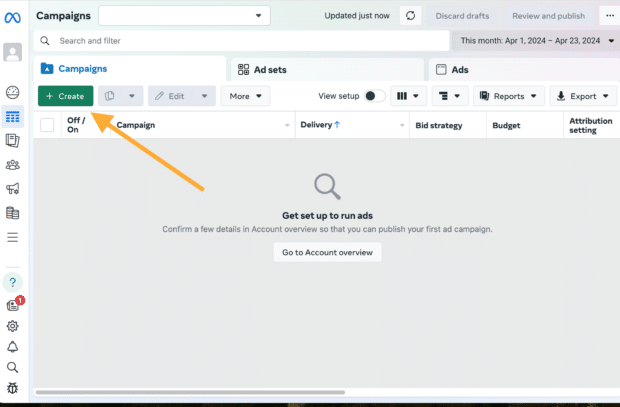
- Initiate Creation: Access the Ads Manager dashboard and select "Create."
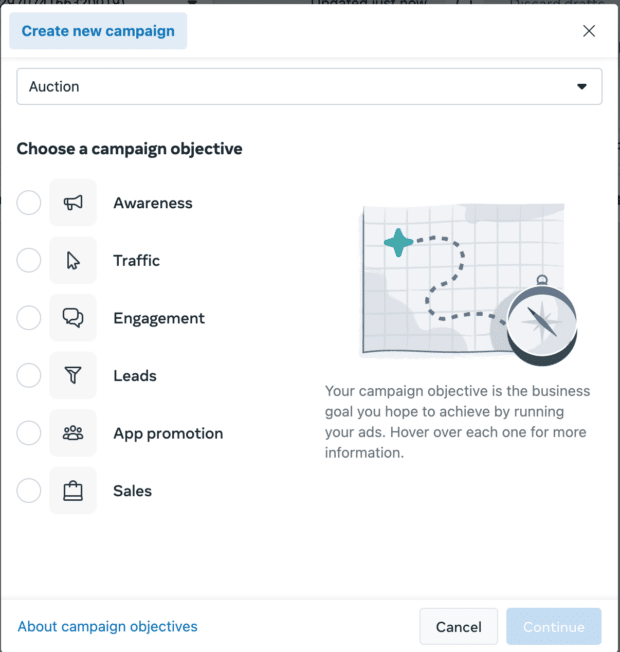
- Define Objectives: Align your campaign with a specific goal—whether it is brand awareness, lead generation, or direct sales.
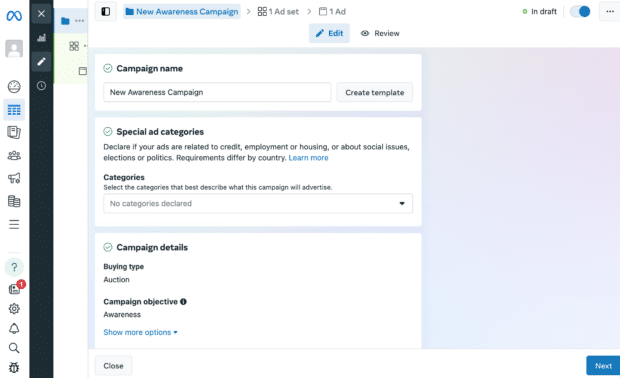
- Campaign Configuration: Set your campaign name and declare any "Special Ad Categories" (e.g., credit, employment, or housing).
- Budgeting: Decide between a daily budget (ongoing) or a lifetime budget (defined period).
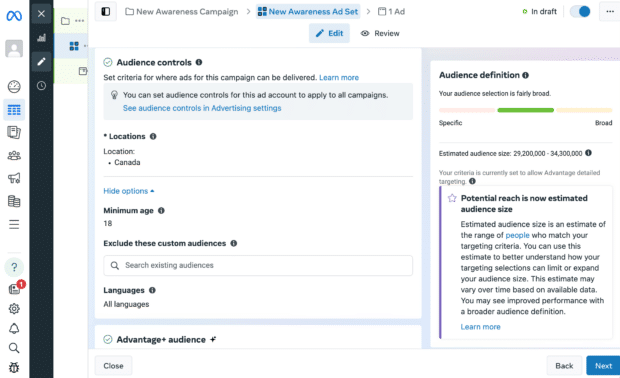
- Audience Targeting: Leverage Advantage+ audiences for AI-driven reach, or manually define your core demographic.
- Placement Strategy: Opt for Advantage+ placements to allow the algorithm to distribute your ad across the most effective touchpoints.
- Creative Execution: Upload your assets, write compelling copy, and utilize the preview tool to ensure cross-platform compatibility.
- Performance Monitoring: Launch the ad and track metrics—ROAS, Cost Per Acquisition, and frequency—to pivot as necessary.
The Power of AI and Automation
The shift toward AI-driven advertising, most notably through the "Advantage+" suite, has fundamentally changed the role of the digital marketer. Rather than manually testing thousands of combinations, marketers now provide the assets and the goals, allowing machine learning to identify the most lucrative audience segments.
Data from Meta suggests that these automated campaigns generally achieve a 20% lower cost per result. This shift allows marketing teams to transition from manual tinkering to high-level strategic oversight, focusing on brand voice and long-term customer journey mapping.
Implications for Modern Brands
The implications of this technology are significant. Brands that ignore the nuances of the algorithm or fail to adapt to the "mobile-first, video-heavy" environment risk wasting significant capital.
Key Takeaways for Success:
- Mobile-First Design: If your ad doesn’t look perfect on a smartphone, it is effectively invisible.
- The 3-Second Rule: If you haven’t hooked the viewer in the first three seconds of your video, you have lost them.
- Sound Optional: Always provide captions. Many users interact with content in sound-sensitive environments.
- Data-Driven Iteration: Never rely on intuition. Use A/B testing to compare headlines, visuals, and CTAs before committing your entire budget.
Addressing Common Pitfalls
When performance dips, the solution is rarely to "throw more money" at the campaign. Instead, audit the following:
- Ad Fatigue: Has the audience seen the same creative too many times? Refresh your assets.
- Targeting Overlap: Are your audiences competing against each other? Consolidate your ad sets.
- Policy Violations: Check if your copy or landing page violates Meta’s strict advertising policies, which can result in restricted account reach.
Conclusion: The Path Forward
Facebook advertising remains a powerful engine for business growth, provided it is treated with the seriousness it deserves. By combining the massive reach of Meta’s network with the precision of AI-driven optimization, businesses can transform their digital presence into a measurable, ROI-focused powerhouse. Whether you are a solo entrepreneur starting with a $5 daily budget or an enterprise marketing team managing complex cross-regional campaigns, the principles remain the same: test, measure, optimize, and scale.
As the platform continues to evolve, the brands that win will be those that view their advertising not as a static task, but as a dynamic conversation with their customers.


 Neng Nana
 Siti Muinah